How to Transfer Betta Fish from Container to Bowl
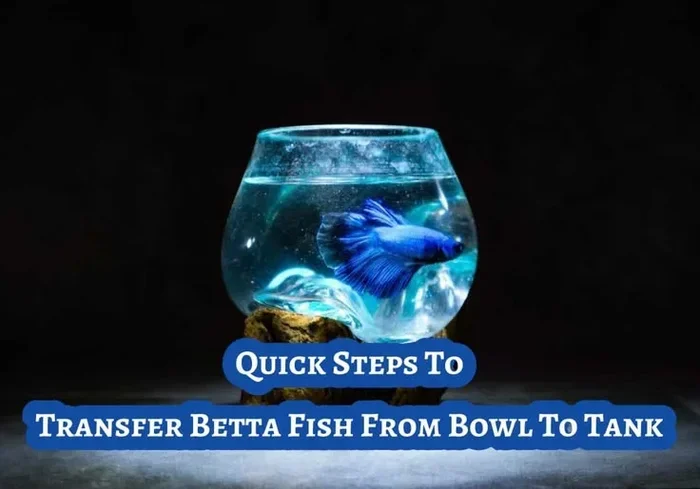
Transferring your betta fish from a container to a bowl is simple when you follow the right steps. You need to prepare the new bowl, acclimate your fish slowly, and monitor water conditions closely. This guide walks you through every stage so your betta stays healthy and stress-free during the move.
Moving a betta fish from one container to another might seem simple on the surface. But there is a lot more to it than just scooping your fish into a new home. Whether you are upgrading from a small jar to a proper bowl or shifting your betta into a decorative container, the process needs careful planning.
The way you handle the transfer affects your fish’s health, stress levels, and long-term well-being. A rushed move can lead to betta fish stress, water shock, and even illness. On the other hand, a smooth transfer sets your fish up for a happy life in its new space.
This guide covers everything you need to know about how to transfer betta fish from container to bowl the right way. You will learn how to prepare the bowl, acclimate your fish, handle water changes, and keep your betta healthy after the move. Let us get started.
Key Takeaways
- Preparation is key: Having the bowl ready before you move your betta reduces stress and prevents accidents.
- Acclimation matters: Gradually mixing water from the old container with the new bowl helps your betta adjust to new conditions.
- Water quality is critical: Testing and treating water before the transfer protects your fish from shock and illness.
- Post-transfer monitoring: Watching your betta closely for the first 48 hours catches problems early.
- Setup the bowl properly: Adding plants, gravel, and the right temperature creates a comfortable home.
- Avoid common mistakes: Rushing the process or skipping water conditioning can harm your fish.
📑 Table of Contents
- Why Transferring Betta Fish Needs Care
- Gathering Supplies Before the Transfer
- Step-by-Step: How to Transfer Betta Fish from Container to Bowl
- Setting Up the Bowl for Long-Term Success
- Common Mistakes to Avoid During Transfer
- Expert Tips for a Stress-Free Transfer
- Comparison: Container vs. Bowl Living Conditions
- When to Seek Help After a Transfer
- Final Thoughts
Why Transferring Betta Fish Needs Care
Betta fish are sensitive creatures. They thrive in stable environments. Even small changes in water temperature, pH, or chemical levels can cause stress. When you move a betta from a container to a bowl, you are essentially changing its entire world in a short period of time.
Here is why this process deserves your full attention:
- Temperature shifts: Bettas need warm water between 76 and 82 degrees Fahrenheit. A sudden drop or rise can shock their system.
- Water chemistry differences: The container water and bowl water may differ in pH, hardness, and ammonia levels.
- Stress weakens immunity: A stressed betta becomes more vulnerable to diseases like ich and fin rot.
- Oxygen levels vary: Bowls with different surface areas exchange gas differently than closed containers.
Taking the time to do this properly pays off. Your betta will adjust faster and stay healthier in the long run.
Gathering Supplies Before the Transfer
Before you touch your betta, gather everything you need. Having all supplies ready prevents last-minute scrambling and keeps your fish safe in its current container while you prepare.
What You Will Need
- A clean bowl sized appropriately for your betta (at least 2.5 gallons recommended)
- Water conditioner like tetrasel or similar products
- A small cup or net for moving the fish
- A thermometer to check water temperature
- Test strips for pH and ammonia levels
- Clean water (dechlorinated and temperature-matched)
- A clean towel or paper towels for spills
Pro tip: Set up the bowl at least 24 hours before the transfer. This gives the water time to stabilize and reach the right temperature. If you are not sure how to set everything up, check out this guide on how to setup a betta fish bowl with a plant for helpful tips on creating a comfortable habitat.
Step-by-Step: How to Transfer Betta Fish from Container to Bowl
Now comes the main part. Follow these steps carefully to ensure a smooth and safe transfer for your betta.
Step 1: Prepare the New Bowl
Start by cleaning the bowl thoroughly. Do not use soap or chemical cleaners. These leave residues that are harmful to fish. Rinse the bowl with warm water and let it dry completely.
Fill the bowl with treated water at the right temperature. Use your thermometer to match the temperature of the water in your betta’s current container. Aim for about 78 degrees Fahrenheit as a sweet spot. Add water conditioner to remove chlorine and chloramine from tap water.
Step 2: Test the Water
Before moving your fish, test both the old container water and the new bowl water. Check these parameters:
- pH level: Bettas prefer a pH between 6.5 and 7.5.
- Ammonia: Should be at 0 ppm.
- Nitrite: Should be at 0 ppm.
- Nitrate: Should be below 20 ppm.
If the new bowl water does not match the old container water closely, your betta may experience shock. Adjust the new water before proceeding.
Step 3: Catch and Move Your Betta
Gently scoop your betta using a soft net or a clean cup. Avoid chasing your fish around the container, as this causes unnecessary stress. Move your betta as quickly as possible but without rushing.
Place your betta into the new bowl gently. Do not pour the old container water into the bowl unless the water quality is excellent. Most experts recommend leaving the old water behind and using only fresh, treated water in the new bowl.
Step 4: Acclimate Your Betta
Acclimation is one of the most important steps in the entire process. It gives your betta time to adjust to the new water conditions gradually.
Here is a simple acclimation method:
- Float the bag or cup containing your betta in the new bowl for 15 to 20 minutes. This equalizes the temperature.
- Every 5 minutes, add a small amount of bowl water into the cup or bag.
- After 20 to 30 minutes, gently release your betta into the bowl.
- Discard the old container water from the cup or bag.
This slow process helps your fish adjust to changes in pH, temperature, and mineral content without going into shock.
Step 5: Observe Your Betta After the Move
Watch your betta closely for the first few hours. A healthy betta will explore the bowl and show normal swimming behavior. Some hiding or resting is normal in the first 24 hours.
Look out for these warning signs:
- Staying at the bottom and not moving
- Clamped fins held close to the body
- Gasping at the surface
- Loss of color
- Refusing to eat
If you notice any of these signs, check your water parameters immediately. Often, the issue is a temperature or pH mismatch that can be corrected quickly.
Setting Up the Bowl for Long-Term Success
A transfer is only the beginning. To keep your betta healthy, the bowl needs proper setup and ongoing maintenance. A well-designed bowl mimics your betta’s natural environment and supports good health.
Adding Decorations and Plants
Betta fish love places to explore and hide. Add smooth gravel, silk plants, and small caves or decorations. Avoid sharp objects that can tear your betta’s delicate fins. Live plants are excellent choices because they help maintain water quality by absorbing nitrates.
If you are unsure about which decorations work best, this article on how to decorate a betta fish bowl offers great ideas for creating a beautiful and safe environment.
Maintaining Water Quality
Once your betta is settled in, regular maintenance becomes essential. Bowls have smaller water volumes, so waste builds up faster than in larger tanks. Here is a simple maintenance routine:
- Weekly water changes: Replace 25 to 50 percent of the water with fresh, treated water at the same temperature.
- Gravel vacuuming: Remove debris from the substrate during each water change.
- Water testing: Test parameters weekly to catch problems early.
- Filter considerations: While some bettas live in unfiltered bowls, a gentle sponge filter makes maintenance much easier.
For a complete maintenance routine, you can read more about how to maintain a betta fish bowl to keep everything running smoothly.
Common Mistakes to Avoid During Transfer
Even well-meaning fish owners make mistakes during the transfer process. Knowing what to avoid saves you time, money, and most importantly, your fish’s health.
Mistake 1: Skipping the Acclimation Step
Some owners dump their betta directly into the new bowl without acclimating. This is the fastest way to cause water shock. Always take the time to gradually introduce your fish to new water conditions.
Mistake 2: Using Untreated Tap Water
Tap water contains chlorine and chloramine that are deadly to betta fish. Always use a water conditioner before adding any tap water to the bowl. This simple step prevents countless problems.
Mistake 3: Transferring Old Container Water
While it might seem helpful to pour some old water into the new bowl, this can introduce harmful bacteria or parasites. Fresh, treated water is always the safer choice.
Mistake 4: Overfeeding After the Move
A stressed betta may refuse food. Offering too much food after a transfer leads to excess waste and poor water quality. Feed small amounts and only once or twice a day during the first week.
Mistake 5: Ignoring Temperature Matching
Even a few degrees of difference can stress your betta. Always use a thermometer and match temperatures precisely before the transfer.
Expert Tips for a Stress-Free Transfer
Experienced betta keepers follow a few extra practices that make the transfer even smoother. Here are some insider tips that make a real difference:
- Transfer during the evening: Bettas are less active at night, so they experience less stress during the move.
- Dim the lights: A darker environment helps your betta feel safe during and after the transfer.
- Use a quarantine period: If possible, keep your betta in the new bowl alone for 2 to 3 days before adding any tank mates or decorations from the old container.
- Have a backup plan: Keep the old container clean and ready in case you need to return your betta temporarily.
- Be patient: Some bettas take up to a week to fully adjust. Give them time and space.
For those who need to move their betta over longer distances, this guide on how to transport a betta fish long distance offers additional strategies that apply to shorter container-to-bowl moves as well.
Comparison: Container vs. Bowl Living Conditions
Understanding the differences between a container and a bowl helps you appreciate why proper transfer techniques matter so much.
| Factor | Container (Jar/Cup) | Bowl |
|---|---|---|
| Water Volume | Usually 0.5 to 1 gallon | 2.5 gallons or more |
| Surface Area | Small, limits oxygen exchange | Larger, better gas exchange |
| Space to Swim | Very limited | More room for natural movement |
| Decoration Space | Minimal | Can accommodate plants and caves |
| Temperature Stability | Changes quickly | More stable due to larger water mass |
| Maintenance Frequency | Very frequent water changes | Still frequent but slightly less |
As you can see, moving your betta from a container to a bowl generally improves living conditions. The larger water volume provides more stability and a healthier environment for your fish.
When to Seek Help After a Transfer
Most bettas adjust to a new bowl without any issues. However, some situations require immediate attention. Contact a fish veterinarian or experienced aquarist if you notice any of the following:
- Your betta shows signs of ich (white spots on the body and fins)
- Fin rot appears as ragged or discolored fins
- Your fish stays at the bottom and does not respond to food after 48 hours
- The water becomes cloudy or foul-smelling within hours of the transfer
- Your betta shows signs of swim bladder disorder, floating upside down or struggling to stay upright
Catching problems early gives you the best chance of resolving them quickly. Regular observation during the first week after the transfer is your best defense against serious health issues.
Final Thoughts
Transferring your betta fish from a container to a bowl is a rewarding process that gives your fish a better quality of life. By following the steps in this guide, you ensure the move is safe, smooth, and stress-free.
Remember to prepare the bowl ahead of time, match water conditions carefully, acclimate your fish slowly, and monitor your betta closely after the transfer. Each of these steps plays a vital role in keeping your fish healthy and happy.
Whether you are a first-time betta owner or a seasoned hobbyist, taking the time to transfer your fish properly shows that you care. Your betta will thank you with vibrant colors, active swimming, and a long, healthy life in its new bowl home.
Frequently Asked Questions
How long does it take for a betta fish to adjust to a new bowl?
Most bettas take 2 to 7 days to fully adjust to a new bowl. During this time, they may hide more, eat less, or seem less active. Providing a calm environment with dim lighting helps speed up the adjustment process. If your betta is still stressed after a week, check your water parameters for any imbalances.
Can I use water from the old container in the new bowl?
It is best to use fresh, treated water in the new bowl rather than transferring old container water. The old water may contain waste, bacteria, or parasites that could harm your betta in the new environment. Always treat new water with a water conditioner before adding it to the bowl.
Do I need a filter in my betta fish bowl?
A filter is not strictly required, but it makes a big difference in water quality. A gentle sponge filter helps remove debris and supports beneficial bacteria without creating strong currents that bettas dislike. If you do not use a filter, you will need to perform more frequent water changes to keep the bowl clean.
What temperature should the bowl water be after transferring my betta?
Betta fish thrive in water temperatures between 76 and 82 degrees Fahrenheit. Aim for around 78 degrees as the ideal range. Use a reliable aquarium thermometer to check and maintain the temperature. Sudden temperature changes are one of the biggest causes of stress after a transfer.
How soon can I feed my betta after transferring it to a new bowl?
Wait at least 2 to 3 hours after the transfer before offering food. This gives your betta time to settle and explore the new environment. Start with a small amount of food and observe whether your betta eats normally. If it refuses food, do not worry, as this is common in the first day or two after a move.
Can I transfer multiple betta fish to the same bowl?
No, betta fish are territorial and should never be kept together in a small bowl. Male bettas especially will fight and injure each other. Each betta needs its own separate bowl or a large community tank with careful planning. Keeping them apart ensures the health and safety of all your fish.