How to Properly Take Care of Your Betta Fish
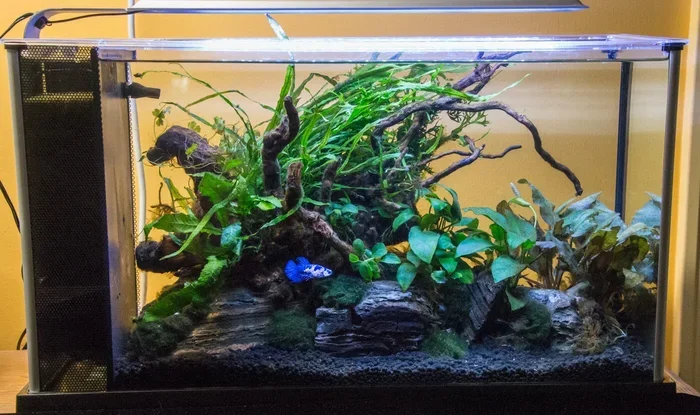
Proper betta fish care starts with the right tank, clean water, and a balanced diet. This guide covers everything you need to know about setting up a healthy habitat, maintaining water quality, feeding your betta correctly, and keeping your fish happy and active. Whether you are a new fish owner or looking to improve your routine, these practical tips will help your betta thrive for years to come.
Keeping a betta fish can be one of the most rewarding experiences for any pet lover. These vibrant, flowing-finned creatures bring color and life to any room. But many new owners underestimate what it takes to keep a betta truly healthy. Proper betta fish care goes far beyond filling a bowl with water and dropping in some flakes. It requires attention to detail, consistency, and a genuine love for your fish.
If you want your betta to live a long, happy life, you need to understand the basics of betta fish care. This guide walks you through every essential step. From choosing the right tank size to feeding the perfect diet, you will find practical advice you can use today. The good news is that once you build a solid routine, caring for your betta becomes second nature.
Key Takeaways
- Tank Size Matters: A minimum 5-gallon tank gives your betta room to swim and stay healthy.
- Water Quality Is Critical: Regular water changes and proper filtration keep harmful toxins at bay.
- Heat and Temperature Control: Bettas need warm water between 76-82°F to thrive.
- Diet Drives Health: Feed high-quality betta pellets and occasional treats in small portions.
- Tank Setup and Decorations: Provide hiding spots and live plants to reduce stress.
- Watch for Warning Signs: Early detection of disease saves lives and prevents outbreaks.
📑 Table of Contents
Why Proper Betta Fish Care Matters
Many people think bettas are low-maintenance pets. They can survive in small cups at pet stores, but that is not the same as thriving. In the wild, bettas live in warm, slow-moving waters with plenty of space. When you recreate a similar environment at home, your fish will display brighter colors, more energy, and better overall health.
Neglecting basic care leads to stress, disease, and a shortened lifespan. Bettas can live up to five years with proper care, but poor conditions can cut that short dramatically. Understanding how to properly care for betta fish is the first step toward being a responsible and compassionate owner.
Setting Up the Perfect Betta Tank
Choose the Right Tank Size
The single biggest mistake new betta owners make is using too small a tank. Many people start with a tiny bowl or a 1-gallon tank. While your betta might survive in these conditions, it will not thrive. A minimum 5-gallon tank is the ideal starting point for a single betta. This gives your fish enough room to swim, explore, and establish its territory.
Larger tanks also make water maintenance easier. In a small bowl, toxins build up quickly. In a 5-gallon or larger tank, the water stays more stable between changes. If you want to add tank mates later, consider going even bigger with a 10-gallon setup.
Essential Equipment for Your Betta Tank
Every betta tank needs a few key pieces of equipment. A quiet aquarium filter is essential. Bettas hate strong currents, so choose a filter with an adjustable flow or sponge filter. The filter removes harmful bacteria and keeps the water clean between changes.
A reliable aquarium heater is just as important. Bettas are tropical fish and need warm water. Keep the temperature between 76°F and 82°F at all times. A submersible heater with a thermostat makes this easy to maintain. You will also want a thermometer to monitor the temperature daily. Small details like a gentle light and a secure tank lid complete the setup.
Decorations and Tank Setup
Bettas love places to hide and explore. Adding tank decorations like caves, driftwood, and smooth rocks creates a stimulating environment. Just make sure all decorations have smooth edges. Sharp objects can damage your betta’s delicate fins.
Live plants are another excellent addition. They provide natural hiding spots and help keep the water clean by absorbing nitrates. Some great low-light options include java fern, anubias, and amazon sword plants. If you are unsure about how to arrange your tank, check out this guide on how to decorate your betta fish tank for helpful ideas and inspiration.
Water Quality and Maintenance
Understanding the Nitrogen Cycle
Before you add your betta to a new tank, you need to cycle the tank first. The nitrogen cycle is a natural process where beneficial bacteria break down harmful ammonia into less toxic substances. Skipping this step is one of the most common causes of betta fish illness and death.
Cycling a tank takes about 4 to 6 weeks. You can speed up the process with bottled beneficial bacteria starters. Test the water regularly with a liquid test kit. You want ammonia and nitrite levels at zero, and nitrates below 20 ppm. Once the cycle is complete, your tank is ready for your betta.
Regular Water Changes
Even with a fully cycled tank, regular water changes are essential. For a 5-gallon tank, perform a 25 to 30 percent water change every week. For larger tanks, you can go longer between changes, but weekly maintenance is still the best practice.
Always use a water conditioner when adding new water. Tap water contains chlorine and chloramine, which are harmful to fish. A good conditioner neutralizes these chemicals instantly. If you want to dive deeper into water care, this article on how to take care of betta fish water offers detailed guidance on maintaining pristine water conditions.
Cleaning the Tank and Filter
Keeping your tank clean does not mean scrubbing it spotless. In fact, over-cleaning can strip away beneficial bacteria. Instead, focus on removing waste and uneaten food during each water change. Rinse filter media in old tank water, never tap water, to preserve good bacteria.
For a thorough deep clean, follow a structured routine. This ensures your betta fish tank stays healthy without disrupting the biological balance. You can find a step-by-step approach in this guide on how to clean your betta fish tank.
Feeding Your Betta Fish the Right Diet
Best Foods for Betta Fish
Bettas are carnivorous fish that need a protein-rich diet. High-quality betta pellets should form the foundation of their meals. Look for pellets where the first ingredient is whole fish or fish meal. Avoid brands filled with fillers like corn and wheat.
You can also offer variety with frozen or live foods. Bloodworms, brine shrimp, and daphnia are excellent treats. These foods mimic what bettas eat in the wild and help bring out their natural colors. Feed these treats in moderation, no more than two to three times per week.
Feeding Schedule and Portions
Overfeeding is one of the most common betta care mistakes. Bettas have small stomachs, roughly the size of their eye. Feed your betta two to three small meals per day. Each meal should be no more than two to three pellets. Watch for any uneaten food and remove it within a few minutes to keep the water clean.
Skipping one meal per week can actually benefit your betta. It helps clear the digestive system and prevents constipation. If your fish refuses food for a day or two, do not panic. Bettas can safely fast for short periods.
Keeping Your Betta Fish Healthy
Common Betta Fish Diseases
Even with the best care, bettas can sometimes get sick. The most common issues include fin rot, ich (white spot disease), and fungal infections. Poor water quality is the leading cause of most diseases. Keeping the tank clean and the water parameters stable dramatically reduces the risk.
Watch for warning signs like clamped fins, loss of appetite, white spots, or lethargy. Catching these early makes treatment much easier. Isolate sick fish in a quarantine tank to prevent the spread of disease to other tank inhabitants.
Signs of a Happy, Healthy Betta
A healthy betta displays bright, vibrant colors and flows fins gracefully. It should be active and curious, exploring the tank throughout the day. A healthy appetite is another strong indicator of wellness. If your betta is building bubble nests, that is a great sign too. It means your fish feels safe and comfortable in its environment.
If you want to learn more about reading your betta’s behavior, check out this resource on how to know if your betta fish is happy for helpful tips on recognizing a content fish.
Maintaining the Right Environment
Temperature and Heating
Bettas are tropical fish and cannot tolerate cold water. Temperatures below 74°F can cause stress and weaken the immune system. Invest in a quality heater with a thermostat to maintain a steady temperature. Sudden temperature swings are just as dangerous as cold water, so place the heater near the filter output for even distribution.
If you live in a colder climate, a reliable heater is non-negotiable. For more tips on temperature management, read this guide on how to keep your betta fish warm during the colder months.
Tank Mates and Social Needs
Male bettas are known for their aggressive nature and should never be housed with other male bettas. However, some peaceful community fish can coexist with bettas in larger tanks. Good options include corydoras, kuhli loaches, and certain types of tetras. Always introduce tank mates carefully and watch for signs of aggression.
Female bettas can sometimes be kept together in groups called sororities, but this requires a tank of at least 20 gallons with plenty of hiding spots. Research any potential tank mate thoroughly before adding them to your setup.
Common Mistakes to Avoid
Even well-meaning owners make mistakes. Here are the most common ones to watch out for:
- Using a tank that is too small: Bettas need at least 5 gallons to thrive.
- Skipping the tank cycle: Never add your betta to an uncycled tank.
- Overfeeding: Excess food pollutes the water and causes health problems.
- Ignoring water changes: Regular maintenance is the backbone of betta care.
- Using the wrong filter: Strong currents stress bettas out. Choose gentle filtration.
- Keeping the tank in direct sunlight: This causes algae blooms and temperature spikes.
Avoiding these mistakes sets you on the path to becoming a confident and successful betta owner. Remember, every tank is different. Pay attention to your fish and adjust your routine as needed.
Final Thoughts on Betta Fish Care
Taking care of a betta fish is a wonderful journey. These beautiful creatures reward your effort with stunning color, playful behavior, and a calming presence in your home. The key is to start with a solid foundation: the right tank size, clean water, proper heating, and a nutritious diet.
Once you establish a routine, caring for your betta becomes a relaxing part of your day. The time you invest in learning about proper betta fish care pays off in a happy, healthy fish that brings joy for years. Stay patient, stay consistent, and always keep learning. Your betta will thank you with every graceful swim.
Frequently Asked Questions
How often should I change my betta fish water?
For a 5-gallon tank, change 25 to 30 percent of the water every week. Larger tanks may need less frequent changes, but consistency is key. Always use a water conditioner to neutralize chlorine and chloramine before adding new water.
Can betta fish live in a bowl without a filter?
While bettas can survive in a bowl, they thrive much better in a filtered tank. A bowl lacks the space and biological filtration needed to keep water quality stable. A 5-gallon tank with a gentle filter is the minimum recommended setup for a healthy betta.
What is the best food for betta fish?
High-quality betta pellets should be the staple of your fish’s diet. Look for pellets with real fish or fish meal as the first ingredient. Supplement with frozen or live foods like bloodworms and brine shrimp for variety and better nutrition.
Why is my betta fish not eating?
A temporary loss of appetite can be normal, especially after a water change or during stressful periods. If your betta refuses food for more than three days, check the water parameters and temperature. Poor water quality and incorrect temperatures are the most common causes of appetite loss in bettas.
How long do betta fish live with proper care?
With excellent care, bettas typically live between three and five years. Some owners report their bettas living even longer. The key factors are a properly cycled tank, consistent water quality, a balanced diet, and a stress-free environment.
Can I keep two male betta fish together?
No, two male bettas should never be housed together. They are highly territorial and will fight, often with fatal results. Female bettas can sometimes live together in groups, but this requires a larger tank with plenty of hiding spots and careful monitoring.