Is 84 to Hot for My Betta Fish
Water at 84°F is right at the upper edge of what is safe for most betta fish. While some bettas can tolerate temperatures in the low 80s, consistently keeping your tank at 84°F can cause stress, reduce oxygen levels, and shorten your betta’s lifespan. The ideal betta fish temperature is between 76°F and 80°F, and anything above 82°F warrants close attention.
Is 84 too hot for my betta fish? If you have been asking yourself this question, you are not alone. Many betta fish owners worry about water temperature, especially during summer months or in warm climates. The truth is, 84°F is right at the edge of what is safe for your betta, and in most cases, it is too warm for long-term health.
Betta fish are tropical creatures, but that does not mean they thrive in hot water. Just like humans, bettas have a comfort zone. When the temperature climbs too high, it affects everything from their breathing to their appetite. In this guide, we will walk you through exactly what happens when the water gets too warm, how to tell if your betta is suffering, and what you can do to fix it.
Whether you are a new betta owner or have had fish for years, understanding betta fish temperature is one of the most important parts of keeping your fish happy and healthy. Let us dive in.
Key Takeaways
- 84°F is too hot for most betta fish: It exceeds the safe range and can cause serious health issues over time.
- The ideal temperature range is 76°F to 80°F: This keeps your betta comfortable, active, and healthy.
- Overheating reduces oxygen levels: Warm water holds less dissolved oxygen, which can make your betta gasp for air.
- Watch for warning signs: Lethargy, rapid breathing, and loss of appetite are common indicators of high water temperature.
- Use a reliable aquarium thermometer: Accurate temperature monitoring is essential for betta fish care.
- Adjust gradually: If the water is too warm, lower the temperature slowly to avoid shocking your fish.
📑 Table of Contents
- What Is the Ideal Temperature for a Betta Fish?
- Is 84 Too Hot for My Betta Fish?
- Signs That Your Betta Fish Is Overheated
- How to Lower the Temperature in Your Betta Tank
- Can a Betta Fish Survive in Hot Water?
- Common Mistakes Betta Owners Make With Temperature
- Expert Insights on Betta Fish Temperature Management
- Conclusion
What Is the Ideal Temperature for a Betta Fish?
The ideal betta fish temperature sits between 76°F and 80°F (24°C to 27°C). This range mimics the warm, slow-moving waters of Southeast Asia, where bettas naturally live. Within this zone, your betta will be active, eat well, and display vibrant colors.
Here is a quick breakdown of temperature zones for betta fish:
- Below 74°F: Too cold. Your betta may become lethargic and prone to illness.
- 76°F to 80°F: The sweet spot. This is where your betta thrives.
- 80°F to 82°F: Warm but generally tolerable for short periods.
- 83°F and above: Too hot. Stress and health problems begin to appear.
- 84°F and above: Danger zone. Immediate action is needed.
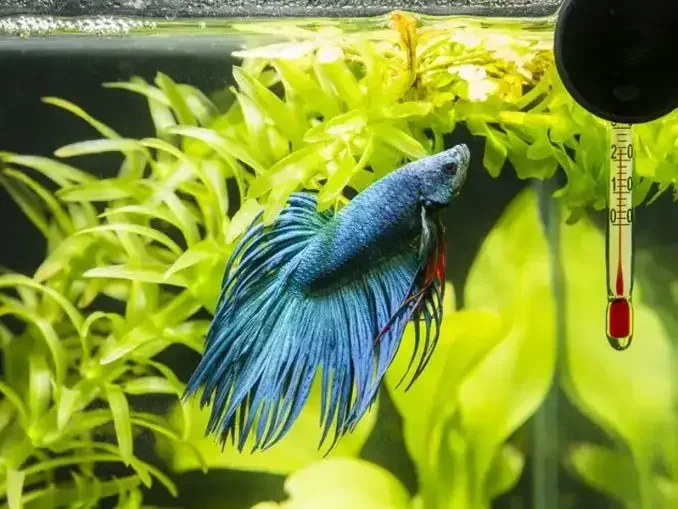
Keeping your betta fish tank within the ideal range is the single best thing you can do for your fish’s well-being. A simple aquarium thermometer makes this easy to monitor every day.
Why Temperature Matters So Much
Temperature controls nearly every function in your betta’s body. It affects their metabolism, immune system, and energy levels. When the water is too cold, your betta’s body slows down. When it is too hot, the opposite happens, and things start to break down.
Betta fish care starts with understanding that water temperature is not just a number on a thermometer. It is the foundation of your fish’s entire environment. A stable temperature within the right range helps your betta live a longer, happier life.
Is 84 Too Hot for My Betta Fish?
The short answer is yes. 84°F is too hot for most betta fish. While a brief spike to 84°F may not cause immediate harm, keeping the water at this temperature over days or weeks will lead to serious problems. Most aquarium experts agree that temperatures above 82°F are stressful for bettas.
Here is what happens when the water in your betta fish tank reaches 84°F:
- Oxygen levels drop: Warm water holds less dissolved oxygen. Your betta may start gasping at the surface.
- Metabolism speeds up: Your betta burns energy faster, leading to exhaustion and weight loss.
- Stress weakens the immune system: A stressed betta is much more likely to develop diseases like fin rot or ich.
- Behavioral changes: Your betta may become restless, hide more, or lose interest in food.
If you have noticed your betta fish gasping for air, high water temperature could be the culprit. Warm water simply cannot hold as much oxygen as cooler water, and your fish will struggle to breathe.
Signs That Your Betta Fish Is Overheated
Knowing the warning signs of an overheated betta is essential. Fish cannot tell us when they feel uncomfortable, so it is up to us to watch for clues. The earlier you catch the problem, the easier it is to fix.
Rapid Breathing and Gasping
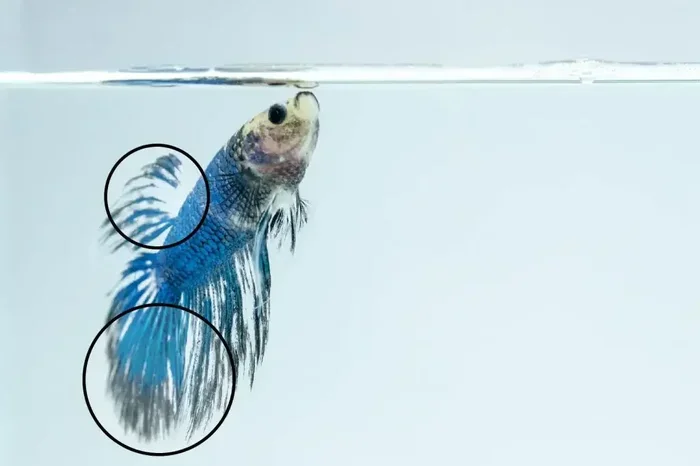
If you notice your betta breathing quickly or hovering near the surface, the water may be too warm. Betta fish gasping for air is one of the most common signs of high temperature. Your fish is trying to pull in more oxygen from the surface because the water below does not have enough.
Lethargy and Low Energy
An overheated betta often becomes very sluggish. Instead of swimming around and exploring, your fish may lie at the bottom of the tank or rest on the substrate. This is not laziness, it is a sign of stress and physical exhaustion.
If you see this behavior, check your water temperature for betta fish right away. Compare it to the ideal range and take action if needed.
Loss of Appetite
Betta fish are normally eager eaters. If your betta suddenly stops eating or shows no interest in food, high water temperature could be the reason. A betta fish not eating is a warning sign that should never be ignored.
Faded Colors
Healthy bettas display bright, vivid colors. When the water is too warm, their colors may fade or look dull. This happens because stress affects blood flow and pigment production in the fish’s body.
Restless Swimming
Some overheated bettas swim erratically or pace back and forth. This restless behavior is a clear indicator that something in the tank environment is wrong. If your betta fish pacing back and forth, check the temperature first before looking for other causes.
How to Lower the Temperature in Your Betta Tank
If your tank is currently at 84°F or higher, do not panic. You can bring the temperature down safely, but the key is to do it gradually. Sudden temperature swings are just as dangerous as high temperatures.
Step-by-Step Cooling Process
- Turn off any heaters: If you have a tank heater, switch it off immediately.
- Use a fan: Point a small fan across the surface of the water. Evaporation will help cool the tank naturally.
- Do a partial water change: Replace 20 to 30 percent of the tank water with cooler, conditioned water. Make sure the new water is close to the target temperature.
- Move the tank away from sunlight: Direct sunlight can quickly raise the temperature. Place the tank in a cooler spot in your room.
- Monitor closely: Check the temperature every few hours until it drops to the safe range of 76°F to 80°F.
The goal is to lower the temperature by no more than 2°F per hour. This gives your betta time to adjust without going into shock.
Quick Tips for Keeping the Temperature Stable
- Use a good quality aquarium thermometer and check it daily.
- Invest in a water heater with a thermostat to maintain a steady temperature.
- Avoid placing the tank near windows, radiators, or electronics that generate heat.
- Keep the room temperature consistent, especially during seasonal changes.
- If you live in a hot climate, consider a small cooling fan or an aquarium chiller for summer months.
Can a Betta Fish Survive in Hot Water?
A betta fish can survive short periods in water above 84°F, but it is not a healthy or sustainable environment. Think of it like wearing a thick jacket on a hot day. You might survive, but you will feel miserable, and over time, it will affect your health.
Betta fish in hot water face a higher risk of disease, shortened lifespan, and chronic stress. While some hardy bettas might tolerate temperatures in the low 80s for a few days, pushing the limit to 84°F regularly will take a toll.
If you are wondering whether your current setup is safe, ask yourself these questions:
- Is my tank temperature consistently above 82°F?
- Has my betta been showing any signs of stress?
- Do I have a way to cool the water if it gets too warm?
- Am I checking the temperature every day?
If you answered yes to the first two questions, it is time to make a change. Your betta fish deserves a comfortable and stable environment.
Common Mistakes Betta Owners Make With Temperature
Even experienced fish keepers sometimes make mistakes when it comes to managing tank temperature. Here are the most common ones to avoid:
Relying on Room Temperature Alone
Many beginners assume that room temperature is good enough for a betta. In most homes, room temperature sits around 68°F to 72°F, which is too cold for bettas. You need a heater to maintain the proper range.
Ignoring Temperature Fluctuations
It is not just the average temperature that matters. Wild swings from hot to cold and back again can stress your betta just as much as a consistently wrong temperature. Stability is key.
Using the Wrong Thermometer
Not all thermometers are accurate. Stick-on strip thermometers can be unreliable. A digital aquarium thermometer or a glass thermometer gives you much more precise readings.
Waiting Too Long to Act
Some owners notice the temperature is off but decide to wait and see what happens. By the time obvious symptoms appear, the fish may already be seriously stressed. Act quickly when you notice a problem.
Expert Insights on Betta Fish Temperature Management
Experienced aquarists and veterinarians agree that temperature stability is just as important as hitting the right number. Dr. Jessie Sanders, a certified aquatic veterinarian, often emphasizes that gradual changes matter far more than perfect numbers on a thermometer.
Here is what the experts recommend:
- Always acclimate new fish slowly, including temperature acclimation.
- Use a quarantine tank when introducing new fish to prevent temperature conflicts.
- Keep a backup heater and thermometer on hand for emergencies.
- Learn the specific needs of your betta variety, as some may prefer slightly different temperatures.
Understanding the science behind betta fish temperature helps you make better decisions every day. When in doubt, always err on the side of caution and keep your tank within the 76°F to 80°F range.
Conclusion
So, is 84 too hot for my betta fish? Yes, absolutely. While 84°F might not kill your betta overnight, it is far above the safe range and will cause stress, health problems, and a shortened lifespan over time. The ideal temperature for your betta is between 76°F and 80°F, and keeping the water in this range should be a top priority for every betta owner.
By watching for signs of overheating, using a reliable thermometer, and taking quick action when the temperature rises, you can give your betta the comfortable, healthy home it deserves. Your fish depends on you to keep the environment safe, and a little attention to temperature goes a long way.
Take a moment today to check your tank thermometer. If the water is above 82°F, start making small adjustments to bring it back down. Your betta will thank you with vibrant colors, a healthy appetite, and plenty of energy for years to come.
If you want to learn more about keeping your betta fish healthy, check out our guide on how to tell if your betta fish is sick and our article on what temperature is too hot for a betta fish for even more detailed information.
Frequently Asked Questions
Can I use a fan to cool down my betta fish tank?
Yes, a fan is one of the easiest and most effective ways to cool your betta tank. Point it across the water surface to encourage evaporation, which naturally lowers the temperature. Just make sure you do not cool the water too quickly, as sudden drops can stress your fish.
What should I do if my betta fish is gasping at the surface?
Gasping at the surface often means the water has low oxygen or is too warm. Test the temperature right away and check if it is above 82°F. Lower the temperature gradually by doing a partial water change with cooler, conditioned water.
Will my betta fish recover from overheating?
In most cases, yes. If you bring the temperature down to the safe range quickly and keep it stable, your betta should recover fully. However, prolonged exposure to hot water can cause lasting damage, so act fast at the first sign of overheating.
How often should I check my betta fish tank temperature?
You should check the temperature at least once a day, ideally at the same time each morning. This helps you catch any problems early and keeps your betta fish tank environment stable and healthy.
Is it okay to keep my betta near a window?
It is not recommended. Direct sunlight can cause the water temperature to spike quickly and unpredictably. Instead, place your betta tank in a spot with stable room temperature and indirect light for the best results.
Do betta fish need a heater in warm climates?
Yes, even in warm climates, a heater helps maintain a consistent temperature. Room temperature often fluctuates, and without a heater, the water can drop below the safe range at night or during cooler days. A heater with a thermostat gives you peace of mind and keeps your betta comfortable year-round.