How to Tell.if a Betta Fish Eyes Popping Out
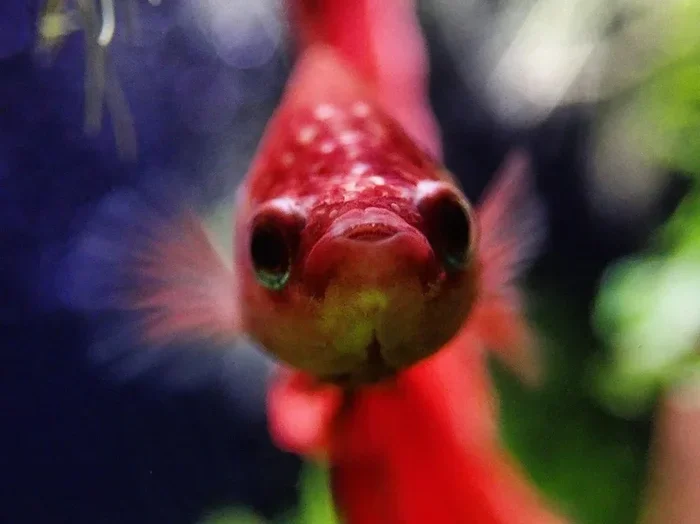
Knowing how to tell if a betta fish eyes popping out can save your pet’s life. Pop eye in bettas is a condition where one or both eyes swell and bulge from the socket, often signaling infection, injury, or poor water quality. This guide covers causes, symptoms, treatments, and prevention to help you act fast.
Key Takeaways
- Pop eye is a visible symptom: Betta fish eyes popping out usually indicates an underlying health issue rather than a standalone disease.
- Poor water quality is a leading cause: Dirty tanks with high ammonia or nitrite levels can trigger eye infections and swelling.
- Early detection matters: Catching the problem quickly improves recovery chances dramatically.
- Quarantine is essential: Isolating a sick betta prevents the spread of disease to other tank mates.
- Treatment depends on the cause: Bacterial infections need medication, while injury-related cases may just need time and clean water.
- Prevention is straightforward: Regular water changes and proper tank setup go a long way in avoiding eye problems.
📑 Table of Contents
- How to Tell If a Betta Fish Eyes Popping Out
- What Does It Mean When a Betta Fish’s Eyes Are Popping Out?
- Signs and Symptoms to Watch For
- Main Causes of Betta Fish Eyes Popping Out
- How to Tell If a Betta Fish Eyes Popping Out Is an Emergency
- Treatment Options for Betta Fish with Popping Eyes
- Preventing Eye Problems in Your Betta Fish
- Quick Tips for Managing Betta Fish Pop Eye
- Common Mistakes When Dealing with Betta Fish Eyes Popping Out
- Expert Insights on Betta Fish Pop Eye
- Key Takeaways
- Conclusion
How to Tell If a Betta Fish Eyes Popping Out
Spotting your betta fish with bulging, popping eyes can be alarming. You might wonder if your fish is in pain or if this is something that will fix itself. The truth is, betta fish eyes popping out is never normal. It is always a sign that something is wrong and needs your attention.
Pop eye, also called exophthalmia, happens when fluid builds up behind the eye or infection causes the eye to swell. In mild cases, you might notice slightly bulging eyes. In severe cases, the eyes can protrude far from the head. Either way, you need to act quickly to identify the root cause and start treatment.
This guide will walk you through everything you need to know. You will learn the causes, recognize the symptoms, explore treatment options, and discover how to prevent eye problems in your betta fish. By the end, you will feel confident handling this issue like a pro.
What Does It Mean When a Betta Fish’s Eyes Are Popping Out?
Understanding Pop Eye in Betta Fish
Pop eye is not a disease on its own. It is a symptom of another underlying problem. The eye swells because of fluid retention, infection, or injury behind the eyeball. Think of it like a balloon filling up with water — the pressure pushes the eye forward.
Sometimes only one eye is affected. Other times, both eyes bulge at the same time. Either way, the condition looks serious and needs immediate investigation. If you have ever wondered how to tell if your betta fish is sick, bulging eyes are one of the clearest visual signals.
Is Pop Eye Always Serious?
Not always, but it should never be ignored. A mildly bulging eye caused by temporary water fluctuations might resolve on its own. However, severely popped eyes usually point to a serious bacterial infection or parasite problem. The sooner you identify the cause, the better the outcome for your fish.
Keep in mind that bettas have small, delicate eye structures. Even minor issues can escalate fast in a dirty or stressful environment. Regular observation is your best defense.
Signs and Symptoms to Watch For
Physical Changes in Your Betta’s Eyes
When learning how to tell if a betta fish eyes popping out is happening, look for these physical signs:
- Bulging or protruding eyes: One or both eyes stick out farther than normal from the head.
- Swelling around the eye: The skin around the eye may look puffy or inflamed.
- Cloudy or discolored eye: The eye might turn white, gray, or reddish instead of its normal clear or dark color.
- Eye covering partially open: In severe cases, the eyelid may not close fully, leaving the eye exposed.
- Visible fluid or pus: Discharge around the eye area can signal infection.
Behavioral Changes That Accompany Eye Problems
Beyond physical signs, your betta’s behavior will often change too. Watch for these clues:
- Loss of appetite: A sick betta often stops eating or eats very little.
- Lethargy: Your fish may spend more time hiding or resting at the bottom of the tank.
- Difficulty swimming: Bulging eyes can affect balance, causing uncoordinated swimming.
- Clamped fins: Fins held close to the body signal stress or discomfort.
- Bumping into objects: Damaged vision from pop eye can cause your betta to crash into decorations.
If you notice several of these signs together, the situation is likely more urgent. Consider also checking how to tell if your betta fish is sick using broader health checks to confirm your suspicions.
Main Causes of Betta Fish Eyes Popping Out
Poor Water Quality
This is the number one culprit behind most betta health problems, including pop eye. When your tank water contains high levels of ammonia, nitrite, or nitrate, it irritates your fish’s sensitive eye tissue. Over time, this irritation leads to swelling and infection.
Bettas are tropical fish that need stable, clean water conditions. A tank without a proper filter or regular maintenance will quickly become toxic. Even small water changes can make a big difference. If you are unsure about your water parameters, testing kits are inexpensive and widely available.
Remember, cleaning your betta fish tank regularly is not just about looks — it directly protects your fish’s health.
Bacterial and Parasitic Infections
Bacteria like Pseudomonas and Aeromonas commonly attack betta eyes. These infections thrive in dirty water and can spread rapidly. Parasites such as anchor worms or eye flukes can also burrow near the eye, causing swelling and irritation.
Infections often start as a small spot on the eye that gradually worsens. Without treatment, the eye can become completely clouded or even rupture. This is why early action is so critical. If you suspect infection, immediately quarantine your betta to protect other tank mates.
Physical Injury or Trauma
Bettas are curious fish that sometimes bump into things. Sharp decorations, rough gravel, or aggressive tank mates can scratch or damage the eye area. After an injury, bacteria can enter the wound and cause infection that leads to pop eye.
Common injury sources include:
- Rough or pointed decorations in the tank
- Aggressive fish species kept with your betta
- Jumping out of the water and hitting a hard surface
- Rough netting during tank transfers
Sometimes the injury is minor but still triggers the eye swelling response. In these cases, clean water and time often help the eye heal naturally.
Other Contributing Factors
A few less common causes can also lead to betta fish eyes popping out:
- Vitamin A deficiency: Poor diet lacking essential vitamins weakens eye tissue.
- Tumors: Although rare, internal growths can press on the eye and cause bulging.
- Dropsy: This serious condition causes whole-body swelling that can affect the eyes too.
- Age-related issues: Older bettas may develop eye problems naturally over time.
How to Tell If a Betta Fish Eyes Popping Out Is an Emergency
When to Act Fast
Not every case of pop eye is a five-alarm fire, but you should always treat it seriously. Here is when you should jump into action immediately:
- Both eyes are bulging: Double pop eye usually signals a systemic infection or severe water poisoning.
- The eye is clouded or discolored: White or red coloring inside the eye means active infection.
- Your betta is not eating: Combined with eye swelling, this suggests the problem is advancing.
- Rapid worsening: If the swelling increases within hours, infection is spreading fast.
- Other symptoms appear: Clamped fins, cotton-like growths, or body lesions alongside pop eye demand urgent care.
Differences Between Mild and Severe Cases
Understanding the severity helps you choose the right response. Here is a simple comparison:
| Sign | Mild Case | Severe Case |
|---|---|---|
| Eye Appearance | Slight bulge, still clear | Fully protruding, cloudy or red |
| Eating | Still eating normally | Refusing food entirely |
| Swimming | Normal movement | Unbalanced or struggling |
| Recovery Time | Days to a week with care | Weeks or may not recover |
Even in mild cases, quarantine your betta and improve water conditions right away. Prevention is always easier than cure.
Treatment Options for Betta Fish with Popping Eyes
Quarantine and Tank Maintenance
The first step in treating pop eye is isolation. Move your sick betta to a separate quarantine tank with clean, conditioned water. This stops the spread of any contagious infection and gives you full control over water parameters.
Next, address the main tank. Perform a deep cleaning. Remove waste, uneaten food, and debris. Check your filter and make sure it is functioning properly. If your main tank has high ammonia levels, a thorough water change is essential before any fish returns.
Medication and Home Remedies
Treatment depends on what caused the pop eye in the first place. Here are the most common approaches:
- Antibacterial medication: For bacterial infections, use a broad-spectrum antibiotic treatment formulated for bettas. Melafix by API is a popular choice for mild cases. For stronger infections, Pimafix or a prescription antibiotic from a fish vet may be needed.
- Salt baths: Aquarium salt at a concentration of 1 teaspoon per gallon can reduce swelling and fight mild infections. Never use table salt — only pure aquarium salt or Epsom salt. If you want more details, learn how to give a betta fish a salt bath properly.
- Epsom salt bath: Epsom salt helps with fluid retention. Dissolve 1-3 teaspoons in a separate container of tank water and let your betta soak for 10-15 minutes. This can draw excess fluid from behind the eye.
- Vitamin supplements: If diet is a factor, add high-quality betta pellets and occasional frozen peas (blanched and shelled) to boost nutrition.
Always follow dosage instructions carefully. Over-medicating can harm your fish just as much as under-medicating.
When to Visit a Vet
Home treatment works for many cases, but sometimes you need professional help. Visit an aquatic veterinarian if:
- Your betta shows no improvement after 7-10 days of treatment.
- The eye appears to have ruptured or is leaking fluid.
- Your fish has multiple symptoms beyond pop eye, such as body lesions or severe lethargy.
- You suspect a tumor or internal growth is causing the bulging.
A vet can perform a proper diagnosis and prescribe targeted medication. Early vet intervention often saves the eye or at least prevents further damage.
Preventing Eye Problems in Your Betta Fish
Maintaining Water Quality
Clean water is the foundation of betta health. Follow these simple rules to keep your water in top shape:
- Perform a 25-50% water change every week.
- Use a water conditioner to remove chlorine and chloramine from tap water.
- Test water parameters weekly for ammonia, nitrite, nitrate, and pH.
- Keep the temperature between 76-82°F (24-28°C) using a reliable heater.
- Ensure your filter is rated for at least twice your tank size.
Stable, clean water strengthens your betta’s immune system and helps fight off infections before they start.
Proper Tank Setup and Decorations
Your tank environment plays a huge role in preventing injuries and infections. Choose smooth, betta-safe decorations without sharp edges. Avoid gravel with rough edges — fine sand or smooth gravel is safer. Add live or silk plants instead of plastic ones, as they are gentler on fins and eyes.
Avoid overcrowding your tank. Bettas need space to swim comfortably. A 5-gallon tank is ideal for a single betta. This gives plenty of room and keeps waste levels manageable.
Balanced Diet and Nutrition
Feed your betta a varied, high-quality diet. Good pellets form the staple, supplemented with frozen or live foods like bloodworms, brine shrimp, and daphnia. Occasional blanched peas help with digestion. A well-fed betta has a stronger immune system that can fight off eye problems more effectively.
Avoid overfeeding, which leads to poor water quality. Feed small amounts 1-2 times daily and remove any uneaten food after a few minutes.
Quick Tips for Managing Betta Fish Pop Eye
- Act fast: The earlier you treat pop eye, the better the recovery odds.
- Quarantine immediately: Separate your sick fish to protect other tank inhabitants.
- Test your water: Always check parameters before starting treatment.
- Use Epsom salt: A simple bath can reduce fluid buildup behind the eye.
- Keep lighting dim: Bright lights stress a fish with damaged eyes. Use low-light plants or reduce lighting hours.
- Monitor daily: Track changes in eye size, eating habits, and swimming behavior every single day.
Common Mistakes When Dealing with Betta Fish Eyes Popping Out
Ignoring Early Signs
Many betta owners wait too long before taking action. A slightly bulging eye might seem minor, but it can become a full-blown infection within days. Always treat pop eye as urgent, even if it looks small.
Using the Wrong Medication
Not all fish medications work the same way. Using a general aquarium treatment designed for larger tanks may be too strong or too weak for your betta. Always use products specifically formulated for bettas, or consult a vet for proper guidance.
Neglecting Water Changes During Treatment
Treatment works best in clean water. If you do not continue regular water changes while medicating, waste and medication residue can build up and harm your fish. Fresh, clean water throughout treatment makes a huge difference.
Expert Insights on Betta Fish Pop Eye
Experienced aquarists and fish veterinarians agree that early intervention is everything when dealing with betta fish eyes popping out. Dr. Richmond Loh, a well-known aquatic veterinarian, emphasizes that pop eye should always be treated as a symptom rather than a standalone problem. Finding and fixing the underlying cause — whether it is infection, injury, or water quality — is the key to successful recovery.
Many hobbyists also recommend keeping a simple log of your betta’s condition. Note when you first noticed the bulging, what changes you made to the tank, and how the eye responds to treatment. This record helps you spot patterns and adjust your approach faster.
Additionally, understanding your betta’s typical behavior is invaluable. If you know how your fish normally acts, you will notice immediately when something is off. For older bettas, regular health checks become even more important since aging fish are more vulnerable to infections. If you want to learn more about how to tell the age of a betta fish, it helps you understand age-related health risks including eye problems.
Key Takeaways
To wrap up the most important points:
- Pop eye is a symptom, not a disease: Always search for the underlying cause.
- Clean water prevents most infections: Regular maintenance is your best tool.
- Quarantine sick fish immediately: Protect your other tank mates.
- Start treatment early: Mild cases respond much better than advanced ones.
- Watch your betta daily: Regular observation catches problems before they escalate.
Conclusion
Learning how to tell if a betta fish eyes popping out is one of the most important skills every betta owner should have. Bulging eyes are never normal and always point to an underlying issue that needs your attention. Whether the cause is poor water quality, infection, injury, or something else, acting quickly gives your fish the best chance of recovery.
Follow the steps in this guide. Quarantine your fish, improve water conditions, apply appropriate treatment, and monitor progress daily. Most mild to moderate cases of pop eye resolve within one to two weeks with proper care. Severe cases may require veterinary attention, but even those have a reasonable chance of recovery when handled promptly.
Your betta depends on you for its health and well-being. Stay observant, stay proactive, and your fish will reward you with a long, vibrant life. Start applying these tips today, and keep those betta eyes healthy and bright.
Frequently Asked Questions
Can a betta fish’s eye pop out and grow back?
In some mild cases where the swelling is treated early, the eye can return to a more normal position. However, if the eye has been severely damaged or ruptured, it may not recover fully. Early treatment greatly improves the chances of restoration.
How long does it take for pop eye to heal in bettas?
Mild cases of pop eye can improve within 3 to 7 days with proper treatment. More severe infections may take 2 to 4 weeks. Consistent water maintenance and medication play a big role in healing speed.
Is pop eye contagious to other fish?
It depends on the cause. If the pop eye is caused by a bacterial or parasitic infection, it can spread to other fish. Always quarantine a fish with pop eye immediately. Injuries caused by tank setup are not contagious.
Can I use human eye drops for my betta fish?
No. Human eye drops are not formulated for fish and can contain ingredients harmful to aquatic animals. Only use medications specifically designed for fish or recommended by an aquatic veterinarian.
Should I remove the affected eye of my betta fish?
Never attempt to remove your fish’s eye on your own. This causes severe pain and risk of infection. Let a qualified aquatic veterinarian handle any surgical intervention if absolutely necessary. Most cases of pop eye can be treated without surgery.
What water temperature is best for a recovering betta fish?
Keep the temperature stable between 78°F and 82°F (26°C to 28°C). Warm water helps boost your betta’s metabolism and immune response, which speeds up healing. Avoid sudden temperature changes during treatment.