How to Tell Your Betta Fish Is Sick
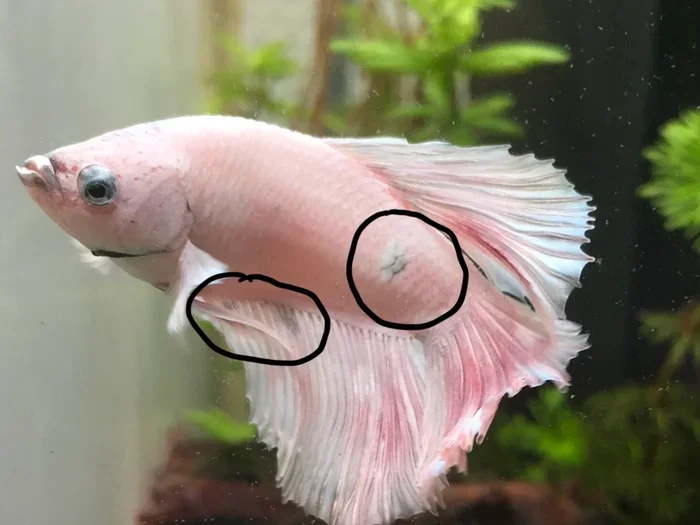
Knowing how to tell your betta fish is sick can save its life. Common warning signs include clamped fins, loss of appetite, faded colors, and unusual swimming behavior. Catching these betta fish sick symptoms early gives you the best chance to nurse your fish back to health.
Your betta fish is more than just a pet. It is a living creature that depends on you for its well-being every single day. When something goes wrong, your betta cannot tell you with words. That is why learning how to tell your betta fish is sick is one of the most important skills any betta owner can develop.
Whether you are a complete beginner or have kept bettas for years, illness can sneak up fast. The water temperature drops a few degrees. The filter stops working overnight. A new tank mate introduces stress. Any of these things can push your fish past its limits. The sooner you recognize the betta fish sick signs, the sooner you can take action.
This guide walks you through every major symptom, behavior change, and physical sign that points to a sick betta fish. You will learn what to look for, why these signs happen, and exactly what steps to take next. By the end, you will feel confident in your ability to protect your fish.
Key Takeaways
- Early detection matters: Spotting sick betta fish signs quickly leads to faster recovery and better outcomes.
- Physical symptoms are clear indicators: Look for clamped fins, color fading, spots, and bloating.
- Behavior changes tell a big story: Lethargy, hiding, and loss of appetite are major red flags.
- Water quality is often the root cause: Poor tank conditions can make your betta fish sick in days.
- Treatment is possible at home: Many common betta illnesses respond well to simple remedies.
- Prevention is easier than cure: Regular tank maintenance keeps your betta healthy and happy.
📑 Table of Contents
Common Physical Signs of a Sick Betta Fish
Physical changes are often the first thing you notice. Betta fish are naturally colorful and active. When something is wrong, their body sends clear signals. Paying attention to these betta fish symptoms can make all the difference.
Faded or Discolored Body
A healthy betta has vibrant, bright colors. When a sick betta fish starts losing its color, it is a warning sign. The body may look pale, white, or washed out. This fading happens because illness drains energy from the body. The fish stops producing the pigments that give it that beautiful hue.
Some diseases cause specific color changes. For example, ich appears as tiny white spots all over the body. Fin rot turns the edges of the fins brown or black. Red spots can indicate bacterial infections. Always compare your fish’s current appearance to how it looked a week or two ago.
Clamped Fins
Clamped fins are one of the most universal betta fish sick indicators. When a fish holds its fins tightly against its body instead of spreading them out, something is wrong. Healthy bettas display their fins proudly. They fan them out while swimming and resting.
Clamped fins can signal many things. Stress, poor water quality, and infections all cause this behavior. It is your fish’s way of trying to protect itself. If you notice clamped fins lasting more than a day, it is time to investigate further.
Swollen Belly or Bloating
A bloated belly is never a good sign. Dropsy is one of the most serious conditions that causes severe swelling. The scales may stick out like a pinecone. This condition requires immediate attention.
However, not all bloating is deadly. Constipation from overfeeding causes mild swelling. A betta that eats too much at once may look rounder than normal. The key difference is behavior. A constipated fish is still alert. A fish with dropsy becomes lethargic and loses its appetite completely.
Fins That Are Ragged or Falling Apart
Fin rot is a very common illness, especially in tanks with poor water quality. The edges of the fins look torn, frayed, or discolored. In mild cases, just the tips are affected. In severe cases, large chunks of the fin melt away.
Fin rot is caused by bacteria that thrive in dirty water. It also happens when a fish is stressed or injured. The good news is that mild fin rot is very treatable at home. You just need to fix the water and add the right medication.
Behavioral Changes That Signal Illness
Betta fish behavior tells you a lot about how they feel. These creatures are naturally curious and interactive. When a betta starts acting differently, it is trying to communicate something. Understanding these betta fish behavior changes is critical.
Lethargy and Low Energy
A healthy betta fish swims around its tank with purpose. It explores, builds bubble nests, and reacts to movement outside the tank. A sick betta fish becomes very lazy. It stays at the bottom of the tank or rests on the substrate.
Lethargy means your fish has very little energy. Fighting off an infection takes a lot out of the body. If your betta stops responding to food or your presence, take notice. This is one of the strongest betta fish sick signs you will see.
Hiding and Staying in One Spot
Betta fish are not natural hideers. They like to claim territory and show off. If your fish suddenly spends all its time behind a plant or in a corner, something is wrong. Hiding is a defense mechanism. The fish feels vulnerable and unsafe.
This behavior often goes hand in hand with lethargy. Your betta does not have the energy to move around. It just wants to stay still and conserve what little strength it has left.
Loss of Appetite
Betta fish are hungry little creatures. They will beg for food at feeding time. So when your betta refuses to eat, it is a serious red flag. A betta fish not eating for more than two days needs your attention.
Loss of appetite happens with almost every fish illness. Whether it is an infection, parasites, or stress, the body shuts down its hunger. If you notice this sign, check your water parameters immediately. Also, watch for other symptoms that can help you narrow down the cause.
Erratic Swimming or Gasping at the Surface
Watch how your betta moves through the water. Smooth, graceful swimming is normal. Darting, flipping, rubbing against objects, or gasping at the surface are not. These betta fish symptoms often point to water quality problems or parasites.
Gasping at the surface usually means the water has low oxygen. It can also signal ammonia poisoning. Both situations are dangerous and need quick fixes. Test your water right away if you see this behavior.
Common Diseases That Make Betta Fish Sick
Knowing the specific illness behind your fish’s symptoms helps you choose the right treatment. Here are the most common diseases that affect betta fish.
Fin Rot
Fin rot is a bacterial infection that eats away at the fins. It starts at the edges and works inward. Poor water quality is the number one cause. High ammonia and nitrate levels weaken the fish’s immune system, making it easy for bacteria to take hold.
Treating fin rot involves two steps. First, clean the tank and fix the water parameters. Second, use a bacterial medication available at most pet stores. Mild cases clear up in about a week with proper care.
Ich (White Spot Disease)
Ich is a parasitic infection that shows up as tiny white dots on the body and fins. It spreads very quickly and is highly contagious. The parasite is always present in tank water but only attacks fish that are stressed or sick.
Raising the tank temperature slightly helps speed up the ich life cycle. Medications containing malachite green or formalin work well. Quarantine any new fish before adding them to your main tank to prevent outbreaks.
Dropsy
Dropsy is one of the most severe conditions a betta can face. The body swells enormously, and the scales stand out in a pinecone pattern. It is caused by kidney failure, which leads to fluid buildup inside the body.
Unfortunately, dropsy has a low survival rate. Early detection gives the best chance. Epsom salt baths and antibacterial medications can help in some cases. But prevention through excellent water quality is always better than treatment.
Swim Bladder Disease
The swim bladder controls your betta’s buoyancy. When it malfunctions, the fish may float upside down, sink to the bottom, or struggle to stay upright. Overfeeding and constipation are the most common causes.
Treating swim bladder disease starts with a fasting period. Stop feeding for two to three days. Then offer a single pea (shelled) to help clear the digestive system. Avoid flake food for a few days, as it can expand in the stomach and cause problems.
How Water Quality Affects Betta Fish Health
The water your betta lives in is its entire world. Poor water quality is the leading cause of betta fish illness. Understanding this connection is the first step toward prevention.
Ammonia and nitrite are deadly even in small amounts. These chemicals build up from fish waste and uneaten food. A cycled tank with a working filter keeps these levels safe. But if the filter fails or you skip water changes, the numbers can spike dangerously fast.
Test your water at least once a week. A simple liquid test kit gives you accurate readings for ammonia, nitrite, nitrate, and pH. Keep ammonia and nitrite at zero. Nitrate should stay below 20 ppm. Stable pH between 6.5 and 7.5 is ideal for bettas.
Temperature also plays a huge role in betta fish health. Bettas are tropical fish and need warm water. The ideal range is 78 to 80 degrees Fahrenheit. Cold water weakens the immune system and makes your fish vulnerable to disease. Use a reliable heater and thermometer to keep conditions stable.
What to Do When Your Betta Fish Gets Sick
Finding out your fish is ill can feel overwhelming. But staying calm and acting quickly gives your betta the best shot at recovery. Here is exactly what you should do when you suspect something is wrong.
- Observe and document symptoms. Write down what you see. Note any changes in behavior, appearance, and eating habits. This helps you track progress and decide on treatment.
- Test the water immediately. Check ammonia, nitrite, nitrate, and pH levels. Poor water quality is often the hidden cause behind many betta fish sick situations.
- Quarantine if possible. If you have other fish, move the sick betta to a separate tank. This prevents the spread of disease and makes treatment easier.
- Choose the right treatment. Match the treatment to the symptoms. Bacterial infections need antibiotics. Parasites require anti-parasitic medication. Fungal infections need antifungal treatment.
- Monitor daily. Watch your fish closely for the next few days. Note any improvements or worsening symptoms. Adjust treatment as needed.
If you are unsure about the diagnosis, reach out to a knowledgeable aquarium expert or veterinarian. Many online fish forums and local fish stores can also offer helpful advice. The sooner you start treatment, the better the outcome.
Prevention Tips to Keep Your Betta Fish Healthy
Preventing illness is always easier than treating it. A few simple habits can keep your betta strong and vibrant for years. Here are the most effective ways to protect your fish.
- Perform regular water changes. Change 25 to 30 percent of the tank water every week. This removes waste and keeps chemical levels stable.
- Do not overfeed. Feed your betta two to three pellets twice a day. Remove any uneaten food after five minutes. Overfeeding causes constipation and fouls the water.
- Keep the tank clean. Vacuum the substrate during water changes. Wipe down the glass to prevent algae buildup. A clean environment supports a strong immune system.
- Maintain stable temperature. Use a quality heater and check it regularly. Sudden temperature swings stress the fish and weaken its defenses.
- Avoid aggressive tank mates. Bettas are solitary fish. They do not need companions and can become stressed by aggressive neighbors.
- Provide enrichment. Add plants, caves, and open swimming space. A stimulating environment keeps your betta mentally healthy and active.
For more tips on keeping your fish content and active, check out how to know if your betta fish is happy. Understanding what a healthy, happy betta looks like makes it much easier to spot the warning signs of illness early.
Also, learn more about how to care for sick betta fish to get detailed treatment advice for common conditions. And if your fish is showing signs of stress, understanding how to make your betta fish stronger can help build its immune system naturally.
When to Seek Professional Help
Most common betta illnesses respond well to home treatment. But some situations need professional care. If your fish stops eating completely for more than three days, that is a serious concern. If the body swells rapidly or the fish stops moving entirely, do not wait.
Fish veterinarians and experienced aquarists can provide advanced diagnostics. They can identify diseases that are hard to distinguish from symptoms alone. Do not hesitate to seek help when your instincts tell you something is seriously wrong.
Remember that every minute counts when dealing with a sick betta fish. Delaying treatment can turn a manageable condition into a life-threatening emergency. Trust your observations and act with confidence.
Conclusion
Learning how to tell your betta fish is sick is one of the most valuable things you can do as an owner. The signs are there if you know where to look. Physical changes like faded colors, clamped fins, and bloating tell a clear story. Behavioral shifts like lethargy, hiding, and refusing food confirm that something is wrong.
Water quality sits at the heart of most fish illnesses. Keeping the tank clean and parameters stable prevents many common problems. And when illness does strike, quick action with the right treatment gives your betta the best chance to recover.
Your betta fish trusts you to keep it safe. By staying attentive and informed, you can give it a long, healthy, and happy life. Watch closely, act fast, and never underestimate the power of early detection.
For more guidance on caring for your fish during illness, explore how to help a betta fish that is sick. You can also learn what to do when your betta fish won’t eat and how to keep your betta fish warm to support its recovery.
Frequently Asked Questions
How can I tell if my betta fish is sick?
Look for physical signs like faded colors, clamped fins, spots, or bloating. Also watch for behavior changes such as lethargy, hiding, loss of appetite, and erratic swimming. These betta fish sick signs are the most common indicators that something is wrong.
What are the first signs of a sick betta fish?
The first signs are usually loss of appetite, clamped fins, and staying in one spot more than usual. The fish may also look pale or dull compared to its normal vibrant colors. Catching these early betta fish symptoms gives you the best chance to intervene quickly.
Can a sick betta fish recover on its own?
Mild cases of stress or minor infections sometimes resolve if water quality improves. However, most illnesses need active treatment. Waiting too long can make things worse. Always take action as soon as you notice betta fish illness signs.
What should I do if my betta fish is not eating?
First, check the water temperature and quality. Then stop feeding for a day and offer a small amount of food the next day. If your betta still refuses to eat after two days, look for other symptoms and consider treatment. You can also find more advice on what to do when your betta fish won’t eat.
How do I prevent my betta fish from getting sick?
Keep the tank clean with regular water changes. Maintain stable temperature and water parameters. Do not overfeed and avoid overcrowding the tank. A clean, stable environment is the best defense against betta fish disease and stress.
Is it normal for a betta fish to sleep a lot?
Betta fish do sleep, and they may rest more at night or in dim light. However, if your fish seems excessively tired and unresponsive, it could be a sign of illness. Use the betta fish sick guide above to compare normal rest with abnormal lethargy.