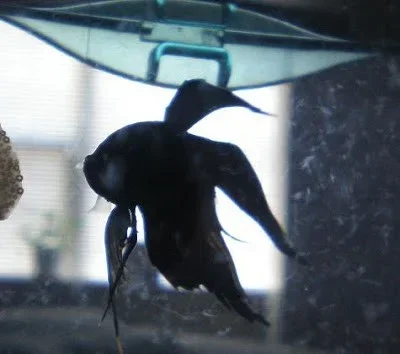
How to Take Care of a Betta Fish When It'

Knowing how to take care of a betta fish when it shows signs of distress can save its life. This guide covers the most common problems betta fish face, from illness and stress to loss of appetite, and gives you clear, actionable steps to help your fish recover. You’ll learn how to spot warning signs early, set up the right tank environment, and provide proper treatment at home.
Key Takeaways
- Early detection matters: Catching symptoms of illness or stress quickly gives your betta the best chance of recovery.
- Water quality is everything: Regular water changes and proper temperature keep your betta fish healthy and resilient.
- Stress causes most health problems: Understanding what stresses your betta helps you prevent diseases before they start.
- Home treatment works for many common issues: Salt baths, medication, and habitat adjustments can resolve most betta fish problems.
- Prevention is easier than cure: A clean tank, proper diet, and stable environment keep your betta thriving long-term.
📑 Table of Contents
- How to Take Care of a Betta Fish When It’s Struggling
- Spotting the Warning Signs Early
- Common Betta Fish Health Problems and How to Fix Them
- Setting Up the Right Environment for Recovery
- Daily Care Routine for a Sick Betta Fish
- Preventing Future Health Problems
- When to See a Veterinarian
- Final Thoughts on Caring for a Sick Betta
How to Take Care of a Betta Fish When It’s Struggling
Your betta fish is acting strange. Maybe it’s hiding in the corner. Maybe it’s not eating. Perhaps its fins look clamped or its color has faded. When this happens, it’s scary. But the good news is that most betta fish problems are treatable if you act fast. This guide walks you through exactly what to do when your betta needs help.
Betta fish are hardy creatures, but they’re not indestructible. Poor water quality, temperature swings, and disease can all take a toll. The key is knowing what signs to look for and what steps to take. Whether your betta fish is showing early warning signs or full-blown symptoms, this article gives you the tools to help.
We’ll cover everything from recognizing common betta fish illness symptoms to setting up the ideal betta fish tank environment. By the end, you’ll feel confident in your ability to nurse your fish back to health and keep it thriving for years to come.
Spotting the Warning Signs Early
The sooner you notice something is wrong, the better the outcome. Betta fish are good at hiding illness until it becomes serious. So you need to pay close attention to their daily behavior and appearance.
Changes in Eating Habits
If your betta fish stops eating, that’s a red flag. Healthy bettas are eager eaters. A betta that refuses food for more than two days needs attention. Try offering different types of betta fish food like pellets, frozen bloodworms, or brine shrimp. Sometimes a simple diet change sparks their appetite back.
Physical Symptoms to Watch For
Look closely at your betta’s body and fins. Common signs of a sick betta include:
- Clamped fins — fins held close to the body
- Faded or dull color — loss of vibrant hues
- White spots on the body — a sign of ich
- Labored breathing — rapid or gasping at the surface
- Swollen body — possible signs of dropsy or bloating
- Curled or ripped fins — fin rot or physical damage
Behavioral Changes That Matter
A healthy betta is curious and active. If your fish suddenly becomes lethargic, hides constantly, or stays at the bottom of the tank, something is wrong. Lethargy in betta fish often points to poor water conditions or illness. On the flip side, erratic darting or flashing against objects can signal parasites or irritation.
Common Betta Fish Health Problems and How to Fix Them
Betta fish face several common health issues. Understanding each one helps you choose the right treatment. Here are the problems you’re most likely to encounter.
Fin Rot
Fin rot is one of the most common betta fish diseases. It causes the edges of the fins to look ragged, white, or red. Poor water quality is usually the culprit. Bacteria attack weakened fins, especially when the tank environment is unstable.
To treat fin rot, start with a water change. Replace 25 to 50 percent of the betta fish water immediately. Add aquarium salt to the tank — about one teaspoon per gallon. If the rot doesn’t improve in a few days, consider a bacterial medication designed for bettas. Keep the water warm and stable, around 78 to 80 degrees Fahrenheit.
Ich (White Spot Disease)
Ich shows up as tiny white spots all over the body and fins. It’s caused by a parasite that thrives in stressed fish. Treating ich early is critical because it spreads fast and can be fatal if ignored.
The best approach is raising the tank temperature to 82 degrees Fahrenheit gradually. This speeds up the parasite’s life cycle. Add aquarium salt and consider an ich-specific medication. Perform small water changes daily during treatment to keep the environment clean.
Stress and Its Effects
Stress weakens a betta’s immune system, making it vulnerable to every kind of disease. A stressed betta fish may lose color, stop eating, or breathe rapidly. Common causes include aggressive tank mates, sudden water changes, bright lights, or a cramped betta fish bowl.
To reduce stress, give your betta a calm environment. Use gentle lighting. Keep the tank at least 5 gallons. Avoid housing male bettas together. If you need to know more about why bettas get stressed, check out why betta fish can be challenging to care for — understanding the root causes helps you prevent problems.
Constipation and Bloating
A swollen belly in a betta fish often means constipation. This happens when a betta eats too much or gets too many dry foods without variety. A constipated betta may have trouble swimming or look bloated near the tail area.
The easiest fix is a day of fasting. Skip feeding for 24 to 48 hours. After that, offer a single thawed pea (remove the skin). This acts as a natural laxative. You can also give your betta a betta fish salt bath to help with digestion and mild infections.
Setting Up the Right Environment for Recovery
A sick betta needs a clean, stable habitat. Think of the betta fish tank as a healing space. Every detail matters — from water temperature to the size of the bowl.
Water Temperature and Quality
Betta fish are tropical creatures. They need warm water between 76 and 82 degrees Fahrenheit. Cold water slows their metabolism and weakens their immune system. If you don’t have a heater, learn how to keep your betta warm without a heater using warm towels or placing the tank in a warm room.
Test the water parameters regularly. Ammonia and nitrite should always read zero. Nitrate should stay below 20 ppm. Preparing the right water before adding it to the tank makes a huge difference in your betta’s recovery speed.
Tank Size and Setup
A larger tank is more stable and easier to maintain. A 5-gallon tank is the minimum for a single betta. Smaller bowls fluctuate in temperature and chemical levels much faster, which stresses the fish.
Add gentle live plants like java moss or anacharis. These help filter the water naturally and provide hiding spots. Avoid sharp decorations that can tear delicate betta fins. A soft substrate and smooth gravel work best for a healing environment.
When to Quarantine a Sick Betta
If your betta has a contagious disease like ich, consider moving it to a separate quarantine tank. This prevents the illness from spreading to other fish. A simple 1-gallon hospital tank with a sponge filter and gentle heater works perfectly. Keep the quarantine tank in a quiet, low-light area to reduce stress.
Daily Care Routine for a Sick Betta Fish
When your betta is unwell, your daily routine needs to change slightly. Extra attention during this period speeds up recovery and prevents setbacks.
- Check the temperature every morning. Use a reliable aquarium thermometer. Sudden drops can worsen illness.
- Perform small water changes daily. Replace about 10 to 20 percent of the water with pre-treated, temperature-matched water.
- Observe your betta’s behavior. Note any improvements or worsening symptoms. Write it down if it helps you track progress.
- Feed small, frequent meals. Offer a tiny amount of high-quality betta pellets or frozen food once or twice a day. Remove any uneaten food after five minutes.
- Add aquarium salt as needed. Salt baths help with mild infections and fin damage. Use one teaspoon per gallon for treatment tanks.
Quick Tips for Sick Betta Fish
- Always wash your hands before handling tank water or equipment.
- Never use soap or detergents near the betta fish tank.
- Keep the tank away from direct sunlight and drafty windows.
- Turn off loud music or vibrations near the tank — bettas are sensitive to noise.
- Be patient. Recovery takes time, often one to two weeks.
Preventing Future Health Problems
The best way to care for a betta fish is to prevent problems before they start. A proactive approach saves you time, money, and most importantly, keeps your fish happy and healthy.
Maintain Consistent Water Changes
Perform a 25 percent water change every week. This removes waste buildup and keeps the betta fish water fresh. Use a gravel vacuum to clean the substrate without disturbing beneficial bacteria.
Feed a Balanced Diet
Variety is key to a healthy betta. Rotate between high-quality pellets, frozen bloodworms, brine shrimp, and daphnia. Avoid overfeeding — uneaten food decays quickly and pollutes the water. A good rule is to feed only what your betta can eat in two minutes.
Keep the Tank Stable
Fluctuations in temperature and water chemistry stress bettas. Use a reliable heater and a gentle filter. Test water parameters weekly with a liquid test kit. Stable conditions are the foundation of good betta fish care.
Choose Tank Mates Carefully
Not all fish get along with bettas. Avoid aggressive or nippy species. Good tank mates include snails, ghost shrimp, and certain small Corydoras catfish in larger tanks. Always research compatibility before adding new fish.
When to See a Veterinarian
Most betta fish problems respond well to home treatment. But some situations need professional help. If your betta shows no improvement after two weeks of treatment, or if symptoms worsen rapidly, consult a fish veterinarian. Severe cases of dropsy, internal infections, or physical injuries may require prescription medications that aren’t available over the counter.
Don’t wait too long either. A betta fish that stops moving, stops breathing at the surface, or turns completely white may be in critical condition. Quick action gives the best chance of a full recovery.
Final Thoughts on Caring for a Sick Betta
Learning how to take care of a betta fish when it’s struggling is one of the most rewarding parts of fish keeping. Your attention and quick response make all the difference. Start by observing your betta closely every day. Catch problems early. Treat them promptly with clean water, proper temperature, and targeted medication when needed.
Remember, a healthy betta fish lives 3 to 5 years with good care. By following the steps in this guide, you give your betta the best possible chance at a long, happy life. Keep the tank clean, the water warm, and the environment stress-free. Your betta will thank you with vibrant colors and lively behavior.
If you want to dive deeper into general betta care, check out our complete guide on how to take care of a betta fish for more tips on daily maintenance and long-term health.
Frequently Asked Questions
Why is my betta fish not eating?
Betta fish stop eating for several reasons, including stress, poor water quality, low temperature, or illness. Try offering different foods and check your tank parameters first. If your betta still refuses food after two days, test the water and look for other symptoms of sickness.
How do I know if my betta fish is dying?
Signs of a dying betta include extreme lethargy, loss of color, labored breathing, inability to swim, and staying at the bottom or floating at the top. If you notice these symptoms, act quickly by checking water quality and temperature. Immediate water changes and a salt bath can sometimes reverse the situation.
Can I use tap water for my betta fish?
Yes, but you must treat it first. Tap water contains chlorine and chloramine that are harmful to bettas. Use a water conditioner or dechlorinator before adding tap water to the tank. Let the water sit for 24 hours if you don’t have conditioner on hand.
How often should I clean a betta fish bowl?
Clean the bowl at least once a week with a 25 percent water change. For smaller bowls under 3 gallons, you may need to change water more frequently. Always use a gentle gravel vacuum and match the new water temperature to the existing tank water.
What temperature is best for a betta fish tank?
The ideal temperature range is 78 to 80 degrees Fahrenheit. This keeps your betta’s immune system strong and metabolism working properly. Use an adjustable aquarium heater to maintain a stable temperature and avoid sudden fluctuations.
How can I tell if my betta fish is stressed?
Stressed bettas show signs like faded color, clamped fins, hiding constantly, rapid breathing, or loss of appetite. Common causes include poor water quality, bright lights, aggressive tank mates, or an undersized tank. Addressing the root cause and providing a calm environment usually resolves the stress quickly.