Will My Betta Fish Eat My Shrimp

Betta fish are curious predators, but whether they’ll eat your shrimp depends on size, temperament, and tank conditions. By choosing the right shrimp species, providing plenty of hiding spots, and monitoring feeding habits, you can often enjoy a peaceful community tank.
Key Takeaways
- Size matters: Larger bettas are more likely to chase and eat small shrimp.
- Species selection: Some shrimp, like Amano or larger Cherry shrimp, are better suited to coexist with bettas.
- Tank setup is crucial: Dense plants and caves give shrimp places to hide.
- Feeding routine: A well‑fed betta is less likely to hunt live prey.
- Observe behavior: Watch for aggression early and be ready to separate if needed.
- Water parameters: Keep temperature and pH in ranges both species love.
- Backup plan: Have a separate shrimp-only tank ready just in case.
📑 Table of Contents
- Introduction: The Betta‑Shrimp Question
- 1. Understanding Betta Behavior
- 2. Shrimp 101: Species and Size
- 3. Setting Up a Betta‑Friendly Shrimp Tank
- 4. Feeding Strategies to Reduce Predation
- 5. Monitoring and Managing Interaction
- 6. Real‑World Success Stories and Common Pitfalls
- Conclusion: Can You Keep Betta Fish and Shrimp Together?
Introduction: The Betta‑Shrimp Question
If you’ve ever set up a community aquarium, you’ve probably wondered, “will my betta fish eat my shrimp?” It’s a common concern because bettas are known for their feisty personalities and sharp mouths. At the same time, shrimp are fascinating clean‑up crew members that add color and activity to the tank. The good news? With the right choices, you can often keep both together safely.
In this guide we’ll break down the biology of bettas, the habits of popular aquarium shrimp, and the practical steps you can take to minimize risk. By the end, you’ll know exactly what to look for, how to set up your tank, and when to intervene if the betta gets a little too curious.
1. Understanding Betta Behavior
1.1 Natural hunting instincts
Bettas (Betta splendens) are native to shallow, slow‑moving waters of Thailand. In the wild they hunt tiny insects, larvae, and small crustaceans. Their mouths are designed for a quick, upward strike, which makes them natural predators of anything that fits in their gape.
1.2 Personality differences
Not every betta is the same. Some are laid‑back and will ignore slow‑moving tank mates, while others are ultra‑aggressive and will chase anything that moves. Genetics, early handling, and tank environment all shape a betta’s temperament.
1.3 Feeding habits
A well‑fed betta is less likely to hunt live food. In the wild they get a varied diet, but in captivity they often receive pellets, frozen foods, and occasional treats. Over‑feeding can cause health issues, so it’s best to give small, frequent meals that satisfy their hunger without leaving excess food floating.
2. Shrimp 101: Species and Size
2.1 Common freshwater shrimp for betta tanks
- Cherry shrimp (Neocaridina davidi): Small (2‑3 cm), colorful, easy to breed.
- Amano shrimp (Caridina multidentata): Larger (4‑5 cm), excellent algae eaters.
- Ghost shrimp (Palaemonetes sp.): Transparent, 3‑4 cm, often used as feeder shrimp.
2.2 Why size matters
If a shrimp can slip into a crack or hide under a leaf, a betta is less likely to see it as food. Larger shrimp (like Amano) are often too big for a betta’s mouth, while tiny Cherry shrimp hatchlings can be easy targets.
Visual guide about Will My Betta Fish Eat My Shrimp
Image source: res.cloudinary.com
2.3 Shrimp temperament
Most freshwater shrimp are shy and will scuttle away at the first sign of danger. Providing plenty of cover reduces stress and makes them less visible to an inquisitive betta.
3. Setting Up a Betta‑Friendly Shrimp Tank
3.1 Tank size and shape
A minimum of 10 gallons is recommended for a betta‑shrimp community. A longer tank gives shrimp more horizontal space to hide, while a tall tank can limit a betta’s ability to chase them.
Visual guide about Will My Betta Fish Eat My Shrimp
Image source: hnrb.voc.com.cn
3.2 Planting and décor
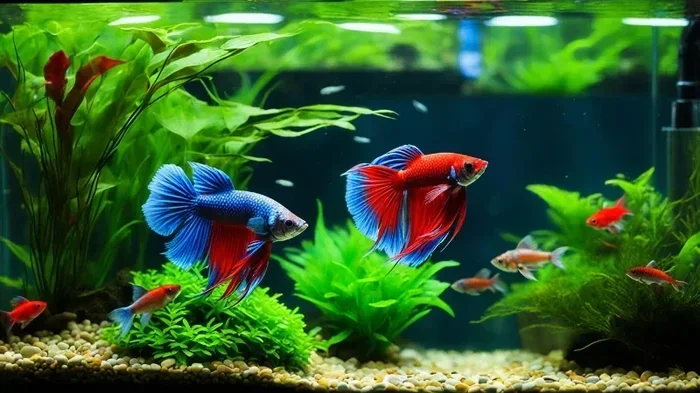
Dense planting is the single most effective way to protect shrimp. Use fast‑growing stem plants like Java fern, Hornwort, or Amazon swords. Add driftwood, caves, and PVC tubes for extra hiding spots.
3.3 Water parameters
Both bettas and most shrimp thrive at 76‑80 °F (24‑27 °C) and a pH of 6.5‑7.5. Keep ammonia and nitrite at zero; even small spikes can stress shrimp more than bettas.
3.4 Lighting
Moderate lighting (8‑10 hours) encourages plant growth without making the tank too bright for shy shrimp.
4. Feeding Strategies to Reduce Predation
4.1 Feed the betta first
Give your betta a small portion of high‑quality pellets or frozen bloodworms right after a water change. This satisfies its hunting drive before you add shrimp food.
4.2 Separate feeding areas
Use a feeding ring or a small cup placed in a corner where the betta can’t reach the shrimp. Drop finely crushed algae wafers or blanched vegetables for the shrimp to graze on.
4.3 Offer live foods wisely
Occasionally feeding live daphnia or brine shrimp can keep the betta’s predatory instincts satisfied, but do it sparingly to avoid encouraging a habit of hunting tank mates.
5. Monitoring and Managing Interaction
5.1 Watch for signs of aggression
Typical warning signs include the betta flaring his fins, darting toward the shrimp, or nipping at plants where shrimp hide. If you see these behaviors, consider a temporary divider.
5.2 Using a tank divider
Clear acrylic dividers let you keep the betta and shrimp in the same water while preventing contact. This is a great way to let both adjust to each other’s presence.
5.3 When to separate permanently
If the betta repeatedly attacks despite ample hiding spots and feeding adjustments, it’s kinder to house the shrimp in a separate tank. A small 5‑gallon “shrimp nursery” can serve as a safe backup.
6. Real‑World Success Stories and Common Pitfalls
66.1 Success story: Amano shrimp with a calm betta
John from Texas kept a 12‑gallon community tank with a semi‑aggressive betta and a group of five Amano shrimp. He used a dense carpet of Java moss and fed the betta a pellet twice daily. After two weeks the shrimp were thriving, and the betta showed no interest in hunting them.
6.2 Pitfall: Overcrowding
Adding too many shrimp to a small tank can increase competition for food and force shrimp into open water, making them easy targets. Keep the shrimp population proportional to tank size (no more than 5‑6 adult Cherry shrimp per 10 gallon).
6.3 Pitfall: Temperature mismatch
Some shrimp species prefer cooler water (70‑74 °F). Raising the temperature to suit a betta can stress the shrimp, making them sluggish and more likely to be caught.
Conclusion: Can You Keep Betta Fish and Shrimp Together?
The short answer to “will my betta fish eat my shrimp?” is: it depends. A large, well‑fed betta with a calm temperament can often share a tank with medium‑sized shrimp if you provide plenty of plants, rocks, and separate feeding zones. However, aggressive bettas or very small shrimp increase the risk of predation.
Start with a modest setup, observe daily, and be ready to adjust. With patience and the right choices, many hobbyists enjoy a vibrant tank where the betta shows off its fin flare while shrimp scuttle around cleaning up leftovers. Remember, the health and happiness of both species are the ultimate goal.
Frequently Asked Questions
Will my betta fish eat my shrimp?
It can, especially if the shrimp are small and the betta is hungry or aggressive. Larger shrimp and a well‑fed, calm betta reduce the risk.
What shrimp species are safest with bettas?
Amano shrimp and larger Cherry shrimp (adult size) are generally safer because they are bigger and faster than tiny baby shrimp.
How can I protect shrimp in a betta tank?
Provide dense plants, caves, and separate feeding areas. Feeding the betta first and keeping water parameters stable also helps.
Do bettas need to be fed live food?
No. High‑quality pellets, frozen foods, and occasional treats are sufficient. Over‑reliance on live food can increase hunting behavior toward tank mates.
Can I keep more than one betta with shrimp?
It’s not recommended. Male bettas are territorial and may become more aggressive when another male is present.
What should I do if my betta starts attacking shrimp?
Immediately use a tank divider or move the shrimp to a separate tank. Re‑evaluate tank setup, feeding schedule, and consider a different shrimp species.
=== INTERNAL LINKS ===
For more detailed guidance, read our article on Can You Keep Betta Fish With Shrimp, learn Will Betta Fish Eat Shrimp, and explore What Can Betta Fish Eat for a broader view of diet compatibility.