How to Tell a Betta Fish Is Happy
Knowing how to tell a betta fish is happy helps you keep your pet healthy and vibrant. Happy bettas show bright colors, active swimming, and a strong appetite. You can spot the signs by watching their behavior, checking water conditions, and looking for bubble nests. This guide covers every easy-to-spot indicator so you can confidently care for your betta.
Watching your betta fish swim around its tank can bring you joy every single day. But have you ever stopped and wondered, “Is my betta actually happy?” It is a great question. Many fish owners assume their fish is fine, but betta fish behavior can tell you a lot about how your pet truly feels.
Understanding the signs of a happy betta fish is not hard. You just need to know what to look for. In this guide, we will walk you through every easy-to-spot sign. You will learn about colors, activity levels, eating habits, and more. By the end, you will feel confident knowing whether your betta is thriving or needs a little extra care.
Betta fish happiness depends on several factors. Water quality, tank setup, feeding routine, and enrichment all play a role. Let us dive into the details so you can give your fish the best life possible.
Key Takeaways
- Bright, vibrant colors: A happy betta displays rich, vivid fins and body coloration.
- Active swimming patterns: Healthy bettas move confidently and explore their tank.
- Good appetite: Eating eagerly is one of the clearest signs of a content betta fish.
- Bubble nest building: Building bubbles shows your betta feels safe and comfortable.
- Relaxed body posture: Drooping fins and a curved body can signal stress or illness instead.
- Clean water matters: Proper water conditions directly impact your betta’s mood and health.
📑 Table of Contents
- Why Knowing If Your Betta Is Happy Matters
- Top Signs Your Betta Fish Is Happy
- What Makes a Betta Fish Happy?
- Common Mistakes That Make Betta Fish Unhappy
- How to Tell If Your Betta Is Stressed Instead of Happy
- Building a Bond With Your Happy Betta
- When to Be Concerned About Your Betta’s Happiness
- Final Thoughts on Keeping Your Betta Happy
Why Knowing If Your Betta Is Happy Matters
A happy betta fish lives longer and stays healthier. Fish that are stressed or unhappy are more likely to get sick. When you learn to read your betta’s body language, you can catch problems early. This saves you time, money, and most importantly, it saves your fish from unnecessary suffering.
Happy bettas also display their best colors. A content fish will have vibrant colors that make it stand out. A stressed or sick betta often looks dull and faded. So paying attention to how your fish looks and acts is one of the best things you can do as an owner.
The Link Between Environment and Happiness
Your betta’s tank is its entire world. If the betta fish tank conditions are not right, your fish will feel stressed. Things like water temperature, cleanliness, and space all matter. A well-set-up tank gives your betta the comfort it needs to feel safe and happy.
Think of it this way. You would not feel happy in a dirty, cramped room with no light. Your betta feels the same way. Giving it a clean, warm, and interesting environment makes a huge difference. If you want to learn more about setting up the right home, check out our guide on how to set up a fish tank for betta fish.
Top Signs Your Betta Fish Is Happy
Now let us get into the fun part. How can you actually tell if your betta is happy? Here are the most reliable signs to watch for.
1. Vibrant and Bright Colors
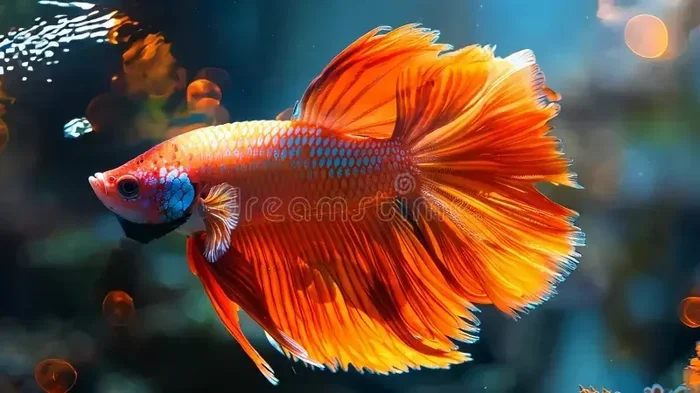
A happy betta fish shows off its full color palette. The fins will look rich and vivid. Blues will look deep, reds will look bright, and greens will shimmer. If your betta’s colors look faded or washed out, something might be wrong.
Several things can cause color loss. Stress, poor water quality, and illness are the main culprits. But if your fish is eating well and swimming actively, bright colors are usually a great sign. This is one of the first things you should check when you want to tell if your betta fish is happy.
2. Active and Curious Swimming
A happy betta loves to explore. You will see it swimming around the whole tank. It might investigate plants, decorations, and even check out the glass. This kind of betta fish activity level shows your fish feels comfortable and curious about its world.
Watch how your betta moves. A healthy fish swims smoothly and gracefully. It does not struggle or stay in one corner all the time. If your fish darts around, plays with bubbles, and interacts with its environment, that is a wonderful sign of happiness.
3. Strong and Healthy Appetite
Food is a big deal for bettas. A happy betta will get excited at feeding time. It will swim to the top and eat eagerly. A healthy betta appetite is one of the clearest indicators that everything is going well.
On the other hand, if your fish ignores food or only picks at it, pay attention. Loss of appetite can signal stress, illness, or poor water conditions. Make sure you are feeding high-quality food in the right amounts. Overfeeding can be just as bad as underfeeding.
4. Building a Bubble Nest
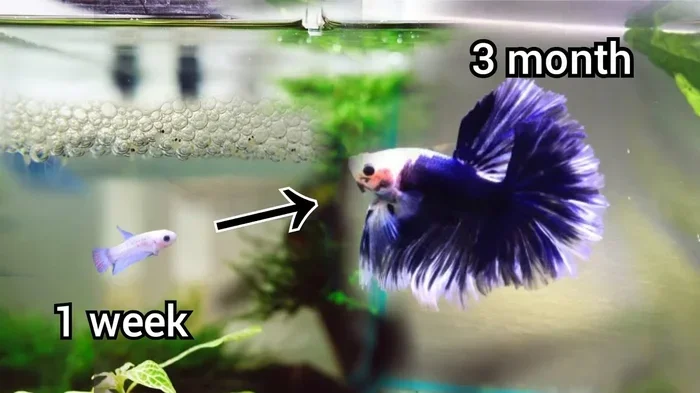
This is one of the most exciting signs. Male bettas build bubble nests on the surface of the water. It means they feel safe and comfortable in their environment. A bubble nest shows your betta is not just alive but truly thriving.
Not all bettas build bubble nests, and that is okay too. Some fish are just less inclined to build them. But if you notice a nice cluster of bubbles near the surface, take it as a compliment. Your fish feels right at home.
5. Relaxed Body Posture
How your betta holds its body tells you a lot. A happy betta holds its fins open and swims with a relaxed posture. Its fins will flow naturally behind it as it moves. The body will look streamlined and smooth.
Watch for clamped fins, which means the fish holds its fins close to its body. This is a sign of stress or illness. A curved or hunched body shape is also a warning sign. Keeping an eye on body posture helps you understand your fish’s mood and health.
What Makes a Betta Fish Happy?
Now that you know the signs, let us talk about how to create those happy conditions. A few simple changes can make a world of difference for your fish.
Keep the Water Clean and Warm
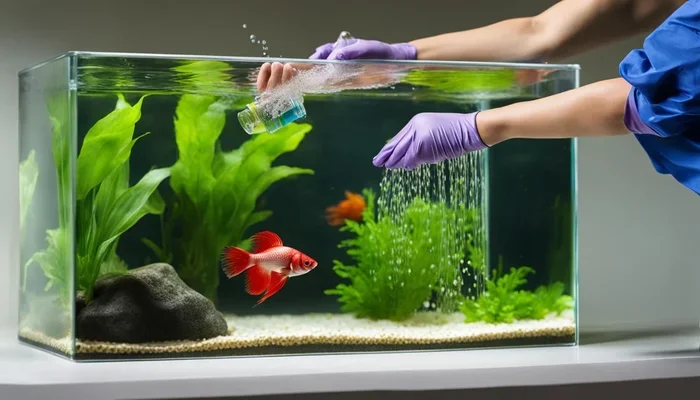
Water quality is the foundation of betta fish wellbeing. Bettas need warm water between 76 and 82 degrees Fahrenheit. Use a heater to keep the temperature stable. Clean water prevents diseases and keeps your fish feeling good.
You should also test the water regularly for ammonia, nitrite, and nitrate levels. High ammonia levels are dangerous and can make your fish very sick. If you are unsure about water care, read our article on how to take care of betta fish water for detailed tips.
Give Your Betta Enough Space
Many people keep bettas in tiny bowls, and this is a common mistake. Bettas need at least 5 gallons of water to truly thrive. A larger tank gives them room to swim and explore. It also makes it easier to keep the water clean and stable.
If you have a small bowl right now, consider upgrading. Your betta will thank you with better colors, more energy, and a longer life. Space matters more than most people realize.
Add Enrichment and Stimulation
Bettas are curious creatures. They enjoy having things to explore in their tank. Live plants, caves, and gentle decorations give your fish mental stimulation. This helps prevent boredom and keeps your betta engaged.
You can also try floating plants or a gentle current. Some bettas enjoy playing with bubbles from an air stone. Just make sure the current is not too strong, as bettas prefer calm water. Adding variety to their environment keeps them mentally sharp and happy.
Feed a Balanced Diet
What you feed your betta directly affects its mood and health. High-quality betta pellets should be the staple of their diet. You can also offer frozen or live foods like bloodworms and brine shrimp as treats.
Feeding variety keeps your fish interested in food and ensures it gets all the nutrients it needs. Avoid feeding only flakes, as they lack the nutrition bettas need. A good feeding schedule is twice a day, small amounts each time.
Common Mistakes That Make Betta Fish Unhappy
Knowing what to avoid is just as important as knowing what to do. Here are some common mistakes that can make your betta stressed and unhappy.
- Keeping the tank too small: Tiny bowls restrict movement and make water quality hard to maintain.
- Ignoring water changes: Dirty water leads to stress, disease, and poor color.
- Overcrowding the tank: Bettas are solitary fish and do not like tank mates that are too active or nippy.
- Feeding too much: Overfeeding causes bloating and dirty water, both of which stress your fish.
- Placing the tank in a noisy spot: Loud noises and constant vibrations can scare your betta and keep it stressed.
- Using cold water: Bettas need warm water. Cold water slows their metabolism and weakens their immune system.
Avoiding these mistakes puts you on the right path. Your betta will feel safer, eat better, and show off its beautiful colors more often.
How to Tell If Your Betta Is Stressed Instead of Happy
Sometimes it helps to know the opposite of happiness. Betta fish stress signs include hiding, staying at the bottom of the tank, clamped fins, and loss of color. A stressed fish may also gasp at the surface or swim erratically.
If you notice these signs, check your water parameters first. Poor water quality is the number one cause of stress in bettas. Next, look at the tank setup. Are there aggressive tank mates? Is the lighting too bright? Making changes to these factors can quickly improve your fish’s mood.
If you suspect your fish is not just stressed but actually sick, you should act fast. Learn how to tell if your betta fish is sick so you can catch illnesses early and get your fish the help it needs.
Building a Bond With Your Happy Betta
Once your betta is happy, you can start building a stronger connection. Happy bettas often recognize their owners. They may swim to the front of the tank when you approach or watch you from near the glass.
Spending time near the tank and talking softly to your fish helps build trust. You can also try hand-feeding as a bonding activity. Just be patient and let your fish come to you at its own pace. For more tips on strengthening this connection, check out our guide on how to grow a bond with your betta fish.
A bonded betta is a happy betta. The more comfortable your fish feels around you, the more active and colorful it will become. This bond makes caring for your fish even more rewarding.
When to Be Concerned About Your Betta’s Happiness
Even with the best care, things can go wrong sometimes. You should be concerned if your betta suddenly stops eating, hides constantly, or shows signs of illness. These changes often happen quickly and need your attention.
If you notice any of these warning signs, test your water first. Then observe your fish closely for other symptoms. A fish that is not eating and looks pale needs help fast. In serious cases, you may need to learn how to tell if your betta fish is dying so you can take the right action.
Early intervention makes a big difference. Most problems are fixable if you catch them in time. Trust your instincts as an owner. You know your fish better than anyone.
Final Thoughts on Keeping Your Betta Happy
Learning how to tell a betta fish is happy is one of the most valuable skills you can develop as a fish owner. A happy betta shows bright colors, active swimming, a good appetite, and a relaxed body. These signs tell you that your care routine is working and your fish is thriving.
Keep the water clean and warm. Give your fish enough space and mental stimulation. Feed a balanced diet and watch for any changes in behavior. When you get these basics right, your betta will reward you with vibrant colors and lively energy every single day.
Remember, a happy betta is a healthy betta. Take the time to observe your fish daily. Small adjustments to the tank and routine can lead to big improvements in your fish’s quality of life. Your betta depends on you for everything, and the effort you put in will be worth every moment you spend watching your colorful companion swim with joy.
Frequently Asked Questions
How can I tell if my betta fish is happy or sad?
A happy betta shows bright colors, active swimming, and a good appetite. A sad or stressed betta may look dull, hide often, and refuse food. Watching your fish’s daily behavior gives you the clearest answer.
What does a happy betta fish look like?
A happy betta has vibrant, rich colors and flows its fins gracefully while swimming. Its body looks streamlined and relaxed, and it moves confidently around the tank without staying in one spot.
Do betta fish get happy when they build bubble nests?
Yes, building a bubble nest is a strong sign your betta feels safe and comfortable. It means the fish is in a good mood and confident in its environment. Not all bettas build nests, but those that do are usually very content.
How often should I check if my betta is happy?
You should observe your betta daily. Spend a few minutes each day watching how it swims, eats, and interacts with its surroundings. Regular observation helps you catch any changes early.
Can a betta fish be happy in a small bowl?
A small bowl is not ideal for a betta’s happiness. Bettas need at least 5 gallons of water to thrive. A larger tank with proper filtration and heating gives your fish the space and stability it needs to stay happy and healthy.
What should I do if my betta fish stops showing signs of happiness?
First, test your water parameters to make sure the tank conditions are right. Check the temperature and cleanliness. If the water is fine, look for signs of illness and consider consulting a vet who specializes in fish.