Can Gold Fish Go with Bettas

Goldfish and bettas should not be kept together in the same tank. These two popular fish have completely different temperature needs, water conditions, and temperaments that make cohabitation dangerous. Understanding why they are incompatible will help you create a safe, healthy home for both species separately.
Key Takeaways
- Temperature mismatch: Bettas need warm water (76-82°F) while goldfish thrive in cooler water (65-72°F), making it impossible to keep both comfortable in one tank.
- Water quality differences: Goldfish produce enormous amounts of waste that quickly pollutes the water, creating toxic conditions for sensitive bettas.
- Temperament conflicts: Bettas are territorial and aggressive, while goldfish are slow and peaceful, leading to stress and potential injury for both.
- Dietary incompatibility: Goldfish and bettas require different foods and feeding schedules, making proper nutrition difficult in a shared environment.
- Space requirements: Goldfish need much larger tanks than bettas, and cramming them together in inadequate space causes health problems for both species.
- Disease transmission: Goldfish can carry pathogens that don’t affect them but can seriously harm or kill bettas with compromised immune systems.
- Better alternatives exist: There are many peaceful, warm-water fish species that make excellent tank mates for bettas instead of goldfish.
📑 Table of Contents
- Can Goldfish and Bettas Live Together? The Complete Answer
- Understanding Betta Fish Requirements
- Understanding Goldfish Requirements
- Why Goldfish and Bettas Are Incompatible
- Health Risks of Mixing Species
- Better Alternatives for Betta Tank Mates
- Creating the Perfect Environment for Each Species
- Frequently Asked Questions
- Conclusion
Can Goldfish and Bettas Live Together? The Complete Answer
If you’re wondering whether goldfish can go with bettas, you’re not alone. This is one of the most common questions new fish keepers ask. After all, both are beautiful, popular, and widely available at pet stores. It seems logical that they could share a tank, right?
Unfortunately, the answer is a firm no. Goldfish and bettas should never be housed together. While both are freshwater fish, their needs are so different that keeping them in the same aquarium creates serious problems for both animals. Let me walk you through exactly why this combination doesn’t work and what you should do instead.
Understanding the specific needs of each species is crucial for responsible fish keeping. When you learn what makes bettas and goldfish unique, the reasons for keeping them separate become crystal clear. This knowledge will help you create the best possible environment for whichever fish you choose to keep.
Understanding Betta Fish Requirements
Temperature Needs
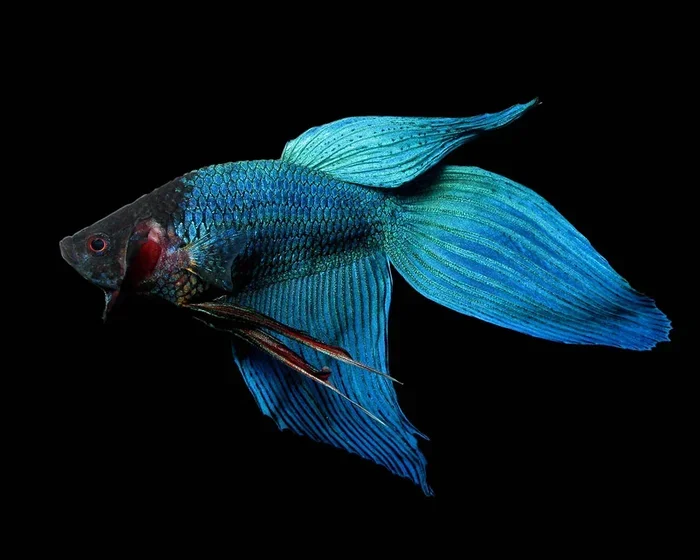
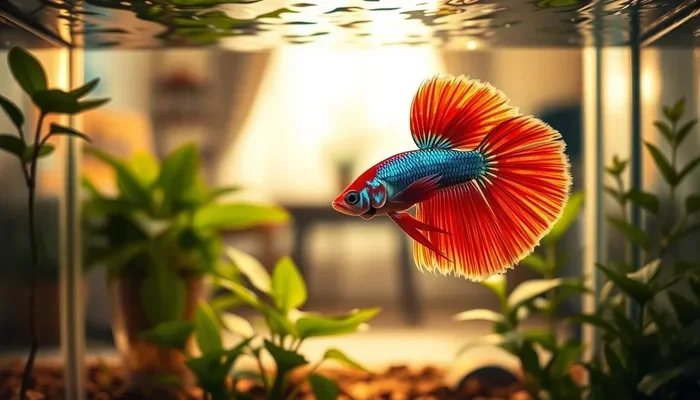
Bettas are tropical fish native to the warm waters of Southeast Asia. They thrive in temperatures between 76°F and 82°F. Their bodies are designed to function in consistently warm environments, and anything below 74°F starts to cause serious problems.
When bettas get too cold, their immune systems weaken dramatically. They become susceptible to diseases like ich and fin rot. Cold water also slows their metabolism, making them lethargic and uninterested in food. Prolonged exposure to low temperatures can be fatal.
This is one of the biggest reasons goldfish and bettas cannot coexist. Goldfish prefer much cooler water, typically between 65°F and 72°F. There is simply no temperature range where both species would be comfortable and healthy.
Water Conditions
Bettas prefer soft, slightly acidic water with a pH between 6.5 and 7.5. They are sensitive to ammonia, nitrites, and nitrates, requiring clean, well-filtered water to stay healthy. While bettas can survive in less-than-ideal conditions thanks to their labyrinth organ, they certainly don’t thrive in poor water quality.
Regular water changes are essential for betta health. A good rule of thumb is changing 25-30% of the water weekly in a properly sized tank. This keeps toxin levels low and provides fresh, clean water for your betta to enjoy.
Temperament and Behavior
Bettas are known for their aggressive tendencies, especially males. They are territorial fish that will attack other fish they perceive as threats or competitors. Their long, flowing fins make them targets for fin-nipping species, and they will defend their space vigorously.
However, bettas can coexist with certain peaceful, non-threatening tank mates. The key is choosing companions that don’t resemble other bettas and won’t compete for the same territory or food. For more information on compatible species, check out our guide on what other fish can go with bettas.
Understanding Goldfish Requirements
Temperature Preferences
Goldfish are cold-water fish that prefer temperatures between 65°F and 72°F. Unlike bettas, they don’t require a heater in most home environments. In fact, warm water can actually stress goldfish and shorten their lifespan.
Goldfish are remarkably hardy when kept in appropriate conditions. They can survive in outdoor ponds during winter in many climates. But their preference for cooler water directly conflicts with the warm temperatures bettas need to survive.
Water Quality Challenges
Here’s something many new fish keepers don’t realize: goldfish are incredibly messy. They produce far more waste than most other freshwater fish. This means they require powerful filtration and frequent water changes to keep their environment clean.
A single goldfish can produce enough waste to quickly overwhelm a small tank’s filtration system. The ammonia and nitrite spikes that result from this waste production are toxic to all fish, but especially dangerous for sensitive species like bettas.
Goldfish also have a habit of stirring up substrate and decorations while foraging. This creates cloudy, dirty water that requires constant maintenance to manage. For bettas, who prefer calm, clean water, this environment would be extremely stressful.
Space Requirements
Goldfish grow much larger than most people expect. Common goldfish can reach 10-12 inches in length, while fancy varieties typically grow 6-8 inches. They are active swimmers that need plenty of room to move around.
The minimum tank size for a single fancy goldfish is 20 gallons, with an additional 10 gallons for each additional goldfish. Common goldfish need even more space, often requiring 40+ gallons per fish. These are significantly larger tanks than what bettas typically need.
Keeping goldfish in small tanks stunts their growth and leads to serious health problems. Their organs continue growing even when their bodies are constrained, causing painful internal compression and organ failure.
Why Goldfish and Bettas Are Incompatible
The Temperature Problem
The most fundamental issue with housing goldfish and bettas together is temperature. Bettas need water between 76-82°F, while goldfish prefer 65-72°F. There is no middle ground where both species would be healthy.
If you keep the water warm enough for your betta, your goldfish will become stressed and susceptible to disease. If you keep it cool enough for your goldfish, your betta’s immune system will fail. You simply cannot satisfy both requirements simultaneously.
Some people suggest keeping the water at a compromise temperature around 74°F. While this might seem like a solution, it actually creates problems for both species. The betta would be too cold, and the goldfish would be too warm. Neither fish would thrive.
Water Quality Conflicts
Goldfish produce an enormous amount of waste compared to bettas. Their high bioload means ammonia and nitrite levels can spike quickly, even with good filtration. Bettas are particularly sensitive to these water quality issues.
In a shared tank, you would need to perform water changes almost daily to keep toxin levels safe for the betta. This level of maintenance is impractical for most fish keepers and stressful for both species.
Additionally, goldfish prefer higher pH levels (7.0-8.4) compared to bettas (6.5-7.5). While there is some overlap, finding the perfect balance for both species adds another layer of difficulty to an already problematic situation.
Temperament and Aggression Issues
Bettas are territorial and aggressive, especially toward fish with bright colors or flowing fins. While goldfish don’t typically have flowing fins, their bright orange coloration can trigger a betta’s aggression response.
On the flip side, goldfish are peaceful, slow-moving fish that cannot defend themselves against an aggressive betta. A betta attacking a goldfish can cause serious injuries, including torn fins, scale damage, and stress-related illnesses.
Even if your particular betta seems calm, the stress of sharing territory with another species can trigger aggressive behavior. This stress affects both fish, leading to weakened immune systems and increased disease susceptibility.
Dietary Differences
Goldfish and bettas have completely different dietary needs. Bettas are carnivores that require high-protein foods like bloodworms, brine shrimp, and quality betta pellets. Goldfish are omnivores that need a more varied diet including plant matter.
Goldfish are also voracious eaters that will consume anything they can fit in their mouths. In a shared tank, goldfish would likely eat most of the food before the betta gets a chance to feed. This competition for food would leave your betta malnourished.
Feeding different foods in the same tank creates additional problems. The uneaten food decomposes and pollutes the water, while each species may eat food that isn’t appropriate for their digestive system.
Health Risks of Mixing Species
Disease Transmission
Goldfish can carry various pathogens and parasites that don’t affect them but can be deadly to bettas. This is because goldfish have developed resistance to many common fish diseases through generations of selective breeding.
Bettas, especially those from mass breeding facilities, often have compromised immune systems. Exposure to goldfish-borne pathogens can cause serious illness or death in bettas that would otherwise be healthy.
Common diseases that goldfish can transmit to bettas include various bacterial infections, fungal diseases, and parasitic infestations. Treating these diseases in a shared tank is complicated because medications that help one species may harm the other.
Stress-Related Problems
Chronic stress is one of the biggest killers of aquarium fish. When goldfish and bettas are forced to share space, both species experience elevated stress levels that weaken their immune systems.
Signs of stress in bettas include loss of color, clamped fins, loss of appetite, and hiding. Goldfish show stress through erratic swimming, loss of appetite, and increased susceptibility to disease. Neither species can thrive under these conditions.
Long-term stress leads to a cascade of health problems including reduced lifespan, increased disease susceptibility, and behavioral issues. Even if the fish don’t show immediate signs of distress, the chronic stress takes a toll on their overall health.
Better Alternatives for Betta Tank Mates
Compatible Fish Species
If you’re looking for tank mates for your betta, there are many better options than goldfish. Small, peaceful fish that prefer warm water make the best companions. Some excellent choices include:
- Ember tetras – Small, peaceful, and colorful without triggering aggression
- Harlequin rasboras – Peaceful schooling fish that stay out of a betta’s way
- Corydoras catfish – Bottom dwellers that clean up leftover food
- Neon tetras – Small and fast enough to avoid betta aggression
- Otocinclus catfish – Peaceful algae eaters that mind their own business
Before adding any tank mates, make sure your aquarium is large enough. A minimum of 10 gallons is recommended for a betta with tank mates, though larger is always better. For a comprehensive list of compatible species, visit our article on can other fish go with bettas.
Invertebrate Options
Invertebrates can make excellent betta tank mates. They occupy different areas of the tank and generally don’t trigger a betta’s territorial instincts. Popular choices include:
- Mystery snails – Peaceful algae eaters with attractive shells
- Ghost shrimp – Transparent and interesting to watch
- Amano shrimp – Excellent algae eaters that stay busy
- Nerite snails – Great for algae control and won’t reproduce in freshwater
Keep in mind that some bettas may view small shrimp as food. It’s best to introduce invertebrates when your betta is well-fed and monitor their interactions closely. For more details, check out our guide on can snails go with betta fish.
Creating the Perfect Environment for Each Species
Setting Up a Betta Tank
A proper betta setup includes a heated tank of at least 5 gallons, though 10 gallons is ideal. The water temperature should be maintained between 76-82°F using an adjustable heater. A gentle filter is important because bettas don’t appreciate strong currents.
Bettas appreciate plenty of hiding spots and resting areas near the surface. Live plants, caves, and betta hammocks provide enrichment and security. The tank should have a lid because bettas are known jumpers.
Regular maintenance is crucial. Perform weekly water changes of 25-30%, test water parameters regularly, and feed a varied diet of high-quality betta pellets supplemented with frozen or live foods.
Setting Up a Goldfish Tank
Goldfish require much larger tanks than most people realize. A single fancy goldfish needs at least 20 gallons, with 30 gallons being preferable. Common goldfish are better suited to ponds due to their large adult size.
Powerful filtration is essential for goldfish tanks due to their high waste production. A filter rated for at least twice the tank’s volume is recommended. Regular water changes of 30-50% weekly help maintain water quality.
Goldfish don’t need a heater in most home environments. They appreciate a varied diet including high-quality goldfish pellets, blanched vegetables, and occasional treats like bloodworms. Avoid overfeeding, as this contributes to water quality problems.
Frequently Asked Questions
What happens if I put a goldfish and betta together?
If you house a goldfish and betta together, both fish will suffer. The temperature will be wrong for at least one species, water quality will deteriorate rapidly, and aggression is likely. This combination almost always results in stress, illness, and potentially death for one or both fish.
Can a betta fish kill a goldfish?
Yes, a betta can seriously injure or kill a goldfish. Bettas are aggressive and territorial, and they will attack fish they perceive as intruders. Goldfish are slow and peaceful, making them easy targets for an aggressive betta.
What fish can live with bettas instead of goldfish?
Many peaceful, warm-water fish make excellent betta tank mates. Good options include ember tetras, harlequin rasboras, corydoras catfish, and otocinclus catfish. Small invertebrates like snails and shrimp can also work well.
Do goldfish and bettas eat the same food?
No, goldfish and bettas have very different dietary needs. Bettas are carnivores requiring high-protein foods, while goldfish are omnivores that need more plant matter. Feeding them the same food would result in nutritional deficiencies for both species.
Conclusion
The question of whether goldfish can go with bettas has a clear answer: they cannot. These two popular fish have fundamentally different requirements for temperature, water quality, space, and diet. Attempting to house them together creates dangerous conditions for both species.
Instead of trying to force an incompatible pairing, focus on creating the ideal environment for whichever species you choose to keep. If you want a betta, set up a warm, well-maintained tank with appropriate tank mates. If you prefer goldfish, provide them with the cool, spacious home they need to thrive.
Responsible fish keeping means understanding and meeting each species’ specific needs. By keeping goldfish and bettas in separate, properly maintained tanks, you’ll enjoy healthier, happier fish and a more rewarding aquarium experience. Your fish will thank you for giving them the care they deserve.
Frequently Asked Questions
Can goldfish and bettas live in the same tank?
No, goldfish and bettas should never be kept together. They have completely different temperature requirements, water quality needs, and temperaments that make cohabitation dangerous for both species.
What temperature do bettas need compared to goldfish?
Bettas require warm water between 76-82°F, while goldfish prefer cooler water between 65-72°F. There is no temperature range where both species would be comfortable and healthy.
Why are goldfish messy tank mates?
Goldfish produce significantly more waste than most freshwater fish. Their high bioload quickly pollutes the water with ammonia and nitrites, creating toxic conditions that are especially dangerous for sensitive bettas.
Can a betta fish attack a goldfish?
Yes, bettas are territorial and aggressive fish that will attack other fish in their space. Goldfish are slow and peaceful, making them vulnerable to betta aggression which can result in serious injuries or death.
What are good tank mates for bettas instead of goldfish?
Excellent betta tank mates include ember tetras, harlequin rasboras, corydoras catfish, otocinclus catfish, and peaceful invertebrates like mystery snails and ghost shrimp.
How big of a tank do goldfish need?
A single fancy goldfish requires at least 20 gallons, with 30 gallons being preferable. Common goldfish need even more space and are often better suited to ponds due to their large adult size of 10-12 inches.