How Many Pellets Should I Feed My Betta Fish Daily
Feeding your betta fish the right number of pellets each day is one of the simplest ways to keep them healthy and vibrant. Most bettas thrive on 2 to 4 pellets per meal, twice a day, but the exact amount depends on pellet size, your fish’s age, and activity level. This guide breaks down everything you need to know about betta fish pellet portions so you can feed with confidence.
If you own a betta fish, you have probably stood in front of the fish food container wondering if you are giving your fish too much or too little food. It is a very common concern, and the answer is simpler than you might think. How many pellets should I feed my betta fish daily depends on a few key factors, and this guide will walk you through each one step by step.
Getting the feeding amount right can make a huge difference in your betta’s health, color, and lifespan. Overfeeding is one of the most common mistakes new fish owners make, and it can lead to serious health problems like bloating, swim bladder issues, and poor water quality. On the other hand, underfeeding can leave your fish weak and dull-looking. Finding the sweet spot is the goal, and we are here to help you do exactly that.
In this article, you will learn the ideal pellet portion size for bettas at different life stages, how often to feed, what to watch out for, and expert tips that go beyond the basics. Whether you just brought home your first betta or you have been keeping fish for years, this guide has something valuable for you.
Key Takeaways
- 2 to 4 pellets per meal: This is the standard serving size for most adult bettas, depending on pellet brand and size.
- Feed twice a day: A consistent morning and evening feeding routine supports healthy digestion and energy levels.
- Watch for overfeeding signs: A bloated belly or uneaten pellets sinking to the bottom are clear warning signals.
- Soak dry pellets first: This prevents constipation and makes the food easier for your betta to digest.
- Adjust for age and size: Baby bettas need smaller, more frequent meals, while older fish do well with less food.
- Variety matters: Supplement pellets with occasional live or frozen foods for balanced betta fish nutrition.
📑 Table of Contents
- Understanding Your Betta Fish’s Diet
- How Many Pellets Should I Feed My Betta Fish Daily
- Signs of Overfeeding Your Betta
- How Often Should You Feed Your Betta
- Best Practices for Feeding Betta Pellets
- Common Feeding Mistakes to Avoid
- How Much Food Should a Betta Fish Eat in Total
- How Feeding Amounts Affect Betta Fish Health
- Conclusion
Understanding Your Betta Fish’s Diet
Betta fish are carnivores by nature. In the wild, they eat small insects, larvae, and tiny crustaceans. This means their digestive system is designed for protein-rich food, not plant-heavy fillers. When you choose pellets for your betta, look for ones with a high protein content and minimal fillers like wheat or corn.
Why Pellets Are a Staple Food
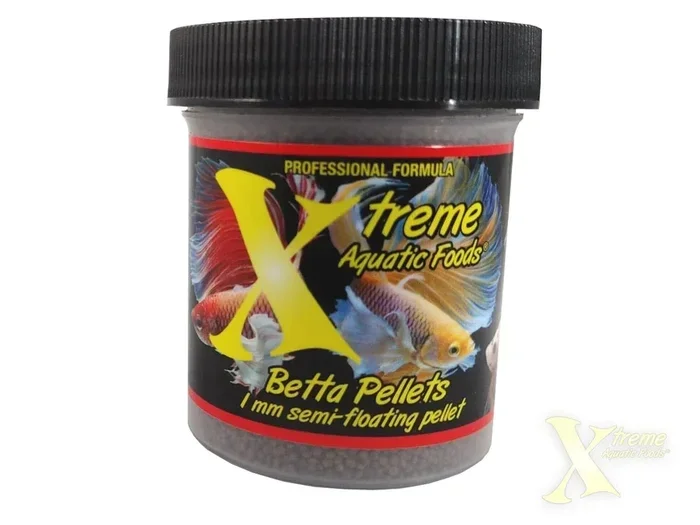
High-quality betta pellets are formulated to meet the nutritional needs of your fish. They float, which is perfect because bettas prefer to eat from the surface. Pellets also have a long shelf life and are easy to portion out, making them the most convenient staple food for daily feeding.
However, not all pellets are created equal. Some brands make tiny pellets meant for tropical fish, while others produce larger pellets specifically for bettas. This difference in size matters a lot when you are figuring out how much to feed. A large pellet can be almost the size of your betta’s eye, and feeding too many of those can quickly lead to overfeeding.
The Role of Pellet Size
Pellet size is one of the biggest factors in determining how many pellets your betta needs. Small pellets may require 4 to 6 per feeding, while large pellets might only need 1 or 2. Always check the packaging for recommended serving sizes and pay attention to how big the pellets are compared to your fish’s mouth.
How Many Pellets Should I Feed My Betta Fish Daily
This is the question at the heart of this guide, and the answer comes down to a simple rule of thumb. For most adult bettas, 2 to 4 pellets per feeding, twice a day, is the sweet spot. This adds up to 4 to 8 pellets per day, which provides enough nutrition without overloading your fish’s digestive system.
Feeding Schedule for Adult Bettas
Consistency is key when it comes to betta fish feeding schedule. Feed your betta at the same times each day, ideally once in the morning and once in the evening. This helps regulate their digestion and keeps their energy levels stable throughout the day.
Here is a simple daily routine you can follow:
- Morning feeding: Give 2 to 3 pellets. Wait 2 minutes for your betta to eat.
- Evening feeding: Give 2 to 3 pellets. Again, watch your fish eat and remove any uneaten pellets after a few minutes.
If you are ever unsure whether you are feeding enough, a good rule is to offer only what your betta can eat within 2 minutes. Anything left over will sink to the bottom, decay, and pollute the water.
Feeding Amounts for Baby and Juvenile Bettas
Young bettas have smaller stomachs and faster metabolisms, so they need more frequent but smaller meals. Baby bettas under 3 months old do well with 1 to 2 tiny pellets per feeding, given 3 to 4 times a day. As they grow, you can gradually increase the portion size and reduce the number of feedings. By the time they reach adulthood, you can switch to the standard twice-daily routine.
Signs of Overfeeding Your Betta
Overfeeding is the number one killer of pet bettas. It is easy to do, especially because bettas are enthusiastic eaters and will often beg for more food even when their belly is full. Learning to recognize the signs of overfeeding can save your fish from a lot of suffering.
Physical Warning Signs
- Bloated or swollen belly: If your betta’s belly looks stretched out and tight, it may be a sign of constipation or bloating from too much food.
- Uneaten pellets collecting at the bottom: If food is sitting in the tank after feeding time, you are giving too much.
- Lethargy and loss of appetite: A betta that has eaten too much may become less active and refuse food at the next meal.
- Floating or swimming erratically: Overfeeding can cause swim bladder problems, which affect your fish’s ability to stay balanced in the water.
What to Do If You Overfed
If you suspect you have overfed your betta, the first step is to stop feeding for one day. This gives the digestive system time to process what is already inside. You can also try feeding a single thawed pea (without the skin) to help with constipation. For more detailed advice on what to do when your betta is not eating, check out our guide on what to do if your betta fish isn’t eating.
How Often Should You Feed Your Betta
Feeding frequency is just as important as portion size. Most experts recommend feeding bettas twice a day. This mimics their natural eating patterns in the wild, where they would snack on small prey throughout the day but not gorge themselves in one sitting.
Some fish owners wonder if they can feed their betta once a day or skip days entirely. While a once-a-day feeding can work for some adult bettas, splitting the food into two smaller meals is generally better for digestion. If you are curious about different feeding frequencies, our article on how often you should feed your betta fish covers this topic in depth.
Can You Feed Your Betta Every Other Day?
Feeding your betta every other day is not recommended for most healthy adult fish. Bettas need daily nutrition to maintain their energy, immune system, and vibrant colors. Skipping days regularly can lead to malnutrition and a weakened immune response. If you are planning a vacation, consider using an automatic feeder or asking a friend to feed your betta in small amounts. For vacation feeding tips, read our guide on how to feed your betta fish on vacation.
Best Practices for Feeding Betta Pellets
How you feed matters just as much as how much you feed. A few simple habits can make a big difference in your betta’s health and the cleanliness of your tank.
Soak Pellets Before Feeding
Dry pellets expand when they hit water, and if your betta swallows them before they expand, it can cause constipation or bloating. To avoid this, soak the pellets in a small cup of tank water for 2 to 3 minutes before offering them to your fish. This softens the pellet and makes it easier to digest.
Remove Uneaten Food Promptly
Uneaten pellets will sink to the bottom of the tank and start to decompose within minutes. This releases ammonia and nitrites into the water, which can harm your betta over time. Use a small net or turkey baster to remove any food your fish does not eat within 2 to 3 minutes of feeding.
Vary the Diet
While pellets should be the foundation of your betta’s diet, adding variety keeps them healthy and stimulated. You can offer frozen or live foods like bloodworms, brine shrimp, or daphnia as a treat 2 to 3 times a week. Just remember that treats should make up no more than 10 to 15 percent of the total diet. For more ideas on what you can safely feed your betta, explore our article on how to feed your betta fish.
Common Feeding Mistakes to Avoid
Even experienced fish keepers sometimes make mistakes when feeding their bettas. Here are the most common errors and how to avoid them:
- Feeding too many pellets at once: More is not better. Stick to the recommended 2 to 4 pellets per feeding to prevent overfeeding.
- Using low-quality pellets: Cheap fish food is full of fillers that offer little nutritional value. Invest in a high-quality betta-specific pellet.
- Ignoring the 2-minute rule: If your betta is not eating within 2 minutes, the food is likely too much or too large.
- Feeding at irregular times: Bettas thrive on routine. Try to feed them at the same times every day.
- Skipping pellets entirely for flakes: While flakes can work in a pinch, pellets are nutritionally superior for bettas and float better on the surface.
How Much Food Should a Betta Fish Eat in Total
When you look at the big picture, a betta’s daily food intake should be small and controlled. A good benchmark is that the total daily food should be about the size of your betta’s eyeball. For most adult bettas, this translates to roughly 4 to 8 pellets split across two feedings.
If you want a deeper dive into total food quantities and how to measure portions accurately, our article on how much food you should feed your betta fish provides detailed guidance on portion control and measuring food amounts.
How Feeding Amounts Affect Betta Fish Health
The connection between feeding and overall health cannot be overstated. A well-fed betta will have bright colors, a hearty appetite, steady energy, and regular swimming behavior. An overfed or underfed betta, on the other hand, may develop health issues that shorten its lifespan significantly.
Proper betta fish nutrition supports the immune system, promotes healthy growth, and keeps the digestive tract functioning smoothly. When you get the pellet portions right, you are setting your fish up for a long, happy life in your care.
Quick Tips for Perfect Feeding
- Feed at the same times every day to build a reliable routine.
- Soak pellets for 2 to 3 minutes before adding them to the tank.
- Watch your betta eat and remove any leftover food within 3 minutes.
- Adjust pellet count based on the size of the pellets and your fish’s appetite.
- Offer variety with frozen or live treats a few times a week.
- Do not skip feedings or double up on portions to make up for a missed meal.
Conclusion
Figuring out how many pellets to feed your betta fish daily does not have to be complicated. Stick with 2 to 4 pellets per feeding, twice a day, and adjust based on your fish’s size, age, and appetite. Pay attention to the signs of overfeeding, keep a consistent routine, and always remove uneaten food promptly. With these simple habits, you will give your betta the best chance at a long, healthy, and vibrant life.
Remember, every betta is a little different, and it may take a bit of trial and error to find the perfect portion size. Watch your fish closely, trust the process, and enjoy the rewarding experience of caring for these beautiful creatures.
Frequently Asked Questions
Can I feed my betta fish pellets every day?
Yes, feeding pellets daily is perfectly fine and actually recommended. Just stick to 2 to 4 pellets per feeding, twice a day, and make sure you are using high-quality betta-specific pellets for the best nutrition.
What happens if I feed my betta too many pellets?
Overfeeding can cause bloating, constipation, swim bladder issues, and poor water quality from uneaten food decaying in the tank. If you notice your betta’s belly looking swollen or food sitting at the bottom, reduce the portion size immediately.
How do I know if I am feeding my betta the right amount?
A good indicator is that your betta eats all the food within 2 minutes and has a consistent appetite at each feeding. If food is left over, you are giving too much. If your betta seems hungry and active after eating, the portion size is likely just right.
Should I feed my betta pellets or flakes?
Pellets are generally the better choice for bettas because they are higher in protein, float on the surface where bettas like to eat, and are easier to portion out. Flakes can work as an occasional alternative but tend to break apart and make the water messier.
Can I skip feeding my betta one day?
Skipping one day occasionally is not harmful and can even help with digestion. However, making a habit of skipping days is not recommended. Bettas need regular daily nutrition to stay healthy and maintain their vibrant colors.
How many pellets should a baby betta fish eat?
Baby bettas need smaller, more frequent meals. Offer 1 to 2 tiny pellets per feeding, 3 to 4 times a day. As they grow into juveniles and adults, you can reduce the frequency and increase the portion size gradually.