How to Stop a Betta from Bullying Fish
Betta fish can become bullies in a community tank, but you can fix this with the right strategy. This guide shows you exactly why bettas bully other fish, how to spot the warning signs, and what steps to take for a calm aquarium. From tank setup changes to choosing the right tank mates, these practical tips will help you create a peaceful home for all your fish.
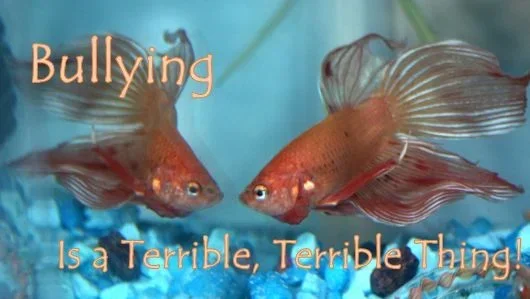
Betta fish are beautiful, vibrant creatures that bring life to any aquarium. But sometimes, they turn into bullies. A betta that chases, nips, or harasses other fish can turn a peaceful tank into a stressful environment. If you have noticed your betta fish aggression toward tank mates, you are not alone. This is a common problem many fish keepers face.
The good news is that you can fix this. There are proven ways to how to stop a betta from bullying fish and restore peace to your aquarium. Understanding why your betta behaves this way is the first step. From there, small changes to the tank setup, diet, and tank mate choices can make a huge difference. In this guide, we will walk you through everything you need to know.
Whether you are dealing with a betta that flares at every fish in sight or one that relentlessly chases others, this article has you covered. We will cover the root causes, warning signs, and practical solutions. By the end, you will know exactly what to do to create a calm and happy home for all your fish.
Key Takeaways
- Betta bullying has clear causes: territory, stress, overcrowding, and poor tank setup all trigger aggression.
- Watch for physical and behavioral signs like fin nipping, hiding, and loss of appetite in other fish.
- Tank setup changes such as adding plants, caves, and increasing space can dramatically reduce bullying.
- Choose compatible tank mates carefully — some fish species coexist well with bettas while others do not.
- Separation may be necessary if bullying continues despite all other efforts.
- Feeding strategies matter — proper feeding reduces competition and aggression at mealtime.
- Regular water maintenance keeps stress levels low and prevents aggression from flaring up.
📑 Table of Contents
- Why Bettas Bully Other Fish
- Signs Your Betta Is Bullying Other Fish
- How to Stop a Betta from Bullying Fish
- Best Tank Mates for a Peaceful Community Tank
- Tank Setup Changes That Reduce Bullying
- When to Separate Your Betta from Other Fish
- Common Mistakes That Make Bullying Worse
- Final Thoughts on Stopping Betta Bullying
Why Bettas Bully Other Fish
Betta fish are naturally territorial. This trait comes from their wild habitat in the shallow waters of Southeast Asia. In small spaces, bettas defend their territory fiercely. When you put a betta in a community tank, this instinct can turn into bullying behavior. Understanding betta fish territorial tendencies is key to solving the problem.
Understanding Betta Territorial Behavior
Male bettas, in particular, have long flowing fins and bright colors. These traits make them stand out in a tank. Other fish may see them as a threat, and the betta responds by attacking. This is not necessarily mean-spirited. It is simply how bettas have evolved to survive.
Female bettas can also show betta bullying behavior, though it is less common. A group of female bettas may establish a pecking order. This is called a sorority setup, and it can sometimes lead to chasing and nipping. Knowing whether your betta is male or female helps you understand the type of aggression you are dealing with. If you are unsure, learning how to tell a female betta fish from a male can give you useful insight into your fish’s behavior.
Common Triggers for Betta Bullying
Several factors can make a betta more likely to bully other fish. Overcrowding is a big one. When there are too many fish in a small space, tensions rise. Poor water quality also plays a role. Dirty water increases stress, and stressed bettas become aggressive.
Another trigger is a lack of hiding spots. Without places to retreat, other fish have nowhere to escape the betta’s advances. Bright lighting can also worsen aggression. Bettas in the wild live under shaded areas and dense vegetation. Harsh lights can make them feel exposed and defensive.
Feeding issues matter too. If your betta feels it is not getting enough food, it may become protective of food sources. This leads to chasing and nipping at other fish during feeding time.
Signs Your Betta Is Bullying Other Fish
Spotting bullying early makes it much easier to fix. Some signs are obvious, while others are subtle. Paying close attention to your tank daily helps you catch problems before they get worse.
Physical Signs of Stress in Tank Mates
Look at the other fish in your tank. Are their fins torn or ragged? This is a classic sign of betta flaring at other fish. The betta may nip at the fins of slower or long-finned tank mates. Fish like guppies and angelfish are especially vulnerable because of their flowing fins.
Other physical signs include faded coloration. A fish that is being bullied often loses its vibrant colors. It may also have clamped fins, which means the fins are held close to the body. This is a clear sign of fear and stress.
Behavioral Changes to Watch For
Behavioral changes are just as important as physical ones. Watch for fish that hide constantly. If a normally active fish suddenly stays in corners or behind decorations, something is wrong. Loss of appetite is another red flag. A fish that stops eating is under a lot of stress.
You may also notice the other fish swimming erratically. Darting movements or gasping at the surface can indicate that the tank environment has become unsafe. If you see these signs, it is time to take action. Learning how to treat a stressed betta fish can also help you address the root cause of the aggression.
How to Stop a Betta from Bullying Fish
Now that you understand the causes and signs, let us talk about solutions. There are many effective ways to reduce betta fish aggression and create a peaceful tank. These steps work together, so try to implement as many as you can.
Adjusting the Tank Environment
The first thing you should do is evaluate your tank setup. A well-designed aquarium reduces territorial behavior significantly. Start by checking the tank size. Bettas need at least a 5-gallon tank on their own. In a community setup, go bigger. A 20-gallon tank or larger gives everyone more space to establish their own territories.
Add plenty of live or silk plants. Plants create natural barriers that break up sightlines. When a betta cannot see another fish constantly, it is less likely to feel threatened. Setting up a fish tank for betta fish the right way includes choosing the right plants and decorations that provide coverage without sharp edges.
Caves, driftwood, and ceramic hides are also excellent additions. These give both the betta and other fish places to retreat. When every fish has a safe space, aggression drops. Try to arrange decorations so that no single fish dominates the entire tank.
Choosing the Right Tank Mates
Not all fish get along with bettas. Choosing the right compatible tank mates for betta is one of the most important steps. Peaceful, small fish that stay in the middle or bottom of the tank are usually the best choices.
Good tank mates include:
- Corydoras catfish — peaceful bottom dwellers that ignore the betta
- Neon tetras — small, fast, and stay in schools away from the betta
- Kuhli loaches — shy bottom feeders that avoid confrontation
- Mystery snails — slow-moving and safe from betta attacks
- Harlequin rasboras — peaceful and hardy community fish
Fish to avoid include guppies, angelfish, and other long-finned fish. These look similar to bettas and may trigger territorial responses. Also avoid fish that are too nippy or overly active, as they can stress the betta out.
Feeding Strategies to Reduce Aggression
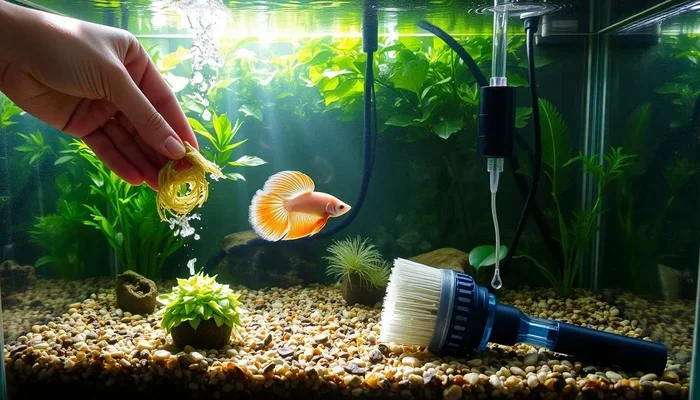
Feeding time is one of the most common moments for bullying to occur. When food enters the tank, the betta may guard it and chase other fish away. To prevent this, spread food across the tank. Use a feeding ring or target feed the betta in one spot while other fish eat elsewhere.
Feed your betta a varied diet of high-quality pellets, frozen bloodworms, and brine shrimp. A well-fed betta is less likely to feel the need to compete aggressively. Also, feed small amounts multiple times a day rather than one large meal. This keeps everyone satisfied and reduces tension.
Quick Tips to Reduce Bullying
- Feed the betta first using a pipette or target feeder so it feels full before other fish eat
- Add floating plants to break up the surface view and reduce territorial feelings
- Keep the lighting dim to mimic the betta’s natural habitat
- Perform regular water changes to maintain clean, healthy water
- Observe your tank daily for early signs of aggression
Best Tank Mates for a Peaceful Community Tank
Choosing the right companions for your betta makes a huge difference. A well-planned community tank reduces stress for every fish. Here is a closer look at what works and what does not.
Fish That Coexist Well with Bettas
Peaceful fish that occupy different levels of the tank are ideal. Bottom-dwelling fish like corydoras and kuhli loaches stay out of the betta’s way. Small schooling fish like neon tetras and harlequin rasboras add movement without triggering aggression.
Invertebrates are also excellent choices. Mystery snails, ghost shrimp, and cherry shrimp generally get along with bettas. They stay busy cleaning the tank and rarely interact with the fish. Just be aware that some bettas may try to hunt shrimp, so monitor their behavior closely.
Fish to Avoid with Bettas
Some fish are simply not compatible with bettas. Avoid fish that are brightly colored or have long fins, as these can trigger the betta’s territorial instincts. Fin nippers like tiger barbs and serpae tetras will aggravate the betta and may get injured in return.
Large or aggressive fish should also be avoided. They may bully the betta or outcompete it for food. Stick to small, peaceful species that share similar water parameter needs.
| Good Tank Mates | Why They Work | Avoid These Fish | Why They Do Not Work |
|---|---|---|---|
| Corydoras catfish | Peaceful bottom dwellers | Guppies | Long fins trigger aggression |
| Neon tetras | Stay in schools, keep to themselves | Tiger barbs | Fin nippers, cause stress |
| Mystery snails | Slow, safe, clean the tank | Angelfish | Too large and territorial |
| Harlequin rasboras | Peaceful and hardy | Goldfish | Different water needs, too big |
Tank Setup Changes That Reduce Bullying
A thoughtful tank setup is one of the most effective ways to prevent bullying. Small changes can have a big impact on your betta’s behavior and the overall tank environment.
Adding Hiding Spots and Plants
Plants are your best friend when dealing with a bullying betta. Live plants like java fern, anubias, and amazon sword provide natural cover. They break lines of sight and give fish places to hide. If live plants are not an option, silk plants work well too. Avoid plastic plants with sharp edges, as they can tear fins.
Add caves, rocks, and driftwood to create multiple territories. When each fish has its own space, conflicts decrease. Floating plants like duckweed or water lettuce are also great. They soften the light from above and make the betta feel more secure.
The Role of Tank Size
Tank size matters more than many people realize. A cramped tank amplifies every problem. A betta in a small tank feels cornered and becomes more aggressive. If you are keeping a betta with other fish, aim for at least a 20-gallon tank. This gives everyone enough room to establish their own areas without constant conflict.
If you have a smaller tank, consider using a betta fish tank divider to separate the betta from other inhabitants. This allows them to share the same water conditions while having their own personal space. You can learn more about dividers and other setup tips by exploring general betta fish tank setup guides that cover spacing and layout.
Expert Insight
Many experienced fish keepers recommend the “territory mapping” approach. Before adding new fish, arrange all decorations first. Each fish should have its own zone with hiding spots, food sources, and swimming space. This reduces the chances of one fish dominating the entire tank.
When to Separate Your Betta from Other Fish
Sometimes, despite your best efforts, bullying continues. In these cases, separation may be the kindest option for all the fish involved. Knowing when to act is important.
Signs That Separation Is Necessary
Watch for signs that the bullying is not improving. If other fish are losing weight, hiding constantly, or showing injury, separation is needed. A betta that refuses to stop chasing fish despite all environmental changes may simply not be a community fish.
Some bettas are just too aggressive for tank life. This is not a reflection of your care. It is simply their personality. In these cases, giving the betta its own tank is the best solution. You can also set up a divided tank where the betta and other fish share the same water but cannot reach each other.
How to Reintroduce Fish Safely
If you separate fish and want to try again later, reintroduction should be done carefully. Rearrange the tank decorations before reintroducing. This resets territories and reduces established aggression. Monitor the tank closely for the first few hours and have a backup plan ready.
If you need to care for the betta during this process, make sure you understand the basics of betta fish care. Proper water parameters, temperature, and diet all play a role in keeping your betta calm. For a complete guide on how to care for a betta fish 101, check out our beginner care guide to ensure you are covering all the essentials.
Common Mistakes That Make Bullying Worse
Fish keepers often make mistakes that unintentionally worsen bullying behavior. Avoiding these pitfalls can save you a lot of frustration.
Mistake 1: Too small a tank. A tiny tank gives fish no room to escape. This increases stress and aggression. Always provide adequate space.
Mistake 2: Overcrowding. Adding too many fish at once overwhelms the tank. Introduce new fish slowly and watch for changes in behavior.
Mistake 3: Ignoring water quality. Dirty water is a silent stressor. Test your water regularly and perform partial water changes weekly.
Mistake 4: Choosing the wrong tank mates. Not all fish are suitable for a betta tank. Research every species before adding it to your aquarium.
Mistake 5: Inconsistent feeding. Irregular feeding creates competition. Stick to a consistent feeding schedule and distribute food evenly.
Common Mistakes at a Glance
- Tank too small for the number of fish
- Overcrowding the aquarium
- Neglecting water quality and parameters
- Choosing aggressive or incompatible tank mates
- Inconsistent or insufficient feeding routines
- Using sharp decorations that cause injury
- Ignoring early signs of stress in tank mates
Final Thoughts on Stopping Betta Bullying
Stopping a betta from bullying other fish takes patience and observation. There is no single magic fix. Instead, it is a combination of the right tank setup, compatible tank mates, proper feeding, and consistent maintenance. When you address the root causes of betta fish aggression, you create an environment where all fish can thrive.
Remember that every betta has its own personality. Some are calm and social, while others are naturally more defensive. Understanding your individual fish is the foundation of good care. Keep learning about betta fish behavior problems and stay proactive about your tank conditions.
Start with one or two changes today. Rearrange the decorations, add some plants, or adjust your feeding routine. Small steps lead to big improvements over time. Your goal is a tank where every fish feels safe and secure. With the tips in this guide, you are well on your way to achieving that peaceful aquarium you have always wanted.
Stay consistent, watch your fish closely, and do not be afraid to make changes. A happy betta means a happy tank. And a happy tank means you get to enjoy the beauty of your fish every single day.
Frequently Asked Questions
Why is my betta fish attacking other fish in the tank?
Betta fish attack other fish because of territorial instincts, stress, or a lack of space. Male bettas are especially territorial due to their bright colors and long fins. Overcrowding, poor water quality, and incompatible tank mates can all trigger this aggressive behavior. Addressing the root cause usually reduces the attacking significantly.
Can a betta fish live peacefully with other fish?
Yes, many bettas can live peacefully with the right tank mates. Choose small, peaceful fish that stay in the middle or bottom of the tank. Corydoras catfish, neon tetras, and mystery snails are excellent choices. A well-planned community tank with plenty of hiding spots and adequate space greatly increases the chances of peaceful coexistence.
How do I know if my betta is stressed?
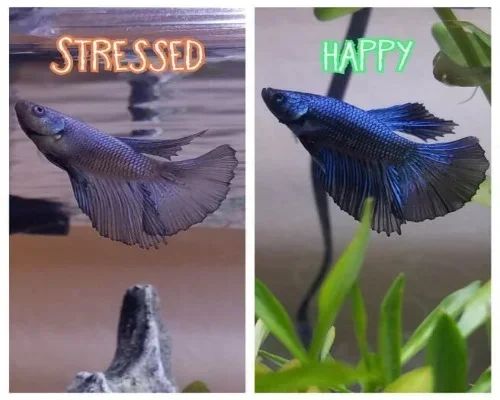
Signs of a stressed betta include clamped fins, faded colors, loss of appetite, and hiding more than usual. A stressed betta may also flare excessively or become more aggressive toward tank mates. Poor water quality, sudden temperature changes, and loud noises near the tank are common causes of stress. Regular water testing and a stable environment help keep stress levels low.
What should I do if my betta keeps chasing other fish?
If your betta keeps chasing other fish, start by adding more hiding spots and plants to break up sightlines. Increase the tank size if possible. Feed the betta separately to reduce food-related aggression. If chasing continues despite these changes, consider separating the betta into its own tank or using a tank divider to protect the other fish.
Are female bettas less aggressive than males?
Female bettas are generally less aggressive than males, but they can still bully other fish. A group of female bettas kept together may establish a dominance hierarchy, which can involve chasing and nipping. Male bettas are typically more territorial and prone to flaring and attacking. Knowing the gender of your betta helps you predict and manage its behavior better.
Can tank decorations really reduce betta bullying?
Yes, tank decorations play a significant role in reducing bullying. Plants, caves, and driftwood create natural barriers and hiding spots that break up territory lines. When each fish has its own space to retreat to, aggression decreases. Arrange decorations strategically to give every fish its own zone within the tank.