Is My Betta Fish Hungry
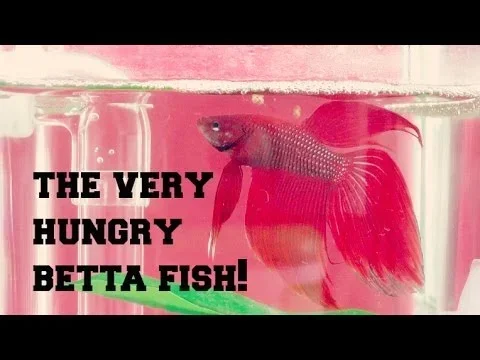
Is my betta fish hungry? Learn to recognize the key hunger cues that every betta owner should know. This guide covers the top signs of hunger, how often to feed your betta, and common mistakes that lead to overfeeding or underfeeding.
Is my betta fish hungry? This is one of the most common questions new betta owners ask. If you have watched your fish swim to the top of the tank every time you walk by, you are not alone. Understanding your betta fish hunger cues is essential for keeping your pet healthy and happy.
Feeding a betta fish might seem simple, but it is easy to get wrong. Many owners overfeed their fish, while others worry they are not giving enough. The truth is that knowing when your betta fish is truly hungry takes a bit of observation and knowledge. In this guide, you will learn the real signs of hunger, the best feeding schedule, and common mistakes to avoid.
Whether your betta is begging for food or suddenly refusing meals, this article covers everything you need. We will break down the betta fish feeding routine in plain language so you can feel confident about mealtime. Let us dive in and make sure your fish is getting exactly what it needs.
Key Takeaways
- Watch for hunger signs: begging, slow movement, and faded colors indicate your betta needs food.
- Feed small amounts twice daily: overfeeding causes serious health problems like bloating and constipation in bettas.
- Skip one feeding day weekly: this helps digestion and mimics natural fasting cycles for betta fish.
- Offer variety in diet: mix pellets with frozen or live foods to keep your betta healthy.
- Remove uneaten food quickly: leftover food pollutes water and can make your betta seriously ill.
- Distinguish hunger from boredom: your betta may beg even when full, so feed carefully and mindfully.
📑 Table of Contents
How to Tell if Your Betta Fish Is Hungry
Figuring out if your betta is hungry is not always obvious. Fish cannot tell you they are hungry with words. Instead, they show it through behavior and body language. Learning these signs helps you respond at the right time.
One clear signal is when your betta starts swimming to the top of the tank quickly when you approach. This is often a begging behavior. Your fish has learned that you mean food, and it wants your attention. But be careful, this does not always mean your fish is truly hungry.
Physical Signs of Hunger in Betta Fish
Watch for these physical cues that your betta needs food:
- Your betta swims near the surface constantly
- The fish seems more active than usual
- You notice your betta searching the substrate for food
- The fish follows your hand or the fish net around the tank
- Your betta does a quick dash to the feeding area when you approach
These hunger behavior signs are easy to spot once you know what to look for. However, some of these behaviors can also be a habit. If you always feed your fish at the same time, it will start anticipating food. This is normal but can be confused with true hunger.
Behavioral Clues That Mean Your Betta Wants Food
Beyond physical signs, there are behavioral changes that point to hunger. A hungry betta may become more vocal in its tank. You might notice flaring or splashing near the surface. Some bettas even make bubble nests more frequently when they are in a feeding mood.
If your betta seems restless or paces back and forth, it could be looking for food. However, pacing can also mean stress or boredom. This is why you need to look at the full picture. Combine what you see with a consistent feeding schedule to get the best read on your fish.
Sometimes the best clue is simply the timing. If it has been more than a day since your last feeding and your betta shows interest in food, it is probably hungry. But if you just fed your fish a few hours ago, the behavior is likely a learned response.
The Right Feeding Schedule for Betta Fish
Getting the feeding schedule right is one of the most important things you can do for your betta. A proper betta fish feeding schedule keeps your fish healthy and prevents overfeeding. Most experts agree on a simple routine that works well for home aquariums.
How Often Should You Feed a Betta Fish?
The standard recommendation is to feed your betta two small meals per day. This matches what they would eat in the wild. In nature, bettas eat several small meals throughout the day rather than one big feast. You can split the daily amount into morning and evening feedings.
Some owners prefer feeding once a day with a slightly larger portion. This works too, as long as the amount is right. The key is consistency. Your betta fish will thrive on a routine it can count on. A predictable feeding schedule also reduces stress and begging behavior.
How Much Food Should You Give Each Meal?
A good rule of thumb is to offer only what your betta can eat in two minutes. This is a small amount, but it is the right size. Overfeeding is one of the biggest problems betta owners face. Excess food sinks to the bottom and rots, which pollutes the water.
If you are unsure about portion size, start with three to four pellets per meal. You can adjust based on how quickly your fish eats. The goal is to leave your betta slightly satisfied, not stuffed. Think of it like a light snack rather than a big meal.
| Feeding Frequency | Portion Size | Best For |
|---|---|---|
| Twice Daily | 2-3 pellets per meal | Most adult bettas |
| Once Daily | 4-5 pellets per meal | Less active or older bettas |
| Every Other Day | Small pinch of food | Young bettas or fasting days |
This table gives you a quick reference for daily feeding. Adjust based on your fish’s age, activity level, and water temperature. Warmer water speeds up metabolism, so your betta may need slightly more food in summer.
Signs of Overfeeding vs. Underfeeding
It is easy to confuse overfeeding with a hungry betta, and underfeeding with a picky eater. Both problems have clear signs. Learning to tell them apart helps you respond correctly and keep your fish healthy.
Warning Signs of Overfeeding
Overfeeding causes more problems than underfeeding in most cases. Watch for these red flags:
- Your betta leaves food floating in the tank
- The water becomes cloudy shortly after feeding
- Your fish looks bloated or has a swollen belly
- You notice uneaten food sinking to the bottom
- Your betta seems lazy or less active after meals
If you see these signs, cut back on the amount you are feeding. Overfeeding can lead to serious health issues like swim bladder disease and digestive problems. Your betta’s stomach is only about the size of its eye, so it does not take much food.
Warning Signs of Underfeeding
On the other hand, underfeeding can leave your betta weak and stressed. Signs include:
- Your betta is losing color or looking pale
- The fish is very thin or its body looks sunken
- Your betta is unusually lethargic
- The fish seems to be searching for food constantly
- You notice rapid weight loss over several days
If your fish shows these signs, it may be time to increase the portion size or feeding frequency. A hungry betta fish that is not getting enough nutrition will start to look unhealthy. Always aim for a balanced approach that keeps your fish well-fed but not overstuffed.
Best Foods to Keep Your Betta Fish Satisfied
What you feed your betta matters just as much as how much you feed. Not all fish food is created equal. Bettas are carnivores by nature, so they need a protein-rich diet to stay healthy and satisfied.
Top Food Options for Betta Fish
Here are the best food choices for keeping your betta happy and full:
- Betta pellets – These are specially formulated for bettas and should be your staple food
- Frozen bloodworms – A favorite treat that is high in protein
- Brine shrimp – Great for variety and added nutrition
- Daphnia – A natural food that aids digestion
- Flake food – Acceptable but not ideal as the main diet
Using a mix of these foods keeps mealtime interesting for your betta. Pellets should make up the bulk of the diet, while frozen or live foods work well as supplements. This variety ensures your fish gets all the nutrients it needs.
If your betta is a picky eater, try soaking pellets before feeding. Some bettas prefer softer food. You can also try different brands to find one your fish enjoys. The goal is to make sure your betta eats enough to stay nourished without refusing meals.
Treats and How Often to Offer Them
Treats like bloodworms and brine shrimp should be given in moderation. A good rule is to offer treats two to three times per week. Too many treats can fill your betta up without providing complete nutrition. Think of treats as dessert, not the main course.
Also, always thaw frozen food before adding it to the tank. This prevents digestive issues and makes it easier for your betta to eat. A well-fed betta is a happy betta, and the right diet plays a big role in that.
Common Feeding Mistakes to Avoid
Even experienced betta owners make feeding mistakes. Being aware of these common errors helps you avoid them and keep your fish healthy.
Mistake 1: Feeding Too Much at Once
This is the number one mistake new owners make. It is tempting to give your betta a big meal, especially when it seems hungry. But a betta’s stomach is tiny, and too much food causes bloating and water pollution. Stick to small portions and let your fish eat slowly.
Mistake 2: Feeding Only Once a Day Without Adjusting
Some owners feed once a day and never adjust the amount. If your betta seems hungry after one feeding, split the food into two smaller meals. Pay attention to your fish’s behavior and adjust as needed. Every betta is different, and what works for one may not work for another.
Mistake 3: Ignoring Fasting Days
Many experts recommend giving your betta a fasting day once a week. This helps the digestive system reset and prevents constipation. On fasting days, do not feel guilty about not feeding. Your betta will be just fine, and this simple practice can improve its overall health.
Mistake 4: Feeding Human Food
Never feed your betta food from your own plate. Bread, crackers, and other human foods offer no nutritional value and can harm your fish. Stick to foods designed specifically for bettas. This ensures your fish gets the right nutrients without any harmful additives.
Mistake 5: Assuming Begging Always Means Hunger
Bettas are smart fish. They quickly learn that swimming to the surface means food time. Just because your betta is begging does not always mean it is truly hungry. Follow your feeding schedule and do not give in to every begging episode. This keeps your fish at a healthy weight and prevents overfeeding.
When Hunger Is a Sign of Something Else
Sometimes, a betta that seems hungry is actually trying to tell you something else. Hunger-like behavior can be a sign of stress, illness, or environmental problems. It is important to look beyond the surface and consider the bigger picture.
If your betta is always hungry but losing weight, there may be an underlying health issue. Parasites, for example, can make your fish feel constantly hungry even after eating. In this case, it is a good idea to check if your betta fish is sick and look for other symptoms like clamped fins, redness, or unusual swimming patterns.
Another reason for constant hunger is poor water quality. When the tank environment is stressed, your betta may eat more or less than usual. Regular water changes and proper filtration go a long way in keeping your fish healthy and maintaining a normal appetite.
Temperature also plays a role. Bettas are tropical fish and need warm water to digest food properly. If the water is too cold, your betta may refuse food or seem hungry all the time. Make sure your tank heater is working and the temperature stays between 78 and 80 degrees Fahrenheit.
Finally, if your betta suddenly stops eating and seems hungry but will not touch the food, this could be a sign of stress or a new environment adjustment. New bettas often take time to settle in. Give them space and try different food types to encourage eating. You can learn more about why a new betta might refuse food by reading about why my new betta fish is not eating to understand the transition period better.
Remember, a healthy betta has a consistent appetite. If that changes suddenly, it is worth investigating further. Your fish cannot speak, but its behavior tells a story. Listen carefully, and you will become an expert at understanding what your betta needs.
Key Takeaways
Understanding is my betta fish hungry comes down to observing behavior, following a consistent schedule, and offering the right food. Here are the main points to remember:
- Watch for physical and behavioral hunger signs like swimming to the surface and begging
- Feed your betta two small meals per day, with only what it can eat in two minutes
- Know the difference between overfeeding and underfeeding by monitoring your fish’s body condition
- Offer a protein-rich diet with pellets as the staple and treats in moderation
- Avoid common mistakes like feeding too much, ignoring fasting days, and offering human food
- Consider that constant hunger can sometimes signal health or water quality issues
Your betta fish depends on you for its meals and its well-being. By paying attention to hunger cues and sticking to a smart feeding routine, you give your fish the best chance at a long and healthy life. Keep learning, keep observing, and your bond with your betta will grow stronger every day.
Frequently Asked Questions
How Do I Know if My Betta Fish Is Hungry?
Watch for signs like swimming near the surface, begging for food, or becoming more active around feeding time. A hungry betta may also show a slightly thinner body shape compared to a well-fed one. These behaviors are clear indicators that your fish is ready for a meal.
Can My Betta Fish Be Overfed Instead of Hungry?
Yes, bettas are prone to overeating, and many owners mistake this for hunger. Overfeeding can lead to serious health problems like bloating, swim bladder issues, and poor water quality. Feed your betta small portions once or twice a day to keep them healthy and satisfied.
How Often Should I Feed My Betta Fish if It Seems Hungry?
Feeding your betta once or twice a day with an amount they can finish in two minutes is the ideal routine. If your fish seems hungry between meals, resist the urge to give extra food, as their stomach is roughly the size of their eye. Sticking to a consistent feeding schedule helps prevent both hunger and overfeeding.
What Should I Do if My Betta Fish Is Always Acting Hungry?
Constant begging does not always mean your fish needs more food; it can be learned behavior from past overfeeding. Try reducing portion sizes slightly and observe if the begging decreases over time. Providing a balanced diet of high-quality pellets and occasional treats like bloodworms can also help satisfy their appetite properly.
Why Does My Betta Fish Spit Out Its Food When I’m Feeding It?
Betta fish often spit out food to soften it before swallowing, which is completely normal behavior. If your fish is spitting food out frequently, the pellets may be too large or too dry for its liking. Soaking the food in tank water for a few seconds before feeding can solve this issue quickly.
Is My Betta Fish Hungry When It Starts Looking for Food in the Gravel?
Searching through the gravel is often a sign of hunger or anticipation of feeding time. Bettas are curious fish and will explore their environment when they expect food. However, make sure you are not encouraging this behavior by feeding too frequently, as it can lead to excess waste and health problems.