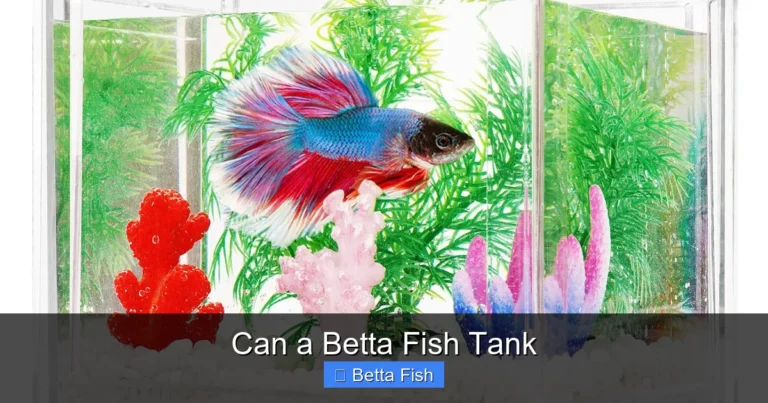
How to Setup Your Betta Fish Bowl

Setting up your betta fish bowl doesn’t have to be hard. This guide walks you through every step, from picking the right bowl size to adding plants and keeping the water clean. You’ll learn what supplies you need, how to cycle the water, and simple mistakes to avoid so your betta stays healthy and happy for years to come.
Setting up a betta fish bowl is one of the most rewarding things you can do as a pet owner. These colorful little fish bring life and calm to any room. But a beautiful bowl doesn’t just happen by chance. It takes a bit of planning and the right approach. In this guide, we’ll show you exactly how to setup your betta fish bowl step by step. Whether you’re a first-time fish owner or looking to improve your current setup, you’ll find practical tips that really work.
The goal is simple. You want a healthy betta fish habitat where your fish can thrive. A well-set-up bowl reduces stress, prevents illness, and makes daily care much easier. We’ll cover everything from choosing the right bowl size to picking the best plants and keeping the water clean. By the end, you’ll feel confident and ready to create the perfect home for your betta.
Key Takeaways
- Pick the right bowl size: A minimum of 2.5 gallons gives your betta room to swim and stay healthy.
- Gather essential supplies first: You need a heater, filter, thermometer, gravel, and dechlorinated water before starting.
- Cycle the water before adding your fish: This removes harmful chemicals and builds good bacteria for a safe habitat.
- Add plants and decorations carefully: They provide hiding spots and make the bowl look natural and inviting.
- Avoid common setup mistakes: Don’t skip the heater, overclean the bowl, or use tap water without treatment.
- Maintenance is ongoing: Regular water changes and cleaning keep your betta fish bowl in top shape.
📑 Table of Contents
- Why Setting Up Your Betta Fish Bowl Matters
- Choosing the Right Betta Fish Bowl
- Essential Supplies You’ll Need
- Step-by-Step: How to Setup Your Betta Fish Bowl
- Adding Plants and Decorations to Your Betta Fish Bowl
- Common Mistakes to Avoid When Setting Up a Betta Fish Bowl
- Keeping Your Betta Fish Bowl Clean and Healthy
- Final Thoughts on How to Setup Your Betta Fish Bowl
Why Setting Up Your Betta Fish Bowl Matters
Many people think a betta fish can live in a small unfiltered cup. That’s a myth. Bettas are active swimmers. They need space, clean water, and a stable temperature to stay healthy. A proper setup mimics their natural environment. This helps them display their full color and natural behavior.
A rushed or poorly planned setup can lead to serious problems. Dirty water causes stress. Wrong temperatures weaken the immune system. Lack of hiding spots makes fish anxious. All of these issues shorten your betta’s lifespan. Taking the time to do this right pays off big time. Your fish will be more vibrant, more active, and far less likely to get sick.
The Benefits of a Well-Planned Setup
Here’s what a good betta fish bowl setup gives you:
- Healthier fish: Clean water and stable conditions boost immunity.
- Brighter colors: Happy bettas display richer reds, blues, and greens.
- Natural behavior: Your fish will explore, rest, and interact more.
- Easier maintenance: A proper setup makes weekly care faster and simpler.
- Longer lifespan: Well-cared-for bettas can live 5 years or more.
Think of it this way. You wouldn’t bring home a dog and toss it in a cold yard with no food. Your betta deserves the same thoughtfulness. A little effort upfront saves you time, money, and heartache down the road.
Choosing the Right Betta Fish Bowl
The first big decision is picking the right bowl. Not all bowls are created equal. The size, shape, and material all matter. Let’s break down what to look for so you make the best choice.
Minimum Bowl Size for Bettas
The absolute smallest bowl for a single betta is 2.5 gallons. That’s the minimum. A 5-gallon bowl is even better. It gives your fish more room to swim and helps stabilize water conditions. Avoid bowls under 1 gallon. They are too small to maintain properly and stress the fish out.
Round bowls look pretty, but they have less surface area than rectangular ones. Surface area matters for oxygen exchange. A wider bowl at the top lets more oxygen mix into the water. This is a small detail that makes a big difference for your betta’s breathing.
Material and Shape Considerations
Glass bowls are the most popular choice. They’re easy to clean, don’t scratch easily, and look great. Plastic bowls are lighter and cheaper, but they can scratch over time and may cloud up. Avoid bowls with sharp edges or tiny openings that make cleaning hard.
Here’s a quick comparison to help you decide:
- Glass round bowl: Classic look, easy to clean, but less surface area.
- Glass rectangular bowl: More surface area, better oxygen exchange, modern look.
- Plastic bowl: Lightweight and affordable, but scratches and clouds over time.
- Ceramic bowl: Heavy and stable, but hard to move and clean.
For most people, a glass bowl between 5 and 10 gallons is the sweet spot. It’s easy to manage and gives your betta plenty of space.
Essential Supplies You’ll Need
Before you start filling the bowl, gather everything you need. Having all your supplies ready makes the process smooth and fast. Here’s a checklist of the essentials.
The Core Supplies
- Betta fish bowl: 2.5 gallons minimum, glass preferred.
- Small aquarium heater: Bettas need warm water between 76 and 82 degrees Fahrenheit.
- Thermometer: A simple stick-on thermometer helps you monitor the temperature.
- Small filter: A gentle sponge filter keeps water clean without creating too much current.
- Water conditioner: This removes chlorine and chloramines from tap water. It’s non-negotiable.
- Gravel or substrate: Choose smooth, small gravel that’s easy to vacuum during cleaning.
- Net: A soft fish net for safe handling and water changes.
- Dechlorinated water: Either pre-treated or tap water treated with conditioner.
You might also want a small light if your bowl doesn’t get natural sunlight. Bettas enjoy a regular day-night cycle. A simple LED aquarium light on a timer works well. Avoid placing the bowl in direct sunlight though. It can cause the water to overheat and grow algae too fast.
Optional but Helpful Extras
A few extras can make the setup even better. Live plants like java fern or anubias are great for bettas. They produce oxygen and provide natural hiding spots. A small mirror can be fun for temporary play, but don’t leave it in the bowl. Some owners like to add a betta log or floating leaf for resting. These small touches make the bowl feel more like a natural home.
Step-by-Step: How to Setup Your Betta Fish Bowl
Now comes the fun part. Let’s walk through the actual setup process. Follow these steps in order for the best results.
Step 1: Rinse the Bowl and Substrate
Start by rinsing your bowl with warm water. Don’t use soap. It’s toxic to fish. Rinse your gravel or substrate in a separate bucket until the water runs clear. This removes dust and debris that could cloud your water later.
Place the clean gravel at the bottom of the bowl. Aim for about 1 to 2 inches of depth. This gives beneficial bacteria a place to live and makes the bowl look natural.
Step 2: Add Water and Condition It
Fill the bowl with room-temperature water. Use a plate or plastic bag to pour the water gently. This prevents the gravel from scattering. Add your water conditioner according to the bottle directions. Let the water sit for a few minutes to allow the conditioner to work fully.
Never use untreated tap water. The chlorine in it will harm your betta’s gills and skin. If you’re unsure about your water quality, consider using bottled spring water as a backup.
Step 3: Install the Heater and Filter
Attach your small heater to the side of the bowl. Set it to 78 degrees Fahrenheit, which is the ideal temperature for most bettas. Place the thermometer near the heater so you can monitor it easily. Next, install your gentle sponge filter. Make sure the flow is soft. Bettas don’t like strong currents because their fins are long and delicate.
You should also run the filter and heater for 24 hours before adding your fish. This lets the temperature stabilize and the filter start building good bacteria. This process is called cycling the bowl, and it’s essential for long-term betta fish bowl maintenance.
Step 4: Add Decorations and Plants
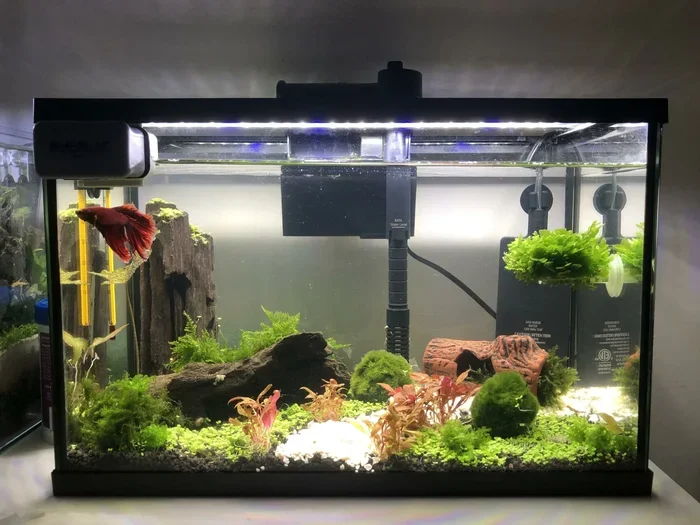
Now it’s time to make the bowl look great. Rinse any new decorations in warm water first. Place taller plants toward the back and shorter ones in front. This creates depth and gives your betta open swimming areas in the front. If you want to setup a betta fish bowl with a plant, live plants are the best choice. They help oxygenate the water and absorb waste naturally.
Add a few hiding spots like caves or driftwood. Bettas like places to retreat and rest. Just make sure nothing has sharp edges that could tear their delicate fins.
Step 5: Introduce Your Betta Fish
After the bowl has been running for at least 24 hours, it’s time to add your fish. Float the bag your betta came in on the surface of the bowl for 15 to 20 minutes. This equalizes the temperature. Then slowly add small amounts of bowl water to the bag over another 15 minutes. Finally, gently release your betta into the bowl using the net.
Avoid pouring the bag water into the bowl. It may contain bacteria or contaminants from the store. If you’re new to this process, check out our guide on how to put a betta fish in a new bowl for more detailed instructions.
Adding Plants and Decorations to Your Betta Fish Bowl
Decorations aren’t just about looks. They serve important purposes in a betta’s environment. Plants provide oxygen, reduce stress, and give your fish places to explore. Decorations create a stimulating habitat that encourages natural behavior.
Best Plants for a Betta Fish Bowl
Not all plants work well in small bowls. You want species that thrive in warm, low-light conditions. Here are some top picks:
- Java fern: Hardy, slow-growing, and perfect for bettas. Attach it to driftwood or rocks.
- Anubias: Another tough plant that does well in small bowls.
- Amazon sword: Great for larger bowls, provides good coverage.
- Floating plants like duckweed: Bettas love resting near floating leaves.
Avoid plants with sharp edges or those that grow too fast and take over the bowl. Stick to soft-leaved varieties that won’t damage your betta’s fins.
Decorations That Serve a Purpose
When you decorate your betta fish bowl, think about function as well as beauty. Caves and tunnels give your betta a sense of security. Smooth rocks and driftwood create a natural look. Just make sure everything is aquarium-safe and has no rough surfaces.
Less is more when it comes to decorations. Leave plenty of open swimming space. A cluttered bowl is hard to clean and stressful for your fish. Aim for a balanced look with open areas and a few cozy spots.
Common Mistakes to Avoid When Setting Up a Betta Fish Bowl
Even well-meaning owners make mistakes. Knowing what to avoid saves you a lot of trouble. Here are the most common errors people make when setting up a betta fish bowl.
Using Too Small a Bowl
The biggest mistake is going too small. A tiny bowl seems cute, but it creates unstable water conditions. Waste builds up fast, and temperature swings happen quickly. Always go with at least 2.5 gallons. Your betta will be healthier and easier to care for.
Skipping the Heater
Bettas are tropical fish. They need warm water to stay active and healthy. Room temperature water is almost always too cold. A small heater is one of the most important investments you’ll make. Without it, your betta becomes sluggish and prone to illness.
Using Tap Water Without Treatment
Tap water contains chlorine and chloramines that are harmful to fish. Always use a water conditioner before adding water to the bowl. This is a quick step that makes a huge difference. Skipping it can damage your betta’s gills and lead to serious health problems.
Overcleaning the Bowl
Some people clean the bowl too aggressively. They remove all the gravel and scrub everything down. This kills the beneficial bacteria that keep the water safe. Instead, do partial water changes of about 25 percent each week. Leave some of the old substrate in place to preserve good bacteria.
Want to learn more about proper cleaning routines? Read our guide on how to clean your betta fish bowl for safe and effective methods.
Placing the Bowl in Direct Sunlight
Direct sunlight heats the water unevenly and promotes excessive algae growth. Place the bowl in a spot with indirect light or use an aquarium light on a timer. A consistent light cycle of 8 to 10 hours a day keeps your betta healthy and the bowl looking its best.
Keeping Your Betta Fish Bowl Clean and Healthy
Setup is just the beginning. Ongoing care keeps your betta thriving. A clean bowl is the foundation of good betta fish care. Here’s how to maintain your setup without too much effort.
Perform a 25 percent water change every week. Use a gravel vacuum to remove waste from the substrate. Always treat new water with conditioner before adding it to the bowl. Test the water parameters monthly. You want ammonia and nitrite levels at zero, and nitrate levels below 20 parts per million.
Keep an eye on the temperature too. It should stay between 76 and 82 degrees Fahrenheit. If the room gets cold, check that your heater is working properly. If the water feels too cool, your betta will become sluggish and may stop eating.
For tips on keeping the water warm, check out our article on how to warm a betta fish bowl. It covers simple solutions for maintaining the right temperature year-round.
Regular observation is just as important as water changes. Watch your betta’s behavior each day. A healthy betta is active, curious, and has bright, vivid colors. If you notice clamped fins, loss of appetite, or unusual swimming patterns, test the water and make adjustments quickly.
When to Seek Help
If your betta shows signs of illness despite a clean bowl, don’t wait. Look up symptoms online or consult a fish vet. Early treatment makes a big difference. Common issues like fin rot and ich are treatable if caught early. The best prevention is a clean, stable environment. That’s why your setup work matters so much.
Final Thoughts on How to Setup Your Betta Fish Bowl
Setting up a betta fish bowl is a fun and rewarding project. It doesn’t have to be complicated or expensive. With the right bowl, the right supplies, and a little patience, you can create a beautiful home for your betta. Follow the steps in this guide, avoid the common mistakes, and stick to a regular maintenance routine. Your betta will thank you with vibrant colors, active behavior, and a long, healthy life.
Remember, every bowl is different. What works for one betta might need adjusting for another. Pay attention to your fish’s needs and be willing to make changes. The effort you put in now will pay off for years to come. Enjoy the process and the joy of watching your betta thrive in its new home.
Frequently Asked Questions
What size bowl does a betta fish need?
A betta fish needs a minimum of 2.5 gallons, but 5 gallons or more is ideal. Larger bowls provide more stable water conditions and give your fish room to swim. Avoid bowls under 1 gallon, as they are too small to maintain properly.
Do betta fish bowls need a filter?
Yes, a gentle sponge filter is highly recommended. Bettas prefer low water flow because their long fins make them weak swimmers. A sponge filter cleans the water without creating strong currents that stress your fish.
Can I use tap water for my betta fish bowl?
Yes, but only after treating it with a water conditioner. Tap water contains chlorine and chloramines that are harmful to bettas. A good conditioner removes these chemicals and makes the water safe for your fish.
How often should I clean my betta fish bowl?
Do a 25 percent water change every week and vacuum the gravel during each change. You should also wipe down the inside glass if algae builds up. Avoid full bowl cleanings unless absolutely necessary, as they can disrupt good bacteria.
What temperature should a betta fish bowl be?
The ideal temperature is between 76 and 82 degrees Fahrenheit. Use a small aquarium heater and a thermometer to maintain a stable temperature. Cold water can make your betta sluggish and more prone to illness.
How long does it take to set up a betta fish bowl?
A basic setup takes about 1 to 2 hours. However, you should let the bowl run for 24 hours before adding your fish. This allows the temperature to stabilize and the filter to start cycling. Plan for a day of preparation before your betta moves in.
=== CONCLUSION ===
Setting up your betta fish bowl is a straightforward process when you know what to do. From choosing the right size and supplies to cycling the water and adding plants, each step matters. A well-planned setup gives your betta the best chance at a long, healthy, and happy life. Follow the tips in this guide, keep up with regular maintenance, and enjoy the beauty of your new aquatic pet. Your betta is lucky to have such a caring owner.