Can a Betta Fish Get a Molly Fish Oregnant
Betta fish cannot get a Molly fish pregnant because they are different species with incompatible reproductive systems. However, understanding their behavior, tank requirements, and how to safely house them together can prevent stress and promote a healthy community aquarium.
Key Takeaways
- Different species, different reproduction: Betta and Molly fish cannot cross‑breed.
- Tank size matters: Provide at least 20 gallons for a mixed community.
- Temperament varies: Male bettas are territorial; choose peaceful Molly strains.
- Water parameters: Keep temperature 76‑80 °F and pH 7.0‑7.5 for both.
- Separate breeding: If you want Molly fry, set up a dedicated breeding tank.
- Monitoring is key: Watch for signs of stress or aggression daily.
- Proper diet supports health: Feed high‑quality pellets, frozen foods, and vegetable matter.
📑 Table of Contents
- Introduction: Why This Question Comes Up
- 1. The Biology of Betta and Molly Reproduction
- 2. Compatibility: Can They Live Together?
- 3. Breeding Mollies Safely While Keeping a Betta
- 4. Common Myths and Misconceptions
- 5. Tips for a Stress‑Free Mixed Tank
- Conclusion: No, But You Can Keep Them Together Safely
- Related Reading
Introduction: Why This Question Comes Up
Anyone who has kept a Betta (Betta splendens) and a Molly (Poecilia sphenops) in the same aquarium may wonder if the Betta can somehow “get” the Molly pregnant. The short answer is no—these fish belong to completely different families and have incompatible reproductive systems. But the question isn’t just about biology; it’s also about tank mates, water conditions, and the overall health of your aquarium community.
In this article we’ll explore the science behind Betta and Molly reproduction, explain why cross‑breeding can’t happen, and give you practical tips for keeping both species together safely. By the end you’ll know exactly how to set up a thriving tank without worrying about accidental “Molly‑Betta” babies.
1. The Biology of Betta and Molly Reproduction
1.1 Betta Reproductive Anatomy
Betta fish are members of the family Osphronemidae. Males develop a prominent, colorful dorsal fin and a “gill cover” called the operculum that expands during the breeding dance. Females have a gravid spot— a darkened area near the vent— that becomes visible when they are ready to spawn. Betta eggs are fertilized externally; the male builds a bubble nest at the water surface and guards the eggs until they hatch.

Visual guide about Can a Betta Fish Get a Molly Fish Oregnant
Image source: infishtank.com
1.2 Molly Reproductive Anatomy
Mollies belong to the family Poeciliidae. They are live‑bearers, meaning the female carries developing embryos inside her body and gives birth to free‑swimming fry. Male Mollies have a gonopodium, a modified anal fin used to transfer sperm directly to the female. This internal fertilization is completely different from the Betta’s bubble‑nest strategy.
1.3 Why Cross‑Breeding Is Impossible
Because Betta eggs are laid externally and Molly embryos develop internally, the two species cannot exchange genetic material. Even if a Betta were to try and “mate” with a Molly, the physical structures (bubble nest vs. gonopodium) simply do not match, and the genetic material is incompatible. In short, a Betta cannot get a Molly fish oregnant.
2. Compatibility: Can They Live Together?
2.1 Temperament Differences
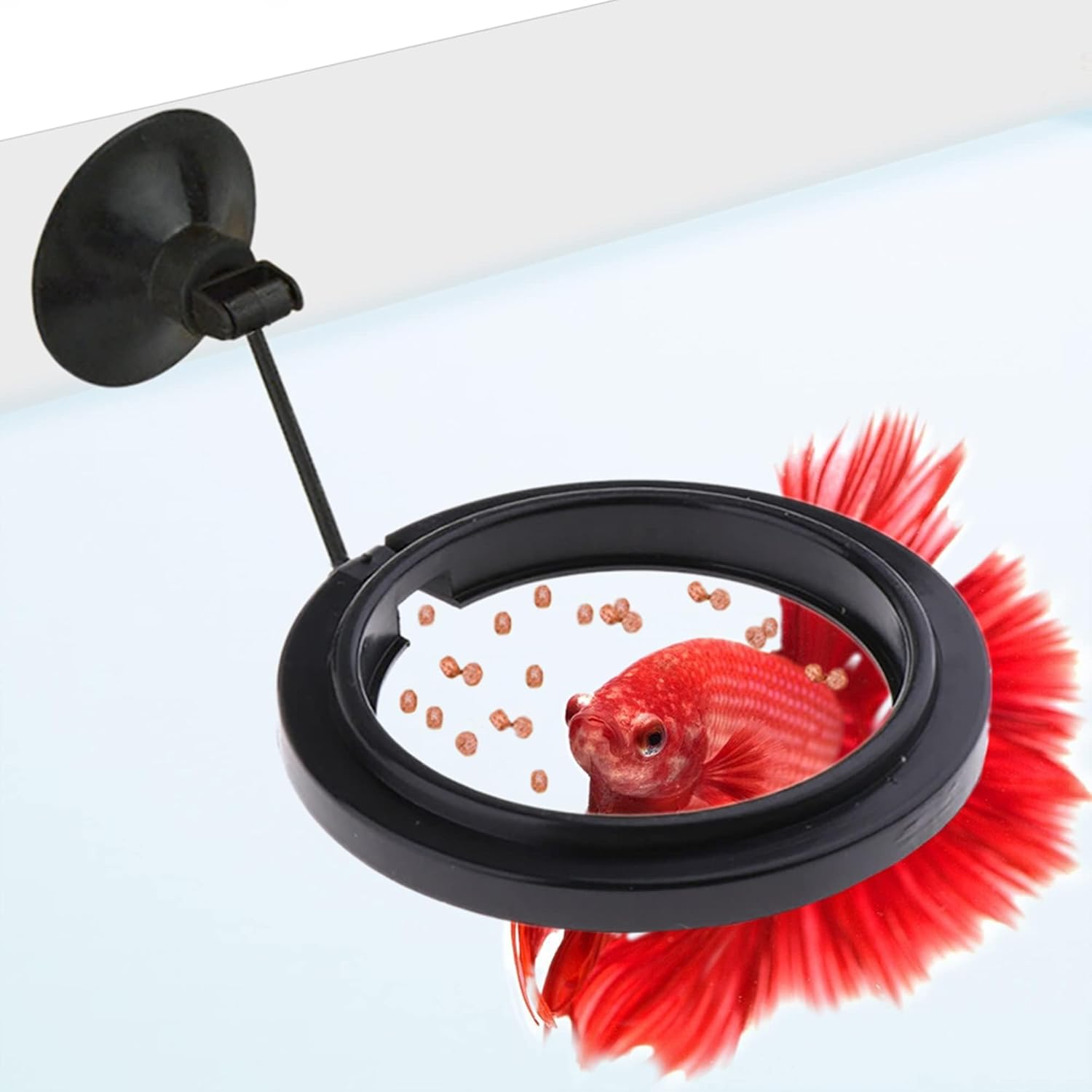
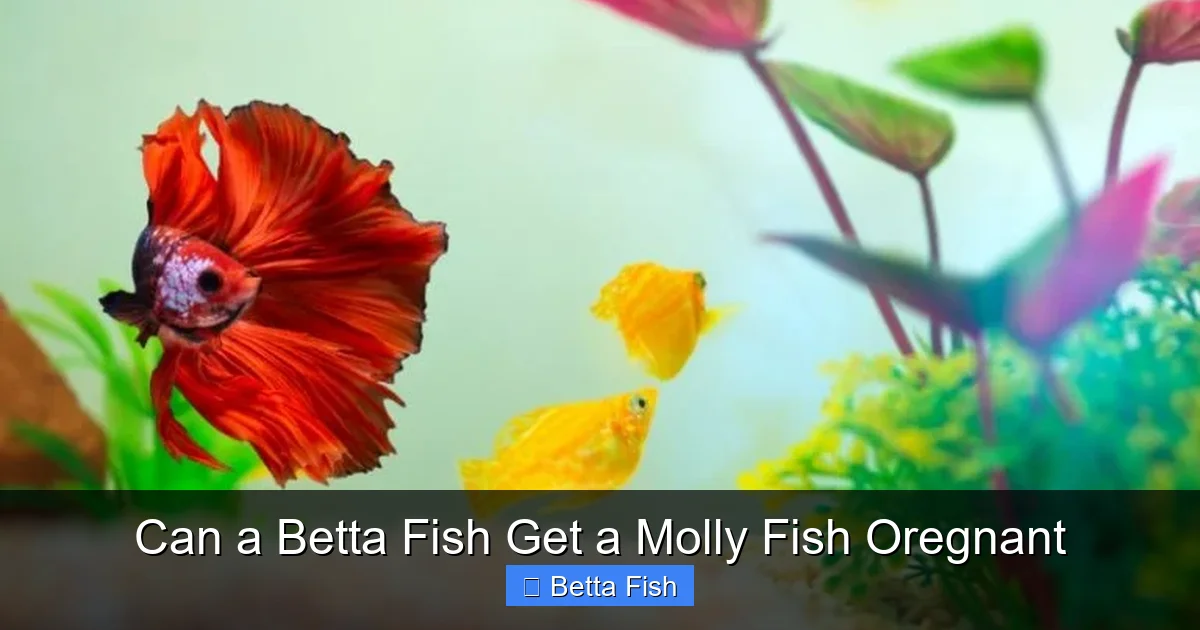
Male Bettas are notoriously territorial, especially toward fish with bright colors or long fins that they perceive as rivals. Mollies are generally peaceful, but some strains (e.g., “balloon” Mollies) have longer fins that might trigger a Betta’s aggression. The safest approach is to keep a female Betta with Mollies or a well‑behaved male Betta in a spacious tank.

Visual guide about Can a Betta Fish Get a Molly Fish Oregnant
Image source: bettacarefishguide.com
2.2 Water Parameter Harmony
Both species thrive in slightly warm tropical water. Ideal range:
- Temperature: 76‑80 °F (24‑27 °C)
- pH: 7.0‑7.5
- Hardness: 10‑20 dGH
These overlapping requirements make it easier to maintain a single environment for both.
2.3 Tank Size and Layout
A minimum of 20 gallons is recommended for a mixed community of one Betta and a small group of Mollies. Provide plenty of plants, caves, and driftwood to create visual barriers. This reduces the chance that the Betta will see the Mollies as intruders.
2.4 Practical Example: A Successful Community Set‑Up
John, a hobbyist from Texas, kept a female Betta with a trio of “black” Mollies in a 30‑gallon planted tank. He added dense Java fern and floating Anubias, which gave the Betta hiding spots and the Mollies cover from any brief chases. After a month, all fish were thriving without any signs of stress.
3. Breeding Mollies Safely While Keeping a Betta
3.1 Separate Breeding Tank
If you want Molly fry, set up a dedicated 10‑gallon breeding tank with a fine mesh lid (Molly fry are excellent jumpers). Use a breeding trap or a “breeder” female to keep the fry safe from the adult Betta.

Visual guide about Can a Betta Fish Get a Molly Fish Oregnant
Image source: miro.medium.com
3.2 Conditioning the Female Molly
Feed high‑quality live or frozen foods (brine shrimp, daphnia) twice daily for a week before breeding. This boosts egg production and improves fry survival.
3.3 Removing the Betta During Birth
When the female Molly is gravid (her abdomen will appear swollen), temporarily move the Betta to a separate holding tank. This prevents any accidental nipping of the newborn fry.
3.4 Raising Fry with the Betta
After the fry are a few days old and have absorbed their yolk sacs, you can slowly reintroduce the Betta. Keep a close eye on interactions; if the Betta shows aggression, use a divider or a breeding net to keep the fry protected.
4. Common Myths and Misconceptions
4.1 Myth: “Betta can fertilize Molly eggs”
Fact: Betta fertilization requires a bubble nest and external egg laying. Mollies never lay eggs, so there is nothing for a Betta to fertilize.
4.2 Myth: “Molly fry will grow into Betta‑like colors”
Fact: Coloration is species‑specific. Even if a Molly fry were somehow exposed to Betta water, its genetics stay Molly.
4.3 Myth: “Keeping them together will cause hybrid babies that are hard to identify”
Fact: Hybridization between Betta and Molly is biologically impossible, so no “hybrid” fish will ever appear.
5. Tips for a Stress‑Free Mixed Tank
5.1 Choose the Right Betta
Prefer a calm‑tempered female Betta or a male Betta with a less aggressive disposition. Look for individuals that display minimal flaring during acclimation.
5.2 Select Peaceful Molly Strains
Standard “short‑fin” Mollies are less likely to trigger Betta aggression compared to long‑fin “balloon” varieties.
5.3 Provide Hiding Places
Use live plants, PVC pipes, and ceramic caves. The more break lines of sight, the less territorial disputes.
5.4 Monitor Water Quality
Perform weekly 25 % water changes and test for ammonia, nitrite, and nitrate. Stable water parameters keep both species healthy and less prone to aggression.
5.5 Feed a Balanced Diet
Offer high‑quality Betta pellets, frozen bloodworms, and for Mollies, algae wafers and vegetable matter like blanched zucchini. A well‑fed fish is less likely to act out.
Conclusion: No, But You Can Keep Them Together Safely
In short, a Betta fish cannot get a Molly fish oregnant. Their reproductive methods are fundamentally different, making cross‑breeding impossible. However, with careful planning—appropriate tank size, compatible personalities, and proper water conditions—you can enjoy a vibrant community aquarium that includes both a Betta and Mollies. Remember to keep breeding activities separate, watch for signs of stress, and maintain excellent water quality. By following these guidelines, you’ll have a peaceful, colorful tank without the worry of accidental “Molly‑Betta” hybrids.
Related Reading
- Can You Keep Other Fish With A Betta
- What Fish Can Go With A Betta Fish
- Can A Male Betta Live With Other Fish
Frequently Asked Questions
Can a Betta fish fertilize Molly eggs?
No. Betta fish fertilize eggs externally using a bubble nest, while Mollies are live‑bearers and never lay eggs.
Will a Betta attack a Molly?
It can, especially if the Betta is male and the Molly has long fins. Providing plenty of hiding spots and choosing a peaceful Betta reduces risk.
What temperature works for both Betta and Molly?
Both species thrive in 76‑80 °F (24‑27 °C), making it easy to keep them in the same tank.
Do I need a separate tank for breeding Mollies?
Yes. To protect the fry from the Betta and adult Mollies, a dedicated breeding tank with a fine mesh lid is recommended.
Can I feed Betta pellets to Mollies?
Occasionally, but Mollies also need vegetable matter. A mixed diet of high‑quality pellets, algae wafers, and occasional frozen foods works best.
Is it safe to keep a female Betta with Mollies?
Generally yes, as female Bettas are less territorial than males. Still, monitor behavior and provide plenty of plants and décor.