How to Setup Your Betta Fish Tank
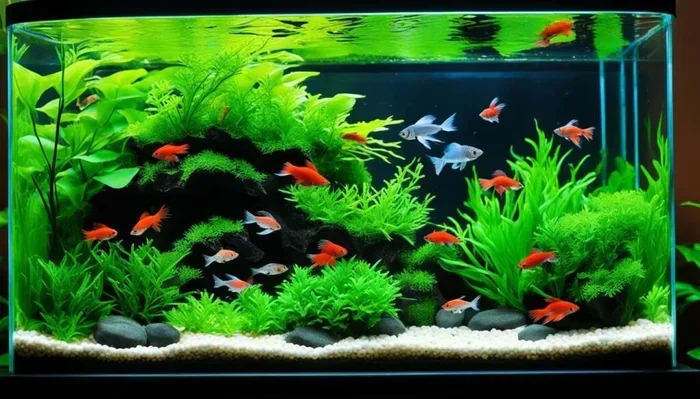
Setting up a betta fish tank doesn’t have to be hard. This guide walks you through every step, from choosing the right tank size to adding your first fish safely. You’ll learn about essential equipment, water preparation, cycling, and decorating your betta’s new home.
Setting up a betta fish tank is one of the most rewarding things you can do as a fish owner. A well-planned tank gives your betta a happy, healthy home where it can thrive for years. Whether you are a complete beginner or have kept fish before, this guide covers everything you need to know.
Your betta deserves more than a tiny bowl. These beautiful fish need proper space, clean water, and the right temperature to stay active and colorful. In this article, we will walk you through every step of the betta fish tank setup process in simple, easy-to-follow steps. By the end, you will feel confident and ready to build the perfect home for your finned friend.
Key Takeaways
- Choose at least a 5-gallon tank: This gives your betta enough room to swim and stay healthy.
- Cycle your tank before adding fish: This builds beneficial bacteria that keep water safe and clean.
- Invest in a heater and filter: Bettas need warm, clean water to thrive long-term.
- Use water conditioner every time: Tap water contains chlorine that can harm your betta.
- Add gentle decorations and live plants: These create a natural, stress-free environment for your fish.
- Test water parameters regularly: Monitoring ammonia, nitrite, and nitrate levels prevents health problems.
- Do weekly water changes: Regular maintenance keeps the tank clean and your betta happy.
📑 Table of Contents
- Why Proper Tank Setup Matters for Your Betta
- Step 1: Choose the Right Tank Size
- Step 2: Gather Essential Equipment
- Step 3: Set Up the Tank and Decorations
- Step 4: Cycle the Tank Before Adding Your Betta
- Step 5: Prepare and Add Water
- Step 6: Maintain Your Tank After Setup
- Common Mistakes to Avoid When Setting Up a Betta Tank
- Expert Tips for a Thriving Betta Tank
- Conclusion
Why Proper Tank Setup Matters for Your Betta
A lot of people think bettas can live in small cups or bowls. That is a common myth. In reality, bettas are active swimmers that need room to explore. A proper betta aquarium setup supports their physical health and mental well-being.
When you set up the tank correctly from day one, you avoid many common problems. These include stress, disease, and poor water quality. A well-designed betta habitat also makes it easier for you to maintain clean water over time. Think of it as building a foundation. Everything else rests on how well you set things up at the start.
Step 1: Choose the Right Tank Size
How Big Should a Betta Tank Be?
The minimum tank size for a single betta is 5 gallons. Some people think a 3-gallon tank works, but 5 gallons gives you much more stability. Larger water volumes dilute toxins more effectively and keep parameters steadier. This means less work for you in the long run.
If you want to keep your betta in a smaller tank, you will need to test the water more often and do frequent changes. A 5-gallon tank is the sweet spot for most hobbyists. It is big enough to feel like a real environment but small enough to manage easily.
Tank Shape and Placement Tips
Choose a tank that is longer rather than taller. Bettas swim horizontally, so more surface area matters. Place the tank on a sturdy stand away from direct sunlight. Sunlight can cause algae to grow out of control fast.
Also, keep the tank in a spot where your betta can see activity without being startled. Bettas are curious fish that enjoy observing their surroundings. A quiet corner of your living room or bedroom works great.
Step 2: Gather Essential Equipment
Before you start filling the tank, make sure you have all the equipment ready. Having everything on hand saves time and prevents last-minute trips to the store. Here is what you need for a proper betta fish tank setup.
Heater
Bettas are tropical fish, so they need warm water. The ideal temperature range is between 78 and 80 degrees Fahrenheit. A small adjustable heater rated for 5 to 10 gallons works perfectly. Keeping the water warm consistently is essential for your betta’s immune system and energy levels.
Look for a heater with a built-in thermostat. This takes the guesswork out of temperature control. Some heaters even come with suction cups that attach easily to the back of the tank.
Filter
A filter keeps the water clean by removing waste and debris. For bettas, choose a filter with a gentle flow. Bettas are slow swimmers, and strong currents can stress them out. Sponge filters or hang-on-back filters with a baffle work very well.
The filter also houses beneficial bacteria that help cycle the tank. These bacteria break down harmful ammonia into less toxic substances. This biological filtration is a key part of any successful aquarium setup.
Thermometer
A simple stick-on or digital thermometer lets you monitor the water temperature daily. Temperature swings can make your betta sick quickly. Checking the thermometer takes just a few seconds and gives you peace of mind.
Other Essential Items
- Water conditioner: Removes chlorine and chloramine from tap water.
- Substrate: Gravel or sand for the tank bottom.
- Lighting: A basic LED hood or strip light.
- Net: For safely handling your betta.
- Water test kit: To monitor ammonia, nitrite, nitrate, and pH levels.
Step 3: Set Up the Tank and Decorations
Now comes the fun part. Setting up the tank is where your vision comes to life. A well-decorated tank looks beautiful and gives your betta places to explore and hide.
Add Substrate First
Rinse your gravel or sand thoroughly before adding it to the tank. Use a colander and rinse until the water runs clear. Spread the substrate evenly across the bottom, creating a gentle slope if you like. About 1 to 2 inches of substrate works well for most setups.
Install Equipment
Attach the heater to the back wall of the tank. Place the filter according to the manufacturer’s instructions. Add the thermometer where you can easily read it. Fill the tank slowly with a plate or bowl to avoid disturbing the substrate.
Let the equipment run for at least 24 hours before adding anything else. This gives you time to check for leaks and make sure the heater and filter work properly.
Add Decorations and Plants
Bettas love places to explore. Add some smooth rocks, driftwood, or caves for hiding spots. Avoid decorations with sharp edges that could tear your betta’s delicate fins. Decorating your betta tank with natural elements creates a calming environment.
Live plants are an excellent choice. They help filter the water naturally and provide cover that makes your betta feel secure. Some easy plants for beginners include java fern, anubias, and amazon sword. If you prefer fake plants, choose silk varieties that won’t snag fins.
For more ideas on creating a beautiful and natural setup, check out our guide on how to decorate a betta fish tank.
Step 4: Cycle the Tank Before Adding Your Betta
This step is extremely important and often skipped by beginners. Cycling your tank means building up beneficial bacteria that process harmful toxins. Adding your betta to an uncycled tank can lead to serious health problems or even death.
Cycling a betta fish tank typically takes 4 to 6 weeks. During this time, beneficial bacteria colonies grow and establish themselves in your filter and substrate. These bacteria convert ammonia (from fish waste) into nitrite, and then into nitrate.
You can cycle your tank using fishless methods, which are safer and more humane. Add a source of ammonia like fish food or pure ammonia drops. Test the water regularly to track the nitrogen cycle. Once ammonia and nitrite read zero and nitrate is below 20 ppm, your tank is ready.
Some people choose to set up a fish tank for betta fish using a seeded filter media from an established tank. This can speed up the cycling process significantly. Whatever method you choose, patience is key.
How to Test Water During Cycling
Use a liquid test kit for the most accurate results. Test strips work in a pinch but are less reliable. Test the water every few days during the cycling process. Record your readings so you can track the progress.
The cycling process goes through three stages:
- Ammonia spike: Ammonia levels rise as waste breaks down.
- Nitrite spike: Nitrite-eating bacteria begin to colonize.
- Nitrate stage: Nitrate-eating bacteria convert nitrite to nitrate.
When you see ammonia and nitrite at zero and nitrate rising, the cycle is complete. At that point, you can safely add your betta to its new home.
Step 5: Prepare and Add Water
Treat Tap Water Properly
Never use tap water directly in your tank. Tap water contains chlorine and chloramine, which are toxic to fish. A good water conditioner neutralizes these chemicals instantly. Add the conditioner every time you add new water to the tank.
Let the water sit at room temperature before adding it. Cold water can shock your betta’s system. If you are doing a water change, match the temperature of the new water to the tank water as closely as possible.
Acclimate Your Betta to the New Tank
When you bring your betta home, do not dump it straight into the tank. Float the bag in the tank for 15 to 20 minutes. This equalizes the temperature. Then, slowly add small amounts of tank water to the bag over 20 to 30 minutes. Finally, use a net to gently transfer your betta into the tank.
Do not add the bag water to the tank. It may contain contaminants from the store. This acclimation process reduces stress and helps your betta adjust smoothly to its new betta fish environment.
Step 6: Maintain Your Tank After Setup
Setting up the tank is just the beginning. Regular maintenance keeps the water clean and your betta healthy. A consistent routine makes all the difference.
Weekly Water Changes
Do a 25 to 30 percent water change every week. Use a gravel vacuum to remove debris from the substrate. Replace the removed water with fresh, conditioned water at the right temperature.
Regular water changes are the single most important thing you can do for your betta’s health. They remove excess nitrates and other waste products that build up over time.
Feeding Your Betta Properly
Feed your betta 2 to 3 pellets or a small amount of frozen food once or twice a day. Overfeeding is one of the most common mistakes new fish owners make. Uneaten food rots in the water and pollutes it quickly.
Remove any uneaten food after a few minutes. A varied diet of high-quality pellets, bloodworms, and brine shrimp keeps your betta healthy and colorful.
Monitoring Water Parameters
Test the water at least once a week. You want ammonia and nitrite at zero, and nitrate below 20 ppm. If any of these levels are off, do a water change immediately and retest.
Keeping a simple log of your test results helps you spot trends early. Prevention is always easier than treating problems after they appear.
Common Mistakes to Avoid When Setting Up a Betta Tank
Learning from other people’s mistakes saves you time and heartache. Here are the most common errors to avoid during your betta fish tank setup.
- Using a tank smaller than 5 gallons: Small tanks are unstable and require constant monitoring.
- Skipping the tank cycle: Adding a betta to an uncycled tank puts it at serious risk.
- Using a strong filter: Powerful currents stress bettas and make it hard for them to swim.
- Overfeeding: Excess food fouls the water quickly and causes health issues.
- Keeping the tank in direct sunlight: This promotes algae blooms that are hard to control.
- Using sharp or rough decorations: These can damage your betta’s long, delicate fins.
- Neglecting water changes: Even a cycled tank needs regular maintenance to stay safe.
By avoiding these mistakes, you give your betta the best possible start in its new home. A little prevention goes a long way toward keeping your fish healthy and happy.
Expert Tips for a Thriving Betta Tank
Here are some extra tips from experienced betta keepers that can take your setup to the next level.
Add floating plants like frogbit or water lettuce. Bettas love to rest near the surface, and floating plants provide natural shade and comfort. They also help absorb excess nutrients that algae would otherwise use.
Consider adding a gentle sponge filter to your setup. Sponge filters provide excellent biological filtration without creating strong currents. They are quiet, affordable, and very safe for bettas. If you want to learn more about keeping your tank in top shape, our article on how to clean your betta fish tank offers detailed maintenance tips.
Finally, observe your betta daily. Watching your fish is one of the best ways to catch problems early. A healthy betta should be active, have bright colors, and eat eagerly. Any changes in behavior or appearance are signals to check the water parameters right away.
Conclusion
Setting up a betta fish tank properly is the foundation of good fish care. From choosing the right tank size to cycling the water and adding gentle decorations, every step matters. Your betta will reward you with vibrant colors, lively behavior, and years of companionship when you give it the right home.
Follow the steps in this guide, stay consistent with maintenance, and always be patient. A well-set-up tank is a joy to own and watch. Start your betta fish tank setup today, and enjoy the wonderful world of betta keeping.
Frequently Asked Questions
What size tank does a betta fish need?
A 5-gallon tank is the minimum recommended size for a single betta. This provides enough space for swimming and stable water conditions. Larger tanks are always better if you have the room.
Do betta fish need a filter?
Yes, bettas benefit greatly from a filter. It helps maintain clean water and houses beneficial bacteria. Choose a filter with a gentle flow to avoid stressing your betta out.
How long does it take to cycle a betta tank?
Cycling a betta tank typically takes 4 to 6 weeks. This process builds the beneficial bacteria needed to break down harmful toxins. Patience during cycling leads to a healthier environment for your fish.
Can I add other fish with my betta?
Bettas can sometimes live with other peaceful fish in a tank of 10 gallons or more. However, bettas can be territorial, so careful selection is important. Always research compatibility before adding tank mates.
How often should I clean my betta fish tank?
Do a 25 to 30 percent water change every week. Clean the glass and vacuum the substrate during each change. For more detailed cleaning instructions, check out our guide on how to clean your betta fish tank.
What temperature should a betta tank be?
The ideal temperature for a betta tank is between 78 and 80 degrees Fahrenheit. Use a reliable heater and thermometer to maintain a stable temperature. Consistent warmth keeps your betta active and healthy.