How to Reduce Stress Levels of Betta Fish
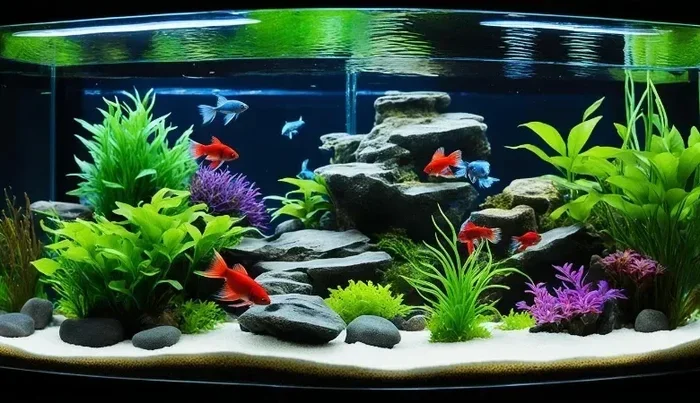
Reducing stress levels of betta fish is essential for their health and longevity. A well-planned tank setup, clean water, and a peaceful environment can make a huge difference. This guide covers the top strategies to keep your betta calm, happy, and thriving in any aquarium.
Every betta fish owner wants their pet to be happy and healthy. But did you know that stress is one of the biggest threats to your betta’s well-being? A stressed betta fish is more likely to get sick, lose its vibrant colors, and even stop eating. Understanding how to reduce stress levels of betta fish can add years to your fish’s life.
In this guide, we will walk you through practical, easy-to-follow steps. You will learn what causes stress, how to spot the warning signs, and exactly what you can do to fix the problem. Whether you are a new fish keeper or a seasoned hobbyist, these tips will help you create a peaceful betta habitat your fish will love.
The good news? Most stress factors are simple to address. You do not need expensive equipment or years of experience. With the right knowledge and a little effort, you can transform your betta’s world into a safe, comfortable home. Let us dive in and explore the best ways to keep your betta fish calm and relaxed.
Key Takeaways
- Proper tank size matters: A minimum of 5 gallons reduces stress and gives your betta room to thrive.
- Water quality is critical: Regular water changes and conditioning keep your betta fish stress-free.
- Watch for stress signs: Clamped fins, hiding, and loss of appetite are clear signals something is wrong.
- Tank mates need careful selection: Peaceful companions prevent aggression and reduce betta fish stress.
- Enrichment helps: Plants, caves, and gentle flow create a natural, calming habitat.
📑 Table of Contents
Why Stress Levels Matter for Betta Fish
Just like humans, betta fish experience stress when their environment feels unsafe. Chronic stress weakens their immune system and makes them vulnerable to disease. A healthy betta fish is a relaxed betta fish, and relaxation starts with understanding their needs.
In the wild, bettas live in warm, slow-moving waters in Southeast Asia. They are used to calm environments with plenty of hiding spots. When we keep them in tanks that do not mimic these conditions, they feel anxious. Over time, this anxiety builds up and causes real health problems.
Common stress-related illnesses include ich, fin rot, and bloating. These conditions are often preventable when you focus on reducing betta stress. The sooner you address the root causes, the better your fish’s chances of living a long, vibrant life.
Signs Your Betta Fish Is Stressed
Spotting stress early is the first step toward fixing it. Here are the most common signs to watch for:
- Clamped fins: When a betta holds its fins tight against its body, it is a classic stress signal.
- Hiding constantly: Bettas that hide behind decorations or stay in one corner may feel unsafe.
- Loss of appetite: A stressed betta fish often refuses food or eats very little.
- Faded colors: Bright colors dull when a betta is under pressure.
- Rapid breathing: Gasping at the surface or breathing quickly can indicate distress.
- Flaring at nothing: Excessive flaring at reflections or imaginary tank mates shows agitation.
If you notice any of these signs, do not panic. Take action right away by checking your water parameters, tank setup, and daily routine. Small changes can make a big difference in your betta fish behavior.
Choose the Right Tank Size
One of the biggest mistakes new owners make is keeping their betta in too small a container. A tiny bowl or vase might look cute, but it creates a stressful environment. Proper betta fish tank size is the foundation of a low-stress home.
A tank of at least 5 gallons is the recommended minimum for a single betta. This gives your fish enough room to swim freely and explore. In a smaller tank, water parameters like temperature and ammonia can change rapidly, which keeps your fish on edge.
Larger tanks are even better. A 10-gallon tank provides more stable water conditions and space for gentle enrichment. When your betta has room to move, it feels safer and more confident. This simple change alone can significantly reduce stress levels of betta fish.
Why Small Tanks Cause Stress
In a small container, waste builds up quickly. Ammonia spikes happen fast, and even a partial water change may not keep up. Your betta is constantly swimming through unhealthy water, which triggers a stress response. Over time, this wears down the fish’s body and mind.
A larger tank dilutes waste more effectively and gives you more room for error. It also allows you to add gentle filtration and heating without creating strong currents. Think of it this way: would you feel calm living in a tiny, crowded room? Your betta feels the same way.
Master Water Quality and Maintenance
Clean water is the single most important factor in keeping your betta relaxed. Betta fish water care should be a non-negotiable part of your routine. Poor water quality is the number one cause of stress in aquarium fish.
Start by testing your water regularly. Use a liquid test kit to check ammonia, nitrite, nitrate, and pH levels. Ammonia and nitrite should always read zero. Nitrates should stay below 20 ppm. When these levels are off, your betta is living in a toxic environment.
Perform partial water changes every week. Replace about 25 to 30 percent of the tank water with fresh, conditioned water. This removes waste buildup and refreshes the environment. Proper water maintenance is the backbone of a healthy, stress-free aquarium.
Use the Right Water Conditioner
Tap water contains chlorine and chloramine that are harmful to bettas. Always use a water conditioner before adding new water to the tank. A good conditioner neutralizes these chemicals and adds beneficial electrolytes that support your fish’s slime coat.
Let the water sit out for a few hours if you are not using a conditioner, but this method does not remove chloramine. A reliable conditioner is the safest and fastest option. It takes just a few seconds to treat water before a water change, and it protects your betta every time.
Maintain Stable Temperature
Bettas are tropical fish and need warm, stable water. The ideal temperature range is between 78 and 80 degrees Fahrenheit. When the water is too cold, bettas become sluggish and prone to illness. When it fluctuates too much, stress builds up quickly.
Use a reliable aquarium heater with a thermostat to keep the temperature steady. Place the heater near the filter outflow to distribute warmth evenly. A stable temperature gives your betta a sense of security, which directly lowers betta fish stress.
Create a Calm and Enriching Environment
The setup of your tank plays a huge role in how your betta feels. A bare-bottom tank with nothing in it can feel scary and exposed. On the other hand, a tank with too many sharp decorations can cause injury. Finding the right balance is key to a peaceful betta habitat.
Start with a soft, fine-grained substrate. This is gentle on your betta’s delicate fins and looks natural. Add live or silk plants that provide hiding spots and resting areas. Bettas love to explore and claim small territories, and plants give them a sense of ownership without danger.
Include a few caves or shelters where your betta can retreat when it feels overwhelmed. Driftwood and smooth rocks also make great additions. The goal is to create a natural betta fish environment that feels safe and interesting without being cluttered.
Avoid Strong Water Flow
Bettas are not strong swimmers. They prefer slow, gentle water movement. A powerful filter can create currents that tire your fish out and keep it stressed. If your filter is too strong, baffle the output with a sponge or direct the flow toward the glass.
You can also add a pre-filter sponge to reduce intake flow. This protects your betta’s long fins from getting caught. Gentle water movement keeps the tank clean without making your fish feel like it is in a constant current. A calm flow is essential for a relaxed betta fish.
Lighting Matters
Too much light can stress your betta and encourage algae growth. Bettas need a natural day-night cycle to feel secure. Use a low-wattage LED aquarium light and keep it on for 8 to 10 hours a day.
Consider adding a timer so the light turns on and off automatically. This creates consistency, which helps your betta feel safe. At night, keep the tank in a dim or dark area of your home. Avoid placing the tank near a television or bright window, as constant visual stimulation can agitate your fish.
Select Compatible Tank Mates Carefully
One of the trickiest parts of betta keeping is choosing tank mates. Bettas can be territorial, and adding the wrong companion can cause serious betta fish stress. However, with the right choices, some fish can coexist peacefully and even provide enrichment.
Good tank mates for bettas include snails, ghost shrimp, and small peaceful bottom dwellers like corydoras pygmy. These creatures stay out of the betta’s way and do not nip at its fins. Avoid fish with bright colors or long fins, as bettas may see them as rivals.
If you are unsure about adding tank mates, it is perfectly fine to keep your betta alone. Many bettas live long, happy lives as the only fish in their tank. The key is to make sure the environment is still stimulating and engaging, even without companions.
Watch for Signs of Aggression
When you introduce any new creature to the tank, monitor your betta closely. Flaring, chasing, or nipping are signs that the tank mate is not a good fit. Remove the offending fish immediately if aggression continues.
Even peaceful tank mates can cause indirect stress if they compete for food or invade your betta’s favorite hiding spots. Pay attention to how your betta behaves after adding a new companion. A calm, curious betta is a happy betta, while a stressed betta will show clear warning signs.
Feed a Balanced and Consistent Diet
What and how you feed your betta directly affects its stress levels. A well-fed betta fish is a confident, active fish. An underfed or overfed betta, on the other hand, can become anxious and unhealthy.
Feed your betta high-quality pellets as the staple diet. Look for pellets specifically formulated for bettas with a high protein content. Supplement with frozen or live foods like bloodworms and brine shrimp a few times a week for variety and enrichment.
Stick to a consistent feeding schedule. Feed small amounts twice a day, and only what your betta can eat in two minutes. Overfeeding leads to bloating and poor water quality, both of which increase stress. A predictable routine helps your betta feel secure and reduces betta fish anxiety.
Fast Days Are Helpful
Giving your betta one fasting day per week can actually benefit its health. Fasting helps prevent constipation and gives the digestive system a break. Most bettas handle fasting days just fine and may even seem more eager to eat on feeding days.
On fast days, observe your betta’s behavior. A healthy betta will still swim around and explore. If your betta seems unusually lethargic on fast days, check your water parameters and consider adjusting the feeding schedule. Consistency and balance are the keys to a stress-free betta diet.
Handle Your Betta with Care
How you interact with your betta fish matters more than you might think. Bettas are delicate creatures, and rough handling or constant disturbance can cause chronic stress. Treating your fish gently builds trust and keeps your betta fish comfortable.
Avoid tapping on the glass or reaching into the tank suddenly. These actions startle your betta and make it feel threatened. When you need to clean the tank or check on your fish, move slowly and calmly. Your betta will learn that you are not a threat over time.
If you need to transport your betta, use a soft net and a clean container. Transporting your betta safely reduces the shock and stress of moving. Always handle your fish as little as possible and only when necessary.
Give Your Betta Time to Adjust
When you first bring a betta home, or when you rearrange the tank, give it time to adjust. Bettas need a settling-in period where they can explore and claim territory at their own pace. Avoid making major changes to the tank layout frequently.
If your betta hides for the first few days after a new setup, that is completely normal. Provide plenty of hiding spots and keep the environment quiet. With time, your betta will come out more and show its true personality. Patience is one of the best tools you have for reducing betta stress.
Conclusion
Reducing stress levels of betta fish is not complicated, but it does require attention and consistency. By choosing the right tank size, maintaining clean water, creating a calming environment, selecting compatible tank mates, feeding a balanced diet, and handling your fish gently, you set your betta up for a happy, healthy life. Every small effort you make adds up to a big difference in your fish’s quality of life.
Start with the changes that feel most manageable and build from there. Even one or two improvements can noticeably change your betta fish behavior for the better. Your betta depends on you for everything, and the love and care you put into its environment will be reflected in its vibrant colors, active swimming, and peaceful demeanor.
Remember, a relaxed betta fish is a beautiful betta fish. Take these tips, apply them consistently, and enjoy the rewarding experience of keeping a truly happy betta. Your fish will thank you with years of companionship and stunning displays of color and personality.
Frequently Asked Questions
What are the main causes of stress in betta fish?
The main causes include small tanks, poor water quality, incorrect temperatures, aggressive tank mates, and lack of hiding spots. Any change in the environment that makes your betta feel unsafe can trigger a stress response. Identifying and fixing the specific cause is the first step toward a calmer fish.
How can I tell if my betta fish is stressed?
Watch for clamped fins, constant hiding, loss of appetite, faded colors, rapid breathing, and excessive flaring. These are the most common signs that your betta is feeling anxious or unwell. If you notice several of these signs together, it is time to review your tank setup and water conditions.
What tank size is best for reducing betta stress?
A minimum of 5 gallons is recommended for a single betta fish. Larger tanks, such as 10 gallons, provide even more stability and room for enrichment. A bigger tank means more stable water parameters and less stress for your fish.
How often should I change my betta’s water?
Perform a 25 to 30 percent water change every week. This removes waste buildup and refreshes the tank environment. Consistent water maintenance is one of the most effective ways to keep your betta stress-free and healthy.
Can tank mates cause stress for betta fish?
Yes, the wrong tank mates can cause significant stress. Aggressive or flashy fish can trigger territorial behavior in bettas. Choose peaceful companions like snails or ghost shrimp, or consider keeping your betta alone if you are unsure.
Does diet affect betta fish stress levels?
Absolutely. A balanced, consistent diet keeps your betta healthy and confident. Overfeeding or underfeeding can lead to physical discomfort and behavioral changes. Stick to a regular feeding schedule with high-quality pellets and occasional supplements for the best results.
=== INTERNAL LINKS ===
For more tips on keeping your betta healthy, check out these helpful resources: