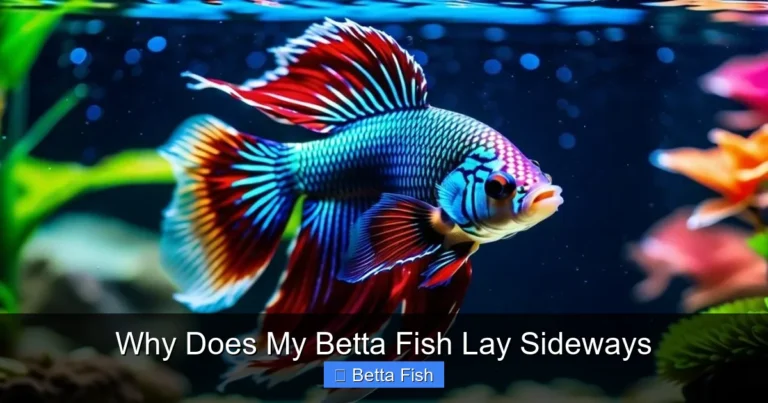
Can Betta Fish Live with Gold Fish
Can betta fish live with goldfish? The short answer is no. Betta fish and goldfish have completely different temperature needs, tank requirements, and temperaments. Goldfish produce massive waste, prefer cold water, and grow quite large, while bettas need warm, clean water and are territorial. Keeping them together almost always ends in stress, injury, or death for one or both fish. Read on to learn exactly why and what you should do instead.
Key Takeaways
- Temperature mismatch: Bettas need 76-82°F water while goldfish prefer 65-75°F, making it impossible to keep both comfortable in one tank.
- Waste and water quality: Goldfish are messy fish that produce enormous amounts of waste, which quickly fouls the water and stresses bettas.
- Size difference: Goldfish grow much larger than bettas and can view smaller tank mates as food or competition.
- Temperament clash: Betta fish are territorial and aggressive, while goldfish are active and curious, creating constant conflict.
- Tank size requirements: Goldfish need a minimum of 20-30 gallons each, while bettas need just 5+ gallons, so their space needs don’t align.
- Fin nipping risk: Some goldfish varieties have long, flowing fins that bettas may attack, and goldfish may nibble on betta fins.
- Better alternatives exist: Many peaceful community fish make excellent betta tank mates when properly introduced in a suitable tank.
📑 Table of Contents
- Can Betta Fish Live With Goldfish? The Honest Truth
- Understanding Betta Fish: Warm Water Warriors
- Understanding Goldfish: Cold Water Champions
- The 5 Big Reasons Betta Fish and Goldfish Cannot Live Together
- What Happens When You Put Betta Fish and Goldfish Together
- Best Tank Mates for Betta Fish (Better Alternatives)
- Best Tank Mates for Goldfish (If That’s Your Priority)
- Frequently Debunked Myths About Bettas and Goldfish
- Setting Up the Perfect Betta Tank
- Conclusion: Keep Bettas and Goldfish Separate
Can Betta Fish Live With Goldfish? The Honest Truth
If you’re a fish keeper, you’ve probably wondered at some point: can betta fish live with goldfish? It’s one of the most common questions in the aquarium hobby, and it makes sense why. Both bettas and goldfish are incredibly popular starter fish. They’re beautiful, widely available, and relatively affordable. It’s natural to want to put them together in one gorgeous tank.
But here’s the thing. Just because two fish are popular doesn’t mean they belong together. In fact, betta fish and goldfish are one of the worst tank mate combinations in the freshwater aquarium world. They have completely opposite needs when it comes to water temperature, tank size, water quality, and even their personalities. Putting them together is like trying to house a desert cactus and a tropical orchid in the same pot — one of them is going to suffer.
In this article, I’m going to break down exactly why betta fish and goldfish don’t mix. I’ll cover the science behind their incompatible needs, the behavioral conflicts you can expect, and — most importantly — what you should do instead. Whether you’re a beginner setting up your first tank or an experienced aquarist considering a new addition, this guide will help you make the right choice for your fish.
Understanding Betta Fish: Warm Water Warriors
Natural Habitat and Origin
Betta fish, also known as Siamese fighting fish, originate from the warm, shallow waters of Southeast Asia. Think rice paddies, slow-moving streams, and marshes in Thailand, Cambodia, and Vietnam. These waters are consistently warm, often reaching 80°F or higher, and are rich with vegetation. Bettas have evolved over millions of years to thrive in these specific conditions.
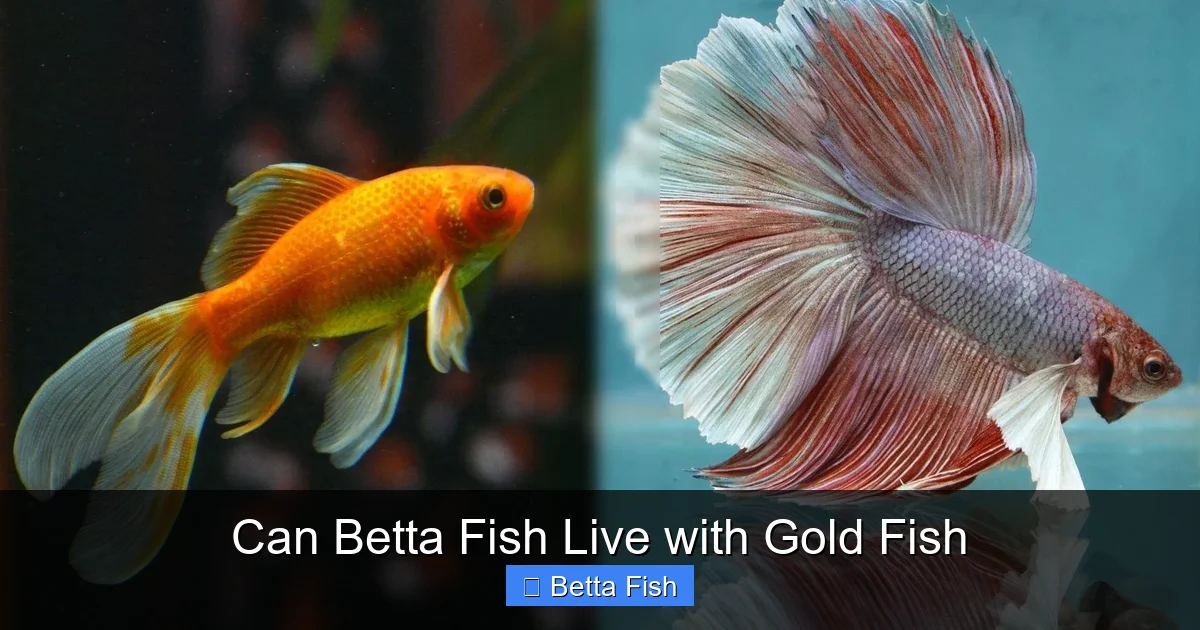
Visual guide about Can Betta Fish Live with Gold Fish
Image source: hepper.com
Because of their natural habitat, bettas are labyrinth fish. This means they have a special organ that allows them to breathe air from the surface. It’s a fascinating adaptation that helps them survive in oxygen-poor waters. But it also means they’re uniquely sensitive to water conditions and temperature changes.
Ideal Water Parameters for Bettas
If you want to keep a healthy betta, here are the water parameters you need to maintain:
- Temperature: 76-82°F (24-28°C) — This is non-negotiable. Bettas become sluggish, stressed, and prone to illness below 76°F.
- pH Level: 6.5-7.5 — Slightly acidic to neutral water is ideal.
- Water Hardness: Soft to moderately hard water works best.
- Ammonia and Nitrite: Always zero. Bettas are sensitive to poor water quality.
- Nitrate: Keep below 20 ppm for optimal health.
As you can see, bettas need warm, clean, and stable water conditions. Any sudden drops in temperature or spikes in toxins can cause serious health problems, including fin rot, ich, and swim bladder disease.
Betta Fish Temperament
Let’s talk about personality. Bettas are known for being territorial, aggressive, and feisty. Male bettas, in particular, will attack other male bettas on sight. They flare their gills, spread their fins, and charge at anything they perceive as a threat — including fish with similar colors or flowing fins.
This doesn’t mean bettas are mean. They’re simply hardwired to defend their territory. In the wild, a betta’s territory might be a small patch of vegetation in a rice paddy. In an aquarium, they view the entire tank as their domain. Any fish that enters that space — especially one with bright colors or long fins — may be seen as a rival.
For more information on finding suitable companions, check out our guide on what other fish can live with betta fish.
Understanding Goldfish: Cold Water Champions
Natural Habitat and Origin
Goldfish have a very different backstory. They were domesticated from Prussian carp in China over a thousand years ago. Their ancestors lived in cool, slow-moving rivers and lakes across East Asia. Unlike bettas, goldfish are cold-water fish that can tolerate a wide range of temperatures but genuinely prefer cooler conditions.
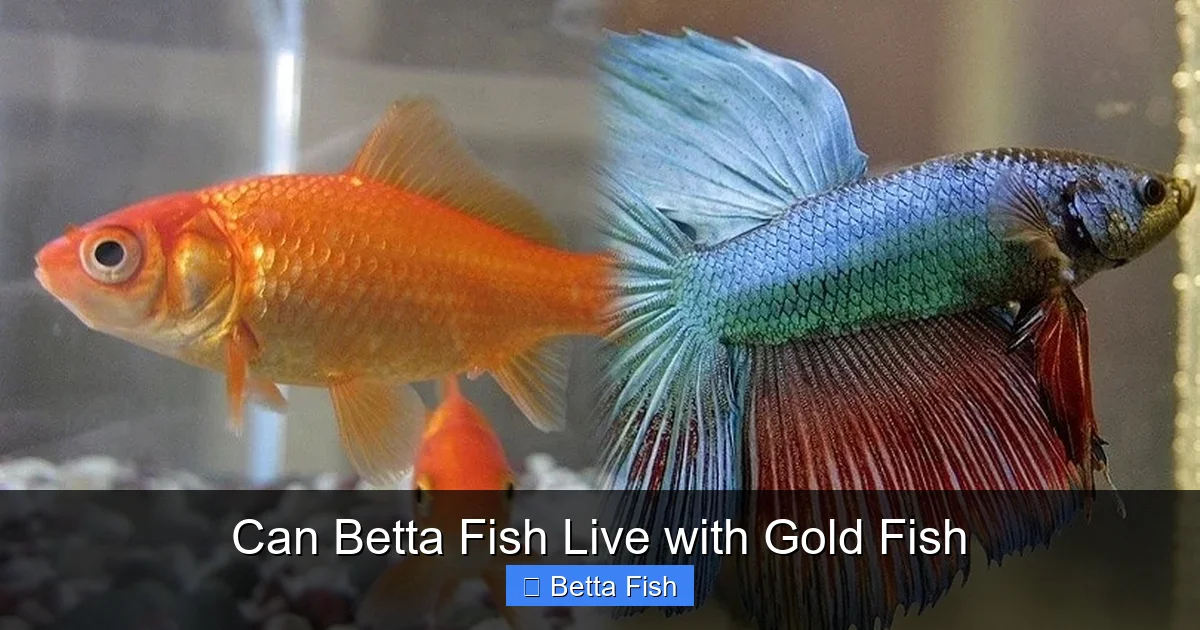
Visual guide about Can Betta Fish Live with Gold Fish
Image source: fishlab.com
Goldfish are also members of the carprinidae family, which includes koi, minnows, and other hardy freshwater fish. This heritage makes them incredibly resilient — but also very different from bettas in almost every way.
Ideal Water Parameters for Goldfish
Here’s what goldfish need to thrive:
- Temperature: 65-75°F (18-24°C) — Goldfish prefer cooler water and can become stressed above 75°F.
- pH Level: 7.0-8.0 — They prefer slightly alkaline water.
- Water Hardness: Moderately hard to hard water is ideal.
- Ammonia and Nitrite: Zero, though goldfish are more tolerant of minor fluctuations than bettas.
- Nitrate: Keep below 40 ppm, though goldfish are more forgiving than bettas.
Notice the stark contrast? Goldfish want cooler water with a higher pH. These requirements are fundamentally incompatible with what bettas need. You simply cannot create a comfortable environment for both species in the same tank.
Goldfish Size and Waste Production
Here’s something many new fish keepers don’t realize: goldfish get BIG. A common goldfish can grow 10-12 inches long or more. Fancy goldfish varieties are smaller but still reach 6-8 inches. Compare that to bettas, which max out at about 3 inches.
But size isn’t the only issue. Goldfish are
For bettas, excessive waste and poor water quality are major stressors that lead to disease. The ammonia and nitrite spikes common in goldfish tanks would be devastating to a betta’s health.
The 5 Big Reasons Betta Fish and Goldfish Cannot Live Together
1. Drastically Different Temperature Requirements
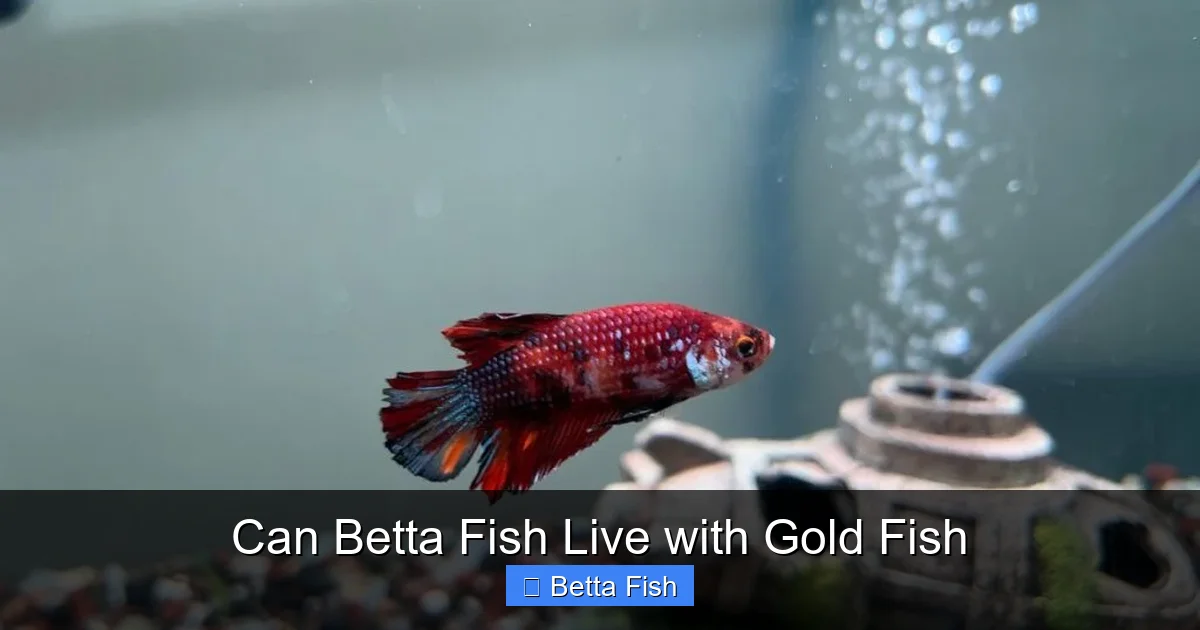
This is the single biggest reason betta fish cannot live with goldfish. Bettas are tropical fish that need water between 76-82°F. Goldfish are cold-water fish that prefer 65-75°F. There is almost no overlap in their comfort zones.
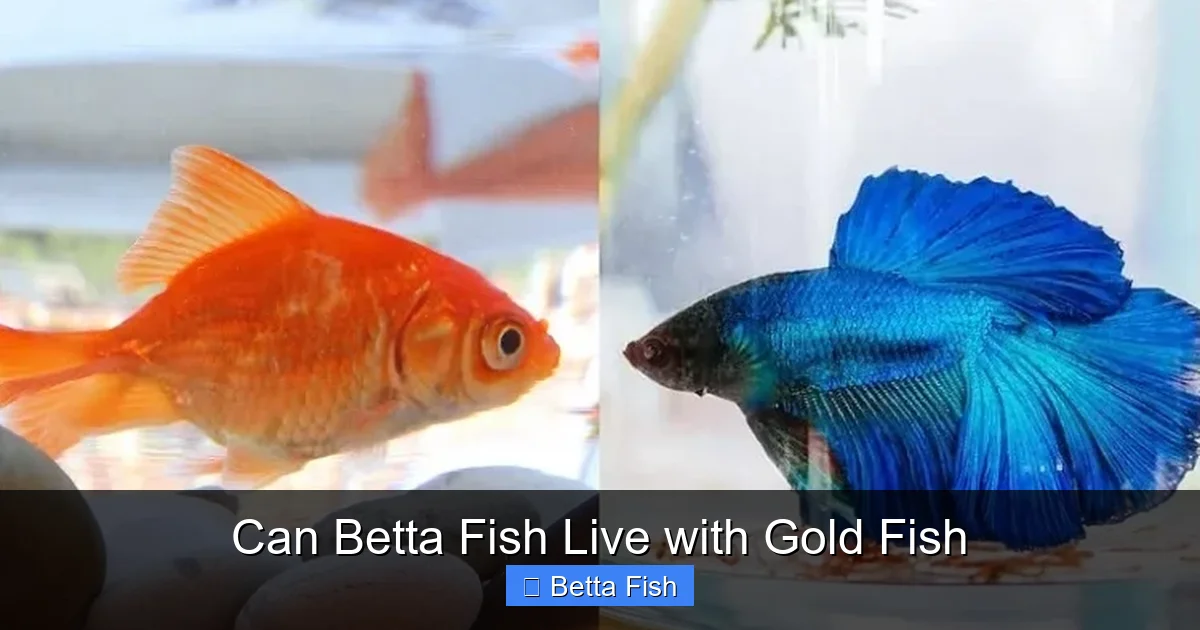
Visual guide about Can Betta Fish Live with Gold Fish
Image source: housedpet.com
If you keep the water at 78°F for your betta, your goldfish will become stressed, overheated, and susceptible to disease. If you keep it at 70°F for your goldfish, your betta will become lethargic, lose its appetite, and develop a weakened immune system. There is no middle ground that keeps both species healthy.
Some people suggest setting the temperature around 74-75°F as a “compromise.” But this temperature is too cold for bettas and too warm for goldfish. Both species will be uncomfortable, stressed, and more prone to illness. It’s a lose-lose situation.
2. Conflicting Tank Size Requirements
Goldfish need a LOT of space. A single fancy goldfish requires at least 20 gallons, and common goldfish need 30-40 gallons minimum — with an additional 10-15 gallons for each additional goldfish. This is because they grow large, produce enormous amounts of waste, and need plenty of swimming room.
Bettas, on the other hand, can live comfortably in a well-maintained 5-gallon tank (though 10 gallons is even better). While you could theoretically house both in a very large 40+ gallon tank, the temperature and behavioral issues would still make cohabitation problematic.
Our article on can a betta fish live with goldfish dives deeper into the specific challenges of housing these species together.
3. Extreme Differences in Waste Production
Goldfish are often called “messy fish” in the aquarium community, and that’s an understatement. They eat constantly, digest food inefficiently, and produce massive amounts of waste. This waste breaks down into ammonia, which is toxic to all fish — including goldfish themselves.
Bettas are much more delicate when it comes to water quality. They come from relatively clean, vegetated waters and are not adapted to handle high ammonia or nitrate levels. In a goldfish tank, the water quality would deteriorate rapidly, creating a hostile environment for a betta.
Even with a powerful filter, the waste load from goldfish is simply too much for a betta to handle. The stress of living in suboptimal water conditions would weaken the betta’s immune system and lead to infections, fin rot, and eventually death.
4. Behavioral and Temperament Conflicts
Bettas are territorial and aggressive. Goldfish are active, curious, and often clumsy. This combination is a recipe for disaster.
A betta may see a goldfish’s bright colors and flowing fins as a threat. Male bettas, in particular, are hardwired to attack anything that looks like a rival betta. Fancy goldfish with long, flowing tail fins (like fantails or orandas) are especially likely to trigger a betta’s aggression.
On the flip side, goldfish are not aggressive but they are enthusiastic eaters. They will swim around the tank investigating everything, including a betta’s territory. This constant intrusion will stress the betta, leading to chronic stress, loss of appetite, and a weakened immune system.
Larger goldfish may also accidentally injure a betta simply by swimming into it. A 10-inch goldfish doesn’t mean any harm, but its sheer size and weight can easily damage a delicate 3-inch betta.
5. Fin Nipping and Physical Danger
Here’s a lesser-known issue: some goldfish varieties are fin nippers. While they’re not typically aggressive, goldfish are opportunistic eaters and will nibble on anything that looks like food — including a betta’s beautiful flowing fins.
Betta fins are long, delicate, and slow-moving, making them irresistible targets for curious goldfish. Fin nipping causes physical damage, opens the door to infections, and creates enormous stress for the betta. A betta with nipped fins is more vulnerable to fin rot, a potentially fatal bacterial infection.
Conversely, a stressed betta may lash out at a goldfish’s fins. While bettas don’t typically nip fins like some tetra species, a territorial betta may chase and harass a goldfish relentlessly, causing both fish extreme stress.
What Happens When You Put Betta Fish and Goldfish Together
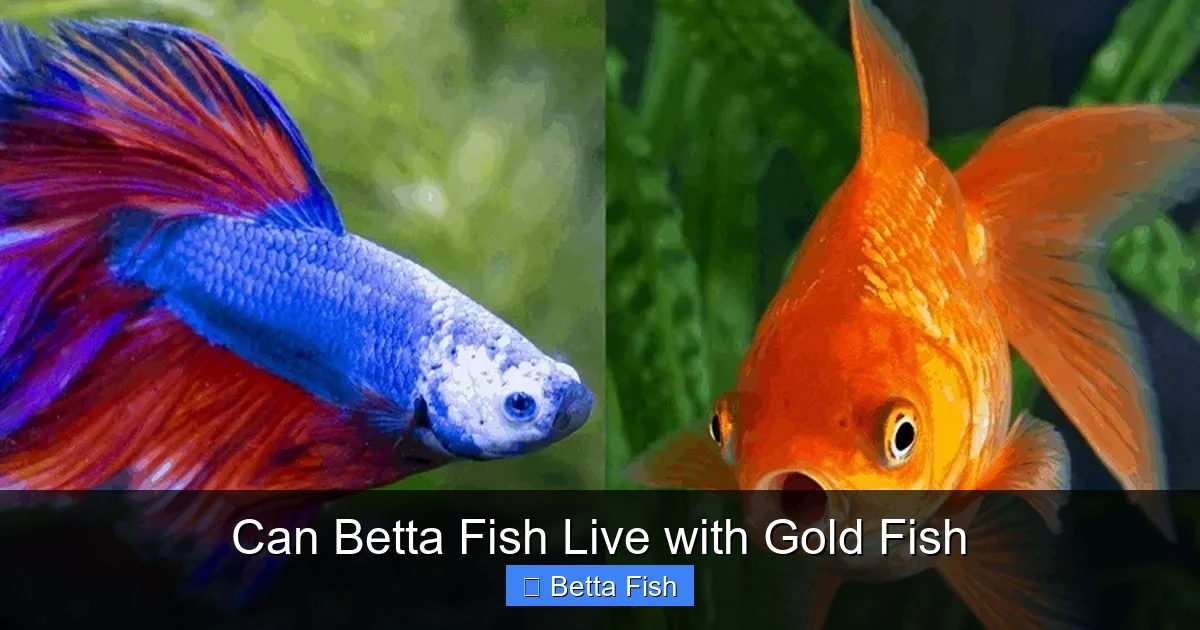
So what actually happens when someone ignores the advice and puts a betta and goldfish in the same tank? Here’s a realistic timeline of events:
Visual guide about Can Betta Fish Live with Gold Fish
Image source: fishlab.com
- Days 1-3: The fish seem okay at first. The betta may flare at the goldfish, and the goldfish may swim away curiously. Both fish are stressed but not yet showing obvious symptoms.
- Days 4-7: The betta begins chasing the goldfish more aggressively. The goldfish’s constant presence in the betta’s territory causes chronic stress. The betta may stop eating or hide. Water quality begins to deteriorate from the goldfish’s waste.
- Week 2: Fin damage appears. Either the goldfish has nipped the betta’s fins, or the betta has attacked the goldfish. The temperature compromise means both fish are uncomfortable. Ammonia levels rise, and one or both fish show signs of illness — clamped fins, lethargy, loss of color, or white spots (ich).
- Week 3-4: Without intervention, one or both fish are in serious decline. The betta may develop fin rot or ich. The goldfish may develop ammonia burns or bacterial infections. At this point, immediate separation is necessary to save their lives.
This isn’t a worst-case scenario — it’s a common outcome. Even experienced fish keepers who try this combination often end up with sick or dead fish. It’s simply not worth the risk.
Best Tank Mates for Betta Fish (Better Alternatives)
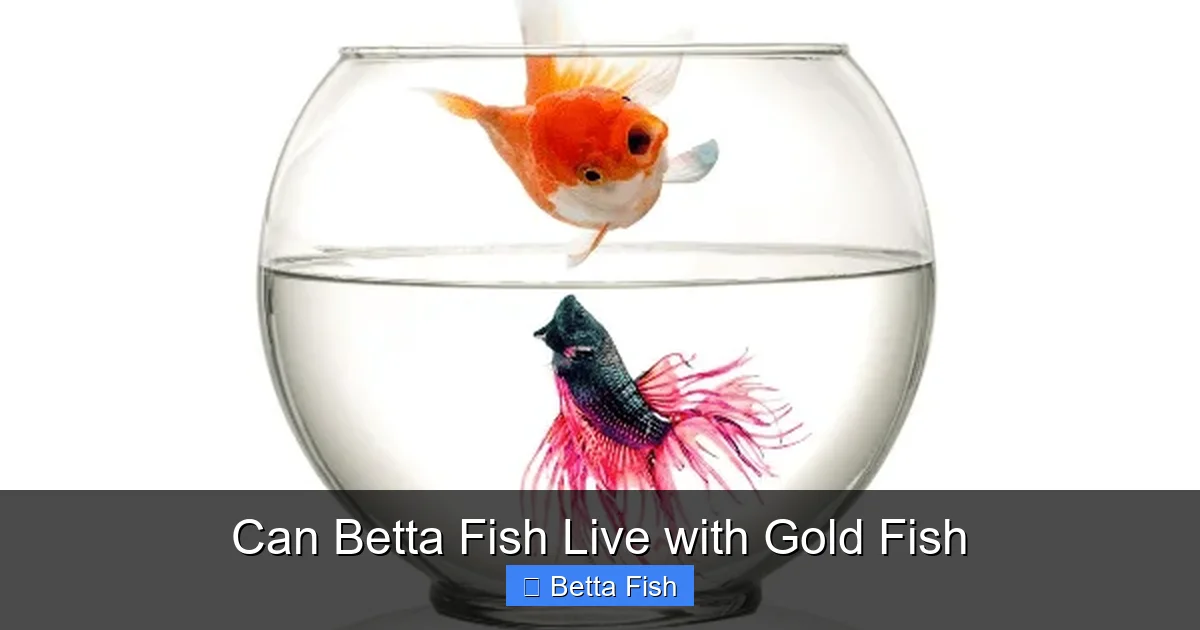
Now that we’ve established why betta fish cannot live with goldfish, let’s talk about what actually works. There are many peaceful, compatible tank mates for bettas that will create a beautiful, harmonious aquarium.
Visual guide about Can Betta Fish Live with Gold Fish
Image source: japanesefightingfish.org
Peaceful Bottom Dwellers
Bottom dwellers are excellent betta tank mates because they occupy a different area of the tank. This reduces territorial conflicts significantly.
- Corydoras catfish: These small, peaceful catfish stay at the bottom and mind their own business. A group of 4-6 corydoras in a 10+ gallon tank works beautifully with a betta.
- Kuhli loaches: These eel-like fish are peaceful, quirky, and fun to watch. They hide during the day and become active at night.
Learn more about compatible species in our articles on can betta fish live with snails and can betta fish live with shrimp.
Small, Peaceful Community Fish
If you have a larger tank (15+ gallons), you can add small, peaceful community fish that won’t trigger your betta’s aggression:
- Ember tetras: These tiny, orange fish are too small and fast to be seen as threats. A school of 6-8 adds beautiful color without provoking your betta.
- Harlequin rasboras: Peaceful, active, and colorful, rasboras make excellent betta tank mates in a properly sized tank.
- Otocinclus: These tiny algae eaters are peaceful and helpful for keeping your tank clean.
Invertebrate Tank Mates
Invertebrates are often the safest betta tank mates because they’re so different from fish that bettas usually ignore them:
- Cherry shrimp: Colorful, active, and peaceful. They also help clean up algae and uneaten food.
- Nerite snails: Excellent algae eaters that bettas generally leave alone. Their hard shells protect them from any curious pecks.
- Amano shrimp: Larger than cherry shrimp and excellent algae eaters. They’re big enough that most bettas won’t bother them.
Important Tips for Introducing Tank Mates
Before adding any tank mates to your betta’s aquarium, follow these essential steps:
- Ensure adequate tank size: Your tank should be at least 10 gallons for most community setups. A 5-gallon tank is only suitable for a single betta.
- Add hiding spots: Plants (real or silk), caves, and decorations give shy fish places to retreat. This reduces stress and aggression.
- Introduce tank mates first: If possible, add community fish before the betta. This prevents the betta from viewing the entire tank as its territory.
- Monitor closely: Watch for signs of aggression, stress, or fin nipping during the first few days. Be prepared to separate fish if needed.
- Maintain water quality: More fish means more waste. Upgrade your filter if needed and perform regular water changes.
Best Tank Mates for Goldfish (If That’s Your Priority)
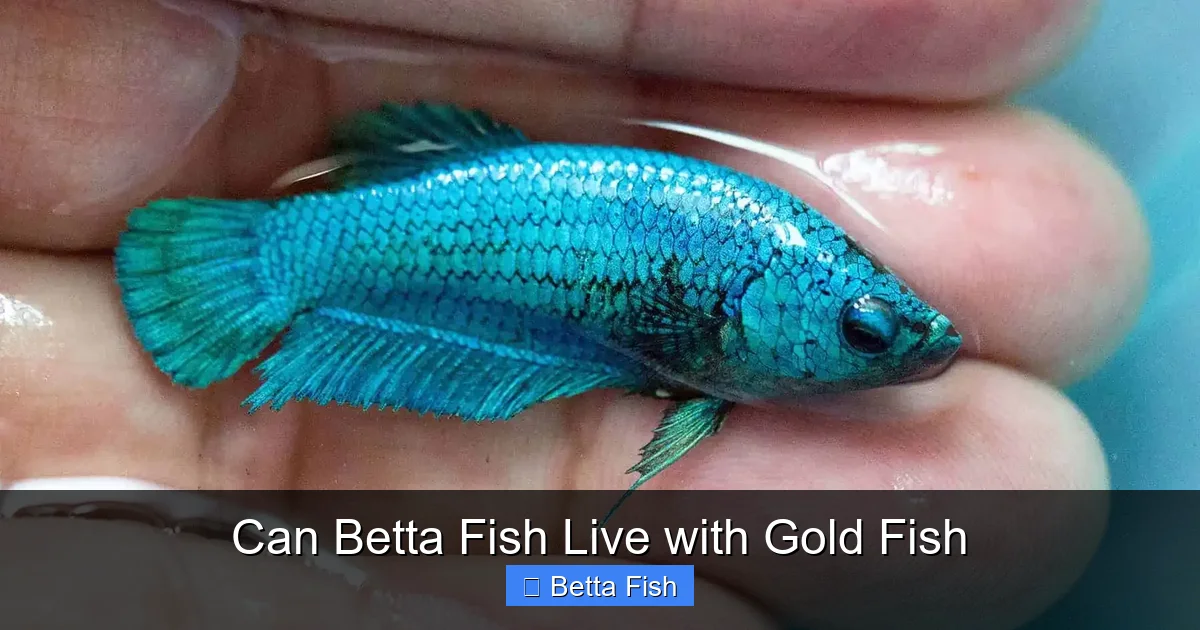
If you’re more interested in keeping goldfish, there are better options than bettas. Goldfish do best with other goldfish or similarly sized cold-water species:
Visual guide about Can Betta Fish Live with Gold Fish
Image source: bettasource.com
- Other goldfish: The best tank mate for a goldfish is another goldfish. Keep fancy varieties together and common goldfish together, as they have different swimming abilities.
- White cloud mountain minnows: These small, cold-water fish are peaceful and can tolerate the same temperature range as goldfish.
- Dojo loaches: Also known as weather loaches, these bottom dwellers are hardy, peaceful, and comfortable in cool water.
- Rosy barbs: These hardy fish can tolerate cooler water and are active enough to hold their own with goldfish.
Avoid keeping goldfish with any tropical fish that requires warm water. The temperature incompatibility will always be a problem, just as it is with bettas.
Frequently Debunked Myths About Bettas and Goldfish
There are several persistent myths in the aquarium hobby that lead people to believe betta fish and goldfish can coexist. Let’s set the record straight.
Myth: “They’re both freshwater fish, so they can live together”
This is like saying all mammals can live together because they’re all mammals. Freshwater fish have wildly different requirements. Some need warm water, others need cool water. Some need acidic water, others need alkaline. Being “freshwater” is not enough to determine compatibility.
Myth: “My betta and goldfish seem fine together”
Fish can appear fine for days or even weeks before the effects of stress and poor conditions become visible. By the time you see obvious signs of illness — clamped fins, white spots, lethargy — the fish has already been suffering for a long time. Absence of visible conflict doesn’t mean the fish are healthy or happy.
Myth: “A bigger tank will solve the problem”
A larger tank can reduce territorial aggression, but it cannot solve the fundamental temperature incompatibility. Even in a 50-gallon tank, you cannot maintain a temperature that’s comfortable for both bettas and goldfish. The issue isn’t space — it’s biology.
Myth: “Fancy goldfish are slower, so they won’t bother the betta”
While fancy goldfish are indeed slower than common goldfish, they’re still large, active, and curious. They will still investigate the betta’s territory, compete for food, and produce enormous amounts of waste. Their slower swimming also makes them more vulnerable to betta aggression, not less.
Setting Up the Perfect Betta Tank
Since we’ve established that bettas and goldfish don’t mix, let’s focus on creating the ideal environment for your betta fish. A well-set-up betta tank is a beautiful, thriving ecosystem that will keep your fish healthy and happy for years.
Choosing the Right Tank
The minimum tank size for a single betta is 5 gallons, but I strongly recommend 10 gallons if you want to add tank mates later. A larger tank is easier to maintain because water parameters stay more stable. Look for a tank with a gentle filter — bettas don’t like strong currents because they come from slow-moving waters.
Essential Equipment
Here’s what you need for a healthy betta tank:
- Heater: A reliable adjustable heater is essential. Set it to 78°F for optimal betta health.
- Filter: A gentle sponge filter or hang-on-back filter with adjustable flow works best.
- Thermometer: Always monitor the temperature to ensure it stays within the 76-82°F range.
- Lighting: LED lights are energy-efficient and help live plants grow.
- Lid: Bettas are jumpers! Always keep a lid on the tank.
Decorating Your Betta Tank
Bettas love a heavily planted tank with plenty of hiding spots. Here are some great options:
- Live plants: Java fern, anubias, Amazon sword, and floating plants like water sprite are all excellent choices.
- Silk plants: If you don’t want the maintenance of live plants, silk plants are a safe alternative. Avoid plastic plants, which can tear betta fins.
- Caves and hides: Small caves, coconut shells, and driftwood provide hiding spots that reduce stress.
- Soft substrate: Sand or smooth gravel is gentle on betta fins and makes cleaning easier.
Water Maintenance Schedule
Consistent water maintenance is the key to a healthy betta tank:
- Weekly: Change 20-25% of the water using a gravel vacuum to remove waste.
- Monthly: Test water parameters (ammonia, nitrite, nitrate, pH) and clean the filter media.
- As needed: Top off evaporated water with dechlorinated water.
Always use a water conditioner to remove chlorine and chloramine from tap water before adding it to the tank. Chlorine is deadly to fish and beneficial bacteria alike.
Conclusion: Keep Bettas and Goldfish Separate
So, can betta fish live with goldfish? The answer is a clear and definitive no. These two popular fish species have fundamentally incompatible needs that make cohabitation dangerous for both animals.
From the temperature mismatch that makes it impossible to keep both species comfortable, to the goldfish’s enormous waste production that would foul the water and stress a delicate betta, to the behavioral conflicts that would lead to aggression and injury — every aspect of their care requirements points to one conclusion: these fish belong in separate tanks.
The good news is that both bettas and goldfish are wonderful pets when kept in the right conditions. A well-maintained betta tank with peaceful compatible tank mates can be a stunning centerpiece in any room. A properly sized goldfish tank with appropriate cold-water companions can provide years of enjoyment.
The key to success in fish keeping is understanding each species’ unique needs and respecting them. Don’t let the desire for a diverse tank override the welfare of your fish. Give your betta the warm, clean, planted aquarium it deserves. Give your goldfish the cool, spacious tank it needs. Both will reward you with vibrant colors, active behavior, and years of companionship.
If you’re looking for the best companions for your betta, be sure to read our comprehensive guides on what fish can live with betta for detailed recommendations on compatible species.
Frequently Asked Questions
Can betta fish and goldfish live together in a large tank?
No, even a large tank cannot solve the fundamental incompatibility between bettas and goldfish. The temperature requirements alone make cohabitation impossible — bettas need 76-82°F while goldfish prefer 65-75°F. Additionally, goldfish produce enormous amounts of waste that would compromise water quality for a sensitive betta, and their size difference creates physical danger.
What temperature is safe for both betta fish and goldfish?
Unfortunately, there is no temperature that is truly safe and comfortable for both species. A compromise temperature around 74-75°F is too cold for bettas (leading to lethargy and weakened immunity) and too warm for goldfish (causing stress and reduced oxygen levels). There is simply no middle ground that works biologically.
Will my betta fish attack a goldfish?
There’s a very high chance of aggression issues. Male bettas are territorial and may view a goldfish’s bright colors and flowing fins as a threat, triggering attacks. Even if the betta doesn’t physically attack the goldfish, the constant stress of chasing and harassment can weaken both fish and lead to illness.
Can a betta fish kill a goldfish?
While bettas are small (around 3 inches), they are surprisingly aggressive and have sharp teeth. A betta can inflict serious damage on a goldfish’s fins and body, especially fancy goldfish varieties with delicate, flowing fins. Additionally, the stress of constant harassment can weaken a goldfish’s immune system, leading to fatal infections.
What is the best tank setup for betta fish?
The ideal betta setup includes a minimum 5-gallon tank (10 gallons preferred), an adjustable heater set to 78°F, a gentle filter, live or silk plants for hiding spots, and a secure lid to prevent jumping. Maintain water parameters at pH 6.5-7.5, zero ammonia and nitrite, and perform weekly 20-25% water changes.
What fish can live with goldfish instead of bettas?
Goldfish do best with other goldfish of similar variety and size. Compatible cold-water tank mates include white cloud mountain minnows, dojo loaches, and rosy barbs. Avoid tropical fish like bettas, guppies, or tetras, as they require much warmer water than goldfish can tolerate.