Can Betta Fish Share a Tank with Goldfish
Can betta fish share a tank with goldfish? The short answer is no. While both are popular beginner fish, bettas and goldfish have vastly different temperature, water, and behavioral needs that make cohabitation stressful and potentially fatal for both. This article breaks down exactly why these two species are incompatible tank mates and what you should do instead.
Key Takeaways
- Temperature mismatch: Bettas need warm water (76–82°F), while goldfish thrive in cooler water (68–74°F). One species will always be uncomfortable.
- Water quality differences: Goldfish produce far more waste than bettas, leading to rapid ammonia spikes that can poison both fish.
- Temperament conflicts: Bettas are territorial and may attack goldfish, especially fancy goldfish with flowing fins that resemble rival bettas.
- Dietary needs differ: Goldfish need plant-heavy diets, while bettas require high-protein foods. Feeding one diet harms the other.
- Space requirements: Goldfish need much larger tanks (20+ gallons for one), while bettas can live in 5+ gallons. A shared tank is rarely big enough for both.
- Health risks: Stress from incompatible conditions weakens immune systems, making both fish prone to disease.
- Better alternatives exist: Both species thrive with their own kind or compatible tank mates suited to their specific needs.
📑 Table of Contents
- Can Betta Fish Share a Tank with Goldfish? The Honest Answer
- Understanding Betta Fish: Warm Water Warriors
- Understanding Goldfish: Cold Water Champions
- The Core Problem: Temperature Incompatibility
- Water Quality and Filtration Challenges
- Temperament and Aggression Issues
- Dietary Differences: Feeding Challenges
- Health Risks of Cohabitation
- What Happens If You Try Anyway?
- Better Alternatives for Both Species
- Setting Up Separate Tanks: A Simple Guide
- Frequently Asked Questions
- Conclusion: Keep Them Separate, Keep Them Happy
Can Betta Fish Share a Tank with Goldfish? The Honest Answer
If you’re new to fishkeeping, you might wonder: Can betta fish share a tank with goldfish? It seems like a simple question, but the answer is more complicated than a yes or no. Both bettas and goldfish are incredibly popular starter pets. They’re colorful, hardy, and widely available. So it’s natural to think they’d make great tank mates.
Unfortunately, the reality is quite different. While both fish are beautiful and fascinating, they come from completely different environments and have opposite care needs. Putting them together usually leads to stress, illness, or even death for one or both fish. In this article, we’ll explore exactly why bettas and goldfish don’t mix, what happens if you try, and what you can do instead to keep both species happy and healthy.
Understanding Betta Fish: Warm Water Warriors
Natural Habitat and Preferences
Betta fish, also known as Siamese fighting fish, originate from the warm, shallow waters of Southeast Asia. Think rice paddies, slow-moving streams, and flooded marshes in Thailand, Cambodia, and Vietnam. These environments are consistently warm, often between 76 and 82 degrees Fahrenheit. The water is typically soft and slightly acidic.

Visual guide about Can Betta Fish Share a Tank with Goldfish
Image source: i.ytimg.com
Because of this tropical heritage, bettas are built for warmth. They have a special organ called a labyrinth organ that allows them to breathe air directly from the surface. This adaptation helps them survive in oxygen-poor waters, but it also means they need access to the water’s surface at all times.
Temperament and Behavior
Bettas are known for their bold personalities and striking colors. Males, in particular, are highly territorial. In the wild, they defend small patches of water from other males. This instinct doesn’t disappear in captivity. A male betta will flare his gills, spread his fins, and attack anything he perceives as a rival.
This territorial nature is one of the biggest reasons bettas and goldfish don’t get along. A goldfish swimming past a betta might trigger an aggressive response, especially if the goldfish has long, flowing fins that look like another betta.
Understanding Goldfish: Cold Water Champions
Natural Habitat and Preferences
Goldfish are domesticated carp originally from East Asia. Their ancestors lived in cool, slow-moving rivers and lakes. Unlike bettas, goldfish are cold-water fish. They thrive in temperatures between 68 and 74 degrees Fahrenheit. Some varieties, like common goldfish, can even tolerate temperatures down to 50°F.
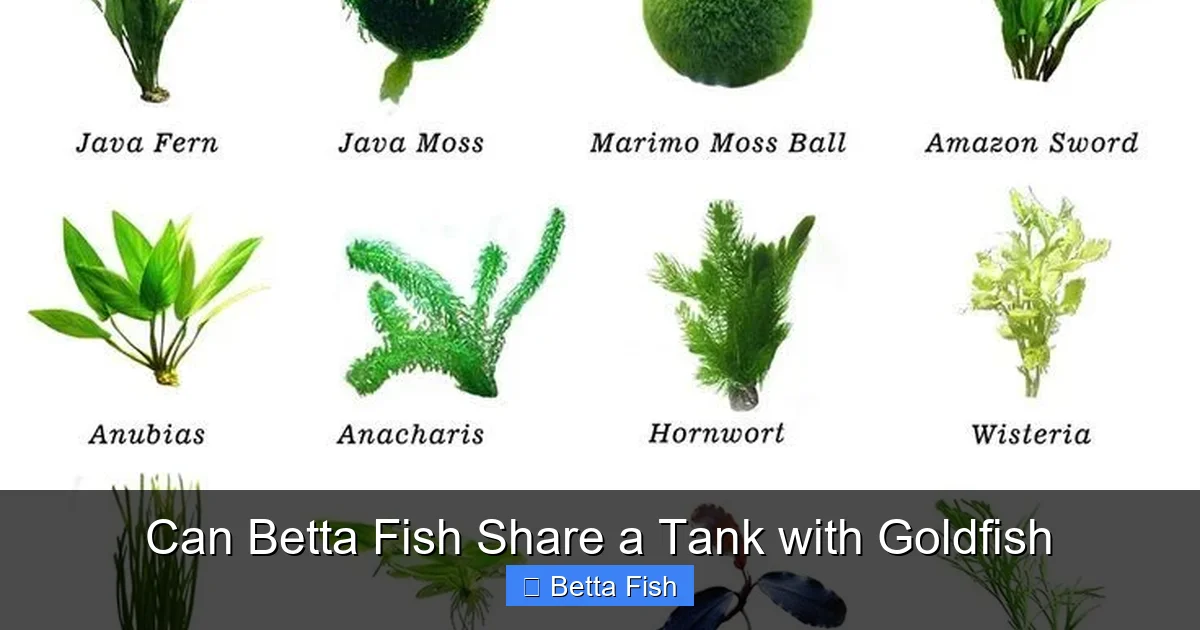
Visual guide about Can Betta Fish Share a Tank with Goldfish
Image source: i.pinimg.com
Goldfish are also incredibly messy. They produce a lot of waste compared to most aquarium fish. This means they need excellent filtration and frequent water changes to stay healthy. A single fancy goldfish needs at least 20 gallons of water, and common goldfish need even more.
Growth and Space Requirements
One of the biggest misconceptions about goldfish is that they stay small. In reality, common goldfish can grow up to 12 inches long. Even fancy varieties reach 6 to 8 inches. They’re active swimmers that need plenty of room to move around.
This is another major issue when considering a shared tank. A betta can live happily in a 5-gallon tank, but a goldfish would quickly outgrow such a small space. The goldfish would become stunted and stressed, while the betta would suffer from poor water quality caused by the goldfish’s waste.
The Core Problem: Temperature Incompatibility
Why Temperature Matters So Much
The single biggest reason bettas and goldfish can’t share a tank is temperature. Bettas need warm water to stay healthy. Their metabolism, immune system, and digestion all depend on temperatures between 76 and 82°F. If the water is too cold, bettas become sluggish, lose their appetite, and become vulnerable to diseases like fin rot and ich.
Goldfish, on the other hand, prefer cooler water. Temperatures above 75°F can stress goldfish, reduce their lifespan, and increase their susceptibility to bacterial infections. Warm water also holds less dissolved oxygen, which is a problem for goldfish since they need well-oxygenated water to thrive.
The Impossible Compromise
You might think, “What if I set the temperature somewhere in the middle, like 75°F?” Unfortunately, this doesn’t work. At 75°F, the betta is at the very bottom of its comfort range, and the goldfish is at the top of its range. Neither fish would be truly comfortable. Over time, this compromise would weaken both fish and lead to health problems.
There’s no temperature that satisfies both species. One will always be too warm, and the other will too cold. This fundamental incompatibility makes cohabitation a losing proposition for everyone involved.
Water Quality and Filtration Challenges
The Goldfish Waste Problem
Goldfish are notorious for producing large amounts of waste. They eat a lot, and what goes in must come out. This waste breaks down into ammonia, which is toxic to all fish. In a properly sized tank with good filtration, ammonia is converted to less harmful substances. But in a smaller tank shared with a betta, ammonia levels can spike dangerously fast.
Bettas are sensitive to poor water quality. High ammonia levels can burn their gills, damage their fins, and cause stress. Even if you’re diligent about water changes, the goldfish’s waste production makes it nearly impossible to maintain pristine conditions in a shared tank.
Filtration Needs
Goldfish need strong filtration to handle their waste output. But bettas prefer calm water with minimal current. A powerful filter that keeps the water clean for the goldfish would create too much flow for the betta. The betta would struggle to swim, become stressed, and might even be pushed around by the current.
On the other hand, a gentle filter suitable for a betta wouldn’t be strong enough to handle the goldfish’s waste. You’d end up with dirty water that harms both fish. It’s a catch-22 with no good solution.
Temperament and Aggression Issues
Betta Aggression
Male bettas are aggressive by nature. They’re called fighting fish for a reason. In the wild, they fight other males to defend their territory. In a home aquarium, this aggression can be directed at any fish that enters their space.
Goldfish, especially fancy varieties with long, flowing tails, can trigger a betta’s aggressive instincts. The betta might see the goldfish as a rival and attack. These attacks can result in torn fins, injuries, and severe stress for the goldfish.
Goldfish Nipping Behavior
While goldfish aren’t typically aggressive, they can be curious and nippy. They might nibble on a betta’s long, flowing fins. This nipping can cause injuries that become infected, leading to fin rot or other diseases. Even if the goldfish doesn’t mean to harm the betta, the damage can be serious.
The combination of betta aggression and goldfish nipping creates a hostile environment. Neither fish would feel safe or comfortable in a shared tank.
Dietary Differences: Feeding Challenges
What Bettas Need
Bettas are carnivores. In the wild, they eat insects, larvae, and small crustaceans. In captivity, they need a high-protein diet. Quality betta pellets, frozen bloodworms, and brine shrimp are all good options. Bettas have small stomachs, so they need small, frequent meals.
What Goldfish Need
Goldfish are omnivores with a preference for plant-based foods. They need a diet rich in vegetables and fiber. Goldfish flakes or pellets, blanched peas, and leafy greens are all suitable. Goldfish also benefit from occasional protein, but their diet should be primarily plant-based.
The Feeding Dilemma
In a shared tank, you’d face a difficult choice. If you feed betta food, the goldfish wouldn’t get enough fiber and could develop digestive problems. If you feed goldfish food, the betta wouldn’t get enough protein and could become malnourished. Feeding both types of food separately is nearly impossible in a shared tank.
For more information on what bettas can and can’t eat, check out our article on whether bettas can eat goldfish food.
Health Risks of Cohabitation
Stress and Immune Suppression
Stress is the number one killer of aquarium fish. When fish are stressed, their immune systems weaken. This makes them vulnerable to diseases like ich, fin rot, and bacterial infections. A betta and goldfish sharing a tank would both be under constant stress from incompatible water conditions, temperature, and potential aggression.
Even if the fish don’t fight, the mere presence of an incompatible tank mate can cause chronic stress. This stress shortens lifespans and reduces quality of life.
Disease Transmission
Bettas and goldfish can carry different pathogens. A disease that one species is resistant to might be deadly to the other. In a shared tank, the risk of cross-species disease transmission increases. If one fish gets sick, the other is likely to follow.
Treating diseases in a shared tank is also complicated. Medications that are safe for bettas might harm goldfish, and vice versa. You’d be limited in your treatment options, making it harder to save a sick fish.
What Happens If You Try Anyway?
Short-Term Observations
Some people report that their betta and goldfish seemed fine together for a few days or even weeks. This doesn’t mean the arrangement is working. Fish are good at hiding stress and illness. By the time you notice a problem, it might be too late.
In the short term, you might see the betta flaring at the goldfish, the goldfish hiding, or both fish acting unusually. These are warning signs that the fish are stressed and unhappy.
Long-Term Consequences
Over time, the incompatible conditions will take their toll. The betta might develop fin rot from poor water quality. The goldfish might become stunted from lack of space. Both fish could succumb to disease from weakened immune systems. The end result is usually the death of one or both fish.
It’s not worth the risk. Both bettas and goldfish can live long, healthy lives when kept in proper conditions. There’s no reason to jeopardize their well-being by forcing them to share a tank.
Better Alternatives for Both Species
Ideal Tank Mates for Bettas
If you want to give your betta some company, there are much better options than goldfish. Small, peaceful fish like ember tetras, harlequin rasboras, or corydoras catfish can work well in a properly sized tank. Invertebrates like snails and shrimp are also great choices.
Before adding any tank mates, make sure your betta is in a tank that’s at least 10 gallons. This gives everyone enough space to establish territories and avoid conflicts. Always monitor new additions closely and be ready to separate fish if problems arise.
For a comprehensive list of compatible tank mates, visit our guide on which fish can live with betta fish.
Ideal Tank Mates for Goldfish
Goldfish do best with other goldfish. They’re social fish that enjoy the company of their own kind. If you want to keep goldfish, consider getting at least two. They’ll be happier and more active with a companion.
If you want to add variety to a goldfish tank, white cloud mountain minnows are one of the few species that can tolerate the same cool temperatures. But be aware that goldfish might eat very small fish, so choose tank mates carefully.
Setting Up Separate Tanks: A Simple Guide
Betta Tank Essentials
A happy betta needs a tank of at least 5 gallons, though 10 gallons is better. The tank should have a heater set to 78°F, a gentle filter, and plenty of hiding spots. Live plants, caves, and driftwood all help create a natural environment. Bettas also appreciate a tank with a lid since they can jump.
Water quality is crucial. Perform weekly water changes of 25-30% and test the water regularly for ammonia, nitrite, and nitrate. Use a water conditioner to remove chlorine and chloramines from tap water.
Goldfish Tank Essentials
A single fancy goldfish needs at least 20 gallons, with an additional 10 gallons for each additional goldfish. Common goldfish need even more space. The tank should have a powerful filter, but you can baffle the output to reduce current. No heater is needed unless your home gets very cold.
Goldfish tanks require frequent water changes due to the high waste output. Aim for 30-50% water changes weekly. Test the water regularly and keep ammonia and nitrite at zero.
Frequently Asked Questions
Can a betta fish live with a goldfish in a large tank?
No. Even in a large tank, the temperature and water quality needs of bettas and goldfish are too different. A large tank doesn’t solve the fundamental incompatibility between these two species.
What temperature is safe for both bettas and goldfish?
There is no temperature that’s truly safe for both. Bettas need 76-82°F, while goldfish prefer 68-74°F. Any compromise temperature will stress one or both fish.
Can female bettas live with goldfish?
Female bettas are less aggressive than males, but they still have the same temperature and water quality needs. Female bettas and goldfish are not compatible tank mates.
What fish can live with bettas?
Good tank mates for bettas include ember tetras, harlequin rasboras, corydoras catfish, snails, and shrimp. Always research compatibility before adding new fish to a betta tank.
What fish can live with goldfish?
Goldfish do best with other goldfish. White cloud mountain minnows are one of the few other species that can tolerate the same cool temperatures.
How can I tell if my fish is stressed?
Signs of stress include loss of appetite, lethargy, hiding, clamped fins, rapid breathing, and unusual swimming patterns. If you notice these signs, check the water quality and temperature immediately.
Conclusion: Keep Them Separate, Keep Them Happy
So, can betta fish share a tank with goldfish? The answer is a clear no. While both species are wonderful pets, their needs are too different to coexist peacefully. Temperature requirements, water quality needs, dietary preferences, and temperamental differences all make cohabitation a bad idea.
The good news is that both bettas and goldfish can thrive when kept in proper conditions. Give your betta a warm, well-maintained tank with suitable tank mates. Give your goldfish a spacious, cool tank with plenty of filtration. When both species are cared for properly, they’ll reward you with years of beauty and enjoyment.
Remember, responsible fishkeeping means putting the needs of your fish first. It might be tempting to put all your fish in one tank, but the best thing you can do for your betta and your goldfish is to give them each their own home. They’ll be healthier, happier, and live longer lives as a result.
Frequently Asked Questions
Can betta fish and goldfish live together in the same tank?
No, betta fish and goldfish should not live together. They have completely different temperature needs, water quality requirements, and temperaments that make cohabitation harmful for both species.
Why can’t bettas and goldfish share a tank?
Bettas need warm water between 76-82°F, while goldfish prefer cooler water between 68-74°F. Goldfish also produce much more waste than bettas, leading to poor water quality, and bettas may attack goldfish due to their territorial nature.
What happens if you put a betta with a goldfish?
One or both fish will become stressed, which weakens their immune systems. The betta may attack the goldfish, or the goldfish may nip at the betta’s fins. Poor water quality from the goldfish’s waste can also harm the betta.
Can a betta fish eat goldfish food?
While a betta might nibble on goldfish food, it doesn’t provide the high-protein diet that bettas need. Feeding goldfish food to a betta long-term can lead to malnutrition and health problems.
What are good tank mates for betta fish?
Good tank mates for bettas include ember tetras, harlequin rasboras, corydoras catfish, snails, and shrimp. Always ensure the tank is large enough and monitor interactions closely.
What size tank does a goldfish need?
A single fancy goldfish needs at least 20 gallons, with an additional 10 gallons for each extra goldfish. Common goldfish need even more space since they can grow up to 12 inches long.