Is It Normal for Betta Fish to Swim Fast
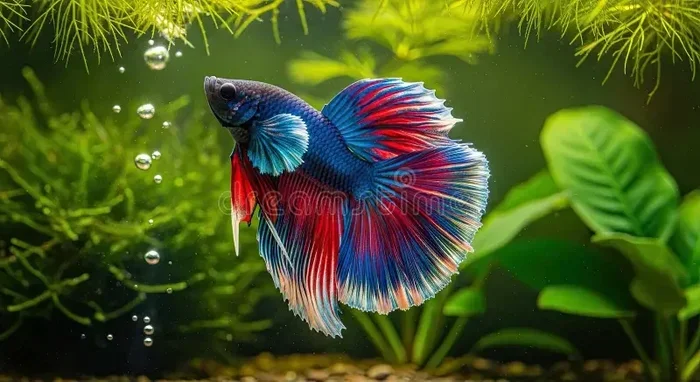
Yes, it is generally normal for betta fish to swim fast — especially during play, feeding time, or when exploring their tank. A healthy betta fish will show bursts of energy and quick swimming patterns throughout the day. However, sudden changes in swimming speed or erratic behavior can signal stress, poor water conditions, or a health issue that needs attention.
Have you ever watched your betta fish zoom around the tank like a tiny torpedo and thought, “Is this normal?” You are not alone. Many betta fish owners notice their pets darting through the water and wonder if betta fish swimming fast is a cause for concern.
The short answer is yes — in most cases, it is perfectly normal. Betta fish are active swimmers by nature. They love to explore, play, and show off their flowing fins. But there are times when fast swimming points to something deeper going on. This guide will help you understand the difference between healthy energy and warning signs you should never ignore.
Whether you are a new betta owner or have had your fish for years, understanding betta fish swimming behavior is one of the most important parts of keeping your fish happy and healthy. Let us dive right in.
Key Takeaways
- Normal swimming: Betta fish naturally swim fast when excited, playing, or exploring their environment.
- Feeding frenzy: Fast swimming right before or during feeding is completely healthy and expected.
- Stress signals: If your betta fish swims fast and erratically, check water parameters and tank conditions first.
- Swim bladder issues: Difficulty controlling speed or direction may point to swim bladder disease.
- Tank setup matters: A proper tank size and water temperature help maintain normal betta swimming behavior.
- Know the warning signs: Fast swimming combined with flashing, gasping, or hiding means something is wrong.
- Regular observation: Watching your betta fish daily helps you spot unusual behavior early.
📑 Table of Contents
- What Normal Betta Swimming Looks Like
- When Fast Swimming Is a Warning Sign
- Swim Bladder Disease and Fast Swimming
- Tank Setup and Its Effect on Swimming
- Stress and Its Impact on Betta Swimming
- When to See a Vet
- Common Mistakes Owners Make About Fast Swimming
- How to Monitor Your Betta’s Swimming Patterns
- Conclusion
What Normal Betta Swimming Looks Like
Before you can tell if something is wrong, you need to know what normal looks like. A healthy betta fish has a pretty wide range of swimming styles. Some moments are slow and graceful. Other moments are full of energy and speed.
Here is what typical betta fish activity level looks like on a good day:
- Exploring the tank: Your betta darts from one end to the other, checking out every plant and decoration.
- Flaring and displaying: Fast swimming often accompanies fin flaring, especially when your betta sees its reflection.
- Feeding bursts: When food hits the water, your betta will swim quickly to grab it. This is completely natural.
- Playful bursts: Many bettas chase their own tails or dart around the tank for no reason at all. They are just having fun.
- Resting between bursts: After a fast swimming session, a healthy betta will slow down and rest near a leaf or decoration.
The key thing to remember is that normal betta behavior includes both calm periods and energetic bursts. Your fish should not swim fast all the time without stopping. If your betta alternates between speed and rest, that is a great sign.
Why Do Betta Fish Swim Fast Sometimes?
Several everyday reasons explain why your betta might be moving quickly through the water:
- Excitement: Betta fish get excited when they see you or when it is feeding time. This excitement leads to fast swimming.
- Curiosity: Bettas are naturally curious. New decorations, plants, or even a change in tank layout can trigger quick exploration.
- Mating behavior: Male bettas may swim fast when they see a female or during breeding preparation.
- Water changes: Fresh water can energize your betta. After a water change, many fish swim faster for a few hours.
- Temperature boost: If the water is slightly warmer than usual, your betta may have more energy and swim faster.
All of these reasons are perfectly fine. Fast swimming in these situations shows your betta is feeling good and engaged with its environment.
When Fast Swimming Is a Warning Sign
Now for the part that matters most. Not all fast swimming is good. Sometimes it means your betta is dealing with stress or a health problem. Learning to spot the difference is one of the most valuable skills you can develop as a fish owner.
Watch for these red flags that come with betta fish swimming fast:
- Erratic darting: If your betta swims fast in random directions without a clear purpose, something is off.
- Fast swimming plus gasping: If your fish is moving quickly but also gasping at the surface, the water quality may be poor.
- Swimming fast and then crashing: A betta that swims quickly and then drops to the bottom or sides may be suffering from a health issue.
- Constant fast swimming with no rest: A healthy betta rests between bursts. If your fish never slows down, it could be stressed.
- Fast swimming paired with clamped fins: Clamped fins combined with speed can signal illness or discomfort.
If you notice any of these patterns, it is time to investigate further. The good news is that most causes are fixable once you identify the problem.
Poor Water Quality as a Cause
One of the most common reasons for abnormal betta fish swimming behavior is bad water quality. Ammonia, nitrite, and nitrate spikes can make your fish feel uncomfortable and behave erratically. Fast swimming is often a stress response to poor conditions.
Here is what to check:
- Ammonia levels: Should be at 0 ppm. Any amount is dangerous.
- Nitrite levels: Should be at 0 ppm.
- Nitrate levels: Should be below 20 ppm.
- pH level: Bettas do best in a pH range of 6.5 to 7.5.
- Water temperature: The ideal temperature for betta fish is between 78 and 80 degrees Fahrenheit.
If your water parameters are off, a partial water change and a check of your filter can make a big difference. Proper betta fish tank setup plays a huge role in keeping your fish calm and healthy.
Swim Bladder Disease and Fast Swimming
Swim bladder disease is one of the most common health issues in betta fish. The swim bladder controls your fish’s buoyancy and ability to swim smoothly. When it is not working right, your betta may swim fast in one direction, struggle to stay upright, or swim sideways.
Common symptoms of swim bladder problems include:
- Swimming in circles: Your betta may swim fast in tight circles or figure-eight patterns.
- Floating at the top: Some fish with swim bladder issues float uncontrollably at the surface.
- Sinking to the bottom: Others sink and cannot swim back up without effort.
- Loss of balance: Your betta may tilt to one side while swimming fast.
- Difficulty controlling speed: Sudden bursts of speed followed by loss of control can signal a swim bladder problem.
If you suspect swim bladder disease, the first step is to fast your fish for one to two days. This helps clear any blockages. After that, feed a small piece of blanched pea. Many fish recover fully with this simple treatment. If the problem continues, check your betta fish water conditions and consider a visit to a fish veterinarian.
How to Prevent Swim Bladder Issues
Prevention is always easier than treatment. Here are some simple steps to keep your betta’s swim bladder healthy:
- Soak dry food before feeding: This prevents air from getting into your fish’s digestive system.
- Feed small portions: Overfeeding is a leading cause of swim bladder problems.
- Offer variety: Mix dry pellets with frozen or live food for a balanced diet.
- Keep water clean: Regular water changes reduce the risk of bacterial infections that can affect the swim bladder.
- Maintain stable temperature: Sudden temperature changes can stress your fish and trigger swim bladder issues.
Taking these steps goes a long way in keeping your betta fish’s swimming patterns normal and healthy.
Tank Setup and Its Effect on Swimming
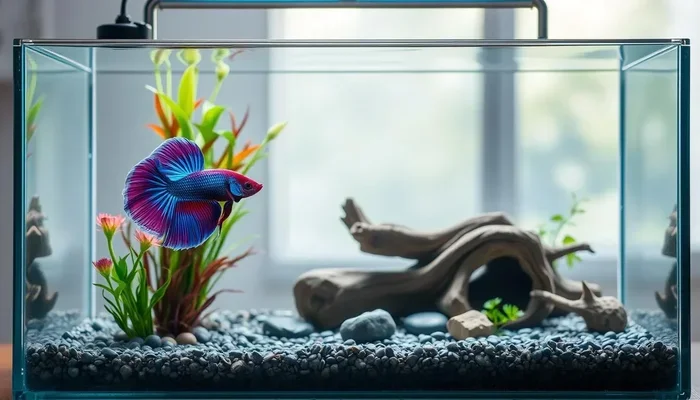
The environment your betta lives in has a direct impact on how it swims. A poorly set up tank can cause stress, which leads to abnormal betta fish activity levels. On the other hand, a well-designed tank encourages natural, healthy swimming behavior.
Here are the key factors that affect how your betta moves through the water:
- Tank size: A tank that is too small restricts movement. Bettas need at least a 5-gallon tank to swim comfortably. Smaller tanks can make fish feel cramped and stressed.
- Water flow: Some filters create strong currents that make it hard for bettas to swim normally. Betta fish prefer gentle water movement. If your filter is too strong, consider baffle it or use a sponge filter.
- Tank decorations: Open swimming space is important. Too many decorations block your betta’s path and can cause frustration.
- Plants and hiding spots: Live plants and caves give your betta places to rest and explore. This balances their energy and promotes natural swimming patterns.
- Lighting: Too much bright light can stress your betta. Moderate lighting helps them feel secure and swim at a natural pace.
For more detailed guidance on choosing the right home for your fish, check out our guide on what is the best tank for betta fish. A proper tank sets the foundation for all the other aspects of betta care.
Water Temperature and Swimming Speed
Water temperature plays a surprisingly big role in how actively your betta swims. Cold water slows a betta down and makes it sluggish. Too-hot water can cause stress and hyperactive behavior. The sweet spot is between 78 and 80 degrees Fahrenheit.
If your tank is too cold, your betta may swim slowly and stay near the bottom. If it is too warm, your betta might swim fast and appear restless. Both extremes are unhealthy. Using a reliable heater and thermometer helps you maintain the right temperature consistently.
For more information on keeping the water warm, see our article on how to keep water warm for betta fish.
Stress and Its Impact on Betta Swimming
Stress is one of the biggest enemies of a healthy betta fish. When a betta is stressed, its behavior changes in noticeable ways. Fast swimming, erratic movement, and unusual patterns are all common stress responses.
Common causes of stress in betta fish include:
- Tank mates that are too aggressive: Some fish nip at betta fins, causing stress and fast, panicked swimming.
- Reflections in the glass: A betta seeing its own reflection may flare and swim fast out of territorial aggression.
- Loud noises or vibrations: Bettas are sensitive to their environment. Loud sounds can startle them into fast swimming.
- Inconsistent water conditions: Frequent changes in temperature or pH cause ongoing stress.
- Lack of hiding spots: Bettas need places to feel safe. Without them, they stay on high alert and swim more frantically.
If you think stress is causing your betta’s fast swimming, take a close look at the tank setup and environment. Small changes can make a huge difference. For tips on choosing compatible companions, read our article on what is a good tank mate for a betta fish.
Quick Tips to Reduce Stress
Here are some simple ways to keep your betta calm and relaxed:
- Keep the tank in a quiet area of your home.
- Avoid placing the tank near speakers or high-traffic areas.
- Use a matte background on the outside of the tank to reduce reflections.
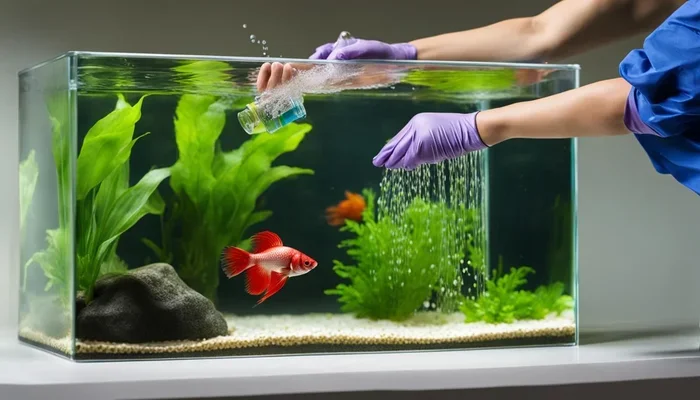
- Perform regular water changes to maintain stable conditions.
- Add live plants to create natural hiding spots.
- Feed your betta on a consistent schedule every day.
A calm betta is a healthy betta. When stress levels are low, your fish will display natural swimming patterns that are easy to read and enjoy.
When to See a Vet
Most of the time, fast swimming is nothing to worry about. But there are moments when professional help is the right call. If your betta fish shows any of the following signs, it is time to consult an expert:
- Fast swimming that lasts more than a few days: If the behavior does not improve with water changes or environmental adjustments, something deeper may be going on.
- Visible injuries: Torn fins, white spots, or redness alongside fast swimming can indicate infection or disease.
- Loss of appetite combined with erratic swimming: A betta that stops eating and swims erratically needs immediate attention.
- Discoloration: Fading colors alongside fast swimming can signal illness.
- No improvement after home treatment: If you have tried fasting and water changes with no results, a vet visit is the next step.
For more on caring for a sick betta, check out our guide on how to care for sick betta fish. Early intervention often leads to better outcomes and a faster recovery.
Common Mistakes Owners Make About Fast Swimming
Even experienced betta owners can make mistakes when interpreting their fish’s swimming behavior. Here are the most common ones to avoid:
- Assuming all fast swimming is bad: This is the biggest mistake. Fast swimming is often just a sign of a happy, healthy betta.
- Ignoring context: Always look at the full picture. Is your betta eating well? Is the water clean? Are there other symptoms?
- Overreacting to one incident: A single burst of fast swimming means nothing on its own. Look for patterns over days and weeks.
- Changing too many things at once: If you suspect a problem, change one thing at a time so you can identify what helps.
- Skipping regular water tests: Many water quality issues are invisible to the naked eye. Test your water regularly to catch problems early.
Avoiding these mistakes will help you respond to your betta’s needs more effectively and keep your fish thriving.
How to Monitor Your Betta’s Swimming Patterns
Keeping track of your betta’s daily behavior is one of the best things you can do for its health. A simple observation routine helps you catch problems early and understand what is normal for your specific fish.
Here is a quick daily checklist:
- Watch how your betta moves: Does it swim smoothly or erratically? Are there any fast bursts or unusual patterns?
- Check feeding behavior: Is your betta eating normally? A healthy appetite is a great sign.
- Look at the fins: Are the fins open and flowing, or clamped close to the body?
- Observe resting behavior: Does your betta rest between swimming sessions? A betta that never rests may be stressed.
- Test the water: Quick water parameter checks take just a few minutes and can prevent many problems.
If you want to learn more about proper care routines, our article on how to properly care for betta fish covers everything you need to know in detail.
Understanding your betta fish’s unique personality and patterns takes time. Every fish is different. What matters most is that you pay attention and respond with care. A betta that swims fast with energy and joy is a betta that is living its best life.
Conclusion
So, is it normal for betta fish to swim fast? The answer is a clear yes — in most situations. Fast swimming is a sign of energy, curiosity, and good health. Your betta may dart around the tank during feeding, explore every corner after a water change, or simply play for no reason at all. All of these are positive signs.
That said, you should always pay attention to the context. Fast swimming paired with gasping, crashing, or erratic patterns is not normal and deserves a closer look. Check your water quality, temperature, and tank setup first. These are the most common culprits behind abnormal betta fish swimming behavior.
Remember that a well-set-up tank, clean water, and a balanced diet go a long way in keeping your betta happy and active. Watch your fish daily, learn its normal patterns, and act quickly if something changes. With the right care, your betta fish will swim fast, swim beautifully, and bring you joy for years to come.
Frequently Asked Questions
Why is my betta fish swimming fast all the time?
Constant fast swimming can be a sign of stress, poor water quality, or swim bladder issues. Check your water parameters first — ammonia, nitrite, and nitrate levels should all be at safe levels. If the water is clean and the behavior continues, look for other symptoms like clamped fins or loss of appetite.
Is fast swimming good for betta fish?
Yes, fast swimming in short bursts is a great sign. It shows your betta has energy, feels safe, and is engaged with its environment. Just make sure your fish also rests between active periods. A healthy betta alternates between swimming and resting throughout the day.
Can a too-strong filter cause betta fish to swim fast?
Absolutely. A filter that creates a strong current forces your betta to swim harder just to stay in place. This can look like fast swimming but is really your fish struggling against the current. Use a sponge filter or baffle your filter to reduce the flow to a gentle level.
How can I tell if fast swimming is stress or excitement?
Context matters a lot. Excited fast swimming happens around feeding time, after a water change, or when your betta sees you. Stress-related fast swimming looks erratic and is often paired with gasping, flashing, or clamped fins. If your betta swims fast and then hides or crashes, stress is the likely cause.
What should I do if my betta suddenly starts swimming fast and erratically?
Start by testing the water. Ammonia and nitrite spikes are the most common triggers for sudden erratic swimming. Do a 25% water change and retest after 24 hours. If the behavior does not improve, check the temperature and look for signs of disease. For persistent issues, consult a fish veterinarian.
Does water temperature affect how fast a betta fish swims?
Yes, temperature has a direct effect. Cold water makes bettas sluggish and slow. Warm water within the ideal range of 78 to 80 degrees Fahrenheit gives bettas energy and encourages natural swimming behavior. Water that is too hot can cause stress and hyperactive swimming. Always use a heater and thermometer to maintain stable conditions.