How to Quarantine a Betta Fish
Quarantining a betta fish is one of the smartest things you can do for your pet’s health. A quarantine tank protects your betta from diseases, lets you observe new fish closely, and prevents illness from spreading to other tank mates. This guide walks you through every step, from setting up the tank to safely reintroducing your betta.
Bringing a new betta fish home is exciting. But before you add them to your main aquarium, there is one critical step you should never skip. Quarantining a betta fish keeps your entire tank healthy and safe. Think of it as a health checkpoint. It gives your new fish time to adjust, recover, and show any hidden symptoms before meeting their new tank mates.
Many fish owners skip quarantine and later regret it. Diseases like ich, fin rot, and bacterial infections can spread fast. A simple quarantine routine saves you time, money, and heartache. In this guide, we will walk you through everything you need to know about quarantine fish procedures. You will learn how to set up a tank, what to feed, what to watch for, and when it is safe to introduce your betta to the main aquarium.
Whether you are a beginner or a seasoned aquarist, this guide has something for you. We keep things simple and practical. No jargon, no fluff. Just clear, actionable steps you can follow right away. Let us dive in.
Key Takeaways
- Quarantine protects all fish: Isolating a new or sick betta stops diseases like ich and bacterial infections from reaching your main tank.
- A simple 5-gallon tank works: You don’t need expensive equipment. A basic setup with a heater, filter, and hiding spots is enough.
- 2 to 4 weeks is the standard period: Keep your betta in quarantine long enough to confirm they are healthy and stress-free.
- Watch for key symptoms: Look for white spots, clamped fins, lethargy, and loss of appetite during the quarantine period.
- Feed a simple, high-quality diet: Easy-to-digest food supports recovery and makes it easier to monitor eating habits.
- Gradual reintroduction is key: Slowly acclimate your betta back to the main tank to avoid shock and stress.
📑 Table of Contents
- Why Quarantining a Betta Fish Is So Important
- How to Set Up a Quarantine Tank for Your Betta
- How Long Should You Quarantine a Betta Fish
- What to Feed a Quarantined Betta Fish
- Common Health Issues You Might Spot During Quarantine
- When and How to Introduce Your Betta to the Main Tank
- Quick Tips for a Successful Betta Quarantine
- Final Thoughts
Why Quarantining a Betta Fish Is So Important
You might wonder why quarantine is necessary. Can you not just put the new fish right in with the others? The short answer is no. Here is why betta fish isolation matters so much.
Prevents Disease Spread
New fish can carry parasites, bacteria, and fungi. These pathogens often show no visible signs at first. But once inside your main tank, they can infect every fish living there. Betta fish disease prevention starts with isolation. A quarantine tank acts as a buffer zone. It catches problems before they become outbreaks.
Reduces Stress for Your New Fish
Transport and a new environment are stressful for any fish. A quarantine tank gives your betta a calm, quiet space to decompress. Without the competition and aggression from other fish, your betta can settle in naturally. This betta fish stress reduction approach leads to a healthier, happier pet.
Makes Treatment Easier
If your new betta does get sick, treating them in a separate tank is much simpler. You can adjust medication doses without worrying about harming other inhabitants. Medications can also affect beneficial bacteria in your main filter. Keeping treatment separate protects your entire aquarium ecosystem.
How to Set Up a Quarantine Tank for Your Betta
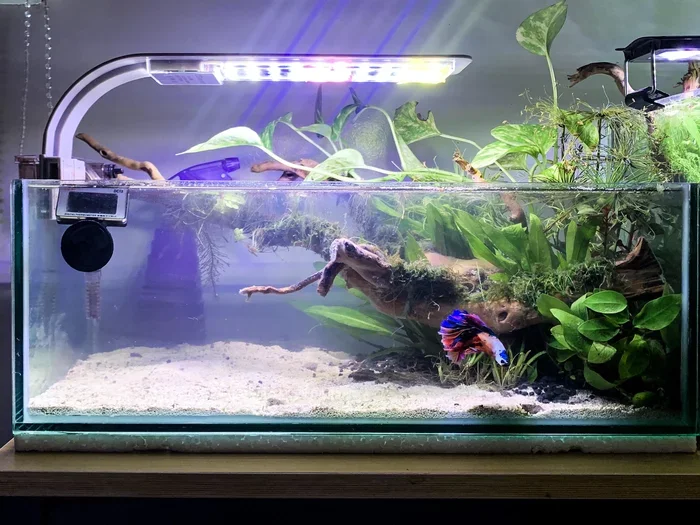
Setting up a quarantine tank setup is easier than you think. You do not need a fancy or expensive rig. A basic, bare-bottom tank works perfectly. Here is everything you need.
Choose the Right Tank Size
A 5-gallon tank is the sweet spot for a single betta. It is large enough to keep water parameters stable. Yet small enough to maintain easily and keep the water clean. Avoid tanks smaller than 3 gallons. They fluctuate in temperature and chemistry too quickly.
Essential Equipment
Keep your quarantine setup simple but effective. You will need the following essentials:
- Heater: Bettas need warm water between 78 and 80 degrees Fahrenheit. A small adjustable heater works great.
- Filter: Use a gentle sponge filter. Strong currents stress bettas out. A sponge filter also provides beneficial bacteria colonization.
- Thermometer: A simple stick-on thermometer helps you monitor temperature daily.
- Lighting: Standard LED light on a timer works fine. Keep it dim to reduce stress.
- Hiding spots: A single plant or small cave gives your betta a place to feel safe.
If you are unsure about the full setup process, check out our guide on how to set up a fish tank for betta fish for detailed advice.
Water Preparation and Cycling
Before adding your betta, the tank must be cycled. A cycled tank has beneficial bacteria that break down toxic ammonia and nitrite. You can cycle the quarantine tank using the same method as your main tank. Add a source of ammonia, test the water, and wait until the nitrogen cycle is complete. This usually takes 2 to 4 weeks.
If you need help with water preparation, our article on how to prepare water for a betta fish offers excellent tips. Clean, conditioned water is the foundation of a healthy quarantine environment.
How Long Should You Quarantine a Betta Fish
The standard quarantine period duration is 2 to 4 weeks. This window gives you enough time to observe your betta for any signs of illness. Some experienced fish keepers prefer 4 weeks for extra caution, especially when dealing with fish from questionable sources.
Factors That Affect Quarantine Length
Several factors influence how long you should keep your betta isolated:
- Source of the fish: Fish from reputable breeders or stores may need only 2 weeks. Wild-caught or unknown-source fish should be quarantined for 4 weeks minimum.
- Visible symptoms: If you notice any health issues, extend the quarantine until the fish fully recovers and completes any treatment.
- Existing tank health: If your main tank has had recent disease outbreaks, a longer quarantine is wise.
During this time, watch your betta closely every day. Note their appetite, energy level, and appearance. Any changes should be recorded. This daily betta fish observation habit is one of the most valuable skills you can develop as a fish keeper.
What to Feed a Quarantined Betta Fish
Feeding a quarantined betta is straightforward. Stick to a simple, high-quality diet. This makes it easier to monitor their eating habits, which is an important health indicator.
Best Foods for Quarantine Feeding
- High-quality pellets: Choose pellets specifically made for bettas. They are nutrient-dense and easy to digest.
- Frozen or live foods: Bloodworms and brine shrimp make excellent treats. They boost appetite and provide variety.
- Peas: A single blanched pea once or twice a week aids digestion. If you need help feeding peas, see our guide on how to feed a pea to a betta fish.
Feeding Schedule
Feed your quarantined betta 2 times a day. Offer only what they can eat within 2 minutes. Overfeeding leads to poor water quality, which can trigger illness. Remove any uneaten food promptly to keep the tank clean.
Common Health Issues You Might Spot During Quarantine
The whole purpose of quarantine is catching problems early. Here are the most common issues you might notice during your betta fish health monitoring routine.
White Spots (Ich)
White salt-like spots on the fins and body are a classic sign of ich. This parasitic infection is very common in new fish. If you spot it, raise the temperature slowly to 82 degrees Fahrenheit and start treatment. For detailed treatment steps, read our guide on how to treat ich on a betta fish.
Clamped Fins and Lethargy
Fins held close to the body and unusual laziness often signal stress or infection. Check your water parameters immediately. Poor water quality is the leading cause of these symptoms. Our article on how to take care of a betta fish water covers water testing and maintenance in detail.
Loss of Appetite
Refusing food for more than 2 days is a red flag. It can indicate bacterial infection, internal parasites, or severe stress. Isolate the issue by checking water quality first, then look for physical symptoms.
Fin Rot
Frayed or discolored fins suggest fin rot, usually caused by bacterial infection. It is common in stressed fish with poor water conditions. Early detection during quarantine makes treatment much more effective.
When and How to Introduce Your Betta to the Main Tank
The most exciting part of quarantine is the reintroduction. But rushing this step can undo all your hard work. Follow these guidelines for a smooth, safe transition.
Signs Your Betta Is Ready
Your betta is ready for the main tank when they meet these criteria:
- They have eaten well for at least 5 to 7 consecutive days.
- They show normal energy levels and active swimming behavior.
- There are no visible signs of disease, discoloration, or fin damage.
- Water parameters in the quarantine tank are stable and within ideal range.
The Acclimation Process
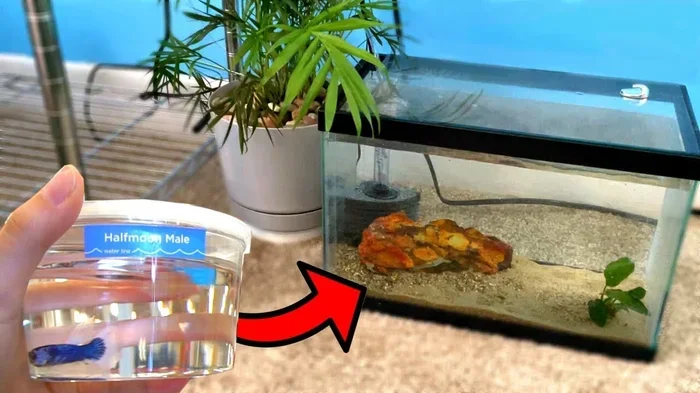
Do not just dump the quarantine water into your main tank. Instead, use the drip acclimation method. Place your betta in a bag or container with quarantine water. Slowly drip main tank water into the container over 30 to 60 minutes. This lets your betta adjust to the new water chemistry gradually. Betta fish acclimation done right reduces shock and prevents stress.
After the acclimation, gently net your betta into the main tank. Discard the quarantine water to avoid transferring any potential pathogens. Observe your betta closely for the next 24 to 48 hours. Watch for any signs of hiding, refusal to eat, or abnormal behavior.
Common Mistakes to Avoid
Here are mistakes many fish keepers make during reintroduction:
- Skipping acclimation: Sudden water changes cause shock and stress.
- Introducing too quickly: If your main tank has aggressive fish, add your betta during feeding time when others are distracted.
- Ignoring post-introduction monitoring: Problems can appear days after introduction. Stay vigilant.
For a broader understanding of betta care fundamentals, you may also enjoy our how to care for a betta fish 101 guide. It covers essential topics that complement everything you have learned here.
Quick Tips for a Successful Betta Quarantine
Here is a quick-reference list of best practices to keep in mind:
- Always quarantine new fish before adding them to your display tank.
- Use a separate net and equipment for the quarantine tank to avoid cross-contamination.
- Wash your hands before and after handling quarantine tank water.
- Keep the quarantine tank in a quiet area away from loud noises and direct sunlight.
- Record daily observations in a simple notebook or phone app.
- Never medicate the quarantine tank without identifying the specific illness first.
- Clean the quarantine tank regularly to maintain excellent water quality.
Final Thoughts
Quarantining a betta fish is not complicated, but it is absolutely essential. It is the single best thing you can do to protect your entire aquarium. A few weeks of isolation can prevent months of disease battles and fish loss. The process is simple: set up a small tank, monitor your fish daily, feed a clean diet, and watch for symptoms. When your betta looks healthy and active, you can confidently introduce them to their new home.
Remember, every fish is different. Some recover quickly. Others need more time and patience. Trust the process and let your betta’s health guide your decisions. With the right approach, quarantine becomes a natural and rewarding part of your fish-keeping routine. Your fish will thank you for it with vibrant colors, active swimming, and a long, happy life.
Frequently Asked Questions
Can I skip quarantine if I buy my betta from a reputable store?
Even reputable stores can carry fish with hidden illnesses. It is always best to quarantine new arrivals. Diseases can take days or even weeks to show visible symptoms. A 2 to 4 week quarantine is a small price to pay for peace of mind.
What size tank do I need for quarantining a betta fish?
A 5-gallon tank is ideal for a single betta. It is easy to manage and large enough to maintain stable water parameters. Avoid tanks smaller than 3 gallons, as they can fluctuate in temperature and chemistry too quickly.
Do I need a filter in the quarantine tank?
Yes, a gentle sponge filter is recommended. It provides mechanical filtration and houses beneficial bacteria. Just make sure the flow is low and soft, since bettas prefer calm water.
How do I know if my betta has ich during quarantine?
Look for tiny white spots that resemble salt grains on the fins, body, and gills. Your betta may also scratch against decorations and show signs of irritation. If you notice these symptoms, raise the temperature and start treatment immediately.
Can I treat my quarantined betta with medication?
Yes, treating in a quarantine tank is actually safer than treating in your main tank. Medications can harm beneficial bacteria and other fish in a display aquarium. Always identify the illness first and choose the appropriate treatment.
Is it normal for a betta to stop eating during quarantine?
A brief loss of appetite is normal, especially during the first few days. Stress from transport and a new environment can suppress hunger. However, if your betta refuses food for more than 2 days, check water parameters and look for physical symptoms of illness.
=== CONCLUSION ===
Quarantining a betta fish is one of the most responsible and caring things you can do as a fish owner. It protects your entire aquarium, gives your new betta time to adjust, and catches health problems before they become serious. Follow the steps in this guide, stay consistent with your observations, and trust the process. Your betta will thrive, and your main tank will stay healthy and beautiful. Start your quarantine routine today and give your fish the best possible start in their new home.