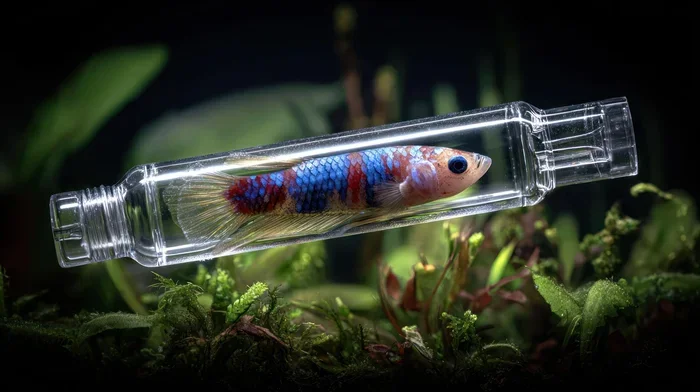
Can a Female and Male Betta Fish Be Together

Wondering if a female and male betta fish can be together? In most cases they will fight, but with the right tank setup, size, and careful monitoring, a peaceful pairing is possible. Read on for practical tips, common mistakes to avoid, and how to create a safe home for both fish.
Key Takeaways
- Natural aggression: Male bettas are territorial and usually see females as rivals.
- Tank size matters: A minimum of 20‑gallon divided tank gives each fish enough space.
- Introduce slowly: Use a quarantine or divider method to let them get used to each other.
- Watch for signs: Flaring, chasing, or loss of appetite means it’s time to separate them.
- Female‑only groups are safer: If you want a community tank, consider multiple females instead of mixing genders.
- Breeding is a special case: Only a controlled pair under spawning conditions should be kept together.
- Alternative companions: Some peaceful community fish can share a tank with a single betta of either sex.
📑 Table of Contents
Introduction: The Big Question
Betta fish, also called Siamese fighting fish, are famous for their dazzling fins and dramatic personalities. Because of their striking looks, many hobbyists wonder if they can keep a female and male betta fish together in the same aquarium. The short answer is “it depends,” but the full story involves biology, tank design, and careful observation.
In this article we’ll break down the science behind betta aggression, explore the situations where a mixed‑gender pair can live peacefully, and give you a step‑by‑step plan to try it safely. Whether you’re a beginner who just bought a male and a female, or an experienced keeper looking to start a breeding project, the information here will help you make an informed decision.
1. Understanding Betta Behavior
Why are male bettas so aggressive?
Male bettas have evolved to defend a territory that attracts mates. In the wild they guard shallow rice paddies and will chase away any intruder that threatens their space. This instinct shows up in the home aquarium as flaring fins, gill breathing, and relentless chasing.

Visual guide about Can a Female and Male Betta Fish Be Together
Image source: hepper.com
Female temperament
Females are generally less aggressive, but they are not passive. A female will also defend her own area, especially if the tank is small or there are too many fish. When a male and a female meet, both may interpret the other as a rival, leading to fights.
When aggression softens
Under specific conditions—ample space, plenty of hiding spots, and a calm environment—some males will tolerate a single female. The key is to reduce the sense of competition for the same territory.
2. Setting Up the Perfect Home
Tank size and layout
A single betta can thrive in a 5‑gallon tank, but a mixed pair needs at least a 20‑gallon tank split into two sections with a clear divider. The divider lets the fish see each other without physical contact, allowing them to get used to each other’s presence.

Visual guide about Can a Female and Male Betta Fish Be Together
Image source: i.pinimg.com
Water parameters
Maintain a stable temperature of 76‑82°F (24‑28°C), pH 6.5‑7.5, and soft to medium hardness. Good filtration and regular water changes keep stress low, which reduces aggression.
Decor and hiding places
Live plants, driftwood, and smooth rocks create visual barriers. Arrange them so each fish has its own “room” and a few escape routes. This mimics a natural environment where they can retreat if things get tense.
Lighting
Dim lighting in the early morning and evening helps calm bettas. A 10‑hour light cycle with a gradual dimmer mimics sunrise and sunset, reducing stress hormones.
3. Introducing a Female and Male Betta
Step‑by‑step introduction
- Quarantine: Keep each fish in a separate hospital tank for at least two weeks to ensure they are disease‑free.
- Side‑by‑side viewing: Place the tanks next to each other without a divider for a few days. Watch for curiosity versus aggression.
- Install a clear divider: Use a glass or acrylic partition in a larger tank. Keep the water flowing on both sides so they share the same conditions.
- Observe daily: Look for flaring, rapid breathing, or chasing. If any fish shows signs of stress, increase the distance or add more plants.
- Gradual removal of the divider: After 2‑3 weeks of calm behavior, you can try a larger opening or a removable section. Be ready to replace the divider if fights start.
Signs that the pairing is working
- Both fish eat regularly and display normal colors.
- Occasional curiosity flares without chase.
- They rest near the divider but do not attempt to bite.
When to separate
If you see persistent chasing, torn fins, or one fish hiding constantly, it’s time to re‑install the divider or move the fish to separate tanks. Ignoring these signs can lead to injury or death.

Visual guide about Can a Female and Male Betta Fish Be Together
Image source: aquariadise.com
4. Breeding Considerations
Why breeding changes the rules
When you intend to breed, a male and female are meant to be together for a short, controlled period. The male builds a bubble nest, and the female releases eggs that the male fertilizes. After spawning, the male will become aggressive toward the female, so they must be separated quickly.
Preparing for a spawn
- Provide a sturdy bubble nest surface (a piece of slate or a smooth leaf).
- Lower water temperature slightly (around 78°F) to stimulate breeding.
- Feed both fish high‑protein foods (brine shrimp, bloodworms) for a week before spawning.
For a detailed guide on breeding bettas, see our article Can You Have A Female And Male Betta Fish Together.
5. Alternatives to Mixed‑Gender Pairing
Female‑only communities
Three to five female bettas can live together in a well‑planted 30‑gallon tank. They are less likely to fight than a mixed pair, especially if the tank is heavily planted and has plenty of visual barriers.
Male‑only with companions
A single male betta can share a tank with peaceful community fish such as neon tetras, rasboras, or corydoras, provided the tank is large enough and the betta’s fins are not constantly flared.
Read more about suitable tank mates in What Fish Can Live With A Male Betta.
6. Common Mistakes and How to Avoid Them
Too small a tank
Even a divided 10‑gallon tank is often insufficient. The limited space amplifies territorial behavior, leading to quick fights.
Skipping the quarantine
Diseases can weaken a fish’s immune system, making it more reactive and aggressive. Always quarantine new arrivals.
Ignoring warning signs
Early flaring is a warning. If you let it progress to full‑scale chases, the damage may be irreversible.
Improper feeding
Underfeeding can cause competition over food, while overfeeding leads to poor water quality, both of which increase stress.
Conclusion: Can a Female and Male Betta Fish Be Together?
In short, a female and male betta fish can be together, but only under carefully controlled conditions. The key factors are a spacious divided tank, stable water parameters, plenty of hiding spots, and vigilant observation. If any aggression appears, be ready to separate them immediately. For most hobbyists, keeping a single sex or opting for a community tank with a lone male is the safer, less stressful choice.
Remember, the ultimate goal is a healthy, happy fish—not a drama‑filled aquarium. Use the steps above, stay patient, and you’ll know whether your particular pair can coexist peacefully.
Frequently Asked Questions
Can a female and male betta fish live together long term?
Only if the tank is large, divided, and both fish show no signs of aggression after several weeks. Most pairs will eventually become territorial and need to be separated.
What size tank is recommended for a mixed‑gender betta pair?
A minimum of 20 gallons with a clear divider is recommended. This provides each fish enough space to establish its own territory.
Do female bettas ever fight each other?
Yes, females can be aggressive, especially in small spaces. A well‑planted 30‑gallon tank with several females usually reduces fighting.
How can I tell if my bettas are getting ready to breed?
Look for a male building a bubble nest, the female’s abdomen becoming fuller, and both fish displaying brighter colors and increased activity.
What should I do if my male betta attacks the female?
Immediately re‑install the divider or move the fish to separate tanks. Do not wait for injuries to appear, as fin damage can become infected.
Are there any fish that can safely share a tank with a single male betta?
Yes, peaceful, fast‑moving fish like neon tetras, rasboras, or small catfish can coexist with a single male betta in a well‑planted tank of at least 15 gallons.