How to Put Betta Fish into Tank
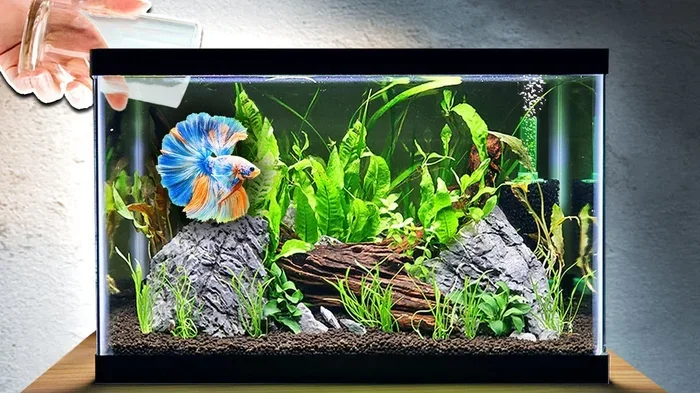
Putting a betta fish into a new tank the right way is the single most important step in keeping your fish healthy and happy. This guide walks you through every step of the process, from preparing the tank to safely acclimating your betta. You will learn the floating bag method, drip acclimation, and the common mistakes that cause stress and illness in betta fish.
Bringing a betta fish home is exciting. You have picked out the perfect fish, maybe a stunning crowntail or a deep blue halfmoon. But the moment you bring your betta home, the real work begins. How to put betta fish into tank properly can mean the difference between a thriving, colorful pet and a stressed, sickly fish that struggles to survive.
The process is not as simple as just dumping your betta into a tank. Betta fish are sensitive creatures. They react strongly to changes in water temperature, chemistry, and environment. A rushed introduction can lead to shock, disease, and even death. This guide gives you every step you need to follow so your betta transitions smoothly into its new home.
Whether you are a complete beginner or someone who has kept fish before, this article covers everything. We will walk you through tank preparation, the acclimation process, the best methods for transferring your fish, and what to do after the introduction. By the end, you will feel confident and ready to give your betta the best start in its new tank.
Key Takeaways
- Always prepare the tank before introducing your betta: A cycled, heated, and filtered tank is essential for long-term betta fish health.
- Acclimate your betta slowly: Whether you use the floating bag method or drip acclimation, gradual adjustment prevents shock and stress.
- Wait at least 24 hours after setting up the tank: This allows water parameters to stabilize before your betta enters the environment.
- Avoid common mistakes like sudden temperature changes: Temperature shock is one of the leading causes of betta fish stress and death.
- Monitor your betta closely after introduction: Watch for signs of stress, illness, or discomfort in the first 48 hours.
- Use water conditioner every time: Tap water contains chlorine and chloramine that are harmful to betta fish.
- Keep the environment calm and dim: Reducing light and noise helps your betta settle into a new home faster.
📑 Table of Contents
- Why Proper Introduction Matters for Betta Fish
- Step 1: Prepare the Tank Before Bringing Your Betta Home
- Step 2: Wait Before Introducing Your Betta
- Step 3: Acclimate Your Betta Fish to the New Tank
- Step 4: Transferring Your Betta Into the Tank
- Step 5: Monitor Your Betta After Introduction
- Long-Term Care After the Introduction
- Key Takeaways
Why Proper Introduction Matters for Betta Fish
Betta fish are often sold in small cups or bags at pet stores. These conditions are far from ideal. Your betta has likely been living in cramped, stressful conditions during transport. When you finally bring it home, the last thing you want to do is add more stress to the equation.
A proper introduction allows your betta to adjust gradually. Fish have a delicate balance of internal systems that regulate temperature, pH, and oxygen levels. When you change the environment too quickly, these systems go into overdrive. The result is a weakened immune system and an increased chance of disease.
Studies and experienced aquarists agree that slow acclimation is the key to a long, healthy life for your betta. In fact, many common betta fish illnesses like fin rot and ich are triggered by stress from improper handling during the introduction phase.
Step 1: Prepare the Tank Before Bringing Your Betta Home
The first and most important step happens before your betta even arrives. You need to have the tank fully set up and running. This means the tank has been cycled, heated, and tested for proper water parameters.
Choose the Right Tank Size
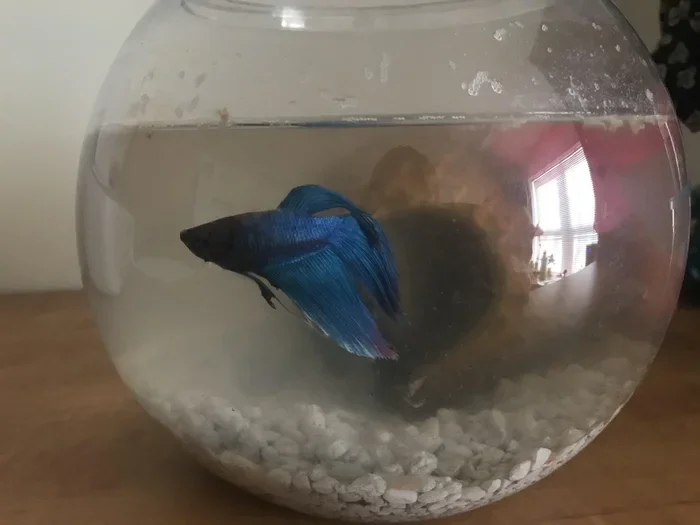
Many people make the mistake of keeping bettas in tiny bowls. While bettas can survive in small spaces, they thrive in larger environments. A tank of at least 5 gallons is recommended for a single betta fish. Larger tanks provide more stable water conditions and room for your fish to swim and explore.
Here are some quick tips for choosing the right tank:
- Minimum size: 5 gallons for one betta
- Ideal size: 10 gallons or more
- Avoid bowls under 1 gallon: These are too small for long-term health
- Consider a tank with a lid: Bettas are jumpers and can escape easily
Cycle the Tank First
Cycling a tank means establishing beneficial bacteria that break down harmful toxins like ammonia and nitrite. This process takes time, usually 4 to 6 weeks. You should never add a betta fish to an uncycled tank. The ammonia levels in a new tank can quickly reach toxic levels and harm or kill your fish.
If you are not sure how to cycle a tank, check out our guide on how to cycle a betta fish tank for a detailed walkthrough. Cycling is one of the most important steps in betta fish care.
Set Up the Heater and Filter
Betta fish are tropical fish. They need warm water to stay healthy. The ideal temperature range is between 76 and 82 degrees Fahrenheit. A good aquarium heater with a thermostat will help you maintain a stable temperature.
Filters are also important, but bettas prefer gentle water flow. Strong filters can stress bettas and make it hard for them to swim. Consider using a sponge filter or adjusting the filter output with a baffle to reduce flow strength.
Add Water Conditioner
Tap water contains chlorine and chloramine, which are harmful to fish. Always use a water conditioner to neutralize these chemicals before adding water to your tank. This is a simple but critical step that many beginners overlook.
Step 2: Wait Before Introducing Your Betta
Once your tank is set up, do not rush to add your betta right away. You should wait at least 24 hours after filling the tank and turning on the equipment. This waiting period allows the water temperature to stabilize and the filter to start running properly.
During this time, test the water parameters. You want to make sure the pH is between 6.5 and 7.5, ammonia is at 0 ppm, nitrite is at 0 ppm, and nitrate is below 20 ppm. Stable water parameters are the foundation of a healthy environment for your betta.
If you want a deeper understanding of why waiting matters, our article on why wait 24 hours to put betta fish in tank explains the science behind this important step in detail.
Step 3: Acclimate Your Betta Fish to the New Tank
Acclimation is the process of gradually adjusting your betta to the new tank water. This is the most critical step when you actually introduce your fish. There are two main methods for acclimating betta fish. Both are effective, but they require patience.
Method 1: The Floating Bag Method
The floating bag method is the most common and easiest acclimation technique. Here is how it works:
- Place the sealed bag containing your betta fish gently on the surface of the tank water.
- Let the bag float for 15 to 20 minutes. This allows the water temperature inside the bag to match the tank temperature.
- After 15 to 20 minutes, open the bag and add a small cup of tank water into the bag.
- Wait another 15 to 20 minutes.
- Repeat the process of adding tank water every 15 to 20 minutes for about an hour.
- After about an hour, use a net to gently transfer your betta from the bag into the tank.
- Discard the bag water. Do not pour it into your tank.
This slow process allows your betta to adjust to the new water chemistry without going into shock. The temperature equalization alone makes a huge difference in how your fish handles the transition.
Method 2: Drip Acclimation
Drip acclimation is a more advanced method that provides an even slower and more controlled transition. It works by slowly dripping tank water into the bag or container holding your betta.
Here is how to do it:
- Place your betta and its bag water into a clean bucket or container.
- Use an airline tube or a drip setup to create a slow siphon from the tank to the bucket.
- Adjust the flow so that tank water drips into the bucket at a rate of about 2 to 4 drops per second.
- Continue dripping for 1 to 2 hours, or until the bucket has tripled in volume.
- Periodically remove some of the bucket water to prevent overflow.
- Use a net to gently transfer your betta into the tank.
- Discard the bucket water and do not add it to the tank.
Drip acclimation is especially useful if the water parameters in the tank and the bag are significantly different. Many experienced fish keepers prefer this method because it gives the fish the most time to adjust.
Which Method Should You Use?
For most hobbyists, the floating bag method is simple and effective. Drip acclimation is better suited for situations where water parameters differ greatly or when you are introducing a particularly sensitive fish. Both methods work well, and the key is to take your time and not rush the process.
Step 4: Transferring Your Betta Into the Tank
Once acclimation is complete, it is time to move your betta into the tank. This step seems simple, but there are a few important details to keep in mind.
Use a Net, Not the Bag Water
Always use a soft, fine-mesh net to transfer your betta. Never pour the bag water directly into the tank. The water in the bag may contain bacteria, parasites, or waste from the store or transport. Introducing this water into your tank can contaminate the entire system.
Gently lower the net into the tank and release your betta. Let the fish swim out on its own. Do not force it or chase it around the tank.
Turn Off the Lights
After releasing your betta, turn off the tank lights or dim them significantly. Bright lights can startle and stress a fish that is already adjusting to a new environment. Keeping the lights low for the first few hours gives your betta time to explore without feeling exposed.
Do Not Feed Immediately
Many people want to feed their betta right after introducing it to the new tank. Resist this urge. Do not feed your betta for the first 24 hours. The stress of the move can suppress its appetite, and uneaten food will foul the water. After the first day, offer a small amount of food and see how your betta responds.
Step 5: Monitor Your Betta After Introduction
The first 48 hours after introducing your betta to the tank are critical. You need to watch closely for any signs of stress or illness. Here is what to look for:
- Clamped fins: Fins held close to the body indicate stress or discomfort
- Loss of color: A dull or faded appearance can signal that your betta is struggling
- Rapid breathing: Gasping at the surface may indicate poor water quality
- Hiding or lethargy: Some hiding is normal, but complete inactivity is a warning sign
- Refusing food: Not eating for the first day is normal, but refusal after two days needs attention
If you notice any of these signs, test your water parameters immediately. Often, the cause is ammonia or nitrite spikes that were not caught during the initial tank preparation. Regular water testing during the first week is highly recommended.
Common Mistakes to Avoid
Even experienced fish keepers can make mistakes during the introduction process. Here are the most common errors and how to avoid them:
- Skipping acclimation entirely: Never just dump your betta into the tank. The sudden change in water chemistry is dangerous.
- Using unconditioned tap water: Always treat water with a conditioner before adding it to the tank.
- Overcrowding the tank: Bettas are territorial. Do not add tank mates without proper research.
- Ignoring temperature stability: Sudden temperature drops or spikes can be fatal. Keep the heater set and stable.
- Cleaning the tank too soon: Wait at least two weeks before doing a water change in a newly set up tank.
For more detailed information on the entire process of moving your betta, including tips for transferring to a new tank specifically, check out how to transfer betta fish to a new tank. This resource covers additional scenarios like moving between established tanks and handling multiple fish.
Long-Term Care After the Introduction
Once your betta has settled in, your job is not done. Ongoing care plays a big role in keeping your fish healthy and happy. Here are some essential practices to follow:
Perform Regular Water Changes
Weekly water changes of 25 to 30 percent help maintain clean, healthy water. Use a gravel vacuum to remove debris from the substrate during water changes. Always treat new water with conditioner before adding it to the tank.
Feed a Balanced Diet
Betta fish are carnivores. They need a diet rich in protein. High-quality betta pellets should form the staple of their diet. You can supplement with frozen or live foods like bloodworms, brine shrimp, and daphnia. Feed small amounts twice a day, and remove any uneaten food after a few minutes.
Keep the Tank Environment Stable
Bettas do best in stable conditions. Avoid moving the tank to different locations, changing the temperature frequently, or adding new decor without considering the impact on water parameters. Stability equals a healthy, stress-free betta.
Watch for Signs of Illness
Even with the best care, bettas can get sick. Common issues include fin rot, ich, velvet, and fungal infections. Early detection is key. Regular observation and prompt treatment can prevent minor health issues from becoming serious problems.
Key Takeaways
Putting a betta fish into a tank properly requires patience, preparation, and attention to detail. The floating bag method and drip acclimation are both effective ways to help your fish adjust to a new environment. Always prepare the tank in advance, wait at least 24 hours before introduction, and monitor your betta closely during the first few days. By following these steps, you give your betta the best possible chance at a long, healthy, and vibrant life in its new home.
Frequently Asked Questions
How long does it take to acclimate a betta fish to a new tank?
The acclimation process typically takes between 30 minutes and 2 hours depending on the method you use. The floating bag method takes about 1 hour, while drip acclimation can take up to 2 hours. The key is to go slowly and never rush the process. Patience during acclimation leads to a healthier, happier betta fish.
Can I put my betta fish directly into the tank without acclimating?
You should never put your betta directly into the tank without acclimating. The sudden change in water temperature, pH, and chemistry can cause severe stress or even death. Always take the time to acclimate your betta properly using either the floating bag method or drip acclimation. This small investment of time makes a huge difference in your fish’s health.
What is the best temperature for a betta fish tank?
The ideal temperature range for a betta fish tank is between 76 and 82 degrees Fahrenheit. Keeping the temperature stable within this range is essential for your betta’s health. Use a reliable aquarium heater with a thermostat to maintain consistent warmth and avoid temperature fluctuations.
How do I know if my betta fish is stressed after being put in a new tank?
Signs of stress in a betta fish include clamped fins, loss of color, rapid breathing, hiding constantly, and refusing to eat. Some mild stress is normal during the first 24 to 48 hours after introduction. However, if these signs persist beyond two days, you should test your water parameters and make adjustments as needed.
Should I clean the tank before putting my betta fish in it?
Yes, you should clean the tank before introducing your betta. Rinse the substrate, decorations, and glass with warm water to remove dust and debris. Avoid using soap or detergent, as these are harmful to fish. Make sure the tank is fully set up, cycled, and the water parameters are stable before adding your betta fish.
How often should I do water changes after introducing my betta to a new tank?
For the first two weeks after introducing your betta, you should monitor water parameters closely. After that period, establish a routine of weekly 25 to 30 percent water changes. Consistent water changes remove excess nutrients and keep the tank environment clean and healthy for your betta fish.