Can 2 Betta Fish Go in a 5 Gallon Tank
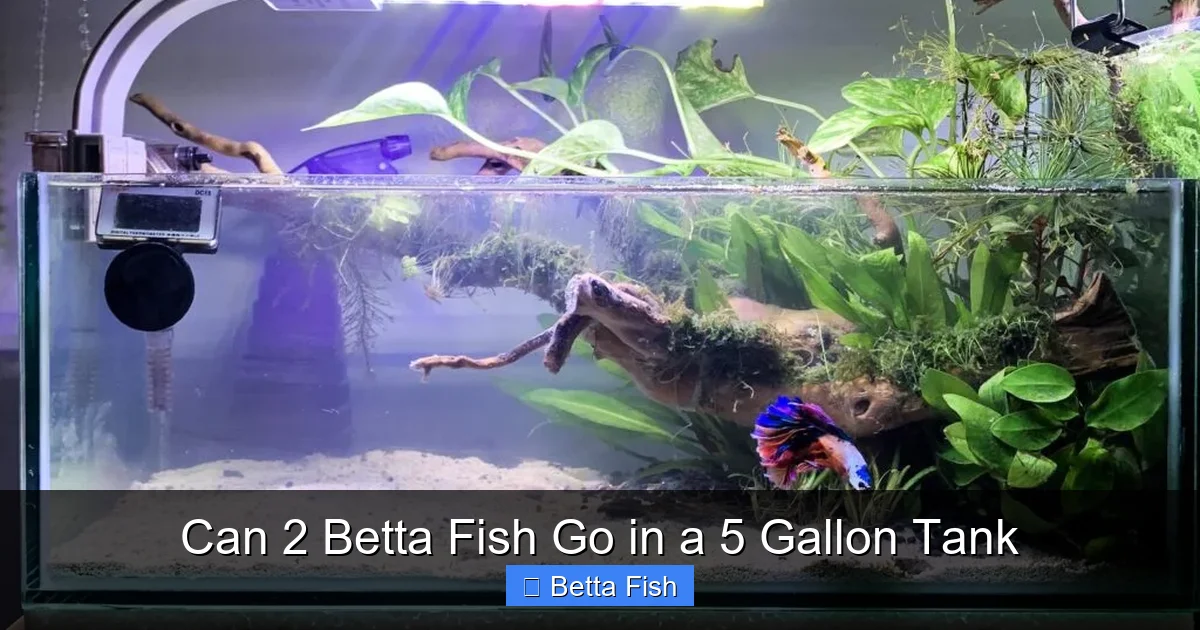
Wondering if two bettas can live together in a 5‑gallon tank? The short answer is: only under very specific conditions. You’ll need a divided tank, careful gender selection, and diligent water maintenance. Read on for a step‑by‑step guide that keeps both fish thriving.
Key Takeaways
- Space matters: A 5‑gallon tank can work only with a solid divider or a single betta.
- Gender rules: Male‑male pairs are aggressive; female‑female or male‑female can coexist only in a divided setup.
- Water quality is critical: Small volumes change quickly, so weekly 25‑30% water changes are a must.
- Filtration & heating: A gentle filter and a stable 78‑80 °F temperature keep bettas healthy.
- Enrichment: Live plants, hiding spots, and gentle flow reduce stress.
- Alternative options: Consider a larger tank or a single betta with peaceful tank mates.
- Regular monitoring: Watch for fin nipping, discoloration, and abnormal behavior daily.
📑 Table of Contents
Introduction: The 5‑Gallon Dilemma
Betta fish are famous for their vivid colors and feisty personalities. Because they’re hardy, many beginners think a tiny 5‑gallon aquarium is enough for a pair. The reality is a bit more nuanced. In this article we’ll explore whether two bettas can truly share a 5‑gallon tank, what set‑up tricks make it possible, and when you should simply give each fish its own space.
We’ll break down the science of tank size, the social dynamics of bettas, and practical steps for creating a safe environment. By the end, you’ll know exactly what to do—whether you decide to try a divided tank, upgrade to a larger aquarium, or stick with a single betta.
Understanding Betta Biology and Behavior
Why bettas are called “Siamese fighting fish”
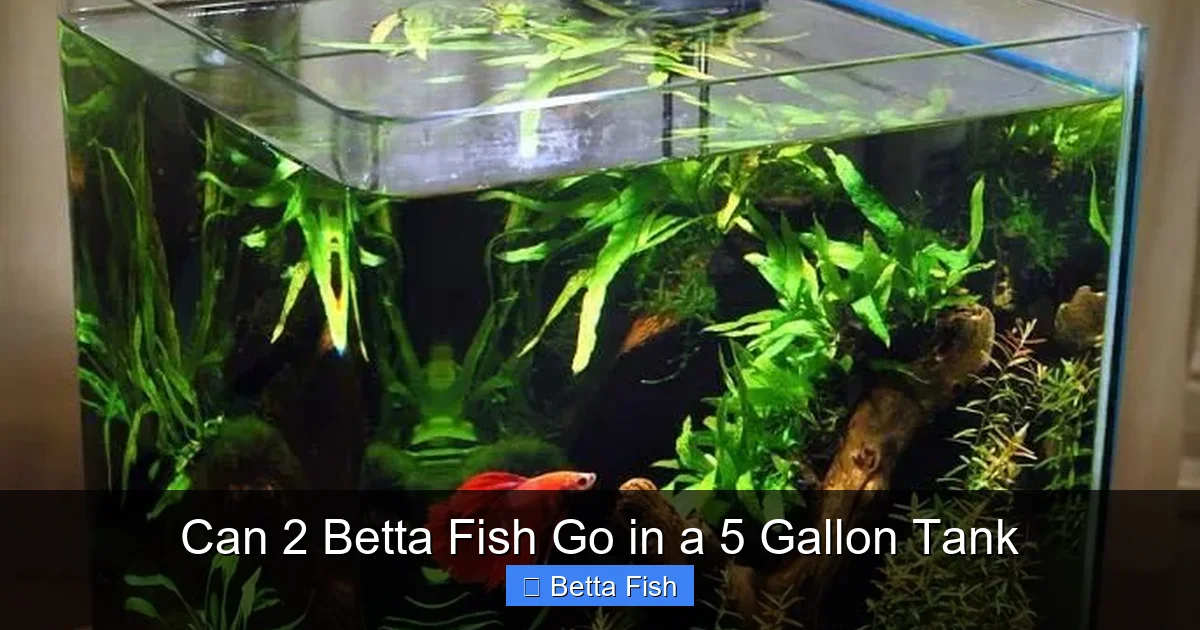
Male bettas (Betta splendens) are naturally territorial. In the wild they defend small puddles and shallow rice paddies, chasing away rivals to protect food and mates. This instinct makes them prone to aggressive displays—flaring fins, gill covers, and even biting.
Visual guide about Can 2 Betta Fish Go in a 5 Gallon Tank
Image source: i.pinimg.com
Female bettas: less aggressive but still territorial
Females are generally more sociable, but they still claim a personal space. In a cramped tank they can become stressed, leading to faded colors and fin rot.
Size and space requirements
An adult betta needs at least 2.5‑3 gallons of water to swim comfortably. A 5‑gallon tank provides just enough room for one betta to explore, hide, and establish a territory. Adding a second fish doubles the demand for space, oxygen, and clean water.
Can Two Betta Fish Share a 5‑Gallon Tank?
The short answer
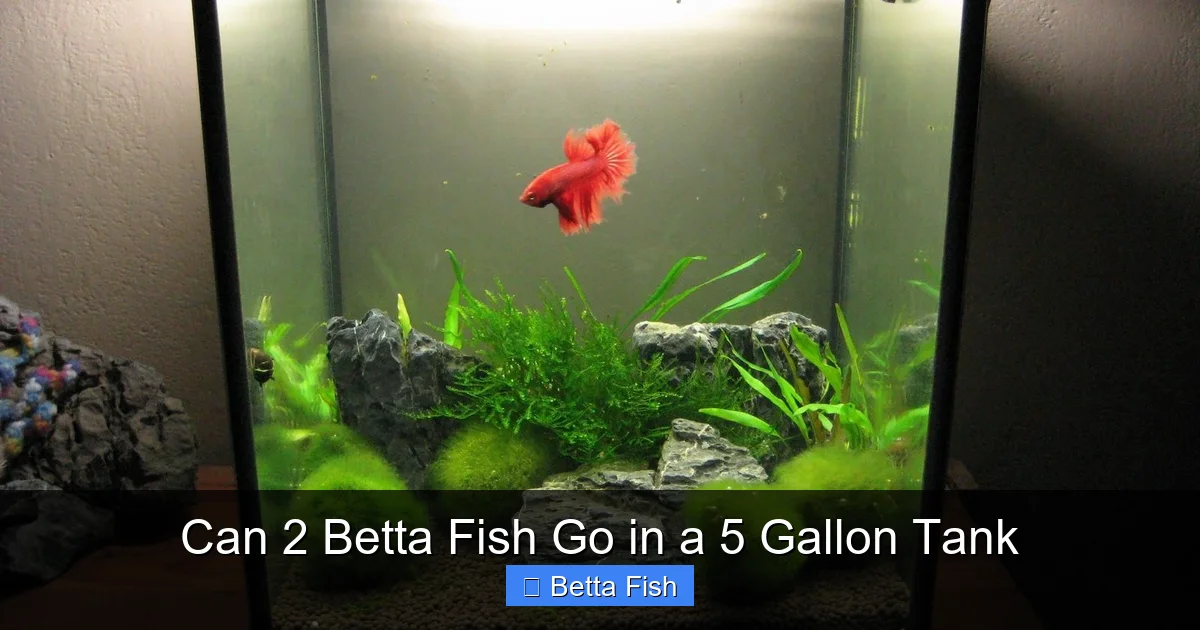
Only if you use a solid, aquarium‑grade divider that completely separates the water volumes. Without a divider, a 5‑gallon tank is far too small for two bettas to coexist peacefully.
Visual guide about Can 2 Betta Fish Go in a 5 Gallon Tank
Image source: i.pinimg.com
When a divider works
- Male‑female pair: If you have a mature male and a mature female, a clear acrylic or glass partition can let them see each other without fighting.
- Female‑female pair: Two females are the most successful duo in a divided tank because they’re less likely to attack each other.
- Size of each compartment: Each side should hold at least 2.5 gallons, with a small buffer for filtration and décor.
Why a divider is essential
Betta aggression is triggered by visual contact and scent. A solid barrier blocks both, reducing the chance of a deadly clash. If you’re interested in learning more about dividing tanks, see our guide on Can You Have 2 Betta Fish In The Same Tank for detailed installation tips.
Setting Up a Divided 5‑Gallon Tank
Choosing the right divider
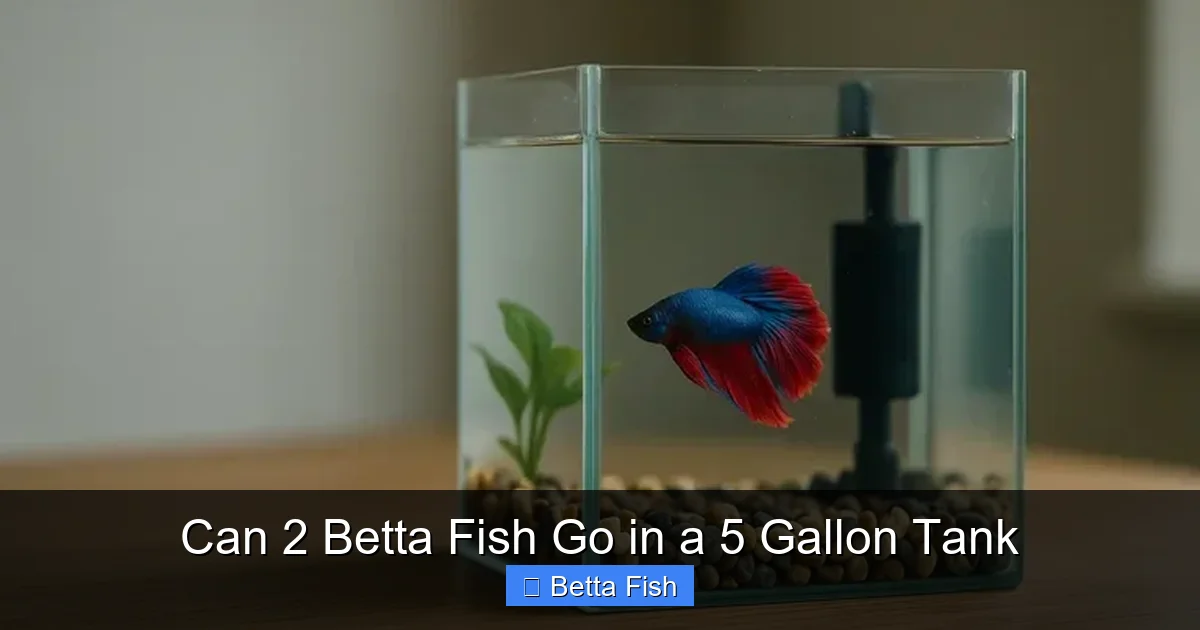
Look for acrylic or glass dividers specifically made for aquariums. They should be at least ¼ inch thick to prevent cracking and must fit snugly to avoid water mixing.
Visual guide about Can 2 Betta Fish Go in a 5 Gallon Tank
Image source: bettacarefishguide.com
Filtration and flow
Even with a divider, both sides share the same filter. Use a gentle sponge filter or a low‑flow hang‑on‑back (HOB) unit set to “bubbler” mode. Strong currents stress bettas and can push water over the barrier, negating the separation.
Heating
Betta fish thrive at 78‑80 °F (25‑27 °C). A submersible heater rated for 5 gallons will keep the temperature stable for both compartments.
Decor and plants
- Live plants like Java fern, Anubias, or Marimo moss create natural hiding spots.
- Silicone‑sealed driftwood and smooth rocks add visual interest without sharp edges.
- Leave at least 2‑3 inches of open swimming space in each side.
Water changes
Because the total volume is only 5 gallons, waste builds up quickly. Perform a 25‑30 % water change every week, or more often if you notice cloudiness. Follow the steps in our article How To Clean A 5 Gallon Betta Fish Tank for a hassle‑free routine.
Alternative Stocking Options for a 5‑Gallon Tank
One betta + peaceful tank mates
If you prefer not to use a divider, a single male betta can share the tank with small, non‑aggressive species such as:
- Neon tetras (max 3, in a well‑planted tank)
- Harlequin rasboras (2‑3, very calm)
- Snails like Nerite or Mystery (see Can Snails Be In A Tank With Betta Fish 2)
Remember to keep the betta’s fins away from fast‑moving fish; otherwise, it may mistake them for rivals.
Upgrade to a larger tank
The most stress‑free solution is a 10‑gallon (or larger) tank. This size gives each betta plenty of room, allows for a small community, and reduces the frequency of water changes. Check out How To Clean A 10 Gallon Betta Fish Tank for maintenance tips.
Monitoring Health and Behavior
What to watch for
- Fin nipping: Small bite marks or ragged edges indicate aggression.
- Color fading: Stressed bettas lose their bright hues.
- Labored breathing: May signal poor water quality or low oxygen.
- Loss of appetite: Could be a sign of illness or stress.
Daily routine
Spend a few minutes each day observing both sides of the tank. Note any changes in activity levels, and adjust feeding or décor as needed.
When to separate
If you see persistent fighting, fin loss, or one fish refusing to eat, it’s safest to move each betta to its own tank immediately. Prolonged stress can lead to bacterial infections and shortened lifespan.
Conclusion: Is a 5‑Gallon Tank Right for Two Bettas?
In short, a 5‑gallon tank can house two bettas only when you use a solid divider and carefully select the fish’s gender. Without a partition, the tank is too small and the risk of fatal aggression is high. Even with a divider, you’ll need diligent water changes, gentle filtration, and plenty of hiding places to keep the fish comfortable.
If you’re not ready to invest in a divider or a larger aquarium, the best choice is a single betta with a few peaceful companions or a solo setup. Your betta’s health and happiness will thank you.
Frequently Asked Questions
Can I keep two male bettas together in a 5‑gallon tank?
No. Male bettas are highly territorial and will fight to the death in such a small space, even with a divider.
Is a 5‑gallon tank big enough for a female‑female betta pair?
Only if the tank is divided so each female has at least 2.5 gallons of separate water. Without a divider, the risk of stress and aggression remains high.
How often should I change the water in a divided 5‑gallon tank?
Change 25‑30 % of the water weekly, or more often if you notice cloudiness or strong odors.
Can I use a sponge filter for a divided 5‑gallon tank?
Yes. A low‑flow sponge filter provides gentle filtration without creating strong currents that could disturb the divider.
What plants are best for a small divided tank?
Java fern, Anubias, and Marimo moss are low‑maintenance, attach to decorations, and provide hiding spots without taking up much swimming space.
Will adding snails help keep the tank clean?
Snails like Nerite or Mystery can help eat algae, but they do not replace regular water changes and filtration.