Why Is My Betta Fish Rubbing Against the Glass

Betta fish rub against glass for many reasons—from itching and stress to exploring their environment. Understanding the behavior helps you spot problems early, adjust tank conditions, and ensure a vibrant, thriving betta.
Key Takeaways
- It’s often a sign of irritation: parasites, poor water quality, or rough decorations can cause rubbing.
- Stress triggers the habit: sudden changes, loud noises, or aggressive tank mates may make a betta seek comfort on the glass.
- Normal “exploration” behavior: young or curious bettas may simply be testing their surroundings.
- Health issues matter: fungal infections, fin rot, or swim‑bladder problems can lead to rubbing.
- Tank setup is crucial: proper temperature, filtration, and décor reduce the need to rub.
- Regular monitoring helps: watch for changes in rubbing frequency, color, or appetite.
- Quick fixes work: water changes, gentle cleaning, and adding hiding spots often stop the behavior.
📑 Table of Contents
- Introduction: The Mystery of the Glass‑Rubbing Betta
- 1. Physical Irritation – When the Glass Becomes a Scratch Pad
- 2. Stress – The Betta’s Way of Coping
- 3. Health Issues – When Rubbing Signals a Deeper Problem
- 4. Normal Exploration – Curious Betta Behavior
- 5. Practical Steps to Reduce Unwanted Glass‑Rubbing
- Conclusion: Turning Glass‑Rubbing Into a Positive Indicator
Introduction: The Mystery of the Glass‑Rubbing Betta
If you’ve ever watched your betta fish glide up to the tank wall and then rub its body against the glass, you might wonder what’s going on in that tiny mind. Is it a sign of illness, boredom, or just a quirky habit? The truth is, rubbing can mean several different things, and each clue points to something you can improve in your fish’s environment.
In this friendly, step‑by‑step guide we’ll break down the most common reasons bettas rub against glass, how to spot a problem early, and what simple changes will keep your finned companion comfortable and thriving. By the end, you’ll feel confident that you can read your betta’s “body language” and act before a small issue becomes a big one.
1. Physical Irritation – When the Glass Becomes a Scratch Pad
Parasites and External Infections
One of the first things to check is whether your betta is itching. External parasites such as Iodine‑type protozoans or flukes attach to the skin and cause a constant urge to rub against a solid surface. Look for tiny white spots, fuzz, or a “silvery” sheen on the fins. If you see these signs, a dip in a copper‑based medication can clear the infection.

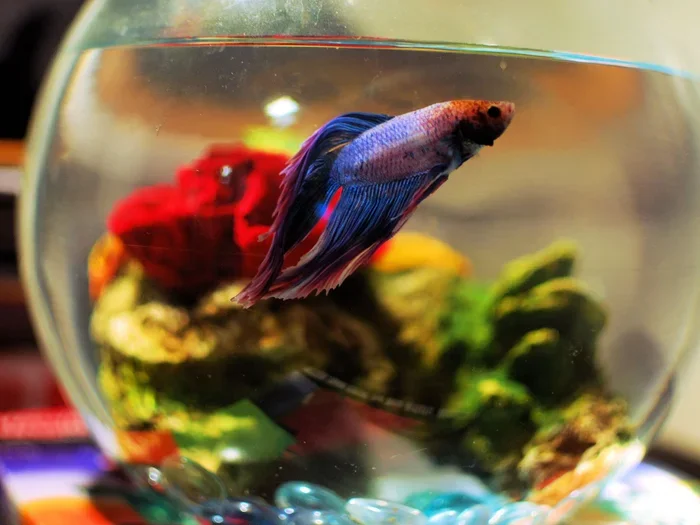
Visual guide about Why Is My Betta Fish Rubbing Against the Glass
Image source: stat.ameba.jp
Rough Décor or Sharp Edges
Betta tanks often feature decorative stones, driftwood, or plastic plants. If any piece has a rough edge, the fish may rub to alleviate the sensation of a snag. Run your finger over each item—if it feels sharp, sand it down or replace it with a smoother alternative.
Water Quality Irritation
Bad water can irritate a betta’s delicate skin. High ammonia, nitrite spikes, or a pH that’s too low/high creates a chemical “burn.” Test the water weekly; a reading of 0 ppm ammonia and nitrite, and a pH between 6.5‑7.5 is ideal. A quick 25‑30 % water change often stops the rubbing instantly.
2. Stress – The Betta’s Way of Coping
Sudden Changes in the Environment
Betas are territorial and sensitive to change. Moving the tank, adding a new filter, or even rearranging décor can make a fish feel insecure. The glass provides a familiar “anchor” they can press against while they assess the new situation. Give your betta a few days to adjust before making additional changes.
Loud Noises and Vibrations
Household noises—vacuum cleaners, music, or a TV placed near the tank—create vibrations that travel through water. A stressed betta may rub the glass as a self‑soothing behavior, similar to a dog leaning on a wall. Relocating the tank to a quieter corner can reduce this stress trigger.
Incompatible Tank Mates
While many bettas live happily alone, some owners keep them with peaceful species like small snails or shrimp. If a tank mate is too aggressive or constantly chases the betta, the fish may press against the glass to hide. Observe interactions closely; if bullying occurs, consider a separate tank.
3. Health Issues – When Rubbing Signals a Deeper Problem
Fin Rot and Fungal Infections
Fin rot, caused by bacteria, leads to ragged, discolored fins that can itch. A fungal infection appears as white, cotton‑like growths. Both conditions make the betta want to rub away the discomfort. Treat with a broad‑spectrum antibacterial or antifungal medication, and improve water quality to prevent recurrence.
Swim‑Bladder Disorders
A malfunctioning swim bladder can make a betta feel “off‑balance.” The fish may repeatedly press against the glass while trying to steady itself. Look for abnormal floating or sinking. Feeding a diet of cooked peas (peeled) can help relieve constipation, a common cause of swim‑bladder trouble.
Internal Parasites
Some parasites live inside the gut and cause itching around the vent area, prompting the fish to rub the glass near its tail. A sudden loss of appetite, weight loss, or white “stringy” feces are warning signs. A veterinarian who specializes in fish can prescribe an appropriate antiparasitic.
4. Normal Exploration – Curious Betta Behavior
Young Betta “Play”
Juvenile bettas are naturally curious. They often swim up to the glass, tap it with their fins, and even “walk” along the surface. This is a sign of a healthy, active fish that is comfortable in its environment. No action is needed unless the behavior becomes obsessive.
Establishing Territory
Adult males use the glass as a “mirror” to display their fins and colors. By rubbing, they may be testing the strength of their own reflection. This is especially common during breeding season when a male builds a bubble nest. If you notice the betta flaring its fins while rubbing, it’s simply showing off.
Encouraging Exercise
Betas are not strong swimmers, but they do need regular movement. Adding a small floating leaf or a gentle current can give them a reason to chase the glass rather than rub it out of irritation. This keeps muscles toned and reduces boredom.
5. Practical Steps to Reduce Unwanted Glass‑Rubbing
Step 1: Test and Clean the Water
Use a reliable test kit to check ammonia, nitrite, nitrate, and pH. Perform a 25‑30 % water change with conditioned water that matches the tank temperature. Repeat this routine weekly.
Step 2: Inspect and Modify Tank Décor
Remove any rough or sharp decorations. Add smooth stones, live plants, or silk foliage that provide hiding spots. A dense plant canopy gives the betta a place to rest away from the glass.
Step 3: Adjust Temperature and Filtration
Betta fish thrive at 78‑80°F (25‑27°C). Use an aquarium heater with an accurate thermostat. A gentle sponge filter offers filtration without creating a strong current that can stress the fish.
Step 4: Observe Feeding and Health
Feed high‑quality betta pellets or frozen/brine shrimp two times a day. If your fish stops eating, see our guide on Why Is My Betta Fish Not Eating for troubleshooting tips. Healthy appetite often means the fish is less likely to rub due to discomfort.
Step 5: Provide Enrichment
Introduce a floating leaf, a small mirror, or a gentle current to encourage natural swimming patterns. Enrichment reduces boredom‑induced rubbing.
Step 6: Monitor and Act Quickly
Keep a daily log of any rubbing incidents, water parameters, and feeding behavior. Early detection of a pattern can prevent serious illness. If rubbing persists despite clean water and smooth décor, consult a fish‑savvy veterinarian.
Conclusion: Turning Glass‑Rubbing Into a Positive Indicator
Rubbing against the glass is not always a cause for alarm. It can be a harmless sign of exploration, a cry for help from an irritated skin, or a stress response to a change in the environment. By regularly testing water, providing smooth décor, maintaining stable temperature, and watching for other health cues, you can quickly determine why your betta is rubbing and take the right action.
Remember, a happy betta is an active betta. When you give your fish a clean, comfortable, and stimulating home, the glass‑rubbing will either disappear or become a rare, harmless curiosity. Keep an eye on the behavior, stay proactive with tank maintenance, and enjoy watching your vibrant betta flourish.
Frequently Asked Questions
Why is my betta fish rubbing its belly on the glass?
This often points to irritation from parasites, poor water quality, or a sharp decoration. Check for visible spots and test the water, then make a partial water change.
Can stress cause a betta to rub against the tank?
Yes. Sudden changes, loud noises, or aggressive tank mates can make a betta seek comfort by pressing against the glass. Reducing these stressors usually stops the behavior.
Is it normal for a young betta to rub the glass frequently?
Young bettas are naturally curious and may explore the glass as part of play. As long as they are eating well and show no signs of illness, this is normal.
What should I do if my betta’s rubbing is accompanied by white patches on its fins?
White patches may indicate a fungal infection or fin rot. Treat with an appropriate antifungal medication and improve water quality immediately.
Could my betta be trying to build a bubble nest when it rubs the glass?
During breeding season males often press against surfaces while arranging bubbles. If you see a bubble nest forming, the rubbing is likely part of nest construction.
My betta rubs the glass and then stops eating. What’s wrong?
Loss of appetite combined with rubbing can signal an infection or swim‑bladder issue. Refer to Why Is My Betta Fish Not Eating for a detailed checklist and consider a veterinary visit.