Should I Remove My Betta Fish If It Has Popeye
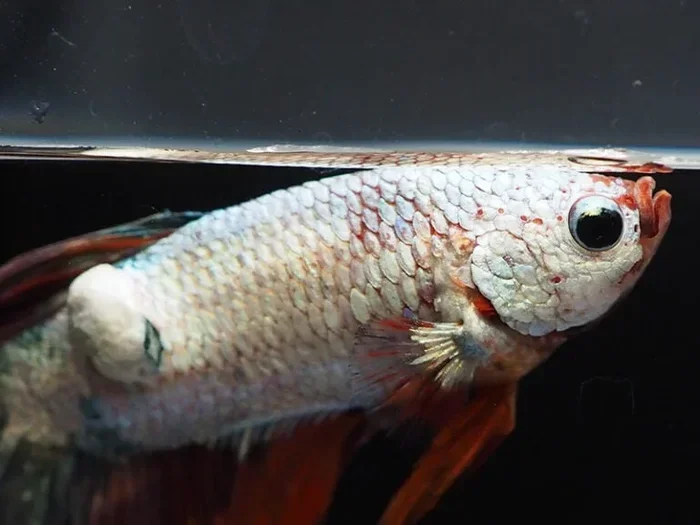
Popeye in betta fish is a condition where one or both eyes swell and protrude from the socket. You do not always need to remove your betta fish if it has popeye — in many cases, treatment right in the main tank works well. This guide covers the causes, treatment options, and clear signs that removal might be the safest choice for your fish’s health.
Watching your betta fish develop popeye can be scary. That bulging eye looks alarming, and it is natural to wonder what you should do next. Many fish owners ask themselves, should I remove my betta fish if it has popeye? The answer is not always straightforward. Sometimes removal helps. Other times, it causes more stress and slows healing. This article walks you through everything you need to know about popeye in betta fish, from causes and symptoms to treatment and removal decisions.
Popeye is a condition where fluid builds up behind the eye, causing it to swell and sometimes even protrude from the socket. It is not a single disease but a symptom of an underlying problem. The good news is that most betta fish recover fully from popeye when you catch it early and act quickly. Understanding what triggers this condition is the first step toward helping your fish heal.
Key Takeaways
- Popeye is treatable: Most cases of popeye in betta fish can be resolved with proper care and early action.
- Removal is not always needed: Only remove your betta fish if the condition is severe or if tank mates are at risk.
- Water quality is the #1 cause: Poor aquarium water quality leads to most popeye cases in bettas.
- Early detection saves lives: The sooner you spot symptoms, the better the chance of full recovery.
- Isolation helps in serious cases: A separate hospital tank can speed up healing and prevent spread.
- Prevention is simple: Regular tank maintenance and good feeding habits keep popeye away.
📑 Table of Contents
- What Causes Popeye in Betta Fish?
- How to Tell If Your Betta Fish Has Popeye
- Should You Remove Your Betta Fish If It Has Popeye?
- How to Treat Popeye in Betta Fish
- Preventing Popeye in Your Betta Fish
- Common Mistakes to Avoid When Treating Popeye
- When to Consult a Veterinarian
- Final Thoughts on Removing Your Betta Fish With Popeye
What Causes Popeye in Betta Fish?
Knowing the cause of popeye is essential because it determines the right treatment path. Several factors can lead to swollen eyes in bettas, and they range from simple water issues to serious infections.
Poor Water Quality
The most common cause of popeye in betta fish is dirty or unbalanced water. When ammonia and nitrite levels rise in the tank, they irritate the sensitive tissues around the eye. Over time, this irritation causes swelling. Betta fish are particularly vulnerable because they live in small tanks where water parameters can shift quickly. If you have not tested your water recently, this should be your first suspect. Check ammonia, nitrite, nitrate, and pH levels. Anything out of range can trigger popeye and other fish disease symptoms.
Bacterial or Fungal Infection
Bacterial infections are another major cause. When a betta fish has a wound or weakened immune system, bacteria can enter the tissue around the eye. This leads to inflammation and fluid buildup. Fungal infections are less common but can also cause eye swelling. Both types of infection need targeted treatment, which we will cover below.
Physical Injury
Betta fish are curious creatures. They sometimes bump into decorations, rocks, or even other fish. A hard impact can damage the eye area and cause swelling. If you notice popeye right after adding new decorations or rearranging the tank, injury is likely the culprit. This type of popeye often affects only one eye, unlike water quality issues that usually hit both eyes.
Internal Health Problems
In some cases, popeye signals a deeper health issue. Kidney problems, organ failure, or systemic infections can all cause fluid retention around the eyes. These cases are harder to treat and often come with other symptoms like lethargy, loss of appetite, or abnormal swimming behavior.
How to Tell If Your Betta Fish Has Popeye
Spotting popeye early makes a huge difference in recovery. Here are the key signs to watch for.
- Swollen or bulging eye: The eye looks larger than normal and may push outward from the socket.
- Cloudy or discolored eye: The eye may turn white, milky, or develop a hazy film.
- Rubbing against objects: Your betta may scratch the affected eye on decorations or gravel.
- Loss of appetite: A betta with popeye often stops eating or eats much less.
- Lethargy: The fish becomes less active and spends more time hiding or resting at the bottom.
If you notice any of these signs, check your water parameters immediately. Also, observe whether one eye or both eyes are affected. One-eye popeye often points to injury or a localized infection. Two-eye popeye usually suggests a systemic issue like poor water quality. If you are unsure about what you are seeing, you can learn more about how to tell if your betta fish is sick to help with identification.
Should You Remove Your Betta Fish If It Has Popeye?
This is the big question, and the answer depends on the severity of the condition and your setup. Removing your betta fish is not always the right move, but there are clear situations where it helps.
When Removal Is a Good Idea
You should consider removing your betta fish if popeye is caused by a contagious infection. Bacterial or fungal diseases can spread to other fish in the tank. If you have tank mates, isolating the sick fish protects them. Removal is also wise when the betta stops eating entirely and shows signs of severe distress. A quiet, stress-free hospital tank gives the fish the best chance to recover. If your betta fish isn’t eating and you suspect popeye is the cause, removing it to a treatment tank allows you to medicate without affecting other inhabitants.
When Removal Is Not Necessary
If the popeye is mild and caused by a one-time water quality issue, you may not need to move your fish at all. Simply fixing the water parameters and performing a large water change can resolve the problem. Removing a betta fish causes stress, and stress weakens the immune system. In mild cases, that stress can actually slow healing. If your tank is peaceful and no other fish are at risk, treating in place is often the better choice.
How to Safely Remove and Isolate Your Betta Fish
If you decide to remove your betta fish, do it carefully to minimize stress. Use a soft net and transfer the fish to a clean hospital tank. The hospital tank should be at least 2.5 gallons with a gentle filter and a heater set to 78-80°F. Add aquarium salt at the rate of 1 teaspoon per gallon to help reduce swelling. Keep the hospital tank in a quiet area away from loud noises and bright lights. Monitor the fish closely and perform daily water changes of about 20 percent.
How to Treat Popeye in Betta Fish
Treatment depends on the cause. Here is a step-by-step approach that works for most cases.
Step 1: Test and Fix Water Quality
Start by testing the water. If ammonia or nitrite levels are above zero, perform a 50 percent water change immediately. Use dechlorinated water that matches the tank temperature. Going forward, test your water at least once a week and keep up with regular maintenance. Clean water is the foundation of betta fish care and the single most effective way to prevent and treat popeye.
Step 2: Add Aquarium Salt
Aquarium salt is a gentle but effective treatment for mild popeye. It helps draw out excess fluid and supports the fish’s natural healing processes. Add 1 teaspoon of aquarium salt per gallon of water. Continue this dosage for 7 to 10 days. Make sure you use pure aquarium salt, not table salt, which contains additives that can harm your fish.
Step 3: Use Medication if Needed
If the salt treatment does not improve the condition within 48 hours, consider using a broad-spectrum fish antibiotic. Products containing erythromycin or tetracycline work well against bacterial infections. Follow the dosage instructions on the package carefully. Overmedicating can harm your betta fish, so less is often more. If the popeye affects both eyes and your fish stops eating, you may also need to adjust its feeding routine to ensure it gets proper nutrition during recovery.
Step 4: Support Recovery with Proper Feeding
During recovery, your betta fish may lose its appetite. Offer small, easy-to-digest foods like frozen bloodworms or brine shrimp. Feed tiny amounts 2 to 3 times a day rather than one large meal. If your betta refuses food for more than three days, try soaking the food in garlic juice to stimulate its appetite. Keeping your fish well-nourished supports its immune system and speeds up healing.
Preventing Popeye in Your Betta Fish
The best treatment is prevention. A clean, stable tank environment keeps your betta healthy and popeye-free.
- Perform regular water changes: Change 20 to 30 percent of the water every week. This keeps ammonia and nitrite levels in check.
- Use a proper filter: A gentle filter keeps the water clean without creating strong currents that stress bettas. Learn more about whether you should use a filter for your betta fish.
- Avoid overfeeding: Excess food rots in the tank and pollutes the water. Feed only what your betta can consume in 2 minutes, once or twice a day.
- Remove sharp decorations: Choose smooth, rounded decorations to prevent eye injuries.
- Quarantine new fish: If you add new fish to the tank, keep them in a separate tank for two weeks to watch for signs of disease.
- Monitor water parameters: Keep a test kit on hand and check ammonia, nitrite, nitrate, and pH levels weekly.
Following these simple steps dramatically reduces the risk of popeye and keeps your betta fish thriving for years.
Common Mistakes to Avoid When Treating Popeye
Even well-meaning fish owners make mistakes that can worsen popeye. Here are the most common ones to avoid.
- Ignoring the problem: Some owners wait too long before acting. Popeye rarely goes away on its own, and delaying treatment can lead to permanent eye damage or loss of the eye.
- Using table salt instead of aquarium salt: Table salt contains iodine and anti-caking agents that are harmful to fish. Always use pure aquarium salt.
- Overmedicating: More medicine does not mean faster healing. Overdosing can damage the fish’s organs and harm beneficial bacteria in the tank.
- Moving the fish unnecessarily: If the popeye is mild, constant handling and tank moves create stress that slows recovery. Only remove the fish when it is truly necessary.
- Neglecting water changes during treatment: Even while treating popeye, you must continue regular water changes. Dirty water undermines any treatment you apply.
Avoiding these mistakes gives your betta fish the best possible chance of a full recovery.
When to Consult a Veterinarian
Most popeye cases respond well to home treatment. However, there are times when professional help is the right call. If your betta fish shows no improvement after 7 to 10 days of treatment, consult a veterinarian who specializes in fish health. You can also take your betta fish to the vet at Petco or similar locations that offer aquatic pet services. Severe cases where the eye has completely protruded or shows signs of rot need immediate professional attention. A vet can prescribe stronger medications and rule out underlying health conditions that you cannot treat at home.
Final Thoughts on Removing Your Betta Fish With Popeye
So, should you remove your betta fish if it has popeye? The answer comes down to severity and context. Mild cases caused by water quality issues often resolve with a big water change and aquarium salt right in the main tank. Severe or contagious cases benefit from isolation in a hospital tank where you can medicate and monitor closely. The most important thing is to act quickly. The faster you respond, the better the outcome for your fish. Keep your tank clean, feed your betta properly, and watch for early warning signs. With the right care, most betta fish recover fully from popeye and go on to live happy, healthy lives.
If you want to learn more about betta fish care, check out how often you should feed your betta fish to keep it strong and resilient against illness. Also, understanding how much food your betta fish needs helps prevent overfeeding, which is a leading cause of water quality problems in small tanks.
Frequently Asked Questions
Can popeye in betta fish heal on its own?
Mild popeye caused by a temporary water quality issue can improve once you fix the water parameters. However, most cases need some form of treatment, such as aquarium salt or medication, to fully resolve. Leaving it untreated usually leads to worsening symptoms and potential permanent damage.
How long does it take for a betta fish to recover from popeye?
Recovery time depends on the cause and severity. Mild cases often show improvement within 3 to 5 days of treatment. More serious infections may take 2 to 4 weeks for full healing. Early action always leads to a faster and more complete recovery.
Is popeye contagious to other fish in the tank?
It depends on the cause. If popeye results from a bacterial or fungal infection, it can spread to other fish. If it is caused by injury or a one-time water quality spike, it is not contagious. When in doubt, isolate the affected fish to be safe.
Can a betta fish lose its eye from popeye?
Yes, in severe or untreated cases, the eye can become permanently damaged or may need to be removed. However, betta fish adapt remarkably well even with vision loss in one eye. Early treatment greatly reduces the risk of permanent eye loss.
What is the best water change frequency for a betta fish with popeye?
During treatment, perform a 20 percent water change every day or every other day. This keeps the medication effective and maintains clean water conditions. After recovery, return to a weekly 20 to 30 percent water change schedule.
Can I use Epsom salt instead of aquarium salt for popeye?
Yes, Epsom salt (magnesium sulfate) can be used as an alternative to aquarium salt for treating popeye. Use 1 tablespoon per 5 gallons of water for a short-term soak or treatment bath. Epsom salt helps draw out fluid and reduce swelling effectively. Make sure you use pure Epsom salt with no added fragrances or additives.
=== CONCLUSION ===
Removing your betta fish when it has popeye is not always necessary, but it can be the right choice in serious or contagious cases. The key is to assess the severity, identify the cause, and act quickly. Fix the water, use aquarium salt, medicate if needed, and provide supportive care. With patience and consistent attention, most betta fish recover fully from popeye. Trust your instincts as a fish owner, and when you are unsure, seek professional advice. Your betta fish counts on you to make the best decision for its health.