How to Prepare a Bowl for a Betta Fish
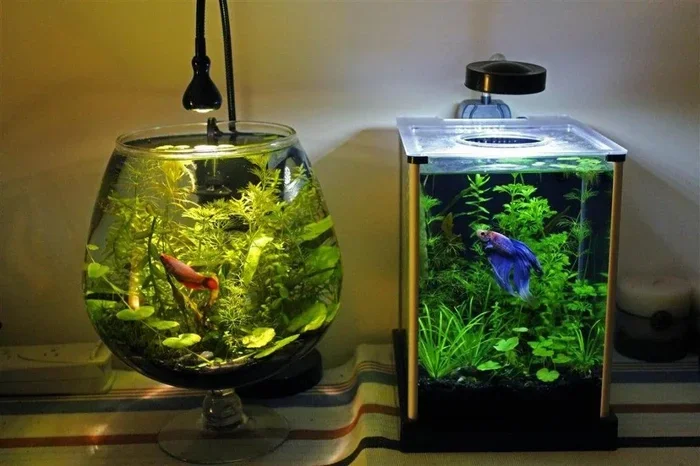
Preparing a bowl for a betta fish means choosing the right size, treating the water, adding the perfect substrate, and setting up a comfortable habitat. This guide walks you through every step so your betta stays healthy and happy. You will learn how to prepare a bowl for a betta fish safely and easily, even if you are a complete beginner.
Setting up a home for your betta fish is one of the most exciting parts of fish keeping. A how to prepare a bowl for a betta fish guide is essential because the environment you create directly affects your fish’s health, color, and lifespan. Many beginners think all they need is a bowl and some water, but that is far from the truth.
A well-prepared bowl gives your betta a safe space to explore, rest, and show off its beautiful fins. It also makes daily care much easier and more enjoyable. In this guide, we will walk you through every single step. By the end, you will feel confident and ready to create the perfect betta fish habitat.
Let us dive right in and make your betta’s new home amazing.
Key Takeaways
- Choose the right bowl size: A minimum of 5 gallons gives your betta room to thrive and swim freely.
- Always treat tap water: Use a water conditioner to remove chlorine and other harmful chemicals before adding water.
- Cycle the bowl first: Establishing beneficial bacteria before adding your betta prevents ammonia spikes and keeps water safe.
- Add gentle decorations and plants: Live or silk plants and smooth substrates create a natural, stress-free environment.
- Maintain consistent water temperature: Keep the water between 76-82 degrees Fahrenheit for optimal betta health.
- Perform regular water changes: Weekly partial water changes are essential for a clean and healthy betta habitat.
📑 Table of Contents
Why Preparing the Bowl Properly Matters
Many people underestimate the importance of preparing a betta fish bowl before bringing their fish home. A rushed setup can lead to stress, illness, and even death. Your betta depends entirely on you to provide a safe and clean environment. Taking the time to do things right pays off in a happy, vibrant fish.
When you prepare a bowl for a betta fish correctly, you create a stable ecosystem. This means the water parameters stay balanced, beneficial bacteria thrive, and your fish feels secure. Skipping steps or rushing the process can cause ammonia spikes, temperature swings, and bacterial infections. A little preparation goes a very long way.
The Difference Between a Bowl and a Tank
Some people use the words “bowl” and “tank” interchangeably, but they are not the same thing. A traditional fish bowl is typically round and has a small surface area. A tank is usually rectangular and offers more swimming space and better gas exchange. For betta fish, a tank of at least 5 gallons is ideal, but many keepers still use bowls successfully.
Regardless of which container you choose, the preparation steps are similar. You still need to treat the water, add a substrate, and cycle the environment. The key difference is that bowls require more frequent water changes because they have less water volume. Understanding this helps you plan your maintenance routine from day one.
Choosing the Right Bowl for Your Betta
Not all bowls are created equal. The size and shape of the container you choose will impact your betta’s quality of life. A proper betta fish bowl setup starts with picking the right home for your fish.
Minimum Size Requirements
The smallest bowl you should consider is 5 gallons. Anything smaller makes it very hard to maintain stable water conditions. A 5-gallon bowl gives your betta enough room to swim and explore. It also provides enough water volume to dilute waste products between water changes.
If you can go bigger, a 10-gallon bowl or tank opens up even more possibilities. You can add more plants, decorations, and even a small filter. Larger volumes are more forgiving of mistakes, which makes them great for beginners who are still learning the ropes of betta fish care basics.
Shape and Material Considerations
Round bowls look pretty, but they have a downside. The curved shape reduces the surface area where oxygen enters the water. This can lower oxygen levels, which stresses your betta. Rectangular containers offer more surface area and better gas exchange.
As for material, glass and acrylic are both good options. Glass is scratch-resistant and does not yellow over time. Acrylic is lighter and less likely to break, but it scratches more easily. Choose whichever fits your budget and setup. The most important thing is that the container is clean and free of any chemical residues.
Gathering Your Supplies
Before you start setting up, gather everything you need. Having all your supplies ready makes the process smooth and stress-free. Here is a simple checklist to follow:
- Bowl or tank: At least 5 gallons, cleaned and ready to use.
- Water conditioner: This removes chlorine and chloramine from tap water. It is essential for how to prepare water for a betta fish.
- Substrate: Gravel or sand that is safe for aquarium use.
- Heater: A small adjustable heater to maintain the right temperature.
- Thermometer: To monitor water temperature accurately.
- Filter: Optional but highly recommended for larger bowls.
- Plants: Live or silk plants that provide hiding spots and enrichment.
- Decorations: Smooth rocks, caves, or driftwood without sharp edges.
- Net: For safely moving your betta during water changes.
Having everything ready before you start means you will not need to leave your betta waiting in a temporary container. The less time your fish spends in transit, the better.
Step-by-Step Guide to Preparing the Bowl
Now comes the fun part. This is where you actually build your betta’s new home. Follow these steps carefully, and you will have a beautiful and safe environment ready in no time.
Step 1: Clean the Bowl
Start by washing the bowl with warm water only. Do not use soap or any chemical cleaners. Soap residues are extremely toxic to fish and can be fatal even in tiny amounts. A simple rinse with warm water removes dust and debris.
If the bowl has been stored for a while, inspect it for cracks or chips. A damaged bowl can leak and create a dangerous situation. Once the bowl is clean and dry, you are ready to move on to the next step.
Step 2: Add the Substrate
Spread a thin layer of substrate across the bottom of the bowl. Aim for about one to two inches of gravel or sand. The substrate helps anchor plants and provides a natural look. It also houses beneficial bacteria that help break down waste.
Before adding substrate, rinse it thoroughly in a colander under running water. This removes dust and debris that can cloud the water. Use only aquarium-grade substrate, as regular garden soil or sand may contain harmful chemicals.
Step 3: Treat and Add Water
This is one of the most critical steps. Tap water contains chlorine and chloramine, which are harmful to betta fish. You need to use a water conditioner for betta fish to neutralize these chemicals. Follow the dosage instructions on the bottle carefully.
Fill the bowl slowly to avoid disturbing the substrate too much. Use a plate or your hand to diffuse the water flow. This prevents the substrate from shifting and keeps the bowl looking clean. Dechlorinated water for betta is the foundation of a healthy habitat, so do not skip this step.
Step 4: Install the Heater and Thermometer
Betta fish are tropical and need warm water to thrive. Install a small aquarium heater and set it to 78 degrees Fahrenheit. Attach a thermometer on the opposite side of the bowl so you can monitor the temperature easily.
Temperature stability is just as important as the temperature itself. Sudden swings can shock your betta and weaken its immune system. Place the bowl away from windows, drafts, and heat sources that can cause fluctuations. A stable environment is one of the best things you can do for your fish.
Step 5: Cycle the Bowl
Cycling is the process of building beneficial bacteria in the bowl. These bacteria convert toxic ammonia into less harmful nitrates. Cycling before adding your betta is crucial for long-term water quality.
To cycle the bowl, add a source of ammonia. You can use fish food or a pure ammonia supplement. Test the water daily with a liquid test kit. Once you see ammonia and nitrite levels spike and then drop to zero, the bowl is cycled. This usually takes two to four weeks. While waiting, you can how to cycle a fish tank for betta using the same principles.
Cycling might feel like a waiting game, but it is worth every day. A properly cycled bowl means safer, cleaner water for your betta from the very start.
Step 6: Add Plants and Decorations
Now comes the creative part. Add live or silk plants to give your betta places to hide and explore. Betta fish love having plants to rest on, especially broad-leafed varieties like java fern or anubias.
Arrange decorations to create open swimming areas and cozy hiding spots. Avoid sharp or rough decorations that can tear your betta’s delicate fins. Smooth rocks, caves, and driftwood all work well. For more ideas on making your setup beautiful, check out our guide on how to decorate a betta fish bowl.
Less is more when it comes to decorating. Leave enough open space for your betta to swim freely. A cluttered bowl can make your fish feel stressed and cramped.
Step 7: Let the Bowl Stabilize
Before adding your betta, let the bowl run for at least 24 hours. This gives the water temperature time to stabilize and allows any remaining chlorine to dissipate. Check the heater and thermometer to make sure everything is working correctly.
Use this time to observe the water clarity. If the water looks cloudy, give it more time or consider doing a partial water change. A stable, clear environment is the best welcome you can give your new fish.
Maintaining Your Betta Fish Bowl
Preparation is only half the battle. Keeping the bowl clean and safe over time is equally important. Regular maintenance prevents ammonia buildup and keeps your betta healthy and active.
Weekly Water Changes
Plan to change 25 to 30 percent of the water every week. This removes accumulated waste and refreshes essential minerals. Always use treated water that matches the bowl’s temperature. Sudden temperature changes can stress your betta.
Use a gravel vacuum during water changes to remove debris from the substrate. This keeps the bowl looking clean and reduces the buildup of harmful compounds. For more details on this process, visit our article on how to do a water change for betta fish.
Testing Water Parameters
Invest in a simple liquid test kit to monitor ammonia, nitrite, and nitrate levels. These tests are affordable and give you invaluable information about your bowl’s water quality. Test the water weekly, especially during the first few weeks after setup.
Ideal parameters for a betta bowl are:
- Ammonia: 0 ppm
- Nitrite: 0 ppm
- Nitrate: Under 20 ppm
- pH: 6.5 to 7.5
- Temperature: 76 to 82 degrees Fahrenheit
Staying on top of these numbers helps you catch problems early before they become serious. Prevention is always easier than treatment when it comes to betta fish water care.
Cleaning the Bowl
Avoid cleaning the entire bowl at once. Replacing all the water at once strips away beneficial bacteria and shocks your betta. Instead, stick to partial water changes and gentle cleaning of the glass and substrate.
If algae builds up on the walls, use an algae scraper or a soft sponge. Never use soap or chemical cleaners on any part of the bowl. For a deeper clean, you can gently rinse the substrate in a bucket of removed bowl water. This preserves the beneficial bacteria while keeping things tidy.
Consistent, gentle cleaning is far better than occasional deep cleans. Your betta will thank you with bright colors and active behavior.
Common Mistakes to Avoid
Even the most well-meaning betta keepers make mistakes. Knowing what to avoid saves you time, money, and heartache. Here are the most common errors people make when setting up a betta bowl.
- Using too small a container: Bowls under 3 gallons are extremely difficult to maintain. They cause rapid water quality changes and stress your fish.
- Skipping the water conditioner: Tap water is not safe for betta fish without treatment. Always condition your water before adding it to the bowl.
- Not cycling the bowl: Adding your betta to an uncycled bowl exposes it to dangerous ammonia levels from day one.
- Overcrowding the bowl: Betta fish are solitary creatures. Do not add other fish or tank mates unless the bowl is large enough and properly filtered.
- Placing the bowl in direct sunlight: This causes temperature swings and promotes excessive algae growth. Choose a spot with indirect light instead.
- Using the wrong substrate: Regular sand or soil from outside can leach harmful substances. Stick to aquarium-safe substrates only.
Avoiding these mistakes sets you up for success from the very beginning. A little knowledge goes a long way in creating a thriving betta fish environment.
Expert Tips for a Thriving Betta Bowl
Once your bowl is set up and your betta is settled in, you want to keep things running smoothly. Here are some expert-backed tips that make a real difference.
Feed small amounts twice a day. Overfeeding is one of the leading causes of water quality problems. Feed only what your betta can eat in two minutes. Remove any uneaten food promptly to prevent it from decomposing in the water.
Add a lid or cover. Betta fish are curious jumpers and can leap out of open bowls. A secure lid prevents escapes and keeps debris out of the water. Make sure the lid has small gaps for air exchange so your betta gets enough oxygen.
Observe your betta daily. Spend a few minutes each day watching your fish. Look for changes in appetite, color, or behavior. Catching problems early gives you the best chance to address them quickly. This simple habit is one of the most powerful tools in betta fish care basics.
Keep a maintenance log. Writing down water change dates, test results, and feeding schedules helps you spot trends and catch issues before they escalate. It also makes it easier to adjust your routine as you gain experience.
Be patient. Building a stable habitat takes time. Do not rush the process or make too many changes at once. Gradual adjustments keep the water parameters stable and your betta stress-free.
Conclusion
Learning how to prepare a bowl for a betta fish is the foundation of responsible fish keeping. From choosing the right container to cycling the water and adding safe decorations, every step matters. A well-prepared bowl gives your betta the best possible start in life. It creates a beautiful, calming addition to your home while keeping your fish healthy and happy.
Remember that preparation is an ongoing process. Regular water changes, parameter testing, and gentle cleaning keep the habitat thriving. The effort you put into setup pays off every day in the form of a vibrant, active, and colorful betta fish.
Start with the basics, stay consistent, and enjoy the journey. Your betta fish deserves a wonderful home, and now you have everything you need to create one. Happy fish keeping!
Frequently Asked Questions
What size bowl do I need for a betta fish?
A minimum of 5 gallons is recommended for a betta fish. While bettas can survive in smaller containers, a 5-gallon bowl provides enough space for swimming, stable water conditions, and room for plants and decorations. Larger is always better when it comes to betta fish bowl size.
Do I need a filter in a betta fish bowl?
A filter is not strictly required but is highly recommended. Filters help maintain water quality by removing waste and supporting beneficial bacteria. If you keep a betta in a bowl without a filter, you will need to perform more frequent water changes to keep the water clean and safe.
How long should I cycle a betta bowl before adding my fish?
Cycling typically takes two to four weeks. During this time, beneficial bacteria colonize the bowl and convert toxic ammonia into less harmful substances. Testing the water regularly ensures the cycle is complete. Adding your betta to an uncycled bowl can cause serious health problems.
Can I use tap water directly for my betta fish bowl?
No, you should never use tap water directly. Tap water contains chlorine and chloramine that are harmful to betta fish. Always treat tap water with a water conditioner before adding it to the bowl. This simple step is essential for keeping your betta safe and healthy.
How often should I clean my betta fish bowl?
Perform a 25 to 30 percent water change every week. Clean the glass and substrate gently during each water change. Avoid replacing all the water at once, as this disrupts beneficial bacteria and shocks your betta. Consistent, gentle maintenance is the key to a long-lasting clean bowl.
What plants are best for a betta fish bowl?
Java fern, anubias, and java moss are excellent choices for betta bowls. These plants are hardy, low-maintenance, and provide great hiding spots for your betta. Silk plants are also a good alternative if you prefer not to care for live plants. Avoid plants with sharp edges that could damage delicate fins.