How to Net a Betta Fish
Knowing how to net a betta fish properly is one of the most important skills every betta owner should have. Whether you are transferring your fish to a new tank, performing a water change, or treating an illness, using the right netting technique keeps your betta safe and calm. This guide walks you through choosing the best net, following a simple step-by-step process, and avoiding common mistakes that can harm your fish.
Netting a betta fish might seem simple on the surface. But if you have ever tried to catch a slippery, fast-moving betta in a crowded tank, you know it can be tricky. A wrong move can tear fins, cause extreme stress, or even injure your fish. That is exactly why learning the proper way to net a betta fish matters so much.
Whether you are a complete beginner or have kept bettas for years, this guide will help you net your fish safely every single time. We will cover everything from picking the right net to handling your betta with confidence. By the end, you will feel prepared and ready for any situation that requires a gentle capture.
Let us start with the most important part: understanding why proper netting technique is so critical for your betta’s health and well-being.
Key Takeaways
- Choose a soft-mesh net: A fine, smooth mesh prevents damage to your betta’s delicate fins and scales.
- Prepare before you net: Calm your betta and have your destination container ready to reduce stress.
- Move slowly and gently: Rushing is the number one cause of injury and panic during netting.
- Avoid using your hands: Nets are safer and more effective than trying to grab a betta with bare hands.
- Clean and store your net properly: Proper maintenance prevents bacteria buildup that could harm your fish.
- Know when to seek help: Some situations, like serious illness or injury, may require a vet instead of DIY netting.
📑 Table of Contents
- Why You Need to Know How to Net a Betta Fish
- Choosing the Right Net for Your Betta Fish
- Step-by-Step Guide to Netting a Betta Fish
- Common Mistakes People Make When Netting a Betta Fish
- Tips for Stress-Free Betta Fish Netting
- When You Should Not Net Your Betta Fish
- Frequently Asked Questions
- Final Thoughts on How to Net a Betta Fish
Why You Need to Know How to Net a Betta Fish
Betta fish are beautiful, but they are also delicate. Their long, flowing fins can snag on rough surfaces, and their scales are sensitive to pressure. When you catch a betta fish incorrectly, the results can be painful and even life-threatening.
Here are the most common situations where you will need to net your betta:
- Tank transfers: Moving your betta to a new tank setup or a quarantine tank.
- Water changes: Removing your betta temporarily while you clean the bowl or tank.
- Health treatments: Isolating your fish for medication, salt baths, or ich treatment.
- Tank maintenance: Cleaning gravel, decorations, or hard-to-reach areas without disturbing your fish.
- Breeding setups: Separating male and female bettas during the breeding process.
In each of these cases, the way you handle the netting process directly affects your fish’s stress level and physical safety. Taking a few extra minutes to do it right makes a huge difference.
Choosing the Right Net for Your Betta Fish
Not all fish nets are created equal. Using the wrong type of net can cause serious harm to your betta. The goal is to find a net that is gentle, effective, and easy to maneuver.
Soft Mesh vs. Hard Mesh Nets
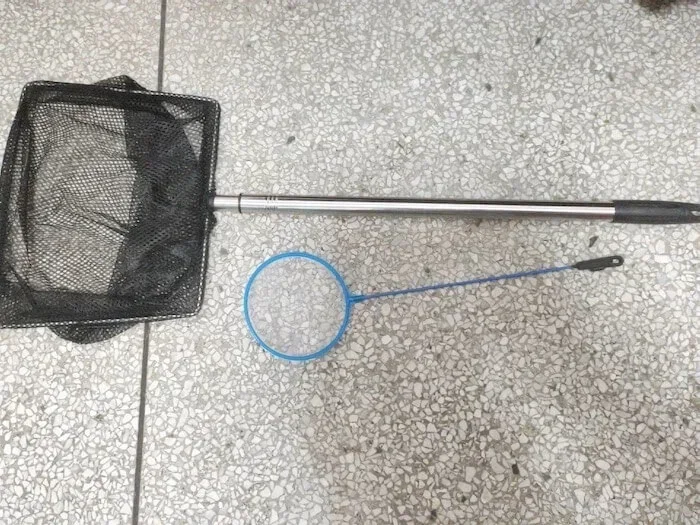
The single most important feature of a betta net is the mesh material. Soft mesh nets made from fine nylon or microfiber are the best choice. They glide smoothly through the water and do not catch on your betta’s fins. Hard mesh nets with large openings can tear delicate fins and cause stress.
Look for nets specifically designed for freshwater aquarium fish. These often have a fine, almost silk-like texture that protects your fish. Avoid nets meant for larger, tougher species like koi or goldfish.
Net Size and Shape
The size of the net matters too. A net that is too small will squeeze your betta, causing panic and physical pressure. A net that is too large is hard to control in a small bowl. For most betta setups, a small to medium-sized net with a deep scoop works best. The round or oval shape gives you better control than flat designs.
Handle Length and Grip
A long handle gives you more leverage and keeps your hands further from the water. This helps you make slow, steady movements without splashing or startling your betta. Look for a net with a comfortable grip that does not slip when your hands are wet.
Step-by-Step Guide to Netting a Betta Fish
Now that you have the right net, let us walk through the actual process. Follow these steps carefully, and your betta will stay calm and safe throughout.
Step 1: Prepare Everything in Advance
Before you even touch the net, get everything ready. Have your destination container filled with clean, temperature-matched water. This could be a small bowl, a quarantine tank, or a holding container. The key is to have it within arm’s reach so you do not need to rush.
Also, dim the lights slightly if possible. Betta fish are calmer in low-light environments, which makes them easier to guide gently into the net.
Step 2: Calm Your Betta Fish
Betta fish respond to movement. If you slam your hands on the tank or make sudden gestures, your betta will bolt in panic. Instead, move slowly and deliberately. Let your betta get used to your presence near the tank.
You can also try gently tapping the side of the tank a few times to get your betta’s attention. This helps them focus on one area, making it easier to guide them toward the net.
Step 3: Position the Net Correctly
Hold the net flat against the water surface, slightly below your betta. Do not plunge the net down from above. That creates a shadow and a splash that will scare your fish. Instead, let the net sink gently into the water and position it just in front of or slightly beneath your betta.
Think of it like guiding your fish rather than chasing them. You want your betta to swim into the net on their own terms.
Step 4: Guide Your Betta Into the Net
Use slow, smooth movements to nudge your betta toward the net. You can gently tilt the tank or use a clean finger to guide them from behind. Never chase your betta around the tank. This causes extreme stress and exhausts the fish.
Once your betta enters the net, lift it out of the water slowly and steadily. Keep the net level so your fish does not slide out. Lift with confidence but without jerking movements.
Step 5: Transfer Your Betta Safely
Hold the net over the destination container and gently tip your betta in. You can use a second net or your hand to gently guide them out of the first net. Never dump your betta from a height, as the impact can cause injury.
If you are moving your betta to a new tank setup, make sure the water parameters match as closely as possible. This reduces shock and keeps your fish healthy.
Step 6: Clean and Store Your Net
After each use, rinse your net thoroughly with clean water. Do not use soap or chemicals. Store the net in a dry, clean place to prevent bacteria growth. A dirty net can introduce harmful pathogens into your tank, which is the last thing you want.
Common Mistakes People Make When Netting a Betta Fish
Even experienced fish keepers make mistakes. Here are the most common errors and how to avoid them.
Using the Wrong Type of Net
This is the most common mistake. Nets with rough mesh, large holes, or sharp edges can tear your betta’s fins and scales. Always choose a fine soft-mesh net designed for small freshwater fish.
Rushing the Process
Haste makes waste, especially with bettas. When you rush, you create splashes, shadows, and sudden movements that terrify your fish. Take your time. A calm approach gets better results every time.
Netting from Above
Dropping a net down from the top of the tank is one of the fastest ways to scare your betta. It creates a threatening shadow and a loud splash. Always enter the water from the side or below your betta’s line of sight.
Chasing Your Betta Around the Tank
Chasing exhausts your fish and raises their cortisol levels, which weakens their immune system. Instead, be patient and guide your betta gently into the net. If your fish is hiding and will not come out, try again later when they are more active.
Forgetting to Match Water Temperatures
If you are transferring your betta to a new container or tank, the water temperature must match. Sudden temperature changes cause thermal shock, which can be fatal. Always check the temperature with a thermometer before moving your fish.
Tips for Stress-Free Betta Fish Netting
Making the netting experience as calm as possible benefits both you and your fish. Here are some pro tips that make a real difference.
- Net your betta during feeding time: A slightly hungry betta is more likely to move toward food and into the net willingly.
- Use a clear container: This lets you see your betta clearly and monitor their condition during transfer.
- Keep your hands still: Your hands create vibrations in the water that can startle your fish. Move them as little as possible.
- Practice makes perfect: If you are new to netting, practice the motion a few times without your betta in the tank first.
- Consider a transfer container: Having a dedicated container ready makes the entire process smoother and faster.
The more you practice, the more natural the process becomes. Over time, you will develop a rhythm that keeps your betta calm and makes netting feel effortless.
When You Should Not Net Your Betta Fish
There are times when netting is not the best option. If your betta is visibly injured, extremely lethargic, or showing signs of a severe illness, netting may cause more harm than good. In these cases, consider alternative approaches.
For example, if your betta is too weak to swim, you can use a gentle container scoop or carefully cup your betta with both hands as a last resort. Always prioritize your fish’s safety over any technique.
If you are dealing with a serious health issue like a stressed betta fish, consult a veterinarian or experienced aquarist before attempting any capture method. Sometimes professional guidance saves lives.
Frequently Asked Questions
What type of net is best for netting a betta fish?
A soft-mesh net made from fine nylon or microfiber is the best choice. Avoid hard mesh or nets with large openings that can catch and damage your betta’s delicate fins. Look for nets specifically designed for small freshwater aquarium fish.
Can I use my hands instead of a net to catch my betta?
You can, but it is not recommended. Hands can strip away your betta’s protective slime coat and cause stress. A soft-mesh net is much safer and gives you better control during the transfer process.
How do I calm my betta fish before netting?
Dim the lights, move slowly, and avoid making sudden noises or splashes. You can also tap the side of the tank gently to get your betta’s attention and guide them toward the net. A calm environment makes the entire process easier for both of you.
What should I do if my betta gets tangled in the net?
Stay calm and do not pull the net out of the water forcefully. Gently hold the net still and use your other hand or a second net to carefully free any tangled fins. Take your time and be as gentle as possible to avoid injury.
How often should I clean my fish net?
Rinse your net with clean water after every use. Deep clean it once a week with hot water and let it dry completely before storing. Never use soap or chemical cleaners, as residue can harm your fish.
Is it okay to net my betta during a water change?
Yes, netting is a standard part of water changes when you need to remove your betta temporarily. Just make sure the replacement water is temperature-matched and ready before you start. This minimizes the time your betta spends outside the water.
Final Thoughts on How to Net a Betta Fish
Learning how to net a betta fish is a fundamental skill that every betta owner needs. It protects your fish from injury, reduces stress, and makes tank maintenance and water changes much easier. With the right net, a calm approach, and a little practice, you can master this skill in no time.
Remember to always choose a soft-mesh net, prepare your destination container in advance, and move slowly and deliberately. Avoid the common mistakes that cause stress and injury, and never chase your fish around the tank. Your betta will thank you with calm, healthy behavior every time you handle them gently.
Whether you are a first-time betta owner or a seasoned hobbyist, these techniques will serve you well for years to come. Keep this guide handy, refer back to it whenever needed, and enjoy the confidence that comes with knowing you are handling your betta the right way.