A Betta Fish Memory
A betta fish memory is surprisingly sharp for such a small creature, allowing them to learn tricks, recognize owners, and avoid danger. Understanding how they store information helps you create a stress‑free environment that promotes vibrant colors and long life.
Key Takeaways
- Short‑term memory: Betta fish can recall events for up to a few minutes, enough to learn simple feeding routines.
- Long‑term memory: They can remember owners, tank mates, and harmful stimuli for weeks or even months.
- Training potential: Consistent cues let bettas perform tricks like swimming through hoops or recognizing their name.
- Stress impacts memory: Poor water quality, wrong temperature, and overcrowding shorten recall ability.
- Environmental enrichment: Plants, hiding spots, and varied lighting boost mental health and memory retention.
- Health link: A sharp memory often signals a healthy betta; lethargy may indicate illness.
- Practical tip: Use the same hand, feeding schedule, and visual cues each day to reinforce positive memories.
📑 Table of Contents
- Introduction: Why a Betta’s Memory Matters
- 1. The Science Behind a Betta Fish Memory
- 2. How Long Do Betta Fish Remember?
- 3. Training Your Betta Using Memory
- 4. Factors That Can Harm a Betta’s Memory
- 5. Enhancing Your Betta’s Mental Well‑Being
- 6. Recognizing Memory‑Related Health Issues
- Conclusion: A Smarter Fish Than You Thought
Introduction: Why a Betta’s Memory Matters
When you first see a betta fish, its flowing fins and bold colors steal the show. Most hobbyists think of them as solitary beauties that simply glide around a tiny bowl. Yet beneath that graceful surface lies a tiny brain capable of learning, remembering, and adapting. Knowing how a betta fish memory works changes the way you feed, train, and design its tank.
In this guide we’ll explore the science of memory in bettas, break down short‑ and long‑term recall, and give you everyday tips to keep your fish sharp and happy. By the end, you’ll be able to answer the age‑old question “does a betta fish remember?” with confidence and a few practical tricks up your sleeve.
1. The Science Behind a Betta Fish Memory
How Fish Remember
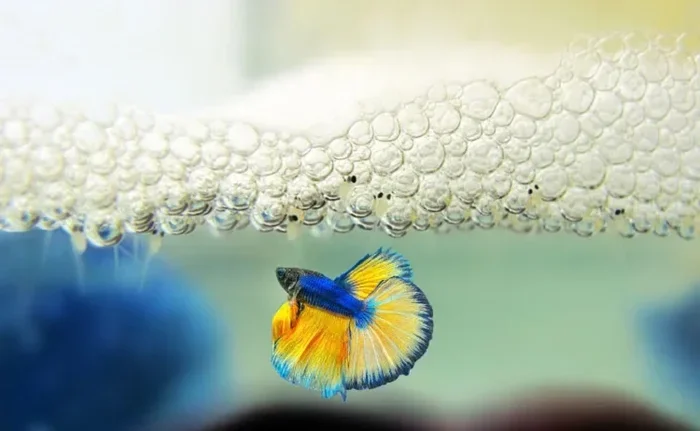
All fish, including bettas, have a brain region called the telencephalon that handles learning and memory. While it’s far smaller than a mammal’s, it works on the same basic principle: neurons fire, connections strengthen, and patterns become stored.

Visual guide about A Betta Fish Memory
Image source: lordofthelasersword.com
Short‑Term vs. Long‑Term Memory
Short‑term memory in bettas lasts anywhere from a few seconds to a few minutes. This is enough for them to recognize a sudden shadow or a new food pellet. Long‑term memory can persist for weeks or months, allowing a betta to remember the shape of its tank, the sound of a hand approaching, or a stressful event like a water change gone wrong.
What Triggers Memory Formation?
- Consistent cues: Repeating the same hand motion before feeding helps the fish associate the gesture with food.
- Positive reinforcement: Offering a favorite treat after a trick strengthens the neural pathway.
- Stressful events: Sudden temperature spikes or aggressive tank mates create strong, often negative, memories.
2. How Long Do Betta Fish Remember?
Short‑Term Examples
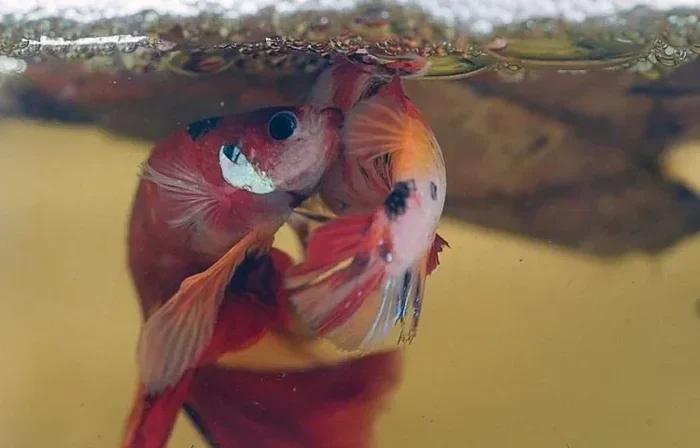
Place a bright red ball near the water surface. A betta will notice it, investigate for a minute or two, and then lose interest. That fleeting curiosity is short‑term memory at work.

Visual guide about A Betta Fish Memory
Image source: aipict.com
Long‑Term Examples
Many owners report that their bettas recognize them after weeks of absence. The fish may swim excitedly when the same person approaches, even if that person hasn’t fed it for a month. Studies on related species, like zebrafish, show they can retain learned patterns for up to six months, suggesting bettas have a similar capacity.
Practical Test at Home
Try this simple experiment: Use a distinct hand gesture (e.g., tapping the tank) before feeding for three days. Skip a day, then repeat the gesture without food. If the betta darts to the surface expecting a meal, it’s demonstrating memory retention.
3. Training Your Betta Using Memory
Step‑by‑Step Training Guide
- Choose a cue: A finger tap, a soft “hello,” or a light flash.
- Pair with food: Offer a tiny piece of bloodworm immediately after the cue.
- Repeat consistently: Do this 2–3 times daily for a week.
- Introduce a trick: Hold a small hoop above the water. When the fish swims through, reward it.
- Gradually fade the cue: Reduce food rewards slowly so the behavior sticks.
Tips for Success
- Keep training sessions under five minutes to avoid stress.
- Use the same hand and tone each time; bettas notice subtle differences.
- Maintain optimal water temperature (around 78‑80°F) to keep the brain active.
4. Factors That Can Harm a Betta’s Memory
Poor Water Quality
Ammonia spikes, high nitrate levels, or low oxygen all impair neural function. Regular water changes (about 25 % weekly) keep the environment clean and the fish’s mind sharp.

Visual guide about A Betta Fish Memory
Image source: images-wixmp-ed30a86b8c4ca887773594c2.wixmp.com
Incorrect Temperature
Betta fish are tropical; water below 76°F slows metabolism and reduces cognitive ability. Conversely, temperatures above 84°F cause stress and can erase learned behaviors.
Overcrowding and Aggressive Tank Mates
Even though bettas are often kept alone, a cramped tank with aggressive companions can create chronic stress, shortening both short‑ and long‑term memory. A 5‑gallon minimum tank with plenty of hiding spots is ideal (What Size Tank For A Betta Fish).
5. Enhancing Your Betta’s Mental Well‑Being
Environmental Enrichment
Live plants, silk driftwood, and smooth rocks give your betta places to explore and hide, stimulating its brain. Changing the layout occasionally introduces new challenges that keep memory pathways active.
Lighting and Day‑Night Cycle
Betas need a regular light schedule—about 10‑12 hours of dim light followed by darkness. Consistent cycles help regulate circadian rhythms, which are linked to memory consolidation.
Nutrition for Brain Health
High‑protein foods like brine shrimp, daphnia, and specially formulated betta pellets provide essential amino acids for neurotransmitter production. A varied diet supports both physical and mental health.
6. Recognizing Memory‑Related Health Issues
When Memory Declines
If a betta stops responding to familiar cues, becomes lethargic, or forgets to eat, it may be ill. Common culprits include internal parasites, fungal infections, or poor water conditions. Early detection can save a life (How To Know If A Betta Fish Is Dying).
Regular Health Checks
- Observe swimming patterns for erratic movements.
- Check for ragged fins or discoloration.
- Test water parameters weekly.
Conclusion: A Smarter Fish Than You Thought
A betta fish memory may not rival that of a dog, but it is impressive for a creature that fits in the palm of your hand. By understanding how short‑ and long‑term recall work, you can create a routine that reinforces positive memories, reduces stress, and even teaches tricks. Keep the water clean, temperature stable, and the environment enriching, and you’ll watch your betta’s vibrant personality—and its memory—flourish for years to come.
Frequently Asked Questions
Do betta fish have short‑term memory?
Yes. They can remember a stimulus such as a hand tap or a sudden shadow for a few seconds to a few minutes, which is enough to react to feeding cues.
Can a betta fish recognize its owner?
Absolutely. Betta fish can form long‑term memories of people who regularly interact with them, often swimming excitedly when they see that person after weeks.
How long can a betta remember a training cue?
With consistent practice, a betta can retain a cue for several weeks. If training stops, the memory may fade after a month or two.
What environmental factors damage a betta’s memory?
Bad water quality, incorrect temperature, and chronic stress from overcrowding or aggressive tank mates are the main culprits that impair memory.
Can I train my betta to do tricks?
Yes. Simple tricks like swimming through a hoop or touching a stick can be taught using a clear cue and food reward, reinforcing the behavior over time.
Is a betta’s memory linked to its overall health?
Strong memory often indicates a healthy fish. Lethargy, loss of response to familiar cues, or erratic swimming can signal illness and should be checked promptly.