How to Naturally Clean Betta Fish Tank
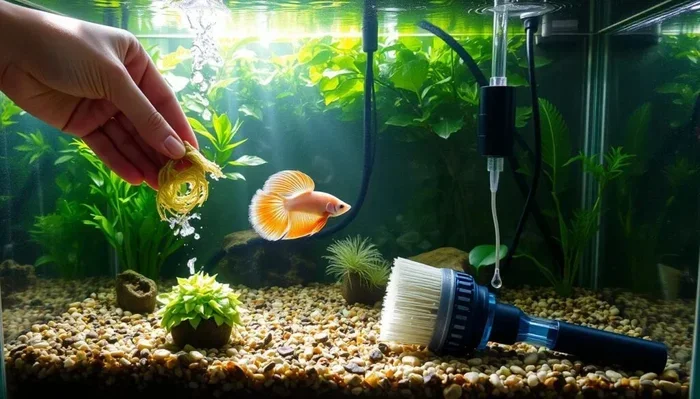
How to naturally clean betta fish tank is all about using safe, chemical-free methods that protect your fish and beneficial bacteria. Natural cleaning keeps water clear, reduces algae, and promotes long-term betta health. This guide covers simple supplies, step-by-step techniques, and common mistakes to avoid.
A clean tank means a happy betta. These colorful fish thrive in fresh, well-maintained water. But cleaning doesn’t have to involve store-bought chemicals that can harm your pet. Natural betta tank cleaning focuses on gentle, safe methods that work with your aquarium’s ecosystem. You’ll save money, protect your fish, and build a routine that’s easy to follow every week. Let’s dive into why natural cleaning matters so much for your underwater friend.
Keeping your betta fish tank clean doesn’t require harsh chemicals or complicated equipment. How to naturally clean betta fish tank is a question every betta owner should know the answer to. Natural cleaning methods protect your fish, preserve beneficial bacteria, and create a healthier environment for your aquatic pet. In this guide, you’ll learn simple, effective techniques to keep your tank sparkling without using toxic products. Whether you’re a beginner or experienced aquarist, these tips will make tank maintenance easy, safe, and worry-free.
Key Takeaways
- Natural cleaning is safer: Avoid harsh chemicals and soap that can harm your betta and destroy beneficial bacteria.
- Simple supplies work best: A siphon, soft sponge, water conditioner, and test kit are all you need.
- Partial water changes are key: Replace 25-30 percent of tank water every one to two weeks for best results.
- Consistency beats intensity: Small weekly tasks prevent major buildup and keep your tank healthy.
- Live plants help naturally: They absorb excess nutrients and reduce algae growth in your betta habitat.
- Avoid common mistakes: Never use tap water without conditioner or clean your filter too aggressively.
📑 Table of Contents
- Why Natural Cleaning Matters for Your Betta
- Essential Supplies for Natural Betta Tank Cleaning
- Step-by-Step Guide to Naturally Clean Your Betta Fish Tank
- Maintaining a Clean Tank Between Cleanings
- How Often Should You Clean Your Betta Tank?
- Natural Cleaning Tips for Tanks With Live Plants
- Common Mistakes to Avoid When Cleaning Naturally
- Quick Tips for Spotless Betta Water
- Conclusion
Why Natural Cleaning Matters for Your Betta
Many tank owners reach for soap or chemical cleaners when their tank looks dirty. That’s a big mistake. Soap residue can be deadly for betta fish. Even small amounts can damage their gills and skin. Chemical cleaners also kill the good bacteria your tank needs. These beneficial bacteria tank colonies break down waste and keep water quality stable. Without them, your tank becomes toxic quickly.
Natural cleaning methods are safe, effective, and affordable. They work with your tank’s natural biology instead of against it. You protect the helpful bacteria that keep your water clean. Your betta stays healthy and active. Natural methods also reduce stress on your fish during maintenance. Over time, you’ll notice clearer water and less algae growth. Eco-friendly tank cleaning is a win-win for you and your pet.
Chemical-free aquarium cleaning is the foundation of a healthy betta habitat. When you avoid toxic products, you create a stable environment where your fish can truly thrive. Betta fish health depends heavily on water quality, and natural methods are the best way to maintain it long-term.
Essential Supplies for Natural Betta Tank Cleaning
You don’t need much to clean a betta tank naturally. Having the right tools makes the process faster and easier. Here’s what you’ll want to have on hand:
- Siphon or gravel vacuum for betta tank substrate cleaning
- Bucket dedicated only to tank use
- Water conditioner to neutralize tap water chemicals
- Soft sponge or algae scraper (no soap ever)
- Thermometer to match water temperatures
- Clean towels or paper towels for spills
- Test kit to check water parameters regularly
Avoid using anything that has soap residue or chemical traces. Even dish soap on a bucket can harm your fish. Keep all supplies separate from household cleaning items. Natural aquarium cleaning requires tools that are only used for your aquarium. This simple rule keeps your betta safe every time you clean.
Step-by-Step Guide to Naturally Clean Your Betta Fish Tank
Preparing for the Cleaning Process
Before you start, gather everything you need. Turn off all equipment like filters and heaters. How to clean a betta fish tank properly begins with preparation. Place your bucket next to the tank. You’ll use it to hold dirty water during the process. Also, have your water conditioner ready for the new water you’ll add later.
Wash your hands thoroughly with plain water (no soap). Make sure your bucket and tools are completely clean and free of any household chemicals. This preparation step takes just a few minutes but sets you up for a safe and effective cleaning session.
Cleaning the Tank Walls
Use your soft sponge or algae scraper to gently clean the inside walls. Move in circular motions to remove algae buildup. For hard-to-reach spots, use a dedicated tank magnet cleaner. Never use soap or chemical sprays. Plain warm water works perfectly for most algae removal naturally. If you have live plants, be extra gentle around them to avoid damage.
For stubborn algae spots, let the area soak with warm water for a minute before scrubbing. Most algae comes off easily with gentle pressure. The goal is to keep the walls clear so light can reach your betta and any plants inside the tank.
Vacuuming the Substrate
This is the most important step in the cleaning process. Use your siphon to vacuum the gravel or substrate. Start at one corner and work your way across the tank. The siphon removes debris, fish waste, and leftover food particles. You don’t need to clean every grain of gravel. Focus on areas where waste tends to collect, like near decorations and corners.
Aim to remove about 25-30 percent of the substrate debris during each session. This keeps the tank clean without disturbing the beneficial bacteria living deep in the substrate. Those bacteria colonies are essential for breaking down waste and keeping your clean betta water safe and healthy.
Replacing Water the Right Way
After vacuuming, it’s time to add fresh water. Match the temperature of the new water to your tank water. Use your thermometer to check. Add water conditioner to the new water before pouring it in. This neutralizes chlorine and chloramine found in tap water that can be harmful to bettas.
Go slowly to avoid disturbing your betta or the substrate. Fill the tank back to its normal level. Water changes for betta tank maintenance should always include conditioned water. Never add untreated tap water directly into your aquarium. This simple step protects your fish and supports a stable tank environment.
Restarting Equipment
Once the water is added, turn your filter and heater back on. Let the filter run for a few minutes to cycle the new water. Check that everything is working properly. Your betta should appear calm and comfortable. If it seems stressed, give it a few minutes to adjust. Betta tank maintenance includes monitoring equipment function after every cleaning session.
Maintaining a Clean Tank Between Cleanings
You don’t need to deep clean your tank every week. Regular small tasks make a huge difference. Here’s how to keep things tidy between full cleanings:
- Remove uneaten food within five minutes of feeding
- Wipe the tank walls weekly with a soft sponge
- Check the filter and rinse it in old tank water
- Test water parameters weekly using your test kit
- Trim dead plant leaves to prevent decay and algae
These small habits prevent major buildup. They also reduce how often you need a full cleaning session. Your betta will thank you with vibrant colors and active behavior. Betta fish tank upkeep is much easier when you stay consistent with daily and weekly tasks.
Tank water clarity is one of the best indicators of a healthy tank. If the water stays clear between cleanings, your routine is working well. Cloudy water is a sign that something needs adjustment, whether it’s feeding amount, cleaning frequency, or filter performance.
How Often Should You Clean Your Betta Tank?
The frequency depends on tank size and filtration. A guide to how often to clean a betta fish tank is essential for every owner. For most setups, a partial water change every one to two weeks works best. Smaller tanks may need more frequent attention. Larger tanks with good filters can go longer between cleanings.
Watch your water clarity and your fish’s behavior for cues. If the water looks cloudy or your betta seems lethargic, it’s time for a cleaning. Natural tank cleaning methods should be adjusted based on your specific setup. Every tank is slightly different, so pay attention to what your fish and water are telling you.
Consistency matters more than intensity. A little cleaning done regularly beats a big cleaning session done rarely. Your betta thrives on stable conditions, and regular small maintenance helps maintain that stability.
Natural Cleaning Tips for Tanks With Live Plants
If your betta tank has live plants, you need a slightly different approach. Plants compete with algae for nutrients, which helps keep your tank cleaner. They also produce oxygen that benefits your betta. However, dead leaves can decay and dirty the water fast. When you clean, be careful not to uproot your plants. Gently rinse plant leaves during water changes. This removes algae without damaging the plant.
For tanks heavily planted, consider adding cleaning crew members. Snails like nerite snails eat algae naturally. They’re safe for betta tanks and require very little care. Just don’t overdo it with the number of snails. A couple is plenty for a standard betta setup.
Learning how to clean betta fish tank with live plants takes a little extra care, but the results are worth it. Healthy plants create a more natural environment and help maintain water quality between cleanings. Your betta will enjoy the extra hiding spots and the improved oxygen levels.
Common Mistakes to Avoid When Cleaning Naturally
Even with the best intentions, mistakes happen. Here are the most common ones to watch out for:
- Using tap water without conditioner — chlorine kills beneficial bacteria and harms fish
- Cleaning the filter too aggressively — you want to keep good bacteria alive
- Removing all the water at once — this shocks your betta and crashes the tank cycle
- Using household cleaners on equipment — residue is toxic even in tiny amounts
- Skipping water parameter testing — you can’t see problems brewing until it’s too late
Avoiding these mistakes keeps your cleaning betta aquarium routine effective and safe. Each error can set back your tank’s biological balance. Take your time, follow the steps, and your betta will stay healthy and happy.
Quick Tips for Spotless Betta Water
Here are some bonus tips to keep your water crystal clear between cleanings:
- Don’t overfeed your betta. Extra food decays fast and clouds water.
- Add floating plants. They absorb excess nutrients that algae love.
- Keep lights on a timer. Too much light triggers algae blooms.
- Use a pre-filter sponge. It traps debris before it settles in the substrate.
- Do small water changes regularly. Consistency beats big cleaning sessions.
These simple habits make a massive difference over time. Your tank will stay cleaner longer, and your betta will enjoy a more comfortable home. Betta tank filter cleaning is also easier when you prevent excess debris from building up in the first place.
Conclusion
Learning how to naturally clean betta fish tank is one of the best skills you can develop as a betta owner. Natural methods keep your fish safe, your water clear, and your tank ecosystem balanced. You don’t need expensive products or complicated routines. A few simple supplies and consistent habits are all it takes.
Start with small changes and build from there. Your betta will live a longer, healthier life because of the care you put in. Betta habitat cleaning becomes second nature once you establish a routine. Happy cleaning, and enjoy watching your beautiful fish thrive in their sparkling home!
Frequently Asked Questions
Can I use vinegar to clean my betta fish tank?
Vinegar can be used in very small amounts for removing hard water deposits, but it must be rinsed off completely. Never add vinegar directly to a tank with fish in it. The safest approach is to use plain warm water for routine cleaning and reserve vinegar only for stubborn mineral buildup on equipment.
Is it safe to clean a betta tank without a filter?
Yes, you can clean a betta tank without a filter using natural methods. The key is to do more frequent partial water changes, about 20-25 percent every week. Without a filter, waste builds up faster, so staying on top of cleaning is even more important for your betta’s health.
How long does it take to naturally clean a betta fish tank?
A full natural cleaning session typically takes 20 to 30 minutes. This includes vacuuming the substrate, cleaning the walls, and replacing water. Regular maintenance makes each session faster over time. The more consistent you are, the easier and quicker the process becomes.
What is the best natural way to remove algae from a betta tank?
The best natural method is using a soft sponge or algae scraper with plain warm water. Reducing light exposure and adding floating plants also help control algae growth naturally. Avoid scrubbing too aggressively, as some algae on surfaces is normal and even beneficial for the tank ecosystem.
Can I use bottled water instead of tap water for my betta tank?
Bottled spring water can work, but it’s expensive for regular water changes. Tap water with a good conditioner is the most practical choice. The conditioner removes harmful chemicals like chlorine and chloramine, making tap water safe and effective for your betta tank.
Do betta fish need a full tank cleaning or just partial water changes?
Partial water changes are always better than full tank cleanings. A complete water change and deep clean can crash the beneficial bacteria colony and stress your betta. Stick to replacing 25-30 percent of the water every one to two weeks for the healthiest, most stable environment.