How to Make Your Betta Fish Brighter
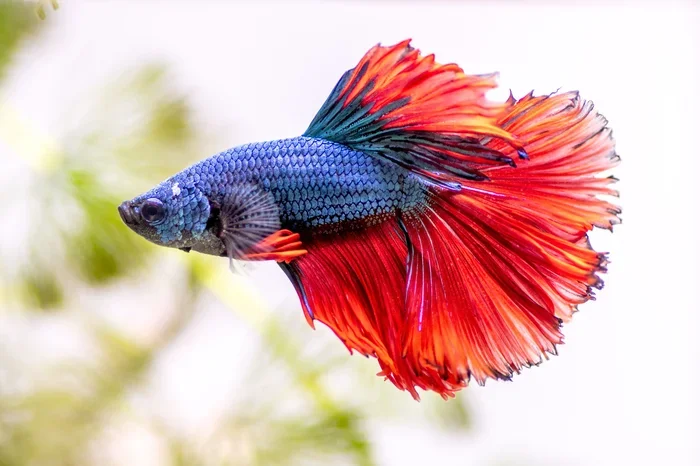
Want to know how to make your betta fish brighter? The secret lies in a combination of proper nutrition, clean water, the right lighting, and a stress-free environment. This guide covers everything you need to bring back your betta’s vivid colors and keep them glowing every single day.
Have you ever noticed that your betta fish looks a little faded? Maybe the bright reds have turned pale or the blues seem dull. This is a common concern for fish owners, and the good news is that you can absolutely do something about it. Making your betta fish brighter is not magic. It comes down to a few key care habits that anyone can learn.
In this guide, we will walk you through everything you need to know. From the food you feed to the water you change, every detail matters. By the end, you will have a clear plan to bring back that stunning glow. Let us dive in and help your fish look its absolute best.
Key Takeaways
- Diet plays a huge role: Feeding high-quality foods with natural color enhancers can dramatically improve your betta’s vibrancy.
- Clean water is non-negotiable: Poor water quality dulls colors fast, so regular maintenance is essential for healthy betta fish.
- Lighting matters more than you think: The right tank lighting brings out the best in your betta’s natural pigments.
- Stress kills color: A calm, well-setup environment keeps your fish bright and active.
- Small changes add up: Even minor tweaks to care routines can make a big difference in how vibrant your betta looks.
📑 Table of Contents
- Why Brightness Matters for Your Betta Fish
- The Role of Diet in Enhancing Betta Fish Colors
- Water Quality and Its Impact on Fish Vibrancy
- Tank Setup and Lighting for a Brighter Betta
- Common Mistakes That Fade Your Betta’s Colors
- How to Tell If Your Betta Fish Is Thriving
- Quick Tips for a Brighter Betta Fish
- Final Thoughts
Why Brightness Matters for Your Betta Fish
When people think about betta fish care, they often focus on health and longevity. But color is just as important. A bright betta is usually a happy betta. Dull colors can be a sign that something is off in the tank. Fish that look faded may be stressed, sick, or simply not getting what they need to thrive.
Bright colors also mean your fish is feeling comfortable in its environment. Wild bettas use their vivid hues to communicate and attract mates. In captivity, those colors tell you the fish is doing well. So when you learn how to make your betta fish brighter, you are really learning how to improve its overall quality of life.
What Makes Betta Colors Fade?
Several factors can cause your fish to lose its shine. Poor water quality is the number one culprit. When toxins build up in the tank, fish become stressed and their colors fade. Another big factor is diet. Fish that eat low-quality food simply do not have the nutrients needed for vibrant scales.
Stress from tank mates or bad lighting also plays a role. Even the age of your fish can affect color intensity. Understanding these causes helps you target the right solutions. That is exactly what this article will show you.
The Role of Diet in Enhancing Betta Fish Colors
Food is one of the most powerful tools you have for enhancing fish color. What your betta eats directly affects the pigments in its scales. A rich, varied diet can bring out reds, blues, and greens that may have been hiding. Let us look at what works best.
Best Foods for Color Intensity
Not all fish food is created equal. If you want a brighter betta, you need to choose foods that are packed with color-enhancing ingredients. Here are some top options:
- Bloodworms: These are a betta favorite and loaded with protein. They help deepen red and orange tones.
- Brine shrimp: Rich in natural pigments that boost blue and green hues.
- Pellets with spirulina: Spirulina is a natural algae that acts as a powerful color enhancer.
- Daphnia: A small crustacean that improves digestion and adds richness to colors.
You can also try making your own fish food at home. It is easier than you think, and you control exactly what goes into it. Check out this guide on how to make betta fish food at home for simple recipes your fish will love.
How Often Should You Feed for Best Results?
Feeding the right food is only half the battle. How often you feed matters too. Overfeeding can lead to health problems, while underfeeding leaves your fish without the nutrients it needs. A good routine is two small feedings per day. Give your betta only what it can eat in two to three minutes. This keeps the metabolism steady and the colors vivid.
Water Quality and Its Impact on Fish Vibrancy
If diet is the fuel, then water quality is the engine. Healthy betta fish need clean, stable water to display their best colors. Dirty water doesn’t just dull the scales. It can actually make your fish sick, which shows up as faded colors and lethargy.
Key Water Parameters to Monitor
Keeping the right water conditions is essential. Here are the numbers you should aim for:
- Temperature: 76 to 82 degrees Fahrenheit. Warm water keeps your betta active and colorful.
- pH Level: Between 6.5 and 7.5. Stable pH prevents stress.
- Ammonia and Nitrite: Both should be at zero. Even small amounts can harm your fish.
- Nitrate: Keep below 20 parts per million.
Regular water changes are the simplest way to maintain these parameters. A weekly 25 percent water change works wonders. If you are unsure how to do this properly, check out our guide on how to change your betta fish water for a step-by-step walkthrough.
The Role of Water Conditioners
Tap water contains chlorine and chloramine that are harmful to fish. Using a water conditioner for betta fish neutralizes these chemicals before they ever reach your tank. This simple step protects your fish and keeps colors vibrant. Always treat new water before adding it to the aquarium.
Tank Setup and Lighting for a Brighter Betta
The environment your fish lives in has a direct impact on how it looks. A well-designed tank with the right lighting can make your betta’s colors pop. On the other hand, a dull setup with poor lighting can wash everything out.
Choosing the Right Lighting
LED lights are the best choice for showing off betta colors. They are energy-efficient and come in different spectrums. Warm white lights bring out reds and oranges. Cool white lights enhance blues and greens. You can also find full-spectrum lights that make all colors look their best.
Here are some quick tips for tank lighting:
- Keep lights on for 8 to 10 hours per day. More than that can cause algae growth.
- Avoid direct sunlight. It heats the water unevenly and promotes algae.
- Use a timer to keep the light schedule consistent.
- Dim the lights slightly if your fish seems stressed.
Decor and Substrate That Complements Color
What you put in the tank also affects how your betta looks. Dark substrates and natural decorations make bright colors stand out more. Light-colored gravel can wash out your fish. Consider adding plants, driftwood, and caves to create a natural feel.
If you want ideas for setting up a beautiful tank, take a look at our article on how to decorate your betta fish tank. A well-decorated tank reduces stress and makes your fish feel safe, which directly contributes to brighter colors.
Common Mistakes That Fade Your Betta’s Colors
Sometimes the things we do as fish owners accidentally harm our fish’s appearance. Knowing what to avoid is just as important as knowing what to do. Here are the most common mistakes that cause color fading.
Overcrowding the Tank
Betta fish need space. A tank that is too small or too crowded causes stress. Stressed fish lose their color. The minimum tank size for a single betta should be five gallons. If you keep multiple fish, you need even more room and a proper divider.
Ignoring Water Changes
Skipping water changes is one of the fastest ways to dull your fish’s colors. Waste builds up, ammonia spikes, and the environment becomes toxic. Even if your fish seems fine, the lack of maintenance is slowly affecting its appearance and health.
Feeding the Wrong Diet
Flakes alone are not enough. They lack the nutrients and pigments needed for vibrant colors. A diet that only includes basic flakes will slowly cause fading over time. Variety is key. Rotate between pellets, frozen foods, and live foods for the best results.
Using Harsh Chemicals
Never use soap or household cleaners to clean your tank. Residue is toxic to fish and can strip away their natural colors. Always use aquarium-safe products and rinse decorations with plain water.
How to Tell If Your Betta Fish Is Thriving
Once you start making changes, you will want to know if they are working. Recognizing the signs of a thriving betta helps you stay on track. A fish that is bright, active, and curious is a fish that is happy.
Look for these positive signs:
- Vivid, saturated colors across the body and fins
- Active swimming and exploration
- Healthy appetite and eagerness to eat
- Smooth, intact fins without tearing or discoloration
- Relaxed fins that are not clamped against the body
If your fish shows these signs, you are on the right track. If not, revisit the areas we covered above. Sometimes it takes a few weeks for colors to fully return. Patience and consistency are your best friends in this journey.
For more tips on keeping your fish happy and healthy, check out our guide on how to make your betta fish healthy again. It covers recovery strategies that work hand in hand with the brightness tips in this article.
Quick Tips for a Brighter Betta Fish
Want a fast summary of what to do? Here are the top quick tips to remember:
- Feed a varied diet rich in color-enhancing foods like bloodworms and spirulina pellets.
- Perform weekly water changes of 25 percent to keep the tank clean.
- Use a quality water conditioner to remove harmful chemicals.
- Install LED lights with the right spectrum for your fish’s color type.
- Keep the tank at least five gallons with a stable temperature.
- Avoid stress by providing hiding spots and enough space.
- Be patient. Color improvements take time and consistent care.
Final Thoughts
Learning how to make your betta fish brighter is one of the most rewarding parts of fish keeping. When you see those vivid colors return, it is a sign that everything in the tank is working. Your fish is healthy, happy, and comfortable.
The steps are simple but powerful. Feed the right food, keep the water clean, set up proper lighting, and avoid common mistakes. You do not need expensive equipment or complicated routines. Just a little knowledge and consistent effort go a long way.
Start with one or two changes today. Build from there as you get more comfortable with your care routine. Your betta will thank you with a stunning display of color. And honestly, there is nothing quite like watching a bright, healthy betta swim gracefully through a beautifully set up tank. It is the kind of reward that makes all the effort worth it.
Remember, every fish is different. Some may respond quickly to changes, while others take a bit longer. The key is to stay consistent and enjoy the process. You are not just making your fish brighter. You are creating a better life for a creature that depends on you. That is what betta fish care is all about.
Frequently Asked Questions
Can I use color-enhancing supplements for my betta fish?
Yes, there are commercial color-enhancing supplements available that can help boost your betta’s vibrancy. Look for products that contain natural ingredients like spirulina and carotenoids. Always follow the dosage instructions carefully and avoid overuse.
How long does it take for a betta fish’s colors to return?
It typically takes two to six weeks to see noticeable improvement in color. The exact timeline depends on the cause of the fading and how quickly you address it. Consistent care and patience are the most important factors.
Does tank size really affect betta fish color?
Yes, tank size does matter. A cramped tank causes stress, which directly leads to faded colors. A five-gallon tank or larger gives your betta room to swim and feel secure, which promotes vibrant coloring over time.
Is it normal for betta fish colors to change with age?
Yes, it is completely normal. As bettas age, their colors may shift or become slightly less intense. This is a natural process. However, sudden or dramatic color loss usually signals an underlying issue that needs attention.
Can stress cause my betta fish to lose its brightness?
Absolutely. Stress is one of the biggest reasons betta fish lose their vibrant colors. Common stressors include poor water quality, aggressive tank mates, and lack of hiding spots. Reducing stress through proper care will help bring the brightness back.
What is the best lighting setup for showing off betta colors?
Full-spectrum LED lights work best for displaying betta colors. They bring out reds, blues, and greens naturally without being too harsh. Keep the lights on for eight to ten hours a day and use a timer for consistency.
=== CONCLUSION ===
Making your betta fish brighter comes down to a few simple but effective habits. Feed a nutritious diet, maintain clean water, set up the right lighting, and keep stress levels low. These steps are easy to follow and they produce real results. Start implementing these tips today and watch your betta transform into the vibrant, stunning fish it was meant to be.