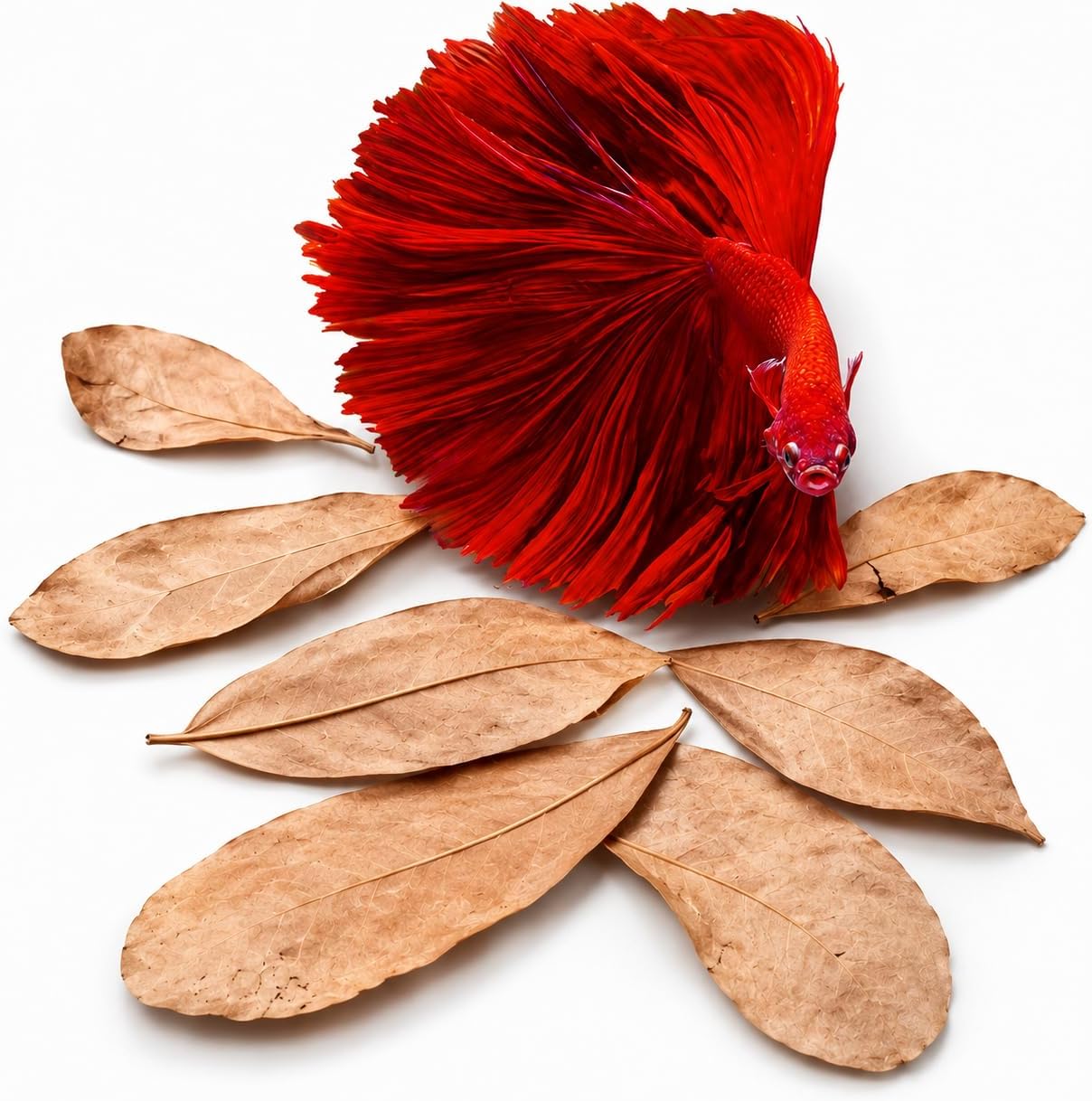
A betta fish named Blue isn’t just a pretty splash of color – he’s a personality-packed companion that thrives with proper care. From choosing the right tank to feeding tips, this guide walks you through everything you need to keep Blue vibrant and joyful.
Key Takeaways
- Tank size matters: A minimum 5‑gallon tank gives Blue room to explore and stay healthy.
- Water temperature is crucial: Keep the water between 76‑82°F for optimal metabolism.
- Feeding routine: Small, frequent meals of high‑quality betta pellets prevent over‑eating.
- Social behavior: Blue’s temperament can vary; watch for signs of stress when introducing tank mates.
- Regular maintenance: Weekly water changes and filter checks keep the environment pristine.
- Health monitoring: Spot early signs of disease by checking fins, color, and swim pattern.
- Enrichment: Live plants, caves, and gentle currents stimulate Blue’s natural instincts.
📑 Table of Contents
Introduction: Meet Blue, the Star Betta
Imagine a tiny fish flashing neon cobalt across a glass world. That’s Blue, a betta fish whose name matches his vivid hue. While many think of bettas as solitary, aggressive fighters, Blue shows us a different side—a curious, sometimes playful personality that thrives when we understand his needs.
In this article we’ll follow Blue’s journey from a nursery tank to a fully decked‑out home aquarium. You’ll learn the science behind his care, practical set‑up steps, feeding tricks, and how to read his body language. By the end, you’ll feel confident giving Blue (or any betta) a long, healthy life.
1. Understanding Blue’s Natural History
1.1 Where Betta Fish Come From
Betta fish, also called Siamese fighting fish, hail from the shallow rice paddies and slow‑moving streams of Thailand. They evolved to survive low‑oxygen water, which is why they can gulp air from the surface using a labyrinth organ.
Visual guide about A Betta Fish Named Blue
Image source: bettafish.org
1.2 Why Blue’s Color Is Special
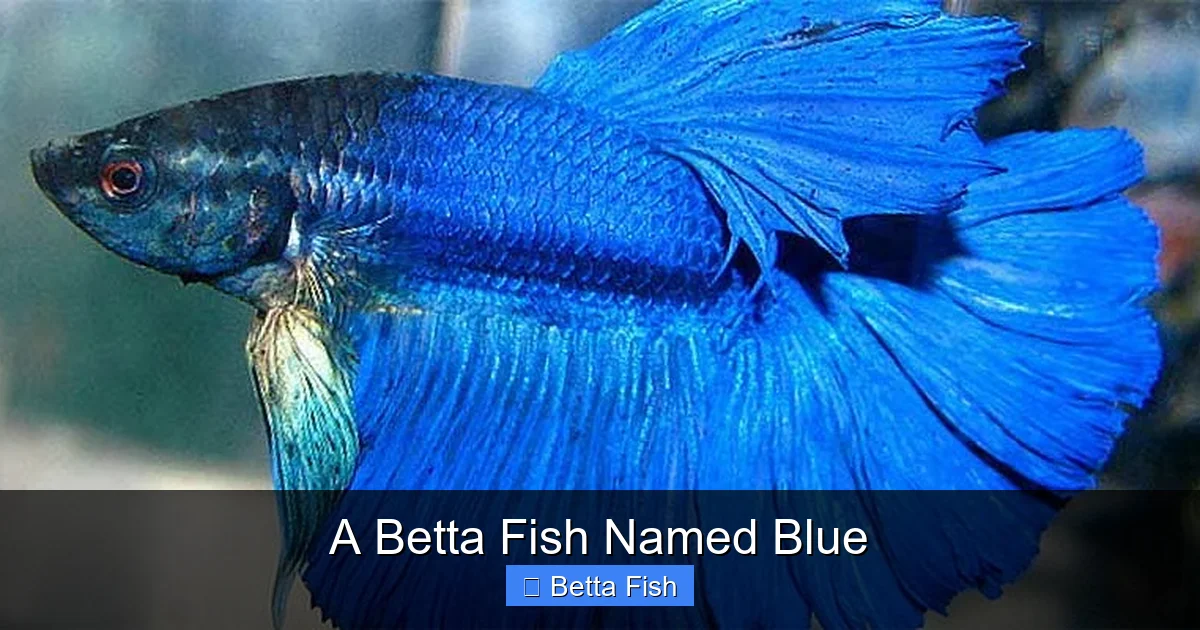
Blue’s striking shade is a result of selective breeding. Wild‑type bettas usually display green or brown tones, but hobbyists have amplified colors over decades. The bright blue pigment, called iridophores, reflects light, giving that metallic shimmer.
2. Setting Up the Perfect Home for Blue
2.1 Choosing the Right Tank Size
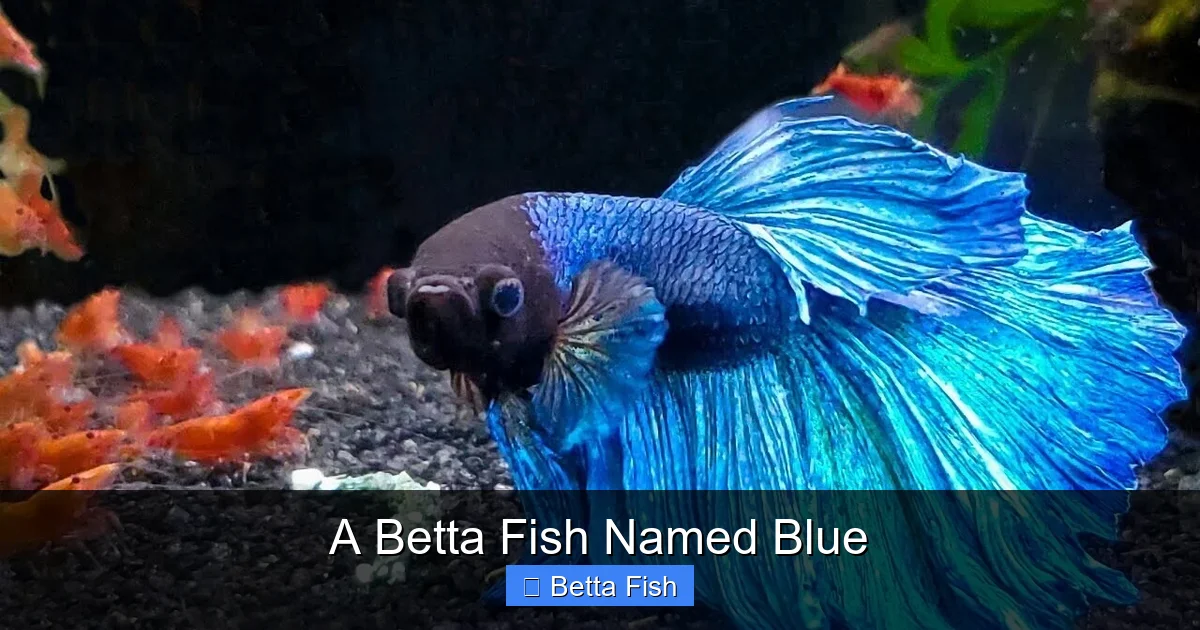
The myth that bettas can live in tiny bowls is outdated. For Blue to swim, explore, and build a bubble nest, a minimum 5‑gallon (≈19 L) tank is recommended. This also helps maintain stable water parameters.
Visual guide about A Betta Fish Named Blue
Image source: d2j6dbq0eux0bg.cloudfront.net
Read more about tank dimensions in our guide on what size tank for a betta fish.
2.2 Water Temperature and Quality
Blue thrives in tropical water between 76°F and 82°F (24‑28°C). Use an adjustable heater and a reliable thermometer. Consistent temperature reduces stress and supports a strong immune system.
For a deeper dive on temperature, see what temperature should water be for a betta fish.
2.3 Filtration, Lighting, and Décor
A gentle filter (flow rate < 4 gph) prevents strong currents that can tire Blue. Soft LED lighting mimics sunrise‑sunset cycles, encouraging natural behavior. Add live plants like Java fern or Anubias, plus a few smooth rocks or a ceramic cave for hiding spots.
Our step‑by‑step article how to set up a tank for a betta fish walks you through each piece of equipment.
3. Feeding Blue: Nutrition Made Simple
3.1 What to Feed
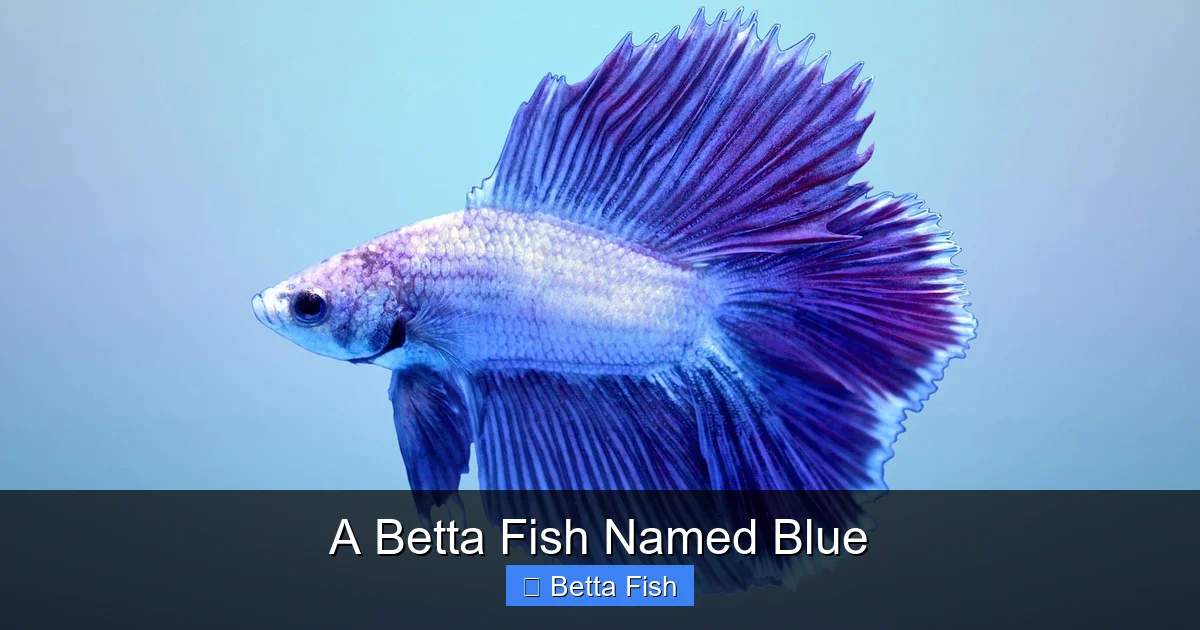
High‑quality betta pellets should form the staple of Blue’s diet. Supplement with occasional frozen or live foods—brine shrimp, daphnia, or bloodworms—to provide variety and stimulate hunting instincts.
Visual guide about A Betta Fish Named Blue
Image source: wallpapers.com
3.2 How Much and How Often
Feed 2‑3 small pellets 2‑3 times per day. The rule of thumb: only what Blue can eat in 2 minutes. Overfeeding leads to cloudy water and fatty liver disease.
For detailed feeding schedules, check how often should u feed a betta fish.
3.3 Signs of a Happy Eater
Watch for active swimming after meals, a bright coloration, and clean, non‑bloated abdomen. If Blue refuses food for several days, it could signal stress or illness.
4. Daily Care and Maintenance
4.1 Water Changes
Perform a 25‑30% water change once a week. Use a water conditioner to neutralize chlorine and chloramine. Match the new water’s temperature and pH to the tank’s existing parameters.
4.2 Monitoring Water Parameters
Keep the pH between 6.5‑7.5, ammonia at 0 ppm, nitrite at 0 ppm, and nitrate below 20 ppm. Test kits are inexpensive and worth the peace of mind.
4.3 Cleaning the Tank
Gently scrub algae from glass with a soft pad. Rinse filter media in tank water (not tap) to preserve beneficial bacteria.
5. Understanding Blue’s Behavior
5.1 The Bubble Nest
Male bettas, including Blue, build bubble nests on the water’s surface when they feel secure and ready to breed. A healthy nest looks like a fluffy, white cluster. If you see one, it’s a sign Blue is comfortable.
5.2 Aggression and Territory
Blue may flare his fins and gills when he perceives a threat. This is normal, especially if you introduce new décor or a tank mate. Avoid placing mirrors directly opposite the tank, as they can trigger endless fighting with his own reflection.
5.3 Social Compatibility
While many bettas are solitary, some can coexist with peaceful community fish like small rasboras or neon tetras, provided the tank is spacious and has plenty of hiding spots.
Read more about compatible species in what fish is compatible with a betta fish.
6. Health Checklist: Keeping Blue Strong
6.1 Common Illnesses
Look for white spots (Ich), frayed fins, or loss of color. Early detection is key—quarantine new fish and adjust water parameters promptly.
6.2 When to Seek Help
If Blue stops eating, floats upside‑down, or shows labored breathing, it may be a sign of swim bladder disease or infection. Consult a vet familiar with fish or an experienced aquarist.
6.3 Longevity Tips
With proper care, Blue can live 3‑5 years, sometimes longer. Consistency in temperature, water quality, and diet are the biggest factors.
Conclusion: A Bright Future for Blue
Blue’s story shows that a betta fish named Blue can be more than a decorative splash; he can be a lively, engaging pet that rewards attentive care. By providing a suitable tank, stable temperature, balanced diet, and regular maintenance, you set the stage for a vibrant, healthy life. Whether you’re a first‑time betta owner or a seasoned hobbyist, the tips above will help you watch Blue’s cobalt fins dance for years to come.
Frequently Asked Questions
What size tank does a betta fish need?
A minimum of 5 gallons is recommended to give a betta enough space to swim and maintain stable water conditions.
How often should I feed a betta fish?
Feed small portions 2‑3 times a day, only what the fish can eat in about two minutes.
Can a betta fish live with other fish?
Yes, if the tank is large enough and the tank mates are peaceful, such as small rasboras or neon tetras.
Why does my betta make a bubble nest?
Bubble nests indicate the male feels secure and may be ready to breed; they are a sign of good health.
What temperature should the water be for a betta fish?
Keep the water between 76°F and 82°F (24‑28°C) for optimal metabolism and immune function.
How can I tell if my betta fish is sick?
Watch for signs like loss of color, frayed fins, lethargy, or abnormal swimming patterns; early detection is crucial.