Is It Ok to Use a Pump for Betta Fish

Using a pump for a betta fish tank can be safe and beneficial, but the type and strength of the pump matter a lot. Bettas prefer gentle water movement, so choosing the right aquarium pump is essential for their health. This guide covers everything you need to know about pumps for betta fish, from flow rates to the best pump types.
Is it ok to use a pump for betta fish? That is a question many new betta owners ask. The short answer is yes, but with some important caveats. Not all pumps are safe for bettas, and the wrong one can cause real problems. In this guide, we will walk through everything you need to know about using a pump in a betta fish tank. You will learn what flow rate is safe, which pump types work best, and how to tell if your betta is comfortable.
Betta fish are tropical freshwater fish that come from slow-moving waters in Southeast Asia. They are not used to strong currents. In the wild, they live in rice paddies, slow rivers, and shallow ponds. So when you add a pump to their tank, you need to think about how it mimics their natural habitat. A gentle water flow keeps the water clean and oxygenated without stressing your fish. The wrong pump, on the other hand, can push your betta around the tank and make it impossible to rest comfortably.
Using a pump in a betta tank is not just about whether it works. It is about choosing the right equipment and setting it up properly. This article covers pump types, flow rates, signs of stress, and practical tips to help you make the best decision for your fish. Whether you are setting up a new tank or wondering if your current pump is too strong, you will find the answers here.
Key Takeaways
- Bettas need gentle water flow: Strong pumps can stress betta fish and make it hard for them to swim.
- Sponge filters are the best choice: They provide biological filtration with minimal water movement.
- Adjustable pumps offer the most control: You can dial back the flow to keep your betta comfortable.
- Tank size matters: Smaller tanks need weaker pumps to avoid overwhelming your fish.
- Watch for signs of stress: If your betta struggles against the current, the pump is too strong.
- Filters and pumps serve different purposes: A filter cleans the water; a pump just moves it.
- Regular maintenance keeps pumps working: Clean your pump regularly to prevent buildup and maintain water quality.
📑 Table of Contents
Why Water Movement Matters for Betta Fish
Water movement plays a big role in your betta’s overall health. It affects oxygen levels, waste distribution, and how comfortable your fish feels. But bettas are not like some other fish that love strong currents. Understanding why water movement matters helps you choose the right equipment.
Oxygen and Water Quality
Water movement helps oxygen dissolve into the tank. Oxygen is essential for your betta to breathe. Without enough dissolved oxygen, your fish can become sluggish and unhealthy. A pump helps circulate the water, which also prevents waste from building up in one spot. This keeps the aquatic environment cleaner and more stable.
However, bettas do not need a lot of oxygen from strong currents. They have a special organ called the labyrinth organ, which allows them to breathe air from the surface. This means they can survive in low-oxygen water better than many other fish. So the pump does not need to create a lot of surface agitation. A gentle flow is enough to maintain good water quality.
The Natural Habitat of Betta Fish
In their natural environment, bettas live in calm, slow-moving waters. They are not built to swim against strong currents for long periods. A pump that creates a powerful water current can exhaust your betta quickly. Over time, this stress weakens their immune system and makes them more prone to illness.
Think of it this way. Imagine someone pushing you in a strong river all day. You would get tired, stressed, and eventually sick. That is what a too-powerful pump does to your betta. The goal is to create a gentle flow that keeps the water moving without overwhelming your fish.
Types of Pumps for Betta Fish Tanks
Not all pumps are the same. Some create strong currents, while others are designed for gentle flow. Choosing the right type makes a huge difference for your betta’s comfort and health.
Sponge Filters
Sponge filters are the most popular choice for betta tanks. They provide both mechanical and biological filtration without creating a strong current. Air is pumped through the sponge, which creates a gentle bubbling effect. The sponge traps debris and houses beneficial bacteria that break down waste.
Sponge filters are ideal for bettas because the flow is adjustable. You can use a smaller air pump to keep the current low. They are also affordable and easy to clean. Many betta keepers consider sponge filters the gold standard for betta fish care.
Hang-On-Back (HOB) Filters
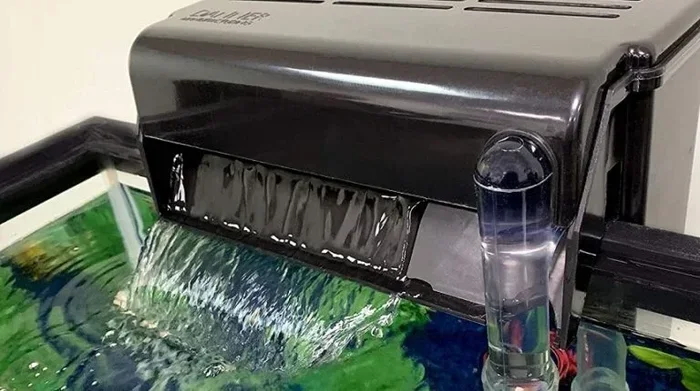
Hang-on-back filters hang on the edge of the tank and draw water through a filter cartridge. They are powerful and effective at keeping water clean. However, the outflow can create a strong current that is not ideal for bettas.
If you want to use an HOB filter, look for one with an adjustable flow rate. You can also baffle the outflow using a sponge or valve to reduce the current. For smaller tanks, this type of filter can work well if you take steps to soften the flow.
Internal Power Filters
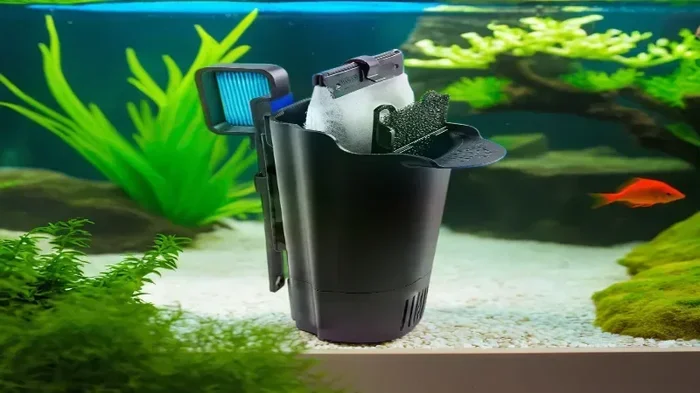
Internal power filters sit inside the tank and draw water through a filter media. They are compact and easy to install. Some models come with adjustable flow settings, which is great for betta tanks. These filters work well in tanks between 5 and 10 gallons, which is a common betta fish tank size.
The main downside is that they take up some swimming space inside the tank. But for a single betta in a small tank, they are a practical option. Just make sure the flow is set to low or medium.
Air Pumps
An air pump pushes air into the tank through an airstone. This creates bubbles and gentle water movement. Air pumps do not filter the water, but they do increase oxygen exchange at the surface. For bettas, a small air pump with an airstone can be a nice addition without creating too much current.
Some bettas enjoy the gentle bubbling, while others may find it annoying. Watch your fish’s behavior to see how it responds. If your betta seems stressed, try turning off the air pump for a few hours to see if it relaxes.
How to Choose the Right Pump for Your Betta
Choosing the right pump depends on several factors. Tank size, filter type, and your betta’s personality all play a role. Here is what you need to consider.
Flow Rate and Tank Size
The flow rate measures how much water the pump moves per hour. For betta tanks, you want a low flow rate. A good rule of thumb is to choose a pump that turns over the tank volume 3 to 4 times per hour. So for a 5-gallon tank, a pump that moves 15 to 20 gallons per hour is perfect.
Too much flow can be harmful. A pump that is rated for a 20-gallon tank will be way too strong for a 5-gallon betta habitat. Always check the flow rate before buying a pump. If the pump does not have an adjustable setting, you may need to baffle the output to reduce the current.
Adjustable vs. Non-Adjustable Pumps
Adjustable pumps give you the most control. You can turn the flow up or down based on your betta’s comfort level. This is the best option for most betta owners. Non-adjustable pumps are cheaper, but they offer less flexibility. If you go with a non-adjustable pump, make sure the flow is naturally gentle.
Some keepers use a valve or sponge on the outflow to reduce flow with non-adjustable pumps. This is a simple and effective trick. It works well for air pumps and internal filters alike.
Noise Level
Noise might seem like a minor concern, but it matters for your home environment. Some pumps buzz or hum loudly, which can be annoying. Look for pumps that are labeled as “quiet” or “whisper” models. Sponge filters tend to be the quietest option, making them a great choice for bedrooms and apartments.
A noisy pump can also indicate poor build quality. Cheap pumps often vibrate and rattle over time. Investing in a slightly better model saves you from the frustration of dealing with a loud, unreliable pump.
Signs Your Pump Is Too Strong for Your Betta
Knowing the warning signs of a too-strong pump is important. Bettas cannot tell you when something is wrong, so you need to watch their behavior closely.
Behavioral Signs
Watch for these common signs that your pump flow is too high:
- Struggling to swim: Your betta stays pressed against the glass or decor because the current pushes it around.
- Hiding or staying in one spot: Bettas that feel stressed by the flow will seek calm areas away from the pump output.
- Not eating: A stressed betta may refuse food or eat very little.
- Clamped fins: Fins held close to the body signal discomfort and stress.
- Heavy breathing at the surface: If the current pushes your betta away from the surface, it may struggle to breathe.
Physical Signs
Over time, a too-strong pump can lead to physical health problems. Your betta may become thin or lethargic. Fins may start to deteriorate. In severe cases, chronic stress leads to diseases like fin rot or ich. If you notice any of these signs, check your pump flow immediately.
The good news is that most of these problems are reversible. Simply reducing the flow or switching to a gentler pump can make a big difference. Your betta will recover once the stressor is removed.
Tips for Using a Pump Safely in a Betta Tank
Setting up a pump in a betta tank does not have to be complicated. Follow these tips to keep your fish safe and comfortable.
Use a Baffle
A baffle is a simple device that reduces water flow. You can use a sponge, foam, or even a piece of plastic to slow down the outflow. Baffles are especially useful with HOB filters and internal power filters. They soften the current without reducing the filtration power.
Position the Pump Carefully
Where you place the pump matters. Point the outflow toward the back of the tank or toward the glass. This spreads the current across a wider area and reduces the direct force. Avoid pointing the pump directly at your betta’s favorite resting spot.
Clean the Pump Regularly
Pumps can collect debris and algae over time. A clogged pump works harder and creates uneven flow. Clean your pump every 2 to 4 weeks to keep it running smoothly. For sponge filters, simply rinse the sponge in tank water during water changes. Never use soap or tap water directly, as this can kill beneficial bacteria.
If you are unsure about cleaning your equipment, check out our guide on how to clean a betta fish tank for beginners for step-by-step instructions.
Monitor Water Parameters
A pump helps maintain water quality, but it does not replace regular testing. Use a liquid test kit to check ammonia, nitrite, and nitrate levels weekly. A well-functioning pump should help keep these parameters stable. If you notice spikes, it may be time to clean the pump or adjust the flow.
Also, make sure your tank is properly cycled before adding a pump. A cycled tank has the beneficial bacteria needed to break down waste. You can learn more about the cycling process in our article on how to cycle a fish tank for betta.
Consider Your Betta’s Personality
Every betta is different. Some bettas are calm and do fine with a bit more flow. Others are sensitive and prefer almost still water. Observe your individual fish and adjust accordingly. There is no one-size-fits-all answer when it comes to pumps and bettas.
Common Mistakes to Avoid
Many betta owners make avoidable mistakes when setting up their pump. Here are the most common ones to watch out for.
- Using a pump meant for larger tanks: A pump rated for a 20-gallon tank will overwhelm a 5-gallon betta tank.
- Ignoring flow adjustments: Even if your pump is adjustable, many owners never change the default setting.
- Skipping the baffle: Without a baffle, the direct outflow can create a strong current that stresses your betta.
- Placing the pump near the heater: This can create uneven temperature zones in the tank. Check out our guide on what is the best temperature for a betta fish tank to learn more about maintaining stable temperatures.
- Forgetting to clean the pump: A dirty pump loses efficiency and can release debris back into the tank.
Avoiding these mistakes goes a long way in keeping your betta healthy and happy. Simple adjustments can make a huge difference in your fish’s quality of life.
Expert Insights on Pumps and Betta Fish
Experienced betta keepers agree on a few key points when it comes to pumps. First, less is more. A gentle flow is almost always better than a strong one. Second, sponge filters are the safest and most reliable option for most betta setups. Third, always watch your fish for signs of discomfort and adjust accordingly.
If you are unsure whether your current setup is right for your betta, consider upgrading to a sponge filter and air pump combo. This setup provides excellent filtration with minimal current. It is also one of the most budget-friendly options available.
Remember, the goal of any pump is to support a healthy fish tank environment. It should not be a source of stress for your fish. When in doubt, choose the gentler option. Your betta will thank you with vibrant colors and active behavior.
Final Thoughts
So, is it ok to use a pump for betta fish? Yes, it is perfectly fine as long as you choose the right type and set it up correctly. A sponge filter with a gentle air pump is the safest option for most betta tanks. If you use a hang-on-back or internal filter, make sure the flow is adjustable and set to low.
Pay attention to your betta’s behavior. It will tell you whether the pump is too strong or just right. With the right setup, a pump helps maintain clean, oxygenated water that supports your betta’s health and longevity. Take your time choosing the right equipment, and your betta will thrive in its aquarium environment.
For more tips on keeping your betta happy and healthy, explore our other articles on how to care for a betta fish and is a 5 gallon tank good for a betta fish. These resources cover essential topics that complement what you have learned here about pumps and water flow.
Frequently Asked Questions
Can a betta fish live with a strong pump?
A betta fish can live with a strong pump, but it is not ideal. Strong pumps create powerful currents that can stress your betta and make it difficult to swim or rest. If you must use a strong pump, use a baffle to reduce the flow and watch your fish closely for signs of stress.
What type of pump is best for a betta fish tank?
A sponge filter with an air pump is the best option for most betta tanks. It provides gentle filtration and aeration without creating a strong current. Sponge filters are affordable, quiet, and easy to maintain, making them the top choice for betta owners.
How do I know if my pump flow is too high for my betta?
Watch your betta’s behavior. If it struggles to swim, hides constantly, has clamped fins, or refuses to eat, the pump flow may be too high. Try reducing the flow or adding a baffle and see if your betta’s behavior improves within a day or two.
Do betta fish need a pump at all?
Bettas do not absolutely need a pump if you do regular water changes and keep the tank clean. However, a gentle pump helps maintain water quality and oxygen levels. A sponge filter is a low-cost way to add gentle water movement that benefits your betta’s overall health.
Can I use the same pump for a betta tank and a community tank?
You can, but the flow rate requirements differ. Community tanks with active fish often need stronger flow than betta tanks. If you use the same pump for both, make sure you can adjust the flow down for the betta tank. A pump with adjustable settings is the most versatile option.
How often should I clean my aquarium pump?
Clean your pump every 2 to 4 weeks. For sponge filters, rinse the sponge in removed tank water during water changes. For other pump types, disassemble and rinse the parts in tank water. Never use soap or tap water, as chlorine and detergents can harm your fish.