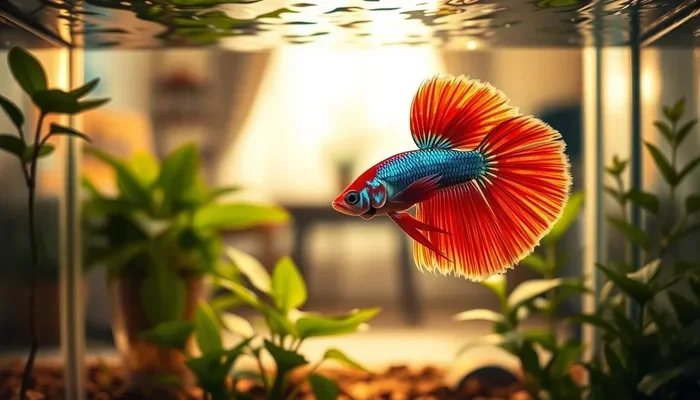
How to Make Tea for Betta Fish
Making tea for betta fish is a simple and natural way to boost their health and create a better home in your aquarium. This guide covers everything you need to know, from choosing the right tea to adding it to your tank the right way. You will learn how to make tea for betta fish safely, how often to use it, and the many benefits it brings to your fish.
If you have been keeping betta fish for any amount of time, you have probably heard about using tea in the aquarium. It might sound a little strange at first. But making tea for betta fish is actually a well-known practice among fish keepers around the world. The idea is simple. Certain natural teas release tannins into the water. These tannins mimic the soft, slightly acidic water conditions that bettas live in naturally. Many experienced aquarists swear by this method. It is affordable, easy to do, and offers real benefits for your fish.
Whether you are a complete beginner or a seasoned hobbyist, learning how to make tea for betta fish can take your care routine to the next level. This guide walks you through everything step by step. You will learn what kind of tea works best, how to prepare it, and how often to use it. By the end, you will feel confident adding this natural remedy to your betta fish care routine.
Before we dive in, it is worth noting that tea should never replace proper water changes and tank maintenance. Think of it as a supplement. Used the right way, it supports a healthy environment for your fish. Now let us get into the details.
Key Takeaways
- Natural Health Boost: Tea for betta fish provides natural tannins that support their immune system and overall wellness.
- Easy to Make: You only need a few simple ingredients and basic steps to prepare tea for your aquarium.
- Improves Water Quality: Using tea helps lower pH levels and creates a more natural fish tank environment for your betta.
- Multiple Tea Options: Indian almond leaves and other natural teas work great for different betta fish care needs.
- Avoid Common Mistakes: Using too much tea or the wrong type can harm your fish, so follow the guidelines carefully.
📑 Table of Contents
What Is Tea for Betta Fish?
When people talk about tea for betta fish, they are usually referring to natural botanicals that release tannins into the water. Tannins are organic compounds found in plants and leaves. When they dissolve in water, they create a tea-like color. This is the same thing that happens when you steep a tea bag in hot water.
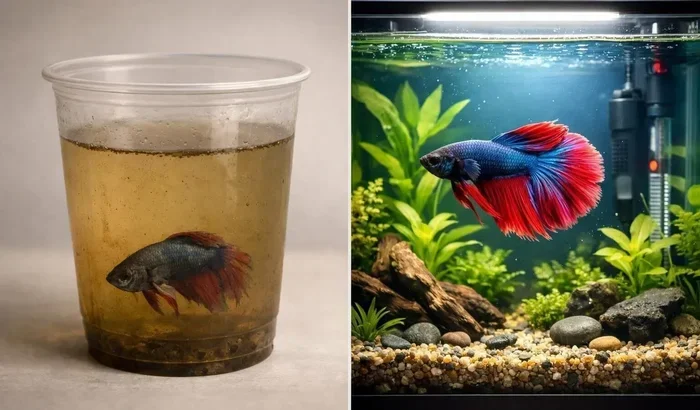
In the wild, betta fish live in warm, slow-moving waters in Southeast Asia. These waters often have a golden or brownish tint from fallen leaves and natural plant matter. The tannins in the water help keep conditions soft and slightly acidic. Many betta fish breeders and hobbyists try to recreate this environment at home. That is where tea comes in.
Using tea for your aquarium is not about making your fish drink tea. It is about adding natural compounds to the water that support fish health. The tannins act as a mild natural conditioner. They can help with water parameters and create a calming atmosphere for your betta. Some aquarists also use tea as part of their betta fish water treatment routine.
Why Use Tea for Your Betta Fish?
There are several good reasons to add tea to your betta fish tank. Let us look at the main benefits that make this practice so popular.
Natural Tannins and Their Benefits
Tannins are the star of the show when it comes to tea for betta fish. These natural compounds have mild antifungal and antibacterial properties. This means they can help protect your fish from minor infections. They also help lower the pH of the water slightly. Bettas naturally thrive in slightly acidic to neutral water. Tannins help you achieve that range without harsh chemicals.
Beyond water chemistry, tannins also create a calming effect. Many betta fish keepers notice their fish seem more relaxed in water with a light tannin tint. The natural coloring also makes the colors of your betta fish pop. It is a win-win for both health and appearance.
How Tea Improves Water Quality
Good water quality is the foundation of proper betta fish care. Tea can play a supporting role in maintaining clean, healthy water. The tannins bind to certain impurities in the water. This can help reduce odors and keep the aquarium environment fresher. Some aquarists also use tea as part of a natural aquarium supplement routine.
If you have ever struggled with keeping your water parameters stable, tea might be a helpful addition. It works gently and naturally. Just remember that tea is not a replacement for regular water changes. It works best alongside a solid maintenance routine. If you need help with your water change schedule, check out this guide on how to properly care for betta fish for a complete routine.
What Kind of Tea Can You Use?
Not all teas are created equal when it comes to betta fish. Some are safe and beneficial. Others can be harmful. Let us break down the best options.
Indian Almond Leaves (The Most Popular Choice)
Indian almond leaves, also known as Catappa leaves, are the most popular choice for making tea for betta fish. These dried leaves are widely available online and at aquarium stores. When you soak them in water, they release a rich amount of tannins. The water turns a beautiful amber or brown color.
Indian almond leaves are considered the gold standard in the betta fish community. They are gentle, natural, and highly effective. Many breeders use them regularly to condition water for betta fish, especially for breeding tanks. The leaves also have mild antifungal properties that can help prevent common fish diseases.
If you are new to this, start with one or two dried leaves per gallon of water. You can leave them in the tank to steep continuously or remove them after a few days. Both methods work well.
Other Tea Options for Betta Fish
While Indian almond leaves are the top choice, there are a few other natural options you can explore. Black walnut leaves work similarly and release tannins effectively. Oak leaves are another good alternative. Some hobbyists also use driftwood, which naturally releases tannins over time.
When it comes to actual tea bags, be very careful. Only use pure, organic, caffeine-free teas with no additives, flavorings, or preservatives. Chamomile tea is sometimes used in small amounts for its calming properties. However, always research any tea before adding it to your aquarium. Avoid anything with chemicals or artificial ingredients. Your fish tank environment depends on keeping things pure and natural.
How to Make Tea for Betta Fish (Step-by-Step)
Now for the part you have been waiting for. Here is a simple, step-by-step guide on how to make tea for betta fish. Follow these steps closely for the best results.
Step 1: Gather Your Materials
You do not need much to get started. Here is what you will need:
- Dried Indian almond leaves or your chosen natural tea source
- Clean, dechlorinated water (you can use a water conditioner or dechlorinate water for betta fish using a quality conditioner)
- A clean container or jar for steeping
- A separate container for the aquarium (optional but recommended)
Make sure all your containers are clean and have never been washed with soap. Soap residue is extremely harmful to fish. Always rinse containers thoroughly with plain water before use.
Step 2: Prepare the Tea
Boil some clean water and let it cool down to room temperature. You do not want to use hot water directly in your aquarium. The temperature shock can stress your fish. Once your water is cool, add your dried leaves or tea source to a clean jar.
Use about one to two leaves per cup of water for a strong tea soak. Let the leaves steep for 24 to 48 hours. The longer they steep, the more tannins are released. You will notice the water turning a deep amber color. This is exactly what you want. The color tells you the tannins are working.
If you are using actual tea bags, steep one bag in a cup of cooled boiled water for at least 12 hours. Use only pure, additive-free tea. After steeping, you can strain the liquid into a clean container and discard the leaves or leaves.
Step 3: Add the Tea to the Tank
Now it is time to add the tea to your betta fish tank. The key here is to go slow. Do not dump the entire batch in at once. Start by adding a small amount and observe your fish for a few hours.
A good rule of thumb is to add about one tablespoon of concentrated tea per gallon of tank water. You can always add more later if needed. Pour the tea slowly near the water surface to help it mix in evenly.
It is also a good idea to prepare water for a betta fish properly before adding the tea. Make sure your main tank water is clean and at the right temperature. The tea works best as a supplement to already good water conditions. If your tank water is not in good shape, focus on fixing that first.
How Often Should You Use Tea for Betta Fish?
Frequency matters a lot when using tea for your betta fish. Too much can change your water chemistry too quickly. Too little may not provide any noticeable benefits.
For most betta fish tanks, using tea once or twice a week is a good starting point. If you are using Indian almond leaves, you can leave one or two leaves in the tank permanently. They will release tannins slowly over time. This is called the “continuous method” and many hobbyists prefer it because it is low maintenance.
If you are using a concentrated tea soak, stick to smaller amounts and use it less frequently. Monitor your water parameters with a test kit. You want to see a gradual, gentle shift in pH. If you notice the water becoming too acidic too fast, reduce the amount or frequency. Every tank is different, so pay attention to how your fish respond.
The goal is to create stable, natural conditions. Consistency is more important than intensity. A little tea used regularly works much better than a large amount all at once.
Common Mistakes to Avoid When Using Tea for Betta Fish
Even though making tea for betta fish is simple, there are a few common mistakes that can cause problems. Here is what to watch out for.
Using flavored or processed teas. This is the number one mistake. Teas with sugar, artificial flavors, preservatives, or caffeine can be toxic to fish. Always stick to pure, natural, unflavored options. If you are ever unsure, it is better to skip it.
Adding too much tea too quickly. Rushing the process can shock your fish and destabilize your water parameters. Always start small and increase gradually. Your betta fish will thank you for the patience.
Ignoring water testing. Tea changes your water chemistry. Without testing, you will not know if the changes are safe. Get a basic aquarium test kit and check your pH and other parameters regularly. This is a core part of betta fish care that should never be overlooked.
Replacing water changes with tea. Tea is a supplement, not a substitute for water changes. You still need to change your water regularly. Tea cannot remove all the waste and toxins that build up in a fish tank. Keep your water change routine consistent and use tea as an added benefit.
Using dirty containers. Any container that touches your aquarium water should be perfectly clean. Bacteria and residue from unwashed containers can introduce harmful substances into your tank. Always rinse everything with plain water before use.
Final Thoughts
Making tea for betta fish is one of those simple practices that can make a real difference in your aquarium. It is natural, affordable, and backed by years of experience from fish keepers around the world. Whether you use Indian almond leaves, black walnut leaves, or a pure tea soak, the key is consistency and moderation.
Start small, observe your fish, and adjust as needed. The goal is to create a healthy, stress-free environment that mimics your betta’s natural habitat. Used correctly, tea can support your fish’s immune system, improve water quality, and bring out the vibrant colors in your betta.
Remember, every betta fish is unique. What works perfectly for one fish might need slight adjustments for another. Pay attention to your fish’s behavior and appearance. If you notice any signs of stress, adjust your approach. And if your fish ever gets sick, do not rely on tea alone. Check out this guide on how to make your betta fish healthy again for additional care tips.
With the right approach, tea can become a valuable part of your regular betta fish care routine. Give it a try and see the difference it can make. Your fish will enjoy the natural, soothing benefits of a well-managed tea routine in their aquarium.
Frequently Asked Questions
Can I use regular tea bags from the grocery store for my betta fish?
Only if the tea bags are pure, organic, caffeine-free, and contain no additives, flavorings, or preservatives. Most commercial teas have ingredients that can harm fish. Stick to Indian almond leaves or pure, natural teas to be safe.
Will tea change the color of my betta fish?
Tea will not change the color of your fish directly. However, the tannins can enhance the appearance of your betta’s colors by creating a slightly darkened water background. Many keepers notice their fish look more vibrant in tannin-rich water.
How long does it take for tea to work in a betta fish tank?
You may notice a slight change in water color within a few hours. The full health benefits, such as improved water quality and stress relief, typically become noticeable over a few days to a week of consistent use.
Can I use tea for betta fish during breeding?
Yes, many breeders use Indian almond leaves during the conditioning phase for betta fish breeding. The tannins help create soft, slightly acidic water that mimics natural breeding conditions. However, always research the specific needs of your breeding setup.
Is tea safe for betta fish fry and baby bettas?
Tea can be used for fry, but use a much weaker concentration. Baby fish are more sensitive to water changes. Start with a very small amount and monitor the water parameters closely to ensure the environment stays safe.
Can I combine tea with other betta fish water treatments?
Generally, yes. Tea works well alongside other natural treatments like Indian almond leaves or driftwood. However, if you are using medications or chemical water treatments, consult a knowledgeable aquarist or veterinarian before combining them with tea to avoid unwanted interactions.