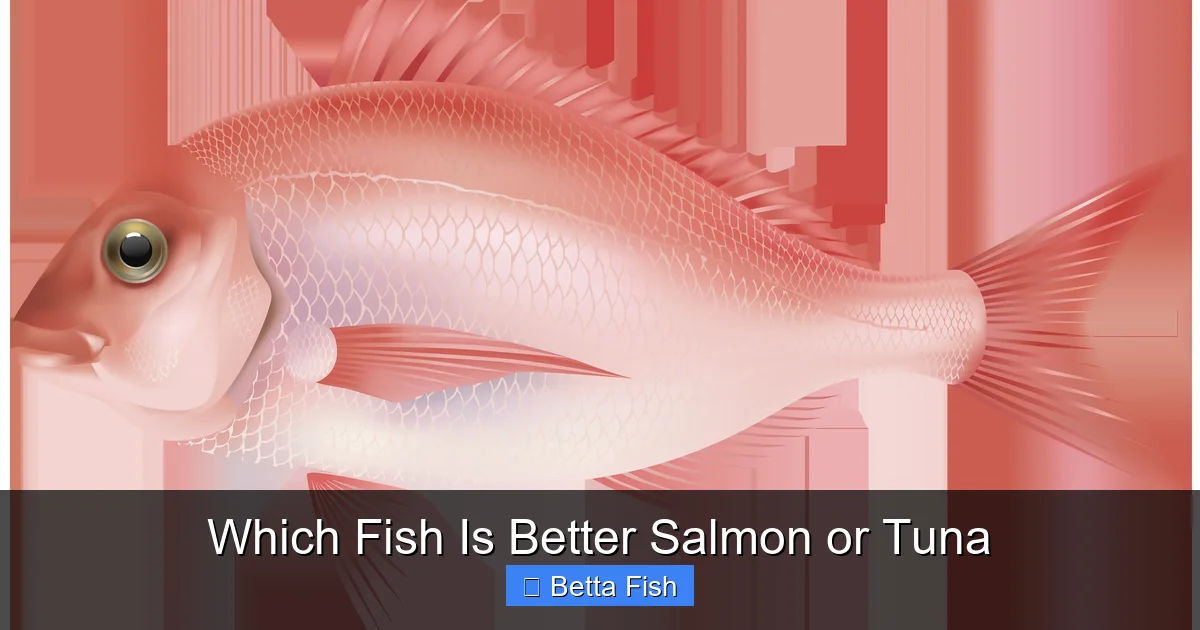
Which Fish Is Better Salmon or Tuna
Salmon and tuna each bring unique benefits to the table—salmon shines with omega‑3s and buttery flavor, while tuna offers lean protein and a mild taste. Choosing the better fish depends on your health goals, budget, and environmental concerns, so read on to find the perfect fit for your plate.
Key Takeaways
- Nutrition profile: Salmon packs more omega‑3s and vitamin D; tuna delivers higher protein per calorie.
- Flavor & texture: Salmon is rich and flaky; tuna is firm and mild, ideal for raw preparations.
- Cost & availability: Tuna is generally cheaper and more widely stocked; wild‑caught salmon can be pricier.
- Sustainability: Choose MSC‑certified salmon and pole‑and‑line caught tuna to reduce environmental impact.
- Cooking versatility: Both work raw, grilled, baked, or pan‑seared, but salmon tolerates higher heat without drying out.
- Health considerations: Pregnant women should limit tuna due to mercury; salmon is safer for frequent consumption.
- Supplement comparison: For extra omega‑3s, fish oil from salmon often beats generic tuna oil – see our guide on Which Is Better Salmon Or Fish Oil.
📑 Table of Contents
- Introduction: The Great Debate Between Salmon and Tuna
- 1. Nutritional Showdown
- 2. Flavor, Texture, and Culinary Flexibility
- 3. Cost, Availability, and Convenience
- 4. Sustainability and Environmental Impact
- 5. Health Considerations and Special Populations
- 6. Making the Choice: Practical Tips for Everyday Meals
- Conclusion: So, Which Fish Is Better Salmon or Tuna?
Introduction: The Great Debate Between Salmon and Tuna
When you stroll through the seafood aisle, the bright pink of salmon and the deep red of tuna catch the eye. Both are celebrated “super‑foods,” but which fish is better salmon or tuna for your diet, wallet, and planet? The answer isn’t a simple yes or no—it’s a mix of nutrition, flavor preferences, cooking style, and sustainability.
In this friendly, bite‑size guide we’ll compare the two side by side. Think of it as a chat over a sushi roll: we’ll keep sentences short, jargon low, and the tone upbeat. By the end you’ll know exactly when to reach for salmon and when tuna takes the spotlight.
1. Nutritional Showdown
1.1 Omega‑3 Fatty Acids
Omega‑3s are the star of the health show. Salmon is a heavyweight champion, delivering about 2,000 mg of EPA and DHA per 100 g serving. Tuna still provides omega‑3s, but roughly half that amount. If you’re targeting heart health or brain function, salmon usually wins the “which fish is better salmon or tuna” question.
Visual guide about Which Fish Is Better Salmon or Tuna
Image source: publicdomainpictures.net
1.2 Protein Power
Both fish are protein‑rich, but tuna edges ahead with about 23 g of protein per 100 g, compared to salmon’s 20 g. For athletes or anyone counting macros, tuna’s lean profile can be a better fit.
1.3 Vitamins and Minerals
- Vitamin D: Salmon is one of the few natural food sources, offering up to 600 IU per serving.
- Vitamin B12: Both are excellent, but tuna slightly tops salmon.
- Selenium: Tuna provides a modest boost, while salmon’s content is comparable.
1.4 Calories and Fat
Salmon’s buttery texture comes from higher fat, totaling around 200 calories per 100 g. Tuna is leaner, hovering near 130 calories. If you’re watching weight, tuna may feel lighter, but the healthy fats in salmon keep you fuller longer.
2. Flavor, Texture, and Culinary Flexibility
2.1 Taste Profile
Salmon’s rich, slightly sweet flavor makes it a star in grilled or baked dishes. Tuna’s milder, meaty taste shines in raw preparations like sashimi or quick sears. Your palate will guide which fish feels “better” for a given recipe.
Visual guide about Which Fish Is Better Salmon or Tuna
Image source: auctions.afimg.jp
2.2 Texture Matters
Salmon flakes easily when cooked, creating a tender mouthfeel. Tuna stays firm, holding shape in salads, steaks, or poke bowls. If you love a steak‑like bite, tuna is your go‑to.
2.3 Cooking Techniques
- Grilling: Both handle heat well, but salmon’s fat prevents drying.
- Pan‑searing: Tuna cooks fast—just 1‑2 minutes per side for rare.
- Baking: Salmon benefits from a light crust of herbs; tuna can become dry if overbaked.
- Raw: Sushi‑grade tuna is a classic; salmon works too, especially for rolls.
2.4 Quick Kitchen Tips
For a hassle‑free weeknight dinner, marinate tuna in soy‑ginger sauce for 15 minutes and grill. For a cozy Sunday, brush salmon with maple‑dijon glaze and bake at 375°F for 12 minutes.
3. Cost, Availability, and Convenience
3.1 Price Comparison
Generally, tuna (canned or fresh) is more budget‑friendly. Fresh, wild‑caught salmon often commands a premium, especially in the off‑season. Farmed salmon can lower the price gap but may raise questions about sustainability.
Visual guide about Which Fish Is Better Salmon or Tuna
Image source: publicdomainpictures.net
3.2 Shelf Life
Canned tuna lasts years, making it a pantry staple. Fresh salmon needs to be used within 2‑3 days or frozen. If you shop infrequently, tuna may be the more convenient choice.
3.3 Accessibility
Most supermarkets stock both, but tuna appears in more varieties—chunk, solid, albacore, skipjack—while salmon is often limited to fillets or smoked cuts.
4. Sustainability and Environmental Impact
4.1 Wild vs. Farmed
Wild salmon runs are vulnerable to overfishing and habitat loss, but MSC‑certified sources are a safe bet. Tuna faces similar pressures; however, pole‑and‑line caught tuna is considered the most sustainable method.
4.2 Carbon Footprint
Both species require energy for harvesting and processing, but farmed salmon can have a higher carbon footprint due to feed production. Choosing responsibly sourced options helps keep the “which fish is better salmon or tuna” decision eco‑friendly.
4.3 Helpful Resources
For deeper insight into fish oil sources and sustainability, check our article on Which Is Better Fish Oil Or Salmon Oil. It explains how farmed versus wild sourcing affects nutrient quality.
5. Health Considerations and Special Populations
5.1 Mercury Concerns
Tuna, especially larger species like albacore, can contain higher mercury levels. Pregnant women, nursing mothers, and young children should limit intake to 2‑3 servings per month. Salmon typically has lower mercury, making it safer for frequent consumption.
5.2 Allergies and Sensitivities
Both are common allergens, but reactions are rare. If you have a fish allergy, avoid both entirely.
5.3 Dietary Goals
- Heart health: Salmon’s omega‑3s give it an edge.
- Weight loss: Tuna’s lower calories support a calorie‑deficit diet.
- Muscle building: Tuna’s higher protein content is advantageous.
6. Making the Choice: Practical Tips for Everyday Meals
6.1 Build a Balanced Plate
Combine both fish throughout the week. For example, enjoy tuna salad on Monday, baked salmon on Wednesday, and a sushi‑roll mix on Friday. This approach maximizes nutrient variety while keeping costs reasonable.
6.2 Smart Shopping Checklist
- Check the label for “wild‑caught” or “MSC certified.”
- Prefer smaller tuna species (skipjack, yellowfin) for lower mercury.
- Look for firm flesh and bright color—signs of freshness.
- Consider frozen portions; flash‑frozen fish retain nutrients.
6.3 Quick Recipe Ideas
- Salmon: 5‑minute lemon‑dill glaze, bake, serve with quinoa.
- Tuna: Mix canned tuna with avocado, lime, and cilantro for a fast taco filling.
Conclusion: So, Which Fish Is Better Salmon or Tuna?
There’s no universal winner. If omega‑3s, flavor richness, and lower mercury are top priorities, salmon often takes the crown. If you need lean protein, budget‑friendly options, and a firmer bite, tuna shines. The smartest answer to “which fish is better salmon or tuna” is: choose based on your personal health goals, taste preferences, and sustainability values. Rotate both, stay informed about sourcing, and enjoy the delicious benefits each brings to your table.
Frequently Asked Questions
Is salmon healthier than tuna?
Salmon generally offers more omega‑3 fatty acids and vitamin D, while tuna provides slightly more protein and fewer calories. Healthier depends on your specific needs.
Can I eat tuna every day?
Because of mercury concerns, it’s best to limit tuna to 2–3 times per week, especially for pregnant women and children.
Which fish is better for a low‑calorie diet?
Tuna is lower in calories and fat, making it a good fit for calorie‑restricted meals.
How can I tell if salmon is wild‑caught?
Look for “wild‑caught” or MSC certification on the label. Wild salmon usually has a deeper orange hue compared to farmed varieties.
Is it okay to substitute tuna for salmon in recipes?
Yes, but expect a milder flavor and firmer texture. Adjust cooking times—tuna cooks faster and can dry out if overcooked.
What’s the most sustainable way to enjoy these fish?
Choose MSC‑certified wild salmon and pole‑and‑line caught tuna. These methods reduce overfishing and by‑catch.