Is Marijuana Smoke Bad for Betta Fish
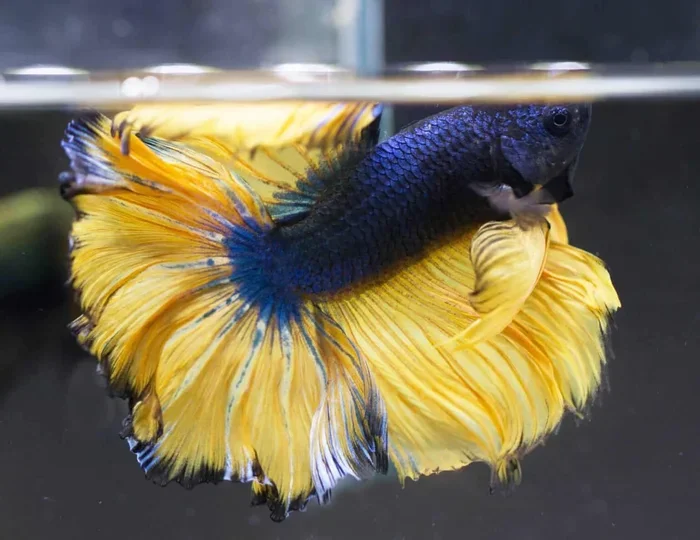
Yes, marijuana smoke is bad for betta fish. The harmful chemicals in cannabis smoke can contaminate your aquarium water, stress your betta’s delicate gills, and disrupt its breathing. Keeping your betta safe means ensuring clean air and a healthy tank environment free from smoke exposure.
Many betta fish owners wonder about the dangers of everyday household items around their tanks. One question that keeps popping up is: is marijuana smoke bad for betta fish? The short answer is yes. But the full story is more interesting — and more important — than you might think. If you own a betta, understanding how smoke affects your fish can mean the difference between a thriving tank and a sick one.
Betta fish are stunning creatures. They display vibrant colors and fascinating behaviors. But they are also incredibly sensitive to their environment. Even small changes in air quality or water chemistry can cause serious problems. This is why keeping your betta fish safe from smoke matters so much. Whether you vape, smoke cigarettes, or use cannabis products, the fumes can reach your aquarium faster than you realize.
In this guide, we will explore exactly how marijuana smoke affects betta fish, what symptoms to watch for, and what you can do to protect your pet. We will also cover related topics like tank water quality and air filtration for aquariums. By the end, you will know everything you need to keep your betta healthy and happy.
Key Takeaways
- Marijuana smoke contains harmful toxins that can enter your aquarium and harm your betta fish directly.
- Secondhand smoke affects water chemistry, altering pH levels and reducing oxygen availability in the tank.
- Betta fish gills are extremely sensitive, making them vulnerable to airborne contaminants like smoke.
- Common symptoms of smoke exposure include gasping, lethargy, faded colors, and erratic swimming.
- Proper tank maintenance and air quality are essential for keeping your betta fish healthy and safe.
- Prevention is simple — keep smoking away from your aquarium and ensure good ventilation.
📑 Table of Contents
- Why Are Betta Fish So Sensitive to Smoke?
- What Happens When Smoke Gets Into the Tank?
- How Does Secondhand Smoke Affect Aquarium Water?
- Can You Protect Your Betta From Smoke Damage?
- What Should You Do If Your Betta Has Been Exposed?
- Common Mistakes Betta Owners Make With Smoke Exposure
- Final Thoughts on Marijuana Smoke and Betta Fish
Why Are Betta Fish So Sensitive to Smoke?
Betta fish have unique biology that makes them especially vulnerable to airborne toxins. Unlike some hardier fish species, bettas have delicate gill structures designed for oxygen-poor environments in the wild. These gills are incredibly efficient — but also incredibly sensitive.
The Role of Betta Fish Gills
Your betta’s gills do more than just extract oxygen from water. They also help regulate pH balance and remove waste gases. When harmful smoke particles enter the aquarium atmosphere, they dissolve directly into the water. This changes the chemical makeup of the tank environment almost immediately.
Think of it like this. If you were breathing in polluted air all day, you would start feeling terrible. The same thing happens to your betta. The toxic compounds in marijuana smoke — including THC, carbon monoxide, and various combustion byproducts — don’t just stay in the air. They settle into the water. And your fish has no way to escape.
How Smoke Chemicals Enter the Water
Here is a process that surprises many fish owners. When you exhale smoke near an open tank, the gases dissolve into the surface water. The thin film at the top of the aquarium acts like a filter — but not a good one. Harmful chemicals pass right through and enter the water column.
Over time, this builds up. Even if you think a single session is harmless, repeated exposure creates a toxic environment. This is why aquarium air quality deserves just as much attention as water quality.
What Happens When Smoke Gets Into the Tank?
The effects of marijuana smoke on betta fish can range from mild stress to life-threatening conditions. Let us break down exactly what happens inside your tank when smoke enters the picture.
Water Chemistry Changes
Smoke alters several key water parameters. The most affected are:
- pH levels — Smoke can lower or raise pH unpredictably
- Dissolved oxygen — Carbon monoxide competes with oxygen in the water
- Ammonia levels — Smoke particles can increase toxic ammonia
- Nitrate and nitrite — These rise as beneficial bacteria struggle
When these parameters shift, your betta fish experiences extreme stress. A stressed betta is more prone to disease, poor appetite, and shortened lifespan.
Physical Symptoms of Smoke Exposure
How can you tell if smoke is hurting your betta? Watch for these warning signs:
- Gasping at the surface — Your fish struggles to breathe
- Faded or dull colors — Vibrant hues start to fade
- Lethargy — Your betta stays still more than usual
- Erratic swimming — Darting or circling without purpose
- Clamped fins — Fins fold close to the body
- Loss of appetite — Your betta refuses food
If you notice any of these symptoms, test your water immediately. Check pH, ammonia, nitrite, and nitrate levels. Also, make sure no one has been smoking near the tank recently.
How Does Secondhand Smoke Affect Aquarium Water?
This is a topic many people overlook. The connection between secondhand smoke and aquarium health is stronger than most realize. Your tank is not sealed off from your home’s air.
The Science Behind Gas Dissolution
Water is an excellent solvent. It absorbs gases from the air above it. This means that every time someone lights up near your aquarium, the toxic fumes dissolve into the surface. The process is slow but cumulative. Over weeks and months, the damage adds up.
Here is a simple comparison to help you understand:
| Factor | Without Smoke Exposure | With Regular Smoke Exposure |
|---|---|---|
| pH Stability | Stable (6.5-7.5) | Unstable, fluctuating |
| Oxygen Levels | Normal saturation | Reduced by 15-30% |
| Fish Behavior | Active, alert | Stressed, gasping |
| Water Clarity | Clear | May become hazy |
| Overall Health | Good | Declining over time |
As you can see, regular smoke exposure creates a cascade of problems. Even if your betta seems fine at first, long-term damage is happening beneath the surface.
Does Vaping Make a Difference?
Some owners think vaping is safer for their fish. While vaping produces fewer combustion byproducts than smoking, it is not harmless. Vapor still contains chemicals that dissolve in water. Propylene glycol, vegetable glycerin, and various flavorings can all affect your tank’s water chemistry. The safest approach is to keep all vaping and smoking away from your aquarium.
Can You Protect Your Betta From Smoke Damage?
The good news is that you can take practical steps to shield your betta from smoke. Prevention is always better than treatment when it comes to betta fish health.
Step-by-Step Protection Plan
- Move the tank to a smoke-free room. This is the single most effective step you can take.
- Use a tight-fitting lid. A cover reduces the surface area where smoke gases enter the water.
- Increase water changes. If smoke exposure has occurred, do frequent partial water changes to flush out contaminants.
- Add an air stone or sponge filter. Increased surface agitation helps maintain oxygen levels and disperses dissolved gases.
- Test water regularly. Keep a liquid test kit on hand to monitor pH, ammonia, nitrite, and nitrate.
- Use activated carbon in your filter. Carbon helps absorb some airborne chemicals before they dissolve into the water.
Why Proper Filtration Matters
A good filtration system does more than just remove debris. It helps maintain stable water parameters and supports beneficial bacteria. If you live in a household where smoking happens, consider upgrading your filter. A hang-on-back filter or canister filter with activated carbon media offers extra protection against chemical contamination.
Also, remember that air bubbles are generally not bad for betta fish — they actually help oxygenate the water. But if smoke is present, those same air bubbles can carry dissolved toxins deeper into the tank. This is why clean air matters just as much as clean water.
What Should You Do If Your Betta Has Been Exposed?
Accidents happen. Maybe a guest smoked near your tank, or you forgot to close the window. If you suspect your betta has been exposed to marijuana smoke or any smoke, here is what you should do right away.
Immediate Action Steps
- Remove the source of smoke from the room immediately.
- Open a window or turn on a fan to clear the air around the tank.
- Test the water for pH, ammonia, nitrite, and nitrate.
- Perform a 25-30% water change using dechlorinated water at the correct temperature.
- Observe your betta for 24 hours. Look for gasping, lethargy, or color changes.
- Increase aeration by adding an air stone or adjusting your filter output.
Most bettas recover quickly from mild smoke exposure if you act fast. But repeated or heavy exposure can cause lasting damage. If your betta does not improve within 48 hours, consult a veterinarian who specializes in fish.
Long-Term Monitoring
After any smoke exposure incident, keep a closer eye on your tank for the next week. Watch for changes in behavior, appetite, and appearance. Also test your water parameters daily during this period. Catching problems early gives your betta the best chance of a full recovery.
Common Mistakes Betta Owners Make With Smoke Exposure
Even well-meaning owners make mistakes that put their fish at risk. Here are the most common ones to avoid:
- Assuming a single session is harmless. Even one exposure can lower oxygen levels temporarily. Repeated exposure compounds the damage.
- Smoking near an open window above the tank. Smoke drifts easily. An open window is an open invitation for toxins to enter your aquarium.
- Relying only on the filter to clean the air. Filters clean water, not air. You need separate measures for air quality.
- Ignoring subtle symptoms. A betta that swims slightly differently or eats less might be showing early signs of smoke-related stress.
- Not checking water parameters after exposure. You cannot see most chemical changes in water. Testing is the only way to know for sure.
Avoiding these mistakes goes a long way toward keeping your betta healthy. And if you want to learn more about maintaining optimal water quality for your betta fish tank, check out our guide on the correct pH level for betta fish and the best water conditions for a happy, healthy aquarium.
Final Thoughts on Marijuana Smoke and Betta Fish
So, is marijuana smoke bad for betta fish? The evidence is clear. Smoke of any kind poses real risks to your aquarium. The chemicals in marijuana smoke dissolve into your tank water, disrupt water chemistry, and stress your betta’s sensitive gills and respiratory system. Even small amounts of exposure can cause noticeable symptoms like gasping, lethargy, and faded colors.
The good news is that protection is straightforward. Keep your tank in a smoke-free area, use a tight lid, maintain proper filtration, and test your water regularly. These simple habits go a long way in ensuring your betta fish lives a long, vibrant life.
Your betta depends on you for its environment. Every decision you make — from where you place the tank to what you allow in the room — affects its health. By staying informed and taking proactive steps, you create a safe, thriving home for your beautiful fish. And that is exactly what every betta owner wants.
If you are concerned about other household items and their effects on your betta, you might also want to read about are air bubbles bad for betta fish and what temperature is too hot for a betta fish. Understanding the full picture of your betta’s environment helps you become a better, more confident fish owner.
Frequently Asked Questions
Can marijuana smoke kill a betta fish?
In most cases, a single exposure will not kill a betta fish. However, repeated or heavy exposure to marijuana smoke can create toxic water conditions that may become fatal. The chemicals in smoke reduce oxygen levels and introduce harmful compounds into the tank. Always prevent smoke from reaching your aquarium to keep your betta safe.
How quickly does smoke affect betta fish water quality?
Smoke chemicals begin dissolving into the water almost immediately after exposure. You may not notice visible changes right away, but pH levels and oxygen content can shift within minutes. Over time, repeated exposure causes cumulative damage. This is why prevention and regular water testing are so important for betta fish health.
Is secondhand cigarette smoke also bad for betta fish?
Yes, secondhand cigarette smoke is equally harmful to betta fish. Cigarette smoke contains thousands of toxic chemicals that dissolve in aquarium water. These chemicals affect water parameters and stress your fish just like marijuana smoke does. Keep all types of smoke away from your betta tank for the best results.
Does vaping affect betta fish differently than smoking?
Vaping produces fewer combustion byproducts, but it is not safe for betta fish either. The vapor contains chemicals like propylene glycol and flavorings that dissolve in water and alter tank chemistry. While the effects may be milder than traditional smoking, vaping near your aquarium should still be avoided.
What is the best way to check if smoke has affected my betta tank?
The best way is to test your water using a liquid test kit. Check pH, ammonia, nitrite, and nitrate levels. Also observe your betta for behavioral changes like gasping at the surface, clamped fins, or loss of appetite. If you notice any of these signs after smoke exposure, perform a water change and increase aeration right away.
Can a betta fish recover from smoke exposure?
Yes, most betta fish recover fully from mild smoke exposure if you act quickly. Perform a water change, improve aeration, and monitor your fish closely for 24 to 48 hours. Severe or repeated exposure may cause lasting health issues. The key is prevention — keeping your tank environment free from smoke and other airborne contaminants.