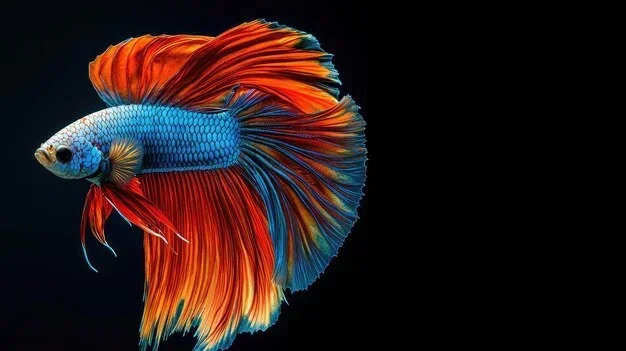
A Betta Fish with Cap and Gown
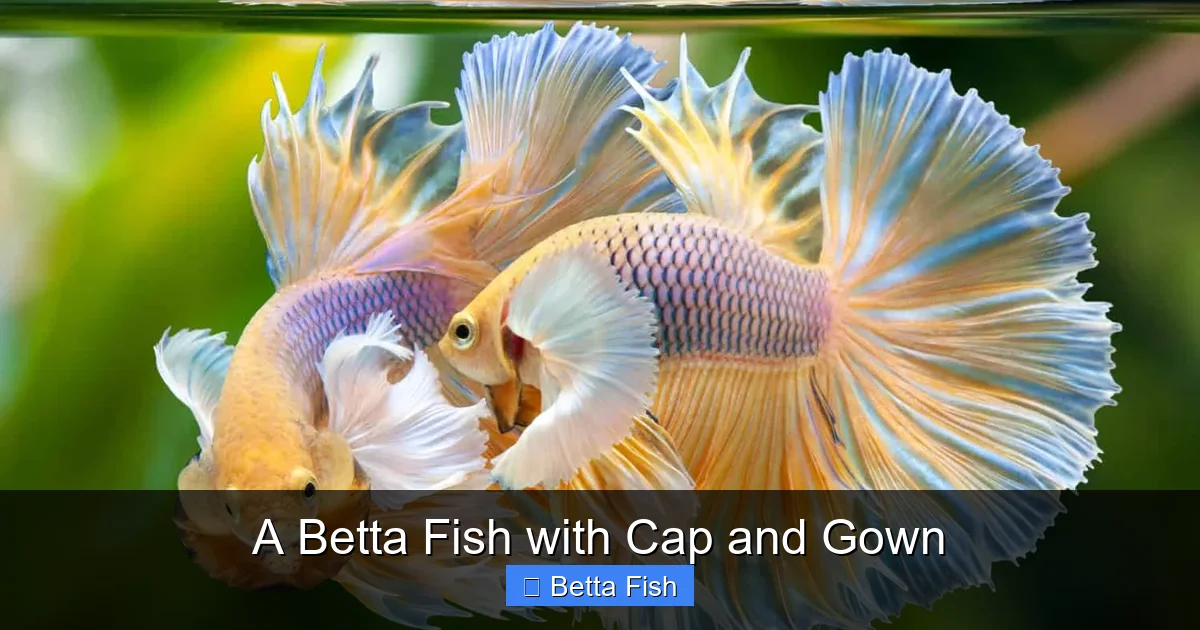
Looking for a unique way to celebrate graduation or a special event? A betta fish with cap and gown adds sparkle to any tank while staying easy to care for. Read on for set‑up advice, decoration tricks, and fun facts that keep your graduate fish happy and healthy.
Key Takeaways
- Simple setup: A 5‑gallon tank with gentle heating and low flow is ideal for a betta fish with cap and gown.
- Safe costume: Choose a lightweight, non‑toxic cap and gown that won’t restrict fins or breathing.
- Feeding routine: High‑quality pellets plus occasional treats keep colors bright for photo‑ready moments.
- Tank mates: Peaceful species like snails or dwarf shrimp can share the space without stressing the betta.
- Celebration tips: Add themed décor, background music, and a short “graduation” ceremony for extra fun.
- Health monitoring: Watch for stress signs; remove the costume if the fish shows irritation.
- Long‑term care: Regular water changes and proper filtration ensure the betta thrives beyond the party.
📑 Table of Contents
Introduction: Why a Betta Fish with Cap and Gown?
Graduations, promotions, and milestone birthdays often call for a special centerpiece. While balloons and cakes are common, a betta fish with cap and gown offers a living, colorful tribute that can be enjoyed long after the confetti settles. Betta fish are naturally vibrant, hardy, and curious, making them perfect candidates for a lightweight costume that celebrates achievement without compromising their wellbeing.
In this guide we’ll walk you through everything you need to know: from choosing the right tank and costume to keeping your scholarly swimmer healthy and happy. Think of it as a friendly chat over coffee, with plenty of practical tips, real‑life examples, and a dash of fun.
1. Setting Up the Perfect Home
Tank Size and Shape
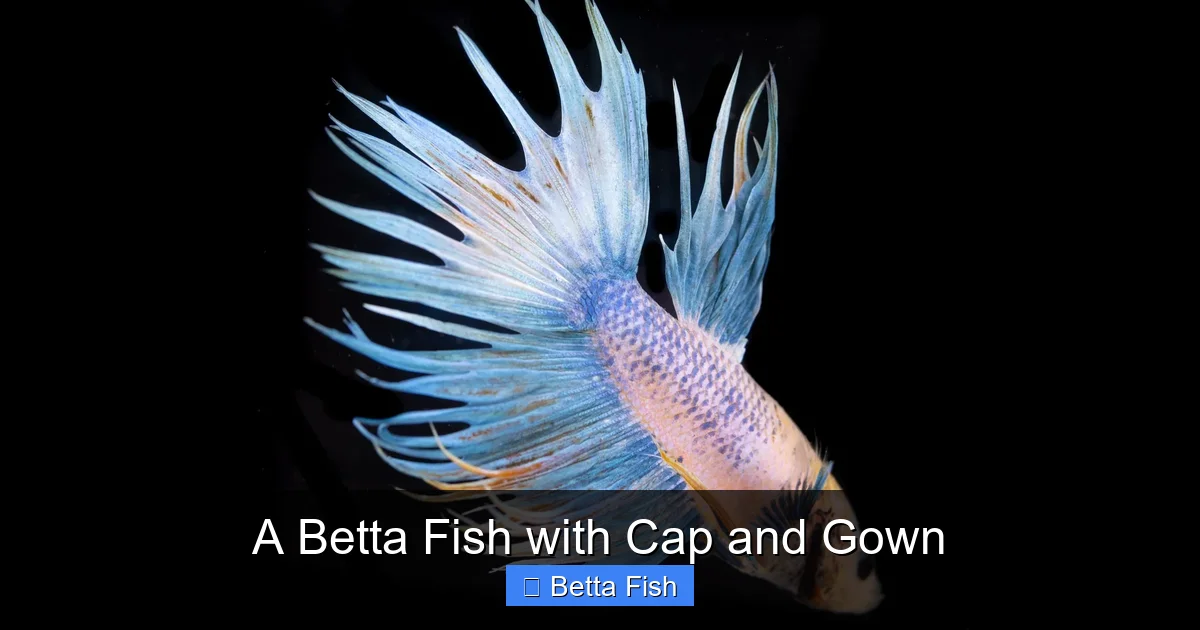
The first step is providing enough space. A single betta thrives in a minimum of 5 gallons; this gives room for swimming, exploring, and displaying the cap and gown without feeling cramped. A rectangular tank with a clear front and a dark back panel highlights the fish’s colors and the tiny academic attire.
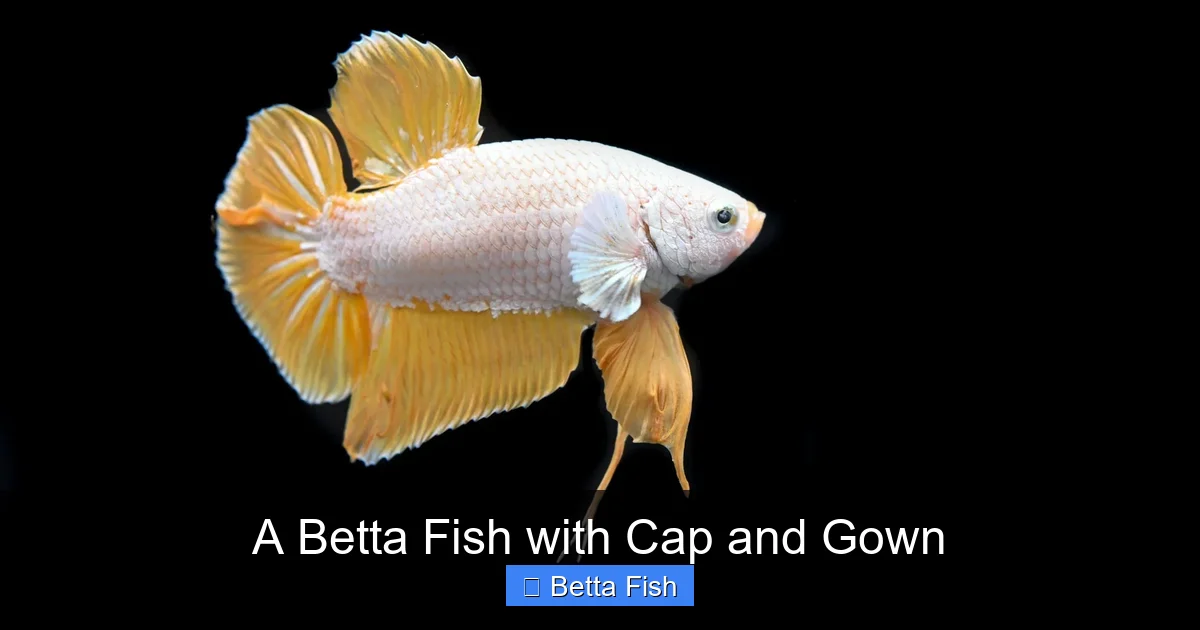
Visual guide about A Betta Fish with Cap and Gown
Image source: splashyfishstore.com
Water Conditions
- Temperature: Keep the water between 76‑82°F (24‑28°C). A reliable aquarium heater is a must.
- pH: Aim for a stable pH of 6.5‑7.5.
- Hardness: Soft to moderately hard water (50‑150 ppm) works well.
Testing kits are inexpensive and give you peace of mind. Remember, stable water is the foundation of a happy betta fish with cap and gown.
Filtration and Flow
Betta fish prefer calm waters. Choose a low‑flow sponge filter or a gentle hang‑on‑back unit. The filter provides biological filtration while keeping currents gentle enough not to tug on the costume.
Lighting and Décor
A 10‑hour day/night cycle mimics natural conditions. Use a dimmable LED that doesn’t create harsh shadows—your betta’s cap will look best under soft light. Add a few live plants (like Anubias or Java fern) for hiding spots, and a themed background (think a graduation stage) to complete the scene.
2. Choosing the Right Cap and Gown
Material Matters
Look for costume pieces made from food‑grade silicone, soft fabric, or lightweight polymer. The material should be:
Visual guide about A Betta Fish with Cap and Gown
Image source: splashyfishstore.com
- Non‑porous (easy to clean)
- Flexible enough to move with the fins
- Free from dyes that could leach into the water
A popular DIY option is a tiny felt cap secured with a small piece of silicone adhesive that dissolves in water after the celebration.
Size and Fit
Measure your betta from snout to the base of the dorsal fin. The cap should sit just above the eyes without covering them, and the gown should drape loosely over the body, avoiding the operculum (gill cover). If the costume feels heavy, the fish may become stressed and hide.
Safety First
Never leave the costume on for more than 24‑48 hours. Check daily for signs of irritation—scratching, faded colors, or abnormal swimming. If you notice any of these, gently remove the attire and give the fish a clean water change.
3. Feeding Your Graduate Betta
Balanced Diet
High‑quality betta pellets are the staple. Feed 2‑3 pellets twice a day, adjusting portion size to the fish’s appetite. For a special treat, offer frozen or live brine shrimp once a week; the protein boost keeps the fins vibrant for photo‑ops.
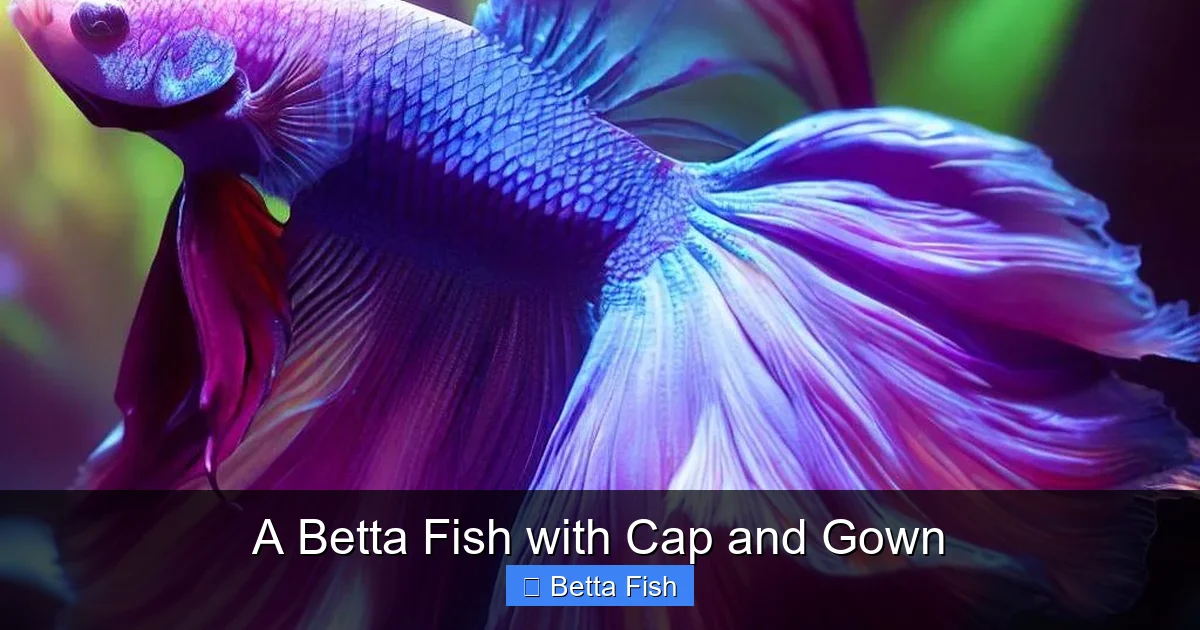
Visual guide about A Betta Fish with Cap and Gown
Image source: miro.medium.com
Feeding During the Celebration
During the ceremony, you can place a small feeding ring shaped like a diploma. This adds a playful element and keeps the fish occupied while guests admire the cap and gown.
Hydration and Water Quality
Even though bettas get water through their gills, feeding can increase waste. Perform a 25 % water change after the celebration to keep ammonia low and maintain crystal‑clear water for the next day’s photos.
4. Tank Mates: Who Can Share the Stage?
Peaceful Companions
While bettas are often solitary, certain gentle species can coexist if the tank is spacious and well‑planted. Good options include:
- Cherry shrimp
- Nerite snails
- Small, non‑aggressive dwarf gouramis (in a larger tank)
For more ideas, check out our article on what fish is compatible with a betta fish. Remember, each new resident should be introduced slowly and monitored for stress.
Fish to Avoid
Fin‑nipping species such as guppies or male tetras can damage the delicate cap and gown. Also, avoid other bettas; two males will fight, and a female may become overly protective of the costume.
Practical Example
Jane added a single Nerite snail to her 5‑gallon graduate tank. The snail helped clean algae, and the betta never bothered it. After two weeks, both were thriving, and the snail’s shell added a subtle “academic” sparkle.
5. Celebration Ideas and Photo Tips
Setting the Scene
Use a small cardboard “stage” at one end of the tank. Place a miniature podium and a rolled-up piece of paper as a diploma. Position a tiny “graduation cap” on the betta’s head just before the ceremony.
Photography Hacks
- Use a macro lens or a smartphone with a close‑up attachment.
- Shoot during the tank’s light cycle to avoid glare.
- Capture the betta’s side profile; the cap looks most natural from this angle.
Post‑Event Care
After the festivities, give the betta a day off without the costume. Perform a 30 % water change, check the filter, and feed a high‑quality pellet. This “recovery” period helps the fish return to its normal routine.
6. Long‑Term Health and Maintenance
Regular Water Changes
Change 20‑30 % of the water weekly. Use a water conditioner to remove chlorine and chloramines. Consistent changes keep nitrate levels low and prevent stress.
Monitoring Health
Watch for common betta issues: ragged fins, clamped gills, or loss of color. If any appear, test water parameters and consider a quarantine tank for treatment.
Seasonal Adjustments
During cooler months, ensure the heater maintains temperature. In summer, keep the tank away from direct sunlight to avoid overheating.
When to Remove the Costume
If your betta shows any of the following, take off the cap and gown immediately:
- Frequent hiding
- Reduced appetite
- Excessive rubbing against tank walls
Conclusion
A betta fish with cap and gown can turn a simple celebration into a memorable, living tribute. By providing a stable environment, choosing a safe costume, and offering proper nutrition, you give your graduate fish the chance to shine—literally. Whether you’re marking a graduation, a promotion, or just a fun themed party, this tiny scholar will bring smiles for weeks to come. Remember to keep the tank clean, watch for stress signs, and enjoy the burst of color and joy that only a betta can deliver.
Frequently Asked Questions
Can a betta fish wear a cap and gown safely?
Yes, as long as the costume is lightweight, non‑toxic, and does not restrict the fish’s fins or gills. Remove it after 24‑48 hours to prevent stress.
What size tank is best for a betta fish with a costume?
A minimum of 5 gallons provides enough swimming space and helps maintain stable water parameters, which is essential when adding any décor.
Can I keep other fish with my betta fish wearing a cap and gown?
Peaceful companions like snails or shrimp can share the tank, but aggressive or fin‑nipping fish should be avoided. See what fish is compatible with a betta fish for more options.
How often should I change the water after a celebration?
Perform a 25‑30 % water change the day after the event, then resume weekly 20‑30 % changes to keep ammonia and nitrate low.
What should I feed my betta during a graduation ceremony?
Stick to high‑quality pellets and add a small feeding ring with a few frozen brine shrimp for a special treat that keeps the fish active and colorful.
How do I know if the costume is causing stress?
Signs of stress include hiding, loss of color, ragged fins, or rapid breathing. If any appear, remove the cap and gown immediately and give the fish a clean water change.