Where to Buy Healthy Betta Fish

Finding a healthy betta fish starts with knowing where to look. Avoid big-box stores and prioritize reputable local breeders or specialized online sellers who prioritize fish welfare. Always perform a visual health check for vibrant color, intact fins, and active behavior before purchasing. Quarantining your new betta is non-negotiable to protect your aquarium’s ecosystem. A healthy start leads to years of finned friendship.
Key Takeaways
- Reputable sources are everything: Seek dedicated betta breeders or specialized aquarium stores over general pet retailers for healthier, better-cared-for fish.
- Learn the visual health check: Key signs include vivid colors, undamaged fins, clear eyes, and alert activity. Clamped fins, pale color, or lethargy are major red flags.
- Always quarantine: A 2-4 week quarantine tank protects your main aquarium from potential diseases the new betta may be carrying.
- Ask the right questions: Inquire about the fish’s age, diet, water parameters, and health history. A knowledgeable seller will have clear answers.
- Prepare the habitat first: Have a fully cycled, heated, and filtered tank (minimum 5 gallons) ready before bringing your betta home to reduce stress.
- Online can be excellent—with research: Many top breeders sell online with live-arrival guarantees. Research their reputation, shipping policies, and customer reviews thoroughly.
- Price often reflects care: Extremely cheap bettas often come from overcrowded, poor-condition farms. Investing a bit more typically means a healthier, hardier fish.
📑 Table of Contents
- Why Your Betta’s Health Starts at the Point of Sale
- The Best Sources: Where to Find a Healthy Betta Fish
- How to Spot a Healthy Betta Fish: The 5-Minute Inspection
- Setting the Stage: Preparing for Your Healthy Betta
- After You Bring Him Home: The First Few Weeks
- Conclusion: Your Journey Starts with the Right Choice
Why Your Betta’s Health Starts at the Point of Sale
Bringing a betta fish into your home is an exciting moment. Those flowing fins and bold personalities can bring so much joy. But the foundation for a happy, thriving betta—one that lives its full 3-5 year lifespan—is laid the very moment you acquire it. A healthy betta fish is not just a matter of luck; it’s the direct result of ethical breeding, proper husbandry, and a stress-free transition. Starting with a robust specimen saves you from heartbreak, costly medication, and the frustration of constantly nursing a sick fish. It’s the single most important factor in your long-term success as a betta keeper. This guide will walk you through exactly where to find these resilient, vibrant fish and how to pick the perfect one.
The High Cost of a Cheap Fish
You’ll see bettas everywhere. In tiny cups at department stores, in crowded tanks at large pet chains, and in online marketplaces for shockingly low prices. While the initial cost might be $3-$5, the hidden costs of a poorly-sourced betta are immense. These fish are often subjected to terrible conditions: cold water, no heating, incompatible tank mates in small containers, and high ammonia levels. They arrive already stressed, immune-compromised, and frequently harboring diseases like velvet, fin rot, or dropsy. Treating these illnesses requires medication, separate hospital tanks, and your time. More importantly, you’re supporting an industry that prioritizes volume over welfare. Seeking a healthy betta fish means voting with your wallet for better practices.
The Best Sources: Where to Find a Healthy Betta Fish
So, where should you look? The answer isn’t a single store or website, but rather a hierarchy of sources ranked by their typical standard of care. Your goal is to find a seller who views bettas not as disposable inventory, but as the fascinating, individual creatures they are.
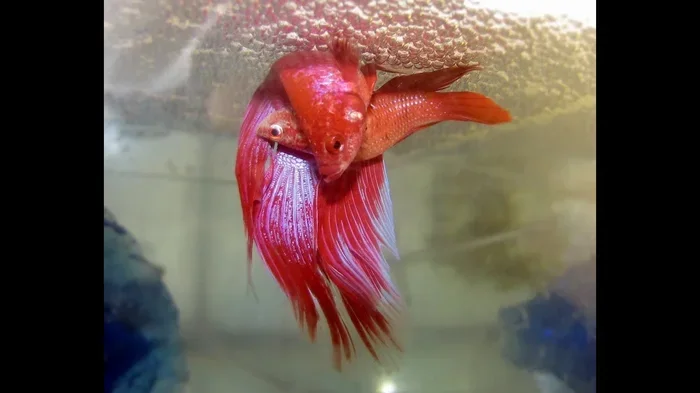
Visual guide about Where to Buy Healthy Betta Fish
Image source: fishkeepingadvice.com
1. Local, Dedicated Betta Breeders
This is the gold standard. A hobbyist breeder who focuses specifically on bettas (often for show or specific genetic lines) is your best bet for an exceptionally healthy fish. These breeders usually:
- Raise their fish in optimal conditions: Heated, filtered, spacious tanks or even individual containers with pristine water quality.
- Practice selective breeding: They focus on health, temperament, and conformation, not just color. Their stock is genetically stronger.
- Can provide detailed history: They know the fish’s age, parents, diet, and any health quirks.
- Offer direct support: They often provide care advice and are invested in the fish’s long-term welfare.
How to find them: Search for “betta breeder [your city/state],” check local aquarium club websites and Facebook groups, or ask at high-quality local fish stores (see below). Be prepared to wait; good breeders don’t always have fish ready to go.
2. High-Quality, Independent Local Fish Stores (LFS)
Not all pet stores are created equal. A truly excellent local fish store is a treasure. Look for these signs:
- Clean, well-maintained aquariums: No algae overload, clear water, active fish.
- Knowledgeable staff: They can answer specific questions about betta care, cycling, and diseases. They should know the difference between a male and female betta!
- Proper betta housing: The bettas are in heated tanks (not cups on a cold counter), with gentle filtration or frequent water changes. They are often housed singly or with compatible, peaceful tank mates.
- Variety and transparency: They may carry specific color varieties or even source from local breeders. They’ll tell you where their fish come from.
Building a relationship with a good LFS is invaluable. They often have a “quarantine” system for new arrivals and will generally not sell you a fish they know is sick.
3. Reputable Online Betta Breeders & Specialists
The internet has opened doors to amazing breeders across the country and world. Buying a healthy betta fish online requires more diligence but can yield spectacular results. Top online breeders:
- Have professional websites and clear policies: Look for detailed health guarantees, shipping live-arrival guarantees, and transparent pricing.
- Provide high-quality photos/videos: They show the exact fish you’ll receive, often in a clean, well-lit setup.
- Ship with extreme care: They use proper insulation, heat packs (if needed), and overnight shipping. They know how to pack bettas safely for transit.
- Are active in the community: They have reviews on forums (like Fishlore, Seriously Fish), Facebook groups, and may be members of betta clubs.
- Specialize in bettas: Their entire business is bettas, not a mixed bag of fish.
Warning: Avoid large marketplaces (e.g., eBay, general Etsy listings) where you’re buying from unknown sellers. Also be wary of sites selling “rare” colors for $15 shipped—it’s often a red flag for poor conditions.
4. What to AVOID: Red Flags for Unhealthy Bettas
Certain sources consistently produce unhealthy fish. Steer clear of:
- Big-Box Retailers & Department Stores: The infamous “betta in a cup” setup is a recipe for disaster. The water is cold, dirty, and the fish are constantly stressed by passing customers. These are mass-produced, low-cost imports with high mortality rates.
- Stores with “Always On Sale” Bettas: If bettas are perpetually discounted, it’s a sign they’re moving volume, not quality. They may be overstocked and poorly maintained.
- Sellers with no information: If you can’t ask about the fish’s background, diet, or health, walk away.
- Fish with obvious signs of illness: Never “rescue” a sick fish from a store as your first betta. You’re starting at a huge disadvantage and risk introducing disease to a future tank.
How to Spot a Healthy Betta Fish: The 5-Minute Inspection
Once you’ve found a promising source, you must become a betta detective. Whether in person or via a video request from an online seller, look for these definitive signs of health. This is your most critical skill for where to buy healthy betta fish.
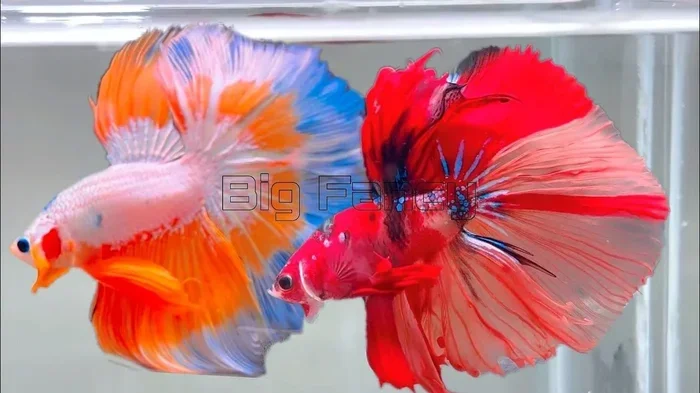
Visual guide about Where to Buy Healthy Betta Fish
Image source: fishkeepingadvice.com
The Visual Checklist: Color, Fins, and Form
A healthy betta is a visual masterpiece. Observe the fish closely:
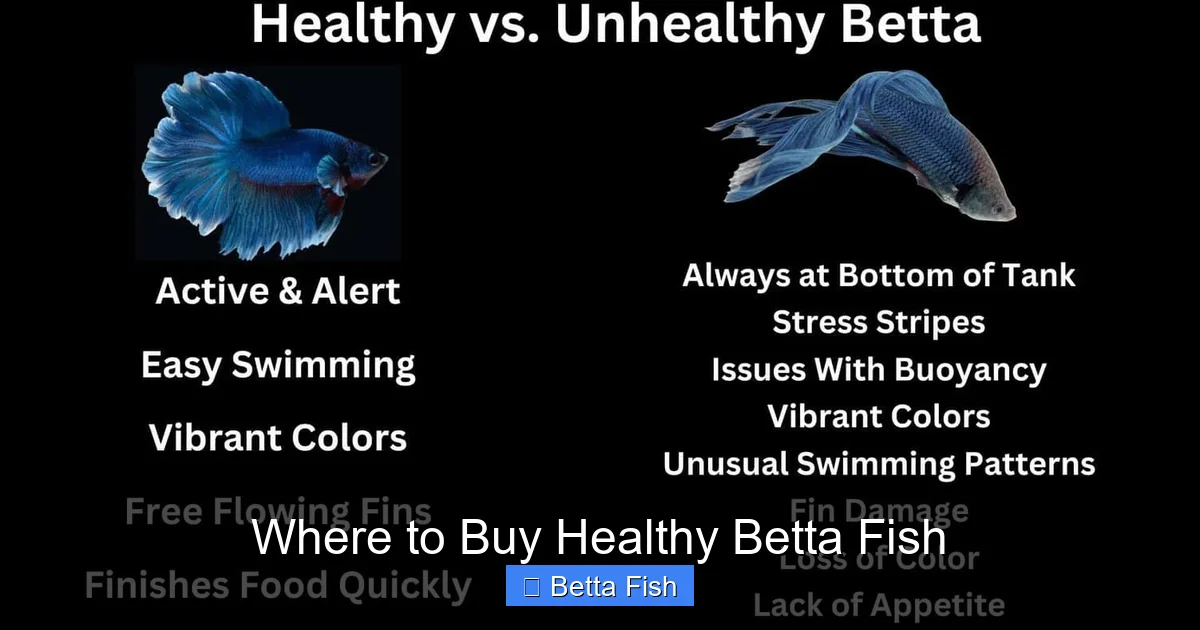
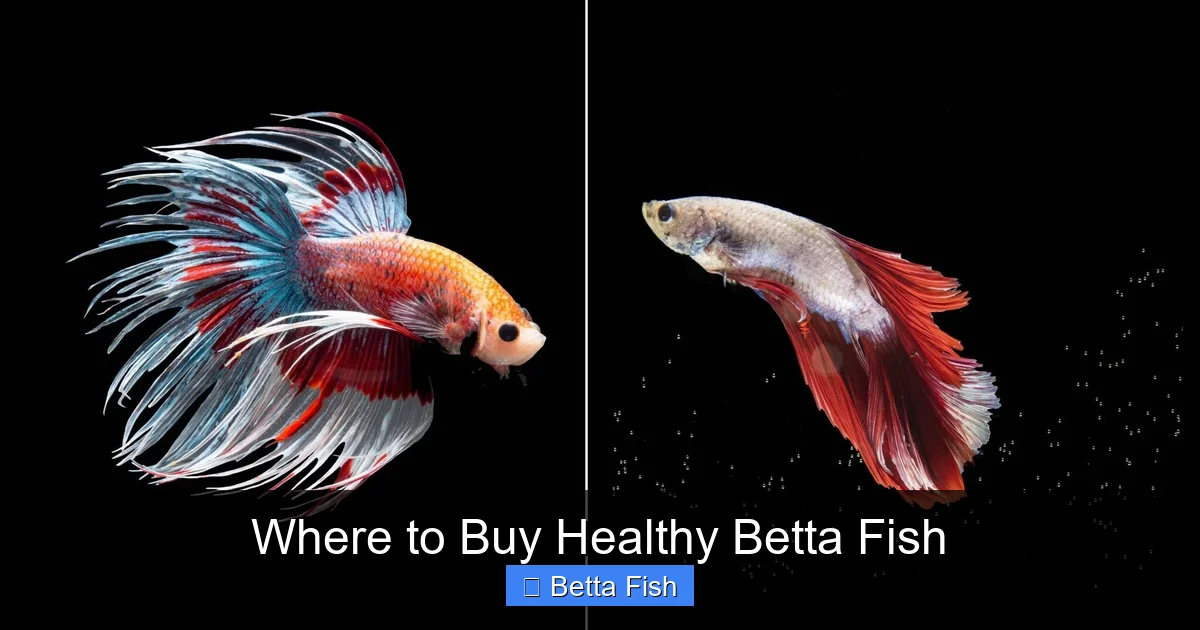
- Vibrant, Rich Color: Colors should be deep, clear, and reflective. Some bettas change color as they age (this is called “marbleing” and is normal), but the base color should be saturated, not dull or faded. A pale, washed-out appearance is a classic sign of stress or illness.
- Intact, Flowing Fins: Fins should be whole, without tears, splits, or missing edges. They should billow out gracefully when the fish is active. Look for signs of fin rot—white, black, or red fuzzy edges, or fins that look like they’re melting away.
- Clear, Bright Eyes: Eyes should be prominent, clear, and alert. Cloudy, gray, or “pop-eye” (exophthalmia) are signs of serious bacterial infections or parasites.
- Smooth, Undamaged Body: The body should be sleek, without sores, lumps, bumps, or raised scales. “Pineconing” (scales standing out like a pinecone) is a late-stage symptom of dropsy, a often-fatal condition.
- Intact, Symmetrical Gills: Gills should open and close rhythmically and evenly. They should be a healthy red or pinkish color, not bright red (indicating ammonia burn) or pale.
Behavioral Cues: Energy and Demeanor
Now, watch how the fish moves. A healthy betta is curious and interactive.
- Alert and Responsive: It should notice your presence near the tank. A healthy betta will often flare (expand its gills dramatically) at its reflection or a finger near the glass. It may follow your movement along the tank.
- Active Swimmer: It should swim smoothly and purposefully, exploring its environment. It should not be hovering listlessly at the top, bottom, or corner.
- Good Appetite (if you can test): A reputable seller will have fed the fish recently. You can often gently tap the glass or drop a tiny food pellet near it. A healthy betta will show interest and dart for the food.
- No Labored Breathing: Gills should move at a steady, normal rate. Rapid, frantic gill movement or gasping at the surface can indicate poor water quality, parasites, or gill damage.
Red Flags: Lethargy, inability to maintain buoyancy (floating upside down or sinking), frantic darting and scratching (itchy from parasites), clamped fins held tightly against the body, or constant hiding.
The Questions You MUST Ask the Seller
Don’t be shy! A good seller welcomes questions. Ask:
- “How old is this betta?” Bettas are often sold at 3-6 months old. Knowing the age helps you plan for its lifespan.
- “What have you been feeding it?” A varied diet of quality pellets, frozen foods (brine shrimp, daphnia), and occasional live foods is ideal. If they say “just flakes” or “I don’t know,” be concerned.
- “What are the water parameters and temperature in this tank?” The answer should be “around 78-80°F (25.5-26.5°C)” and they should be able to discuss ammonia, nitrite, nitrate. If they look confused, the water is likely poor.
- “Has this fish ever been treated for illness or shown any signs of disease?” Honesty here is crucial. A “no” is good, but a detailed “yes, it had a minor case of ich two months ago, treated with copper, and has been perfect since” shows transparency and proper care.
- For online sellers: “What is your live-arrival guarantee and what does it cover?” A guarantee that only covers the first 2 hours after delivery is weak. Look for guarantees that cover 24-48 hours and require you to send a photo of the dead fish within a timeframe.
Setting the Stage: Preparing for Your Healthy Betta
You’ve found your perfect, healthy betta fish. Now you must prepare its forever home before you bring it home. This step is non-negotiable and directly impacts its survival.

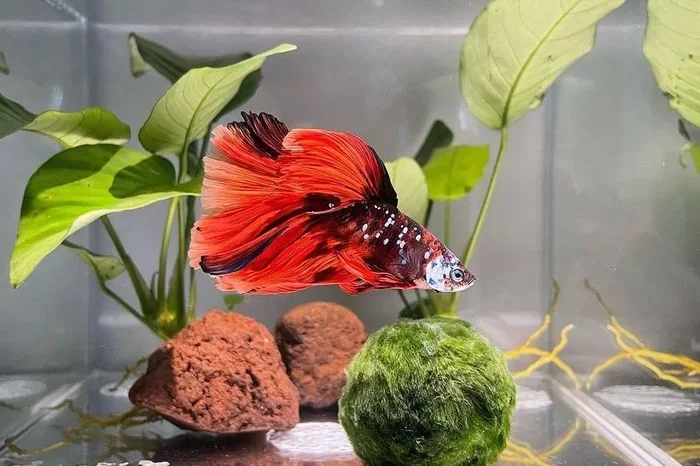
Visual guide about Where to Buy Healthy Betta Fish
Image source: i.ytimg.com
The Non-Negotiable Tank: Size and Cycling
Forget the “betta in a vase” myth. Your betta needs a real aquarium. The absolute minimum is a 5-gallon tank. Why?
- Stable Water Parameters: Larger volumes of water dilute toxins (ammonia, nitrite) and resist rapid pH swings, creating a less stressful environment.
- Heating and Filtration: A 5-gallon tank can easily and safely house a small heater and a gentle sponge filter (which bettas love because it doesn’t create strong currents). Bettas are tropical fish and require a constant temperature of 78-80°F (25.5-26.5°C). A cold betta is a stressed, immunosuppressed betta.
- Enrichment: Space for plants (live or silk), caves, and hammocks allows for natural behaviors like exploring and resting.
Cycling is the most critical step. You must establish a colony of beneficial bacteria that will process the fish’s waste (the “nitrogen cycle”). This takes 4-6 weeks. You cannot shortcut this. A tank that isn’t cycled will poison your new betta with ammonia, leading to burns, disease, and death. Use a liquid test kit to monitor ammonia, nitrite, and nitrate. The cycle is complete when you can add a source of ammonia (fish food or pure ammonia) and see it convert to nitrite, then to nitrate within 24 hours, with zero ammonia or nitrite reading.
Quarantine Tank: Your Betta’s First Home
Do not put your new betta directly into your display tank. You must quarantine it for a minimum of 2 weeks, ideally 4. A quarantine tank is a simple, bare setup:
- 5-10 gallon tank with a heater and a sponge filter.
- No substrate (bare bottom is easiest for cleaning and observing waste).
- One or two secure hiding places (a ceramic pot, PVC pipe).
- Covered to prevent jumping.
- Identical water parameters to your display tank (same temperature, pH).
During quarantine, you observe your new betta daily for any signs of latent illness (fin rot, velvet, ich). You also treat preventatively for internal parasites (e.g., with a general cure like API General Cure) if recommended by a vet or experienced keeper. Only after a full, healthy quarantine period should you net (do not net if possible—use a cup) the betta and acclimate it to the display tank by floating the cup in the tank to equalize temperature, then slowly adding display tank water to the cup over 30-60 minutes before releasing.
After You Bring Him Home: The First Few Weeks
The first month is crucial for cementing your betta’s health. Stress from the move can trigger dormant illnesses.
Feeding for Vitality
Start with high-quality foods. Offer a small pinch of crushed betta pellets (soaked if needed) once or twice a day, only what he can eat in 2-3 minutes. Supplement 2-3 times a week with frozen or freeze-dried foods like brine shrimp, daphnia, or bloodworms (soaked first). This varied diet boosts immunity and enhances color. Never overfeed—uneaten food decays and fouls the water.
Observing and Adjusting
Spend time watching your betta. Note its normal behavior: where it likes to rest, how it eats, its activity patterns. This baseline is vital. Any deviation—becoming more reclusive, not eating, clamped fins—is your first clue something is wrong. Check water parameters in the quarantine and display tank weekly during this period. Consistency is key.
When to Seek Help
If you notice signs of disease during quarantine (white spots, fuzzy growths, ragged fins), act fast. Isolate the betta in a hospital tank. Research the symptoms carefully. Common treatments:
- Fin Rot/Ich: Often bacterial/fungal. Salt baths (using aquarium salt, not table salt) and medications like Maracyn or Furan 2 can help. Always follow medication dosages precisely and remove carbon from filters during treatment.
- Velvet (Gold Dust Disease): A parasitic infection causing a fine gold or rust dust on the body. Treat with copper-based medications (Cupramine) or Malachite Green, but only in a bare hospital tank as these medications can harm invertebrates and beneficial bacteria.
- Swim Bladder Disorder: Often from overfeeding or constipation. Fast for 3 days, then feed a cooked, skinned pea (blanched and cut).
When in doubt, consult a veterinarian that treats fish or seek advice from highly experienced forums with clear photos. Early intervention is critical.
Conclusion: Your Journey Starts with the Right Choice
Choosing a healthy betta fish is the first, most important chapter in your story with this magnificent creature. It requires patience, research, and a commitment to doing right by the animal. By prioritizing reputable breeders and specialized stores, mastering the art of the health inspection, and preparing a pristine, cycled home with a dedicated quarantine period, you set the stage for an immensely rewarding relationship. Remember, you are not just buying a fish; you are adopting a living being with a history and a future. Give it the best possible start, and your betta will reward you with years of dazzling beauty, personality, and finned friendship. Your journey as a responsible, knowledgeable betta keeper begins the moment you say, “I will find a truly healthy one.”
Frequently Asked Questions
What are the absolute signs of an unhealthy betta fish?
Look for clamped fins (held tightly against the body), faded or pale coloration, fuzzy patches (cotton wool-like growths), torn or ragged fin edges, cloudy or bulging eyes, raised scales (pineconing), lethargy, inability to swim normally, and visible parasites like tiny white spots (ich) or a fine gold dust (velvet). Any of these indicate a fish that is already compromised.
Is it safe to buy a healthy betta fish online?
Yes, it can be very safe and is often the best way to get a high-quality, pedigreed betta. The key is thorough research. Only buy from established, specialized online breeders with stellar reviews, clear health guarantees, and professional shipping practices (overnight, with heat packs in cold weather, and live-arrival guarantees). Avoid general marketplaces and sellers with prices that seem too good to be true.
How much should I expect to pay for a truly healthy betta?
Prices vary widely by variety and breeder. For a standard, healthy betta from a reputable local breeder or high-end store, expect to pay $15-$40. For rare, show-quality, or genetically specialized varieties from top breeders, prices can range from $50 to $200+. If you’re paying under $10, especially from a non-specialized source, the odds of the fish being healthy and well-bred are significantly lower.
How long should I quarantine my new betta?
A minimum of 2 weeks, with 4 weeks being the ideal and safest standard. This period allows you to monitor for any signs of latent diseases that may have been incubating at the store or during shipping. Some parasites have life cycles that take up to 2 weeks to become visible. Never skip quarantine, even if the fish looks perfect.
What water parameters should a healthy betta live in?
Bettas require warm, clean, dechlorinated water. The temperature must be a constant 78-80°F (25.5-26.5°C) using an adjustable aquarium heater. Water should be cycled, meaning ammonia and nitrite must always read 0 ppm, and nitrates should be kept below 20 ppm through regular water changes. The pH should be stable between 6.5 and 7.5. A gentle filter is essential to keep the water clean without creating a strong current.
Can I return a sick betta to the store?
Policies vary widely. Reputable breeders and high-quality LFS will almost always have a 24-48 hour health guarantee. They may ask for a photo and may offer a refund or exchange. Big-box stores are far less likely to accept returns. This is why quarantine is your insurance policy. Do not rely on a store’s return policy as your primary defense; your quarantine tank is what protects your established aquarium investment.