How to Get Better Fish in Animal Crossing New Horizons

Want to fill your museum and brag about the biggest catches? Learn how to get better fish in Animal Crossing New Horizons with easy‑to‑follow timing tricks, spot guides, and gear upgrades. Boost your catches, earn more bells, and become the island’s fishing legend.
Key Takeaways
- Understanding how to get better fish in animal crossing new horizons: Provides essential knowledge
📑 Table of Contents
- Introduction: Why Better Fish Matter
- 1. Master the Basics: Time, Weather, and Seasons
- 2. Choose the Right Spot: Freshwater vs. Ocean
- 3. Upgrade Your Gear: Rods, Bait, and Accessories
- 4. Perfect the Casting Technique
- 5. Community Resources and Trading
- 6. Maintaining Your Fish Collection
- Conclusion: Your Path to Fishing Mastery
Introduction: Why Better Fish Matter
Fishing in Animal Crossing: New Horizons is more than a relaxing pastime; it’s a core part of island life. From filling the museum’s aquatic exhibit to selling high‑value catches for bells, the quality of your fish can make a big difference. If you’ve ever stared at a tiny carp and wished for a glimmering koi, you’re in the right place. This guide walks you through everything you need to know to consistently land better fish, using simple language and real‑world examples.
We’ll cover the science of time‑of‑day, weather, and season, plus practical gear upgrades and secret spots that even seasoned players sometimes miss. By the end, you’ll have a personal fishing strategy that feels as natural as a stroll along the beach.
1. Master the Basics: Time, Weather, and Seasons
1.1. The Clock Is Your Friend
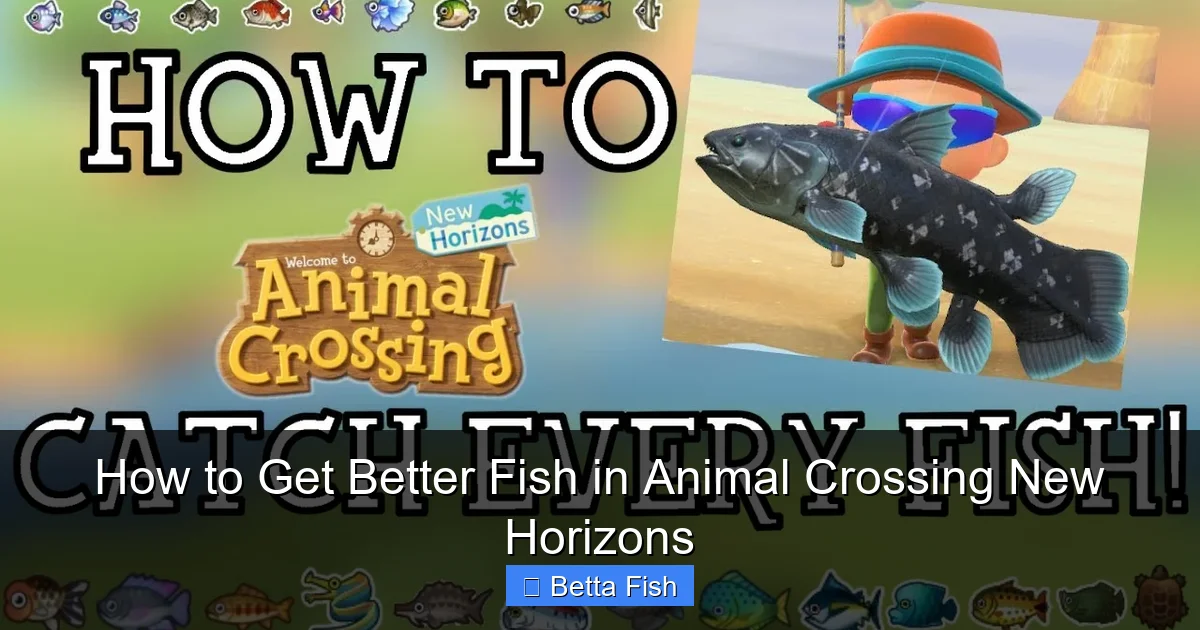
The game’s internal clock determines which species appear. Early mornings (4 AM‑9 AM) and late evenings (4 PM‑9 PM) are prime windows for the rarest fish such as the Coelacanth and Stringfish. Set a reminder on your phone or use the in‑game clock to plan fishing sessions.
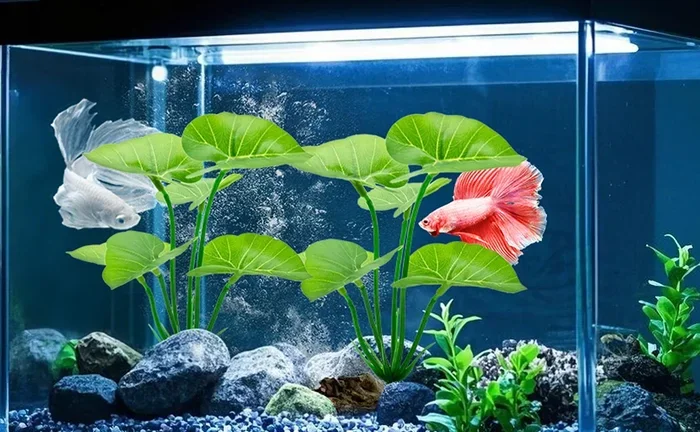
Visual guide about How to Get Better Fish in Animal Crossing New Horizons
Image source: i.ytimg.com
1.2. Rain Improves Your Odds
Rainy weather isn’t just atmospheric; it actually boosts the spawn rate of certain fish. According to research on the community wiki, the Barred Knifejaw and Giant Snakehead are more common when it’s wet. Keep an eye on the weather forecast at the airport or use the “rainy day” tip from Is It Better To Fish In The Rain to plan ahead.
1.3. Seasonal Checklists
Each hemisphere follows its own calendar. For example, the Betta (a real‑world fish, not to be confused with the game’s betta) appears only from March to June in the Northern Hemisphere. Use a printable chart or the in‑game museum app to track which fish are currently available.
2. Choose the Right Spot: Freshwater vs. Ocean
2.1. Freshwater Ponds and Rivers
Most early‑game fish live in rivers and ponds. The Goldfish and Carp are abundant, but to snag the Sturgeon, you’ll need a deeper river section. Look for the darker blue water patches on the map—they indicate deeper areas.

Visual guide about How to Get Better Fish in Animal Crossing New Horizons
Image source: nurie-land.com
2.2. Ocean Edge and Cliffs
The ocean holds the high‑value catches like the Blue Marlin and Ocean Sunfish. Cast from the beach rather than a pier for a longer line and better control. The edge of cliffs often creates a “shadow” where rare fish hide; try casting just beyond the shoreline.
2.3. Secret Hotspots
Some islands hide unique micro‑habitats, such as waterfalls that spawn the Rainbow Trout. Ask friends for island tours or use the How To Get A Better Fishing Rod In Animal Crossing guide to learn how to spot these hidden gems.
3. Upgrade Your Gear: Rods, Bait, and Accessories
3.1. From Old to Gold: The Fishing Rod Upgrade Path
The basic wooden rod is fine for starters, but the Gold Fishing Rod offers a larger casting radius and a reduced bite delay. To obtain it, complete the “Island Tour” quest and trade 30,000 bells with the Nook’s Cranny shop. For a deeper dive, see How To Get A Better Fishing Pole In Animal Crossing for step‑by‑step instructions.
Visual guide about How to Get Better Fish in Animal Crossing New Horizons
Image source: i.pinimg.com
3.2. Bait and Lures
While the game doesn’t have traditional bait, you can simulate a “lure” effect by timing your cast with the in‑game sound cue. Press the “A” button just as the splash appears to increase the chance of a bite.
3.3. Accessories That Help
Wearing the “Fisherman’s Hat” or “Fishing Vest” gives a small morale boost, which translates to a slightly slower fish escape timer. It’s a cosmetic perk, but it feels rewarding!
4. Perfect the Casting Technique
4.1. The “Wiggle” Timing
When a fish bites, a shadow appears on the water. The key is to press “A” when the shadow reaches the leftmost point of the meter. Practice with common fish until you can react in under half a second.
4.2. Adjusting for Distance
Longer casts mean the fish has more room to dodge. If you’re using a Gold Rod, aim for a medium distance (about halfway across the screen) to keep the fish within a comfortable range.
4.3. Practice Sessions
Set aside 10‑minute daily “practice windows” during non‑peak hours. Use the Goldfish as a training target; its quick bites help you sharpen reflexes.
5. Community Resources and Trading
5.1. Online Fish Charts
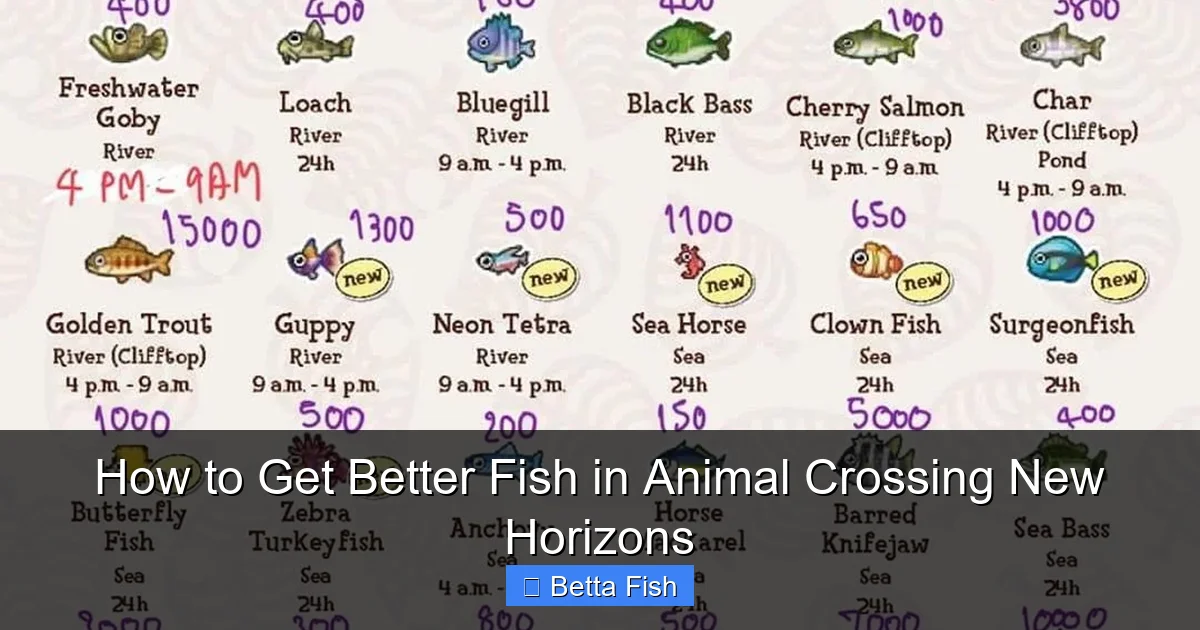
Websites like Animal Crossing Wiki provide printable charts that list fish by month, time, and location. Bookmark a chart and keep it open while you play.
5.2. Friend Island Visits
Visiting friends’ islands can fill gaps in your collection. If a friend lives in the opposite hemisphere, they’ll have fish you can’t catch on your own island. Use the Dodo Code exchange to arrange visits.
5.3. Trading Through the Marketplace
When you’ve caught a duplicate rare fish, consider trading it for a missing species via the in‑game “Turnip” market or Discord trading groups. It’s a fast way to complete the museum.
6. Maintaining Your Fish Collection
6.1. Museum Donations
Every new fish you catch can be donated to the museum. The more diverse your collection, the higher the museum’s rating, which unlocks new island upgrades.
6.2. Selling for Bells
If you’re after bells rather than bragging rights, sell high‑value fish like the Coelacanth (15,000 bells) or Great White Shark (15,000 bells). Keep a record of sale prices to track your profit over time.
6.3. Seasonal Reset
When a new season begins, old fish disappear and new ones appear. Review your collection at the end of each season and plan a “catch‑up” sprint for any missing species.
Conclusion: Your Path to Fishing Mastery
Getting better fish in Animal Crossing: New Horizons isn’t about luck alone; it’s a blend of timing, location knowledge, gear upgrades, and practiced technique. By following the steps outlined—watching the clock, choosing the right spot, upgrading your rod, mastering the wiggle, and tapping into community resources—you’ll soon find your museum shelves brimming with rare catches and your bell pouch overflowing.
Remember, the island is a living world. Weather changes, seasons turn, and friends bring new opportunities. Keep experimenting, stay patient, and enjoy the soothing rhythm of casting your line. Happy fishing!
Frequently Asked Questions
What time of day yields the most rare fish?
Early mornings (4 AM‑9 AM) and late evenings (4 PM‑9 PM) are the best windows for rare catches like the Coelacanth and Stringfish.
Does rain really affect fish spawns?
Yes, rainy weather increases the spawn rate of several rare fish, including the Barred Knifejaw and Giant Snakehead.
Which fishing rod should I aim for first?
The Gold Fishing Rod is the most useful early upgrade because it offers a larger casting radius and quicker bite response.
Can I catch ocean fish from a river?
No, ocean fish only appear in the sea. Cast from the beach or pier for the best chance at catches like the Blue Marlin.
How do I know which fish are available in my hemisphere?
Use an online seasonal chart or the in‑game museum app to check month‑by‑month availability for your specific hemisphere.
Is trading with friends a good way to complete my fish collection?
Absolutely. Visiting friends in the opposite hemisphere or trading duplicates can fill gaps quickly and add variety to your museum.