Why Do Betta Fish

Ever wondered why do betta fish flare, build bubble nests, or change colors? These fascinating behaviors are rooted in nature, territory, and health. Understanding the reasons behind each action helps you provide the best care and enjoy a thriving, vibrant betta.
Key Takeaways
- Territorial instincts: Betta males flare and fight to protect their space.
- Bubble‑nest building: Males create nests as a breeding instinct and to increase oxygen.
- Color changes: Stress, mood, and health can cause dramatic shifts in hue.
- Water quality matters: Poor parameters trigger many odd behaviors.
- Proper diet: Nutrient‑rich food supports bright colors and strong fins.
- Tank setup: Space, plants, and hiding spots reduce aggression.
- Observation is key: Spotting early signs prevents disease and loss.
📑 Table of Contents
- Introduction: The Curious World of Betta Fish
- 1. Why Do Betta Fish Flare? The Language of Aggression
- 2. Why Do Betta Fish Build Bubble Nests?
- 3. Why Do Betta Fish Change Colors?
- 4. Why Do Betta Fish Fight? Understanding Aggression
- 5. Why Do Betta Fish Make Bubbles? The Breath‑Holding Trick
- 6. Why Do Betta Fish Behave Differently in New Environments?
- Conclusion: Embrace the Mystery and Care for Your Betta
Introduction: The Curious World of Betta Fish
Betta fish, often called Siamese fighting fish, are a favorite of beginners and seasoned aquarists alike. Their flamboyant fins, vivid colors, and dramatic personalities make them hard to ignore. But beyond the eye‑catching display lies a suite of behaviors that many owners ask about: why do betta fish flare their gills, build bubble nests, or suddenly turn pale? Understanding these quirks not only satisfies your curiosity—it’s essential for keeping your pet healthy.
In this article we’ll explore the science and natural instincts behind the most common betta actions. We’ll break down each behavior, give practical care tips, and answer the questions you likely have. By the end, you’ll know exactly why do betta fish do what they do, and how to respond like a pro.
1. Why Do Betta Fish Flare? The Language of Aggression
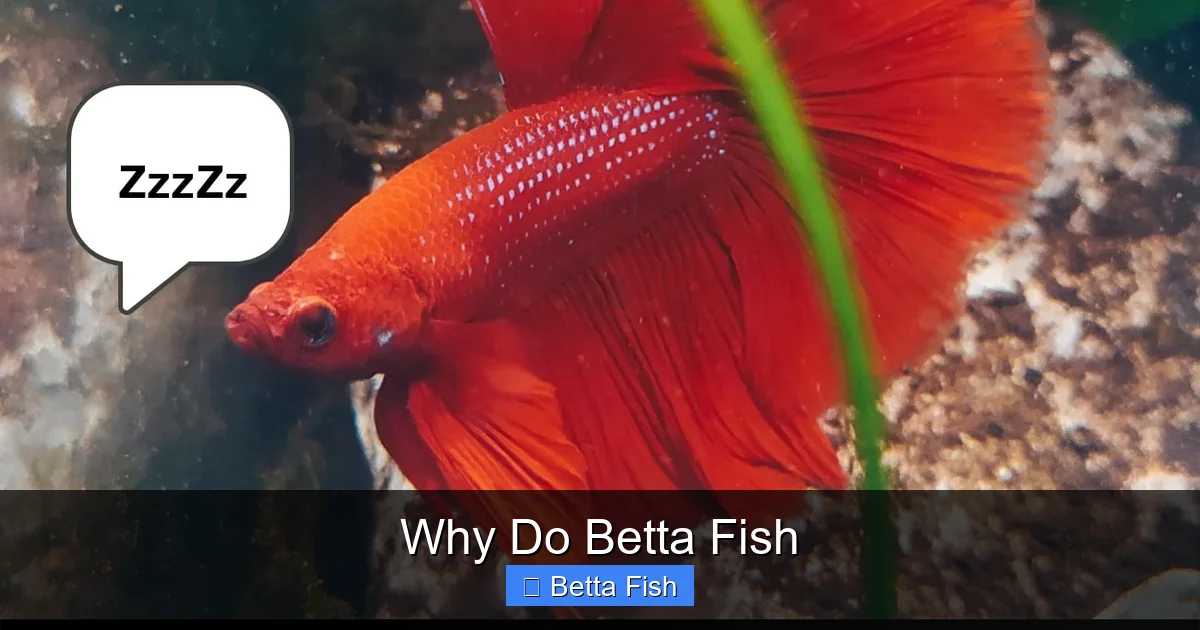
Flare‑ups are the most iconic betta moment. The fish spreads its fins, puffs out its gills, and often swims in circles. This is a clear sign of territorial aggression.
Visual guide about Why Do Betta Fish
Image source: buildyouraquarium.com
Natural purpose
In the wild, male bettas defend a small patch of water that contains a bubble nest. When another male approaches, the resident flares to warn the intruder. The visual display makes the opponent look larger and signals that the space is claimed.
When flaring is healthy
- Brief, occasional flares in a well‑set tank are normal.
- Flare frequency drops when the fish feels secure, has enough space, and isn’t constantly seeing its reflection.
When flaring is a red flag
Constant flaring can indicate stress from poor water quality, a too‑small tank, or a reflective surface that the fish mistakes for a rival. If you notice continuous flare, check the water parameters and consider adding plants or a non‑reflective background.
Practical tip
Cover one side of the tank with a dark, non‑reflective poster or place a small aquarium background. This reduces the “mirror” effect that often triggers unnecessary flares.
2. Why Do Betta Fish Build Bubble Nests?
One of the most endearing sights is a male betta swimming to the water’s surface, blowing bubbles, and arranging them into a floating raft. This behavior answers the question, why do betta fish make bubble nests?
Visual guide about Why Do Betta Fish
Image source: bettafish.org
Breeding instinct
In nature, male bettas construct a nest to protect fertilized eggs and provide oxygen. The nest floats just under the surface, where the water is warmest and most oxygen‑rich.
Signs of a healthy nest
- Clear, tightly packed bubbles forming a circular or oval shape.
- Male stays near the nest, guarding it without frantic swimming.
When the nest stops appearing
If your betta suddenly stops making a nest, it could be a sign of stress, illness, or unsuitable water temperature. For more details on nest‑related issues, see our guide on why did my betta fish stop making a bubble nest.
Practical tip
Maintain water temperature between 78‑80°F (25‑27°C). Warm water encourages bubble‑nest building. A small piece of floating leaf or a smooth plant leaf can also give the male a place to anchor his nest.
3. Why Do Betta Fish Change Colors?
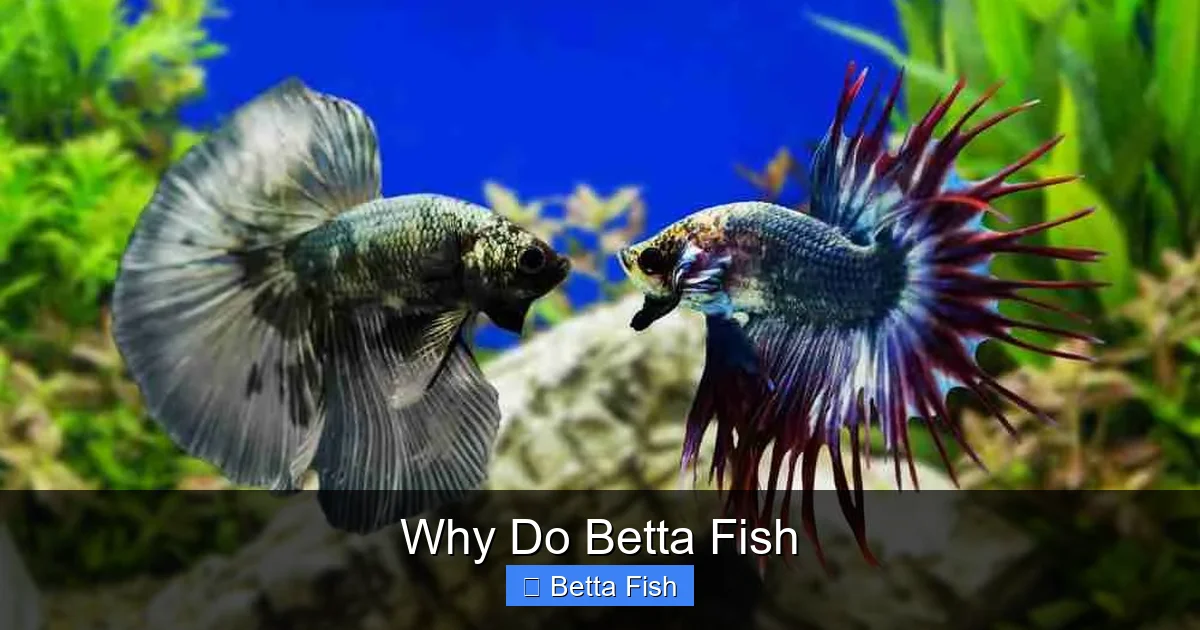
Betta fish are famous for their shimmering hues, but owners often wonder, why do betta fish change colors so dramatically.
Visual guide about Why Do Betta Fish
Image source: fishkeepingwisdom.com
Stress‑induced fading
When a betta feels threatened—by a new tank mate, a sudden temperature shift, or poor water quality—its pigments can contract, causing the fish to appear paler or even turn white.
Mood and excitement
During courtship or when a male successfully builds a bubble nest, the fish may display brighter, more intense colors. The extra pigment is a visual cue to attract a female.
Health signals
Sudden, prolonged color loss may indicate disease, parasites, or nutritional deficiencies. If your betta’s colors fade and stay faded, check for other symptoms like clamped fins or loss of appetite.
Practical tip
Feed a varied diet rich in carotenoids (e.g., high‑quality betta pellets, occasional brine shrimp, and daphnia). Carotenoids boost red and orange pigments, keeping the fish vibrant.
4. Why Do Betta Fish Fight? Understanding Aggression
Many newcomers ask, “why do betta fish fight?” The answer lies in their territorial nature and the myth of “fighting fish.”
Male vs. male
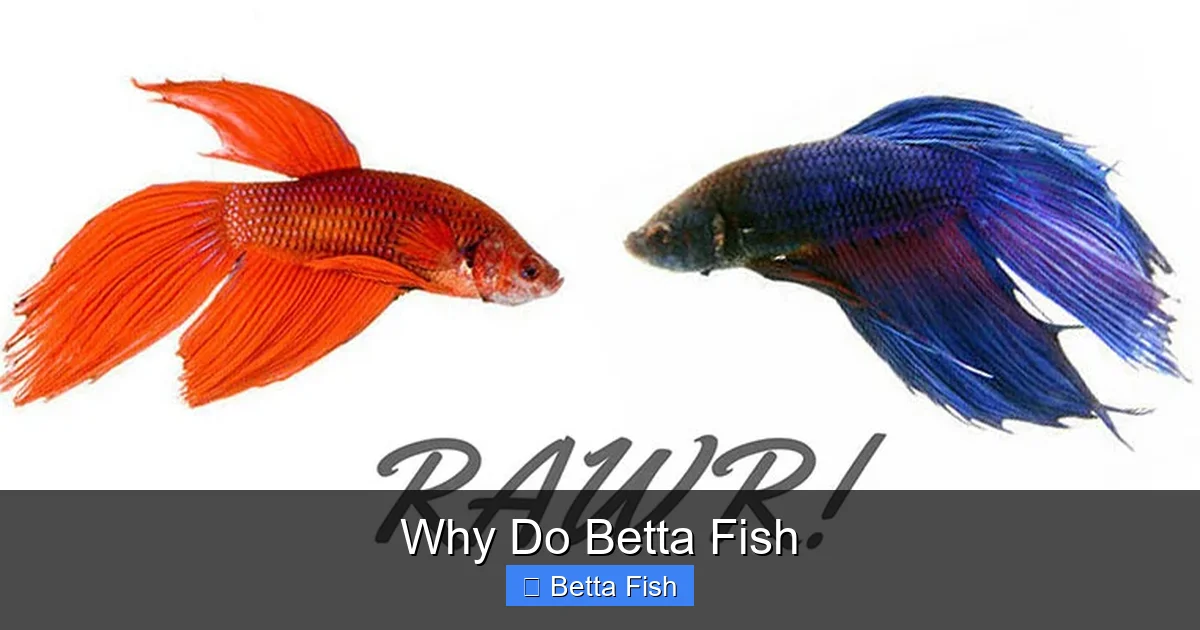
Male bettas are solitary by nature. In the wild they occupy isolated puddles, each defending its own domain. When two males share a space, they will flare, lock fins, and sometimes bite.
Female aggression
Females can also be aggressive, especially if they’re not accustomed to tank mates. However, they are generally less territorial than males.
Preventing fights
- Never house two males together unless you set up a divided tank.
- Provide plenty of plants, caves, and visual barriers.
- Keep the tank at least 5 gallons for a single betta; larger tanks reduce stress.
When a fight becomes deadly
If you notice constant chasing, torn fins, or blood, separate the fish immediately. For a deeper dive into aggression, read our article on why do betta fish fight.
5. Why Do Betta Fish Make Bubbles? The Breath‑Holding Trick
Seeing a betta surface and release a stream of bubbles can be puzzling. The simplest answer to why do betta fish make bubbles is that they are “labyrinth fish.”
Labyrinth organ
Betta fish possess a specialized labyrinth organ that allows them to gulp air from the surface. The excess air is expelled as bubbles, often forming a floating “bubble curtain.” This helps them survive in low‑oxygen waters.
Benefits of bubbling
- Increases oxygen exchange at the water’s surface.
- Creates a visual display that can intimidate rivals.
- Assists in bubble‑nest construction for breeding males.
When bubbling indicates a problem
Excessive bubbling combined with gasping at the surface may signal low dissolved oxygen. Ensure your filter is running well and consider adding an air stone.
Practical tip
Place a small piece of smooth slate or a leaf near the surface. This gives the betta a platform to rest while breathing, reducing stress.
6. Why Do Betta Fish Behave Differently in New Environments?
Moving a betta to a new tank can trigger a range of behaviors—flaring, hiding, or even refusing to eat. Understanding “why do betta fish” react this way helps you make a smoother transition.
Acclimation stress
Sudden temperature changes, different water chemistry, or a new décor can overwhelm a betta’s senses. The fish may hide under decorations or stay near the surface as a coping mechanism.
Establishing territory
Once settled, the betta will explore, claim favorite spots, and may start building a bubble nest if conditions are right.
Tips for a gentle move
- Float the bag containing the betta in the new tank for 15‑20 minutes to equalize temperature.
- Drip‑add a small amount of new water to the bag every 5 minutes for an hour.
- Introduce live plants or a silk leaf to give immediate hiding places.
Conclusion: Embrace the Mystery and Care for Your Betta
Now you know the core reasons behind the most common betta behaviors: flaring for territory, building bubble nests for breeding, changing colors to signal mood or health, and making bubbles to breathe. Each action is a window into the fish’s natural world. By providing proper water conditions, a spacious and enriched tank, and a balanced diet, you’ll see fewer stress‑related behaviors and more of the vibrant displays that make bettas so captivating.
Remember, observation is your best tool. When you notice a new behavior, ask yourself “why do betta fish do this?” and then check water parameters, diet, and environment. With a little knowledge and care, your betta will thrive, and you’ll enjoy a colorful, active companion for years to come.
Frequently Asked Questions
Why does my betta fish flare when I look at it?
Flare is a territorial response. Your betta sees your reflection as a rival and tries to intimidate it. Reducing reflections with a non‑shiny background helps calm the fish.
Why is my betta building a bubble nest but not spawning?
Building a nest shows the male is ready, but spawning also requires a healthy female, proper temperature (78‑80°F), and good water quality. Ensure both fish are well‑fed and the tank is stable.
Why does my betta’s color fade after a water change?
Sudden changes in temperature or pH can stress the fish, causing temporary pigment contraction. Keep water changes gradual and maintain stable parameters.
Why does my betta keep making bubbles at the surface?
Betta fish use their labyrinth organ to breathe air. Regular bubbling is normal and helps increase oxygen, especially in warm water.
Why is my betta not eating after I introduced a new plant?
New décor can cause short‑term stress. Give your betta a day or two to adjust, then offer a familiar food like freeze‑dried brine shrimp.
Why does my betta hide under the lid when I turn on the lights?
Bright lights can be startling. Provide shaded areas with plants or decorations, and consider using a dimmer or a timer for gradual lighting.