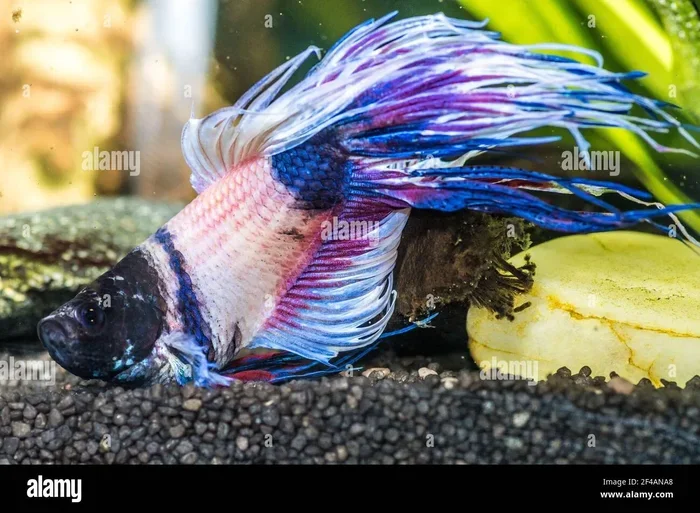
How to Betta Fish Mate

Learning how to betta fish mate takes patience, the right setup, and a little know-how. This guide walks you through every step of the betta fish breeding process, from recognizing mating signs to caring for betta fry. You will learn how to create the ideal breeding environment and avoid common mistakes that harm your fish.
Betta fish are some of the most beautiful and fascinating freshwater pets you can keep. If you have been wondering how to betta fish mate, you are in the right place. Breeding bettas is a rewarding experience, but it does require preparation and attention to detail. This guide breaks down everything you need to know about betta fish breeding, from recognizing mating signs to raising healthy fry.
Whether you are a first-time betta owner or a seasoned hobbyist, understanding the betta fish mating process helps you set your fish up for success. You will learn how to create the right environment, identify male and female readiness, and care for eggs once they arrive. Let us dive into the world of betta spawning and make sure you are fully prepared.
Key Takeaways
- Know the signs: Understanding betta fish mating behavior helps you time the breeding process correctly.
- Prepare the tank: A proper breeding setup with the right water conditions is essential for successful betta spawning.
- Condition both fish: Feeding high-quality food before mating improves the health of betta fish eggs and fry.
- Watch the courtship: The bubble nest and chase behavior are clear indicators that your bettas are ready to breed.
- Care for the eggs: Removing the parents after spawning protects the betta fish eggs from being eaten.
- Avoid common errors: Rushing the process or skipping tank preparation leads to stress and failed breeding attempts.
📑 Table of Contents
- Understanding Betta Fish Mating Behavior
- Preparing for Breeding: Setting Up the Right Environment
- How to Tell If Your Betta Fish Is Ready to Mate
- The Mating Process: Step by Step
- Caring for Betta Fish Eggs and Fry
- Common Mistakes to Avoid When Breeding Betta Fish
- Expert Tips for Successful Betta Breeding
- Conclusion
Understanding Betta Fish Mating Behavior
Before you start breeding, it helps to understand how betta fish mate in the wild and in captivity. Betta fish mating behavior follows a natural sequence that includes courtship, spawning, and egg care. The male betta plays a big role in this process, especially when it comes to building a bubble nest.
The Role of the Male Betta
The male betta fish is the architect of the breeding process. He builds a bubble nest at the surface of the water using saliva and tiny air bubbles. This nest holds the eggs once the female releases them. A healthy male will build a strong, thick nest that shows he is ready to mate.
If your male betta is not building a bubble nest, he may not be ready. Stress, poor water conditions, or incorrect temperature can all interfere with this natural behavior. Make sure the betta fish water is warm and clean before introducing a female.
The Role of the Female Betta
The female betta fish releases eggs during spawning. She will carry eggs inside her body until she is ready to release them. A healthy female betta will have a visible white spot called an ovipositor near her underside. This is one of the clearest betta fish mating signs to watch for.
Not all female bettas are ready to breed at the same age. Learning how to tell the age of a female betta fish can help you pick the right fish for breeding. A female that is too young or too old may not produce healthy eggs.
Betta Fish Courtship Rituals
Courtship is the dance between the male and female betta. The male will flare his fins and wrap his body around the female. This squeezing motion encourages the female to release her eggs. The male then fertilizes them immediately. This whole process can last anywhere from a few hours to a full day.
During courtship, you may notice the male and female chasing each other. Some mild chasing is normal. But if either fish shows signs of extreme stress, you should separate them right away. How to treat a stressed betta fish should be on your mind at all times during breeding.
Preparing for Breeding: Setting Up the Right Environment
A proper setup makes all the difference when you want to how to betta fish mate successfully. You cannot just drop a male and female into any tank and expect good results. The breeding environment needs to be clean, warm, and safe for both fish.
Choosing the Right Tank Size
A breeding tank should be at least 10 gallons. This gives both fish enough room to move without feeling crowded. A smaller tank increases stress and can lead to aggression. If you do not have a breeding tank yet, how to set up a fish tank for betta fish is a great resource to get started.
Make sure the tank has a gentle filter. Strong currents can destroy the bubble nest and tire out the fish. A sponge filter works well because it provides filtration without creating too much flow.
Water Temperature and Conditions
Betta fish breeding happens best in warm water. Keep the temperature between 78 and 82 degrees Fahrenheit. How to keep water warm for betta fish is essential during this process. A reliable heater with a thermostat will help you maintain a stable temperature.
The water pH should be between 6.5 and 7.0. Soft, slightly acidic water mimics the natural breeding habitat of wild bettas. You should also perform a water change before introducing the breeding pair. Clean water reduces the risk of infections and keeps both fish healthy.
Adding Plants and Hiding Spots
Live or silk plants give the female places to hide during courtship. Bettas can be aggressive during mating, and the female needs a safe escape. Java moss and floating plants also help support the bubble nest.
Avoid sharp plants or rough decorations. The female betta’s fins are delicate, and rough surfaces can cause damage. Keep the tank dimly lit as well, since bright lights can stress the fish during breeding.
How to Tell If Your Betta Fish Is Ready to Mate
Knowing when your fish are ready is one of the most important parts of betta fish breeding. Rushing the process can lead to injury or failed spawning. Watch for these signs in both the male and female betta.
Signs the Male Is Ready
- Bubble nest building: The male starts creating a nest at the water surface. This is the number one sign he is ready to breed.
- Flaring and dancing: A ready male will flare his gills and perform a display dance near the female.
- Bright colors: A healthy male betta shows vibrant colors when he is in breeding condition.
- Active behavior: He will swim near the surface and seem more energetic than usual.
Signs the Female Is Ready
- Ovipositor spot: A small white tube near the female’s vent shows she is carrying eggs.
- Vertical stripes: Breeding-ready females develop faint vertical bars on their bodies.
- Swollen belly: A slightly rounded belly indicates the female is full of eggs.
- Curved response to the male: She will curve her body toward the male during courtship instead of fleeing.
If you are unsure whether your female is ready, how to know female betta fish can help you identify the right fish for breeding. Picking a healthy, mature female greatly increases your chances of successful spawning.
Age and Health Considerations
Both fish should be at least 4 to 6 months old before breeding. The male should be larger than the female, ideally about the same size or slightly bigger. A healthy diet of high-quality pellets, frozen bloodworms, and brine shrimp prepares both fish for the breeding process.
The Mating Process: Step by Step
Now that your fish are ready and the tank is set up, it is time to introduce them. The betta fish mating process follows a clear sequence. Let us walk through it step by step.
Step 1: Introduce the Pair Gradually
Place the male and female in separate containers within the same tank. This lets them see each other without physical contact. Watch their reactions. If the male builds a bigger bubble nest and the female shows interest, they are ready for direct introduction.
Step 2: Allow Courtship to Begin
Once you introduce them into the breeding tank, the male will start chasing the female. This is normal. He will try to guide her toward the bubble nest. The courtship dance includes flaring, circling, and gentle biting of the female’s fins.
Do not panic if you see some fin nipping. It is part of the natural process. However, if the female looks injured or is being chased nonstop, separate them briefly and try again later.
Step 3: Watch for Spawning
The male will wrap his body around the female during spawning. The female will release eggs, and the male will fertilize them right away. This can happen several times over a few hours. Each time, the male collects the eggs and places them in the bubble nest.
After spawning is complete, the female will look tired. Remove her from the tank immediately. The male will take care of the eggs and the nest. Leaving the female in the tank risks her eating the eggs or attacking the male.
Step 4: Male Egg Care
The male betta will guard the bubble nest and collect any eggs that fall. He may also repair the nest if it breaks. Do not disturb the tank during this time. Keep the lights dim and avoid making sudden noises or movements near the tank.
The eggs will hatch in about 24 to 48 hours. The male will continue to care for the fry for the first few days after hatching. Once the fry are free-swimming, you can remove the male as well.
Caring for Betta Fish Eggs and Fry
Once the eggs are safely in the bubble nest, your job shifts to protecting and feeding the developing fry. Betta fry care requires patience and consistent attention.
Hatching and Early Development
The eggs will hatch within one to two days. For the first 24 hours, the fry will absorb their yolk sacs for nutrition. Do not feed them during this time. After the yolk sac is absorbed, they will need tiny foods like infusoria or liquid fry food.
As the fry grow, you can introduce baby brine shrimp and micro worms. These foods are rich in protein and help the fry develop strong bodies. Feed small amounts several times a day, but remove any uneaten food to keep the water clean.
Water Maintenance for Fry
Clean water is critical for betta fry survival. Perform small water changes of about 10 to 20 percent every day. Use a turkey baster to remove debris without sucking up the tiny fry. Maintain the same warm temperature the parents enjoyed during breeding.
As the fry grow, you can slowly increase the water volume and transition them into a larger grow-out tank. How to transfer betta fish to a new tank is a helpful guide when the time comes to move them.
When to Separate Fry by Size
Betta fry grow at different rates. Larger fry may try to eat smaller ones if food is scarce. Once you notice size differences, separate the fry into different containers based on their size. This ensures every fish gets enough to eat and grows up healthy.
Common Mistakes to Avoid When Breeding Betta Fish
Breeding bettas can go wrong if you skip important steps. Here are the most common mistakes hobbyists make when trying to mate betta fish.
Skipping the Conditioning Phase
Feeding both fish a nutrient-rich diet before breeding is not optional. Fish that are not properly conditioned produce fewer eggs or weaker fry. Spend at least two weeks feeding high-quality live or frozen foods before introducing the pair.
Using the Wrong Tank Setup
A bare tank with no plants or hiding spots causes unnecessary stress. The female needs places to retreat, and the bubble nest needs support from floating plants. A well-planted breeding tank leads to better results.
Leaving the Female in Too Long
Some beginners make the mistake of leaving the female in the tank after spawning. She may attack the male or eat the eggs. Always remove the female as soon as spawning is complete. The male handles all parental duties from that point on.
Ignoring Water Quality
Dirty water leads to infections, fungus on eggs, and fry death. Test your water parameters regularly and perform frequent small water changes. How to properly take care of betta fish and maintain excellent water quality should be a habit every betta owner follows.
Rushing the Introduction
Forcing a male and female together before they show signs of readiness can lead to injury. The gradual introduction method exists for a reason. Be patient and let the fish set the pace. If they are not ready today, try again tomorrow.
Expert Tips for Successful Betta Breeding
Here are a few extra tips that experienced breeders swear by. These small details can make a big difference in your betta fish breeding success rate.
- Use a divider first: Let the pair see each other through a tank divider for a few days before direct contact. This builds anticipation and reduces shock.
- Feed live food on breeding day: A small feeding of live brine shrimp right before introducing the pair can stimulate breeding behavior.
- Keep the tank covered: Betta fry need humid air above the water to develop proper labyrinth organs. A tight-fitting lid or plastic wrap over the tank helps.
- Document the process: Take photos or videos of the bubble nest and spawning. You will learn a lot from reviewing your own footage.
- Be ready for failure: Not every breeding attempt succeeds. Even experienced breeders deal with failed spawns. Learn from each attempt and improve your setup.
Breeding betta fish is both an art and a science. With the right knowledge, a clean tank, and healthy fish, you can successfully raise betta fry from eggs to free-swimming juveniles. The process takes time and patience, but the reward of watching new life thrive is incredibly satisfying.
Remember that every breeding experience teaches you something new. Pay attention to your fish, keep the water clean, and never rush the process. If you ever need guidance on related topics, check out how to properly care for betta fish or how to set up a fish tank for betta fish for more helpful advice. Happy breeding!
Conclusion
How to betta fish mate successfully comes down to preparation, patience, and observation. You now know the signs of a ready male and female, how to set up a breeding tank, and what to do after the eggs are laid. Each step of the betta fish mating process plays a vital role in producing healthy fry.
Start with a clean, warm tank. Condition your fish well. Watch for the natural courtship behaviors that signal readiness. And most importantly, give your fish the space and calm environment they need to complete the process on their own. With these guidelines, you are well on your way to becoming a confident betta breeder.
Frequently Asked Questions
How long does the betta fish mating process take?
The entire process from courtship to spawning usually takes a few hours to a full day. After spawning, the male will care for the eggs for about two to three days until they hatch. The whole breeding cycle, from introduction to free-swimming fry, can take one to two weeks.
Can you breed betta fish in a bowl?
It is not recommended to breed bettas in a bowl. A dedicated breeding tank of at least 10 gallons gives the fish enough space and allows you to control water conditions properly. A bowl is too small and makes it difficult to manage the breeding process safely.
Why is my male betta not building a bubble nest?
A male betta may not build a bubble nest if the water temperature is too low, if he is stressed, or if he is not yet mature. Make sure the water is between 78 and 82 degrees Fahrenheit and that the tank is clean. Sometimes it simply takes time for a male to reach breeding readiness.
How many eggs does a female betta fish lay at once?
A healthy female betta can lay anywhere from 30 to 100 eggs in a single spawning session. The number depends on her age, size, and overall health. Not all eggs will hatch, and not all fry will survive, so expect some natural loss during the process.
Should I separate the male and female after breeding?
Yes, you should remove the female immediately after spawning is complete. The male will become aggressive toward her, and she may eat the eggs. The male will care for the nest alone until the fry are free-swimming, at which point you can remove him as well.
What should I feed betta fry?
Start with infusoria or liquid fry food for the first week. After that, introduce baby brine shrimp and micro worms. Feed small amounts several times a day and remove any uneaten food. As the fry grow, you can gradually transition them to crushed betta pellets.