Which Betta Fish Fight
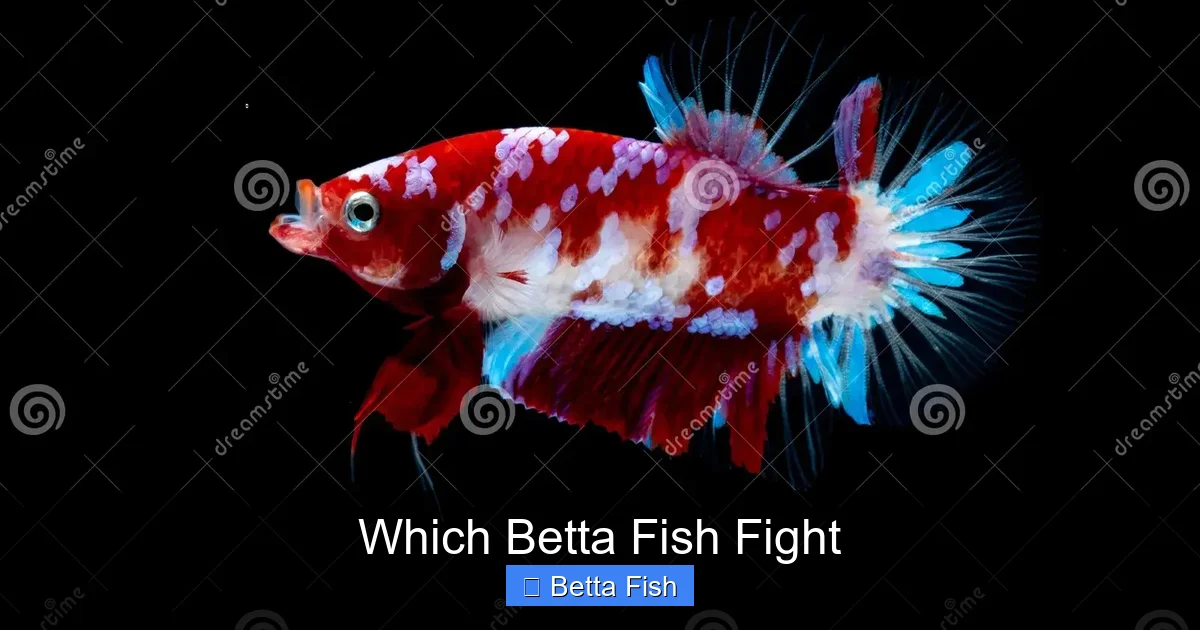
Not all betta fish are fighting fish, but aggression is a key trait in many. Male Siamese fighting fish are famously territorial and will attack other males, and sometimes their own reflections. Female bettas can also be aggressive, though less predictably, and can be kept in carefully managed groups called sororities. Understanding the specific genetics, environment, and individual personality of your betta is crucial to answering “which betta fish fight?” and preventing dangerous conflicts in your tank.
So, you’re looking at that beautiful, flowing betta fish at the pet store, mesmerized by its colors. You might have heard the nickname “Siamese fighting fish” and wondered, which betta fish fight? Is it all of them? Just the males? Could you keep two together in a big tank? These are the most common and critical questions for any prospective betta owner. The answer, like with most things in life, is nuanced. It’s not simply a matter of gender, but a complex interplay of genetics, environment, and individual temperament. Let’s dive deep into the world of betta aggression to give you a clear, actionable understanding.
The short, vital answer is: primarily male Betta splendens are programmed to fight. This instinct was honed over centuries in the wilds of Thailand’s rice paddies, where males would fiercely defend small territories. Humans then selectively bred this trait for gambling matches, creating the ultimate combatant. However, the story doesn’t end there. Female bettas, certain male varieties, and even environmental factors all play a significant role in determining which betta fish will fight. Our goal is to move beyond the stereotype and give you the knowledge to provide a safe, stress-free life for your betta, whether it’s a lone showpiece or part of a carefully curated community.
Key Takeaways
- Male Bettas Are the Primary Risk: Wild-type and most domesticated male Betta splendens are genetically predisposed to extreme territorial aggression toward other males and must be housed alone.
- Female Bettas Can Be Aggressive Too: While less consistently aggressive than males, individual females can be bullies, and sorority tanks require expert setup and monitoring to succeed.
- Aggression Is Triggered by Environment: Small tanks, lack of hiding spots, reflections, and poor water conditions dramatically increase stress and fighting likelihood, regardless of gender.
- Not All “Fighting” Is the Same: Flaring (displaying) is a warning, while fin-nipping and biting are active attacks. Understanding these signs is key to prevention.
- Breeding Line Matters: Bettas bred for decades for ornamental traits (like Halfmoons) may have slightly reduced aggression compared to Plakats or wild-types, but the instinct remains strong.
- Never House Males with Females: Except for controlled, supervised breeding, a male will relentlessly harass and often kill a female, and cohabitation is a recipe for disaster.
- Individual Personality Is a Huge Factor: Some bettas are naturally docile “community” fish, while others are relentless fighters. Observation is your best tool.
📑 Table of Contents
- The Unquestionable Aggressor: Male Betta splendens
- The Surprising Truth About Female Betta Aggression
- The Hidden Triggers: Why “Peaceful” Bettas Start Fighting
- Debunking Myths: What “Fighting” Is Not
- Practical Guide: Identifying and Preventing Betta Fights
- Conclusion: Responsible Ownership Means Knowing the Truth
The Unquestionable Aggressor: Male Betta splendens
When you hear “betta fish fight,” this is the image that comes to mind. And for good reason. The male Siamese fighting fish is the iconic, solitary warrior of the aquarium world. Its aggression is not a myth; it’s a biological reality backed by millennia of evolution and selective breeding.
The Genetic Blueprint for Battle
Male bettas have a specific gene that triggers extreme territorial behavior toward other males. This isn’t just about dislike; it’s a primal drive to eliminate competition. In the confined space of an aquarium, this drive has nowhere to go but toward any perceived rival. This includes:
- Other male bettas: The most obvious and dangerous threat. Two males in the same tank will almost certainly fight to the death.
- Their own reflection: Bettas do not recognize themselves in a mirror. They see a rival male and will flare (spread their gills and fins) and attack the glass, often injuring themselves.
- Any fish with long, flowing fins: Males see the flowing fins of guppies, fancy goldfish, or other bettas as the挑衅 of another male and may relentlessly nip and chase them.
- Even females (in most cases): A male will view a female as a threat to his territory or, during breeding, as an object of relentless pursuit that can stress her to death.
The famous “betta in a vase” or “betta in a mug” marketing is a direct result of this aggression. They are sold as solitary, decorative pieces because that is the only safe way to house a typical male.
Do All Male Bettas Fight the Same?
While the aggression instinct is universal, its intensity varies. This is where breeding lines come into play:
- Plakat (PK): These are the “original” fighting bettas, with short, sturdy fins. They are often considered the most aggressive and active, bred for combat stamina. They are more likely to engage in prolonged flaring and chasing.
- Halfmoon (HM), Double Tail, Crown Tail, etc.: These are the show bettas, bred for spectacular finnage and color. Generations of selective breeding for appearance, rather than aggression, may have slightly dampened the “fighter” instinct in some lines, but it is absolutely still present. A beautifully flowing Halfmoon will flare and attack a rival with just as much deadly intent as a Plakat, even if it tires more quickly due to its heavy finnage. Never assume a fancy betta is less aggressive.
Practical Tip: When choosing a male betta, observe it at the store. A fish that is flaring at its neighbors through the divider or constantly displaying is likely more reactive. A calmer, more curious fish might be a better candidate for a carefully selected community tank, but the risk is never zero.
The Surprising Truth About Female Betta Aggression
For years, the common wisdom was: “Male bettas fight, females are peaceful.” This is a dangerous oversimplification. Female Betta splendens possess the same aggressive genetic potential as males, but it is expressed differently and less predictably. They are not docile by default.
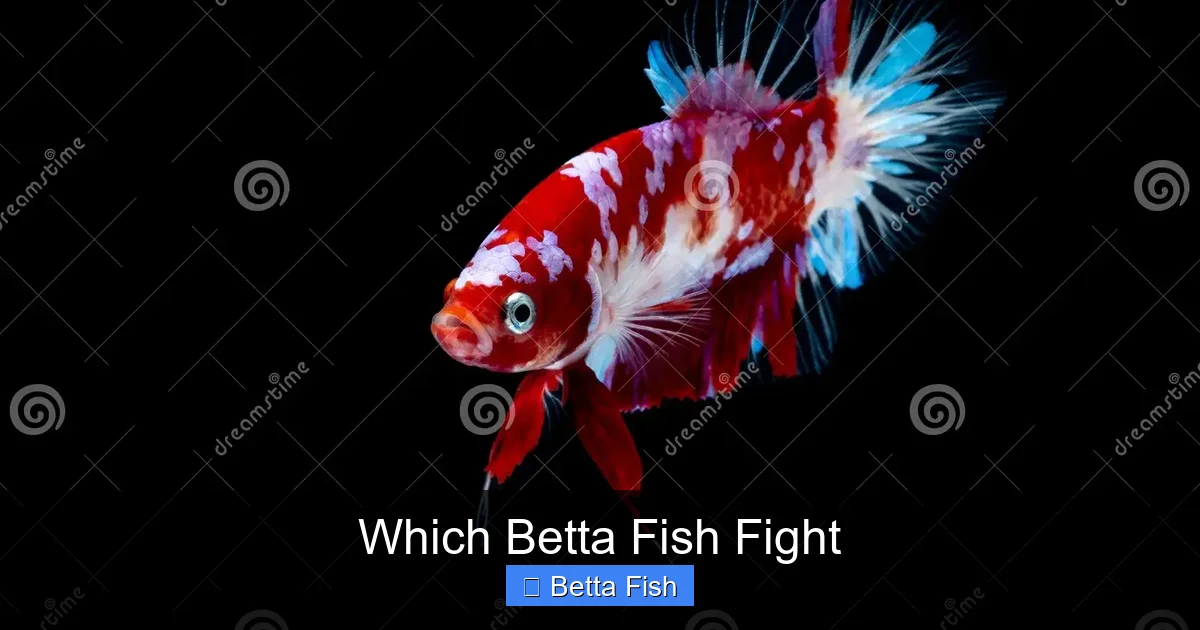
Visual guide about Which Betta Fish Fight
Image source: thumbs.dreamstime.com
Female Sororities: A High-Risk, High-Reward Setup
The concept of a “betta sorority”—a group of 4-6 female bettas living together—is popular online. It can work, but it is an advanced, high-maintenance setup, not a beginner’s project. Success depends entirely on:
- Tank Size: Absolute minimum is a 20-gallon long tank (30+ inches of swimming space). More space allows subordinates to escape bullies.
- Simultaneous Introduction: All females must be added to a fully cycled, decorated tank at the exact same time. Introducing a new betta to an established sorority is a guaranteed death sentence for the newcomer.
- Dense, Strategic Planting: The tank must be heavily planted with live or silk plants, providing vertical and horizontal sight breaks. No open swimming areas. Betta bulbs, Java fern, Anubias, and floating plants like water lettuce are essential.
- Abundant Hiding Spots: Use caves, bamboo, driftwood, and pots to create a labyrinthine environment.
- Constant, Vigilant Monitoring: You must watch for signs of bullying: one fish being chased relentlessly, fins being nipped, hiding constantly, or loss of appetite. The first 72 hours are the most critical. A bully must be removed immediately to prevent the victim from being stressed to death.
Even in a perfect setup, sororities can collapse overnight. A previously peaceful hierarchy can shift, causing a previously subordinate betta to become a tyrant. This is a “keeper beware” scenario.
The Lone Female: Often the Safest Choice
For 99% of hobbyists, the best and safest choice for a female betta is to house it alone. A single female in a 5-gallon (or larger) planted tank is a stunning, low-stress pet. She will exhibit all the beautiful behaviors—bubble nesting, exploring, flaring at you—without the constant threat of being attacked or needing to bully others. If you want a community with a female betta, she should be the last fish added to a well-established tank of small, fast, non-fin-nipping species (like a school of neon tetras or harlequin rasboras in a 20+ gallon), and even then, her behavior must be watched closely.
The Hidden Triggers: Why “Peaceful” Bettas Start Fighting
This is the section that answers a crucial follow-up question: which betta fish fight in my specific tank? Even a genetically docile betta can become aggressive under the wrong conditions. Aggression is often a symptom of stress, not just a innate trait.
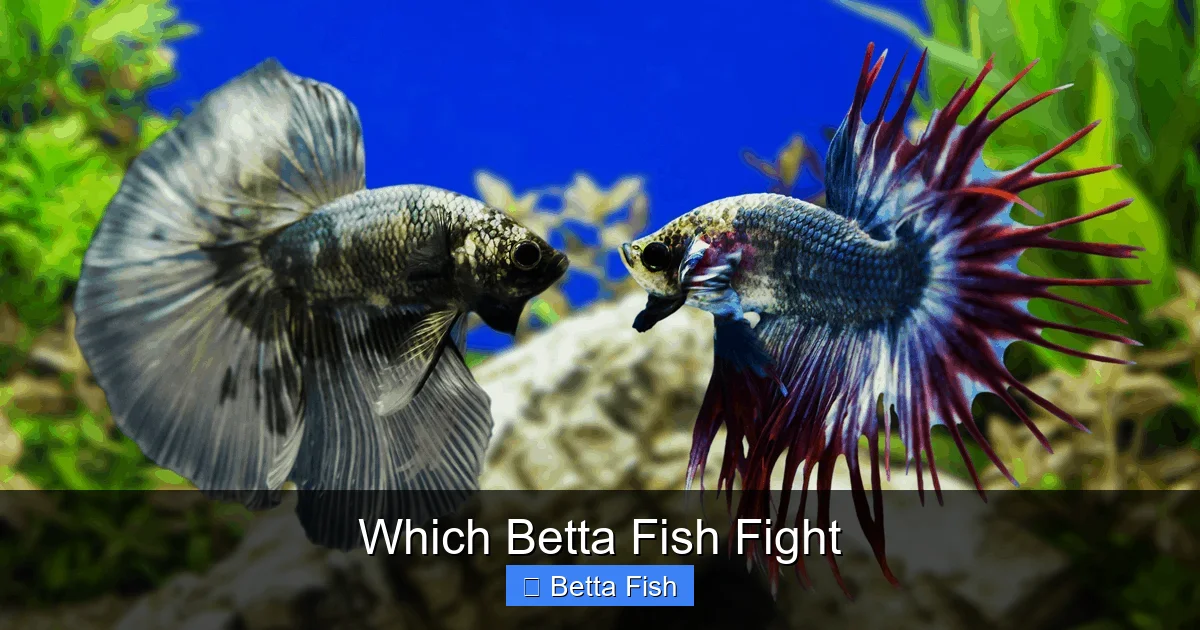
Visual guide about Which Betta Fish Fight
Image source: japanesefightingfish.org
Tank Size and Environment: The #1 Culprit
Confined space is the single biggest trigger for aggression in any fish, but especially territorial bettas. A betta in a 1-gallon bowl has no option but to be aggressive because its entire world is a “territory” that any intruder immediately violates. In a properly sized, heavily planted 10-gallon tank, a betta has room to establish a territory with defined boundaries and escape routes. The environment must provide:
- Visual Barriers: Plants, driftwood, and decorations that break the line of sight. This prevents a betta from constantly seeing a tankmate as a rival in its space.
- Horizontal and Vertical Space: Bettas are labyrinth fish that prefer the top half of the water column. Provide floating plants and tall plants that reach the surface.
- A Defined Territory: A betta will claim a specific area (often behind a plant or near a filter outflow). Ensure other fish have their own spaces.
The Reflection Trap
As mentioned, a betta seeing its reflection is a constant source of stress and aggressive display. This can lead to:
- Exhaustion from constant flaring.
- Self-inflicted injuries from ramming the glass.
- Damage to delicate fins from excessive flaring.
Solution: Use a solid background on the outside of the tank (not a sticker, which can peel and create more reflections). Ensure the room lighting is even. If a betta is obsessed with its reflection, temporarily cover the tank sides with paper to break the visual cue. Never use a mirror as a “toy” for a betta—it causes immense stress.
Water Quality: The Silent Stressor
Poor water conditions (high ammonia/nitrite, unstable pH, dirty water) are a massive, often overlooked cause of irritability. A stressed, physically uncomfortable fish has a much lower threshold for aggression. A healthy betta in pristine water is more likely to be calm and curious. A sick or uncomfortable betta will be snappish and reactive. Regular water changes (25-50% weekly in a filtered tank) and a proper nitrogen cycle are non-negotiable for a peaceful betta.
Debunking Myths: What “Fighting” Is Not
To truly understand which betta fish fight, we must separate fact from popular fiction. Many aquarium myths lead owners into dangerous situations.

Visual guide about Which Betta Fish Fight
Image source: sharksinfo.com
Myth 1: “My Betta Is a ‘Community Betta’ and Will Be Fine with Others.”
While some individual bettas are notably less reactive, there is no such thing as a “community betta” breed. Any betta, regardless of initial temperament, can have its tolerance shattered by a new tankmate, a change in water, or simply growing older. Labeling a betta as “community-safe” is a gamble with other fish’s lives. You must have a backup plan (a separate hospital tank) and be prepared to remove the betta at the first sign of trouble.
Myth 2: “If They Flare at Each Other, That’s Just Playing.”
Flaring is a serious threat display. It is the equivalent of two dogs bearing their teeth and growling. It is not play. It is the first stage of a conflict. If two bettas are constantly flaring at each other through a divider, they are under immense stress and must be separated. Prolonged flaring leads to exhaustion and suppressed immune systems.
Myth 3: “Bettas Only Fight Other Bettas.”
While other bettas are the primary target, a hostile male will often target any fish with prominent fins (guppies, fancy guppies, some angelfish) or slow, flowing movements. They may also harass bottom-dwellers like corydoras if they feel their territory is invaded. Compatibility is not about species alone; it’s about individual personality and tank layout.
Myth 4: “A Bigger Tank Means I Can Keep Two Males Together.”
This is a persistent and fatal myth. No tank size is large enough for two male bettas to coexist peacefully. Their instinct is to eliminate the rival, not share space. Even in a 100-gallon tank, two males will eventually find each other and fight. The only exception is a tank divided with a solid, sealed divider that allows no water or visual contact, essentially creating two separate tanks.
Practical Guide: Identifying and Preventing Betta Fights
Knowledge is power, but action is everything. Here is your actionable toolkit for preventing fights before they start and intervening if they do.
Pre-Flight Checklist: Before Adding Any Tankmate
If you are considering tankmates for a betta (male or female), run this checklist:
- Species Selection: Choose small, fast, non-fin-nicking, tropical fish that occupy different swim levels. Good candidates: neon/cardinal tetras (school of 6+), harlequin rasboras, ember tetras, corydoras pygmaeus, khuli loaches, snails (like nerites or mystery snails), and shrimp (cherry or ghost shrimp, though some bettas will eat them).
- Tank Size: Minimum 10 gallons for a single betta with a few small tankmates. 20+ gallons is ideal for a small school of tetras with a betta.
- Introduction Protocol: The betta should be the last animal added to a fully cycled, decorated, and established tank. This gives the other fish a “home court” advantage and established territories.
- Observation Period: Watch the tank constantly for the first 48 hours. Look for chasing, flaring, hiding, and torn fins. Be ready to remove the betta or the bullied fish immediately.
Spotting the Warning Signs of Imminent Conflict
Before a full-blown fight, you will see behavioral cues. Catching these is critical:
- Persistent Flaring: One fish constantly displaying at another, even when the other is not looking.
- Chasing: One fish relentlessly pursuing another around the tank.
- Posturing: A fish holding itself low, darting, or hovering menacingly near another.
- Fin Nipping: You see a betta take a quick bite out of another fish’s fin. This is an active attack.
- Hiding and Loss of Appetite: The potential victim is always in a cave, not coming out for food, and looks pale or stressed.
If you see any of these, separate the fish immediately. Use a divider or move one to a hospital tank. Do not hope “they’ll work it out.” They won’t. It will escalate.
What to Do If a Fight Happens
If you walk in to find two bettas locked in a combat embrace, biting and tearing at each other:
- Do NOT use your hands. You will get bitten.
- Have a net and a separate container ready. Quickly net one fish and move it to a clean, temperature-matched hospital tank or large bucket with a filter and heater.
- Assess Injuries. Check for torn fins, missing scales, or bleeding wounds.
- Treat Immediately. Add aquarium salt (1 tbsp per 5 gallons) to the hospital tank to help prevent infection. Consider a broad-spectrum antibacterial like Maracyn or Methylene Blue dips if injuries are severe.
- Keep Separated Forever. These fish will always remember each other as an enemy. Reintroduction is not an option.
- Quarantine the Main Tank: The injured fish should remain in the hospital tank until fully healed (2-4 weeks). The original tank may need a water change to remove any stressors.
Conclusion: Responsible Ownership Means Knowing the Truth
So, which betta fish fight? The most accurate answer is: any betta fish can fight under the wrong circumstances. Male bettas are genetically wired for lethal territorial aggression and must be housed alone or with extreme caution. Female bettas, while capable of living in sororities, are not inherently peaceful and require a expert-level setup to do so safely. The environment—tank size, plants, water quality—is the ultimate moderator of this instinct.
As a betta owner, your primary job is to be a diligent observer and a responsible guardian. Do not rely on myths or hopeful thinking. Provide your betta with a spacious, beautifully planted, clean tank that meets its needs as a solitary (or carefully selected community) fish. Watch its behavior daily. Understand its flaring is a language, not a game. By respecting the deep-rooted instincts of the Siamese fighting fish, you move beyond the question of “which betta fish fight” and into the realm of providing a truly enriched, stress-free life for one of the aquarium’s most captivating creatures. You’ll be rewarded not with battles, but with the serene, curious, and magnificent display of a healthy betta thriving in its own peaceful kingdom.
Frequently Asked Questions
Can I keep two male betta fish together if the tank is huge?
No. Even in a very large tank, two male bettas will perceive each other as rivals and will eventually fight to the death. There is no tank size exception to this rule. They must be housed separately.
Are female betta fish safer to keep in groups?
Female bettas can sometimes be kept in carefully managed groups called sororities, but this is an advanced setup requiring a large, heavily planted tank (20+ gallons), simultaneous introduction of all females, and constant monitoring for bullying. It is not a beginner project and often fails.
My betta flares at me when I put my hand in the tank. Is it aggressive?
Flaring at your hand is usually a defensive reaction to a sudden movement or shadow. It’s not necessarily aggression toward you, but a startle response. Move slowly and avoid quick movements. If it constantly flares at you, it may be stressed by its environment.
Can a betta fish live with other fish like tetras?
Yes, a single male or female betta can often live with small, fast, non-fin-nipping schooling fish like neon tetras or harlequin rasboras in a 10+ gallon tank. The betta must be added last, and you must watch for signs of chasing or fin-nipping, being ready to separate them if needed.
Why is my betta chasing its own reflection?
Bettas do not recognize their reflection and see it as a rival male. This causes stress and can lead to exhaustion or injury from ramming the glass. You can reduce this by covering the tank sides with paper to block the reflection or ensuring even room lighting.
What are the first signs that my betta is going to fight another fish?
The primary warning signs are persistent flaring (spreading gills and fins), relentless chasing, and fin-nipping. The target fish will often hide constantly and may stop eating. If you see these behaviors, separate the fish immediately.