How to Breed a Green Betta Fish
Breeding a green betta fish requires the right tank setup, water conditions, and a healthy breeding pair. This guide covers everything from selecting your green betta splendens to caring for the fry. You will learn practical steps to create ideal breeding conditions and raise healthy offspring.
Breeding a green betta fish is one of the most rewarding experiences for any aquarium hobbyist. The shimmering green scales of a green betta splendens look absolutely stunning, especially when they glow under tank lights. But getting those beautiful colors to reproduce takes knowledge, patience, and the right setup.
If you have ever wondered how to breed a green betta fish successfully, you are in the right place. This guide walks you through every step. From picking the right breeding pair to raising the fry, we cover it all. Whether you are a beginner or someone who has bred bettas before, you will find practical tips here that actually work.
The process of betta fish breeding is not as hard as many people think. But it does require attention to detail. You need the right betta fish tank setup, proper water parameters, and a good understanding of your fish’s behavior. Let us dive in and explore how to breed a green betta fish the right way.
Key Takeaways
- Select healthy green betta fish: Choose a vibrant breeding pair with strong color and no signs of illness.
- Prepare the right tank setup: A 10-gallon tank with warm water and gentle filtration creates ideal breeding conditions.
- Monitor water parameters closely: Keep temperature at 78-80°F and maintain clean water for successful spawning.
- Care for betta fry properly: Feed infusoria and baby brine shrimp to ensure healthy growth in the first weeks.
- Separate the male after breeding: The male betta fish cares for the nest and fry, but needs space from the female.
- Be patient and observant: Breeding green bettas takes time, and watching for stress signs is essential.
📑 Table of Contents
Understanding Green Betta Fish Genetics
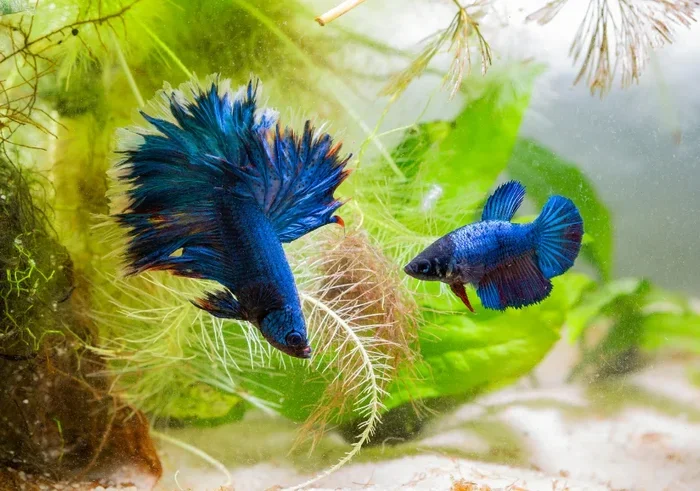
The color green in betta fish comes from specific genetic traits. Green bettas carry pigments that reflect light in a way that produces their signature color. Understanding this helps you make better choices when selecting your breeding pair.
Types of Green Betta Colors
Not all green bettas are the same. There are several shades and patterns you should know about before breeding:
- Solid Green: A uniform green color across the entire body. These are the most prized for breeding.
- Green Marble: Green patches mixed with other colors. The pattern can change over time, which makes them interesting to breed.
- Green Butterfly: Green on the outer edges of the fins with a lighter center. This pattern is visually striking.
- Turquoise Green: A blend of green and blue that creates a unique metallic look.
When you select a breeding pair, look for fish with the brightest and most consistent green color. The green betta fish you choose will pass its color traits to the next generation. Choose strong, healthy fish with vivid coloring for the best results.
Setting Up the Breeding Tank
A proper tank setup is the foundation of successful betta fish breeding. You cannot expect good results from a poorly prepared environment. Take the time to set things up correctly before introducing your fish.
Tank Size and Equipment
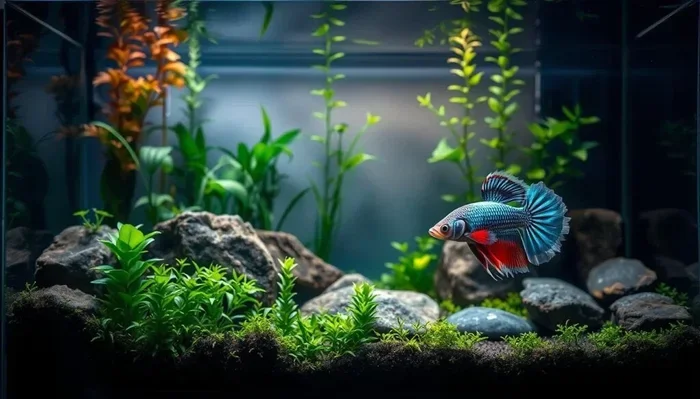
A 10-gallon tank works well for breeding a pair of green betta fish. This size gives the fish enough room while making it easy to monitor conditions. Here is what you need:
- A 10-gallon tank with a lid to prevent jumping
- A gentle sponge filter (avoid strong filters that can harm fry)
- A small heater to maintain stable temperature
- A thermometer to track water temperature
- A few floating plants or a breeding mop for the nest
If you are new to tank setup, check out our guide on how to set up a fish tank for betta fish for more detailed instructions. A clean, well-planned tank reduces stress and increases breeding success.
Water Parameters for Breeding
Clean water is critical for healthy betta fish. Before introducing your breeding pair, test the water carefully. The ideal conditions include:
- Temperature: 78 to 80 degrees Fahrenheit
- pH Level: 6.5 to 7.0
- Water Hardness: Soft to moderately hard (3 to 8 dGH)
- Ammonia and Nitrite: Must be at zero
For more details on maintaining the right water quality, read our article on how to care for betta fish water. Clean water prevents disease and keeps your breeding pair healthy and stress-free.
Choosing the Right Breeding Pair
Selecting the right pair is the most important step in breeding a green betta fish. A healthy pair produces strong, vibrant fry. A weak or sick pair can lead to failed spawning or unhealthy offspring.
Signs of a Healthy Breeding Betta
Look for these signs when choosing your fish:
- Bright, vivid green color with no fading or patches
- Active swimming behavior and a healthy appetite
- No visible signs of disease like white spots or torn fins
- Full, flowing fins (especially in males)
- Age between 4 and 12 months for best breeding results
The male green betta fish should show a strong bubble nest behavior. This is a natural sign that he is ready to breed. The female should have a visible egg spot on her underside. These signs tell you both fish are mature and ready.
Where to Find Quality Breeding Fish
You can buy healthy breeding pairs from reputable breeders or trusted online stores. If you want to purchase green bettas online, make sure the seller has good reviews and healthy stock. Avoid pet stores with poorly kept fish, as they may carry diseases that can ruin your breeding efforts.
The Breeding Process Step by Step
Once your tank is ready and your pair is healthy, you can begin the breeding process. This is where the real excitement starts. Follow these steps carefully for the best chance of success.
Step 1: Condition the Breeding Pair
Before introducing the pair, feed them high-quality food for 1 to 2 weeks. Use live or frozen foods like brine shrimp and bloodworms. This conditioning boosts their health and encourages spawning behavior.
Step 2: Introduce the Pair
Place the male and female in the breeding tank. Use a clear divider at first so they can see each other without direct contact. This reduces aggression and lets them get used to each other. After a day or two, remove the divider if both fish show calm behavior.
If you notice the male chasing the female too aggressively, separate them immediately. Some betta fish pairs need more time to adjust. Patience is key here.
Step 3: Watch for Spawning
When the pair is ready, the male will build a bubble nest at the surface. The female will release eggs, and the male will fertilize them. This process usually happens in the morning. After spawning, remove the female carefully. The male will protect the eggs and fry on his own.
For tips on safely moving your betta during this process, see our article on how to transfer betta fish to a new tank. Handling your fish gently reduces stress and prevents injury.
Caring for Betta Fry
The most delicate part of breeding a green betta fish is raising the fry. Baby bettas need very specific care in their first weeks of life. Get this right, and you will have a healthy batch of young green bettas growing strong.
First Few Days After Hatching
For the first 24 to 48 hours, the fry live off their yolk sac. Do not feed them during this time. After the yolk sac is absorbed, you can start feeding them infusoria or liquid fry food. These tiny foods are easy for newborn fry to eat.
Feeding Schedule for Growing Fry
As the fry grow, you can gradually introduce larger foods. Here is a simple feeding plan:
- Days 1 to 3: No food (let them live off the yolk sac)
- Days 3 to 7: Feed infusoria or liquid fry food 2 to 3 times a day
- Days 7 to 14: Introduce baby brine shrimp 2 times a day
- After 14 days: You can feed crushed flake food or micro worms
Feeding small amounts several times a day works best. Overfeeding can dirty the water quickly and harm the fry. Keep the water clean by doing small water changes every other day.
When to Separate Fry by Size
As the fry grow, some will be bigger than others. Larger fry may eat the smaller ones if food is scarce. Once the fry reach about 1 centimeter in length, consider separating them by size into different containers. This ensures all the fish get enough to eat and grow evenly.
Common Mistakes to Avoid
Even experienced hobbyists make mistakes when breeding bettas. Knowing what to avoid saves you time, money, and heartache.
- Skipping tank preparation: Never introduce a breeding pair into an unprepared tank. Stress kills fish and ruins breeding attempts.
- Using the wrong water temperature: Too cold or too hot water disrupts spawning. Always keep the temperature stable.
- Overfeeding the pair: Excess food pollutes the water fast. Feed small amounts and remove uneaten food.
- Leaving the female in the tank too long: The male can become aggressive toward the female after spawning. Remove her promptly.
- Neglecting water changes: Dirty water leads to disease in both adults and fry. Keep the water fresh and clean.
By avoiding these common pitfalls, you give your green betta fish the best chance of producing healthy, vibrant fry.
Expert Tips for Better Breeding Results
Here are some insider tips that experienced breeders use to improve their success rate with green bettas:
- Use a dim light: Bright lights stress breeding pairs. Soft, indirect lighting creates a calm environment.
- Add Indian almond leaves: These release natural compounds that boost the fish’s immune system and promote breeding behavior.
- Keep a log: Write down water changes, feeding times, and breeding behavior. This helps you track what works and what does not.
- Be patient: Not every breeding attempt will succeed. Even experienced breeders sometimes deal with failed spawns. Learn from each attempt and improve.
If you want to learn more about raising healthy bettas from fry to adults, check out our guide on how to raise a betta fish. It covers everything you need to know about the growth stages and care requirements.
Conclusion
Breeding a green betta fish is a journey that requires preparation, patience, and care. From selecting the right breeding pair to setting up the perfect tank, every step matters. When you get the conditions right and follow the process carefully, the rewards are incredible. Watching a healthy batch of green fry swim around your tank is a feeling like no other.
Start with the basics, take it one step at a time, and do not be afraid to learn from each breeding cycle. The more you practice, the better you will become. Your green betta fish will thank you with vibrant, healthy offspring that carry on those beautiful green colors for generations to come.
Frequently Asked Questions
How long does it take for green betta fish eggs to hatch?
Green betta fish eggs typically hatch within 24 to 48 hours after spawning. The male betta fish guards the bubble nest during this time. Once the eggs hatch, the fry will absorb their yolk sac for the first day or two before needing external food.
Can I breed a green betta fish with a different color betta?
Yes, you can breed a green betta fish with a betta of a different color. This is called crossbreeding and can produce interesting color combinations in the fry. However, the offspring may not all display the green color consistently. If you want true green bettas, it is best to breed two green bettas together.
What should I feed a breeding pair of betta fish?
A breeding pair thrives on a diet of high-quality live or frozen foods. Brine shrimp, bloodworms, and daphnia are excellent choices. Feed them small amounts 2 to 3 times a day. Proper conditioning with nutritious food for 1 to 2 weeks before breeding significantly increases the chances of successful spawning.
How do I know if my green betta is ready to breed?
A male green betta ready to breed will build a bubble nest at the surface of the water. The female will develop a visible white egg spot on her underside and may show a thicker body shape from carrying eggs. Both fish should be between 4 and 12 months old and in excellent health for the best breeding results.
Why is my male betta eating the eggs?
It is not uncommon for a male betta to eat some of the eggs, especially if the clutch is large or if the fish is inexperienced. Stress, poor water conditions, or lack of protein in the diet can also trigger this behavior. Ensure clean water and proper nutrition to reduce the chances of egg eating.
How many fry can a green betta fish produce in one spawn?
A healthy green betta female can produce anywhere from 30 to 100 eggs per spawn, though not all will survive. The survival rate depends on water quality, feeding, and the overall health of the breeding pair. With proper care, you can expect around 50 to 70 fry to reach the free-swimming stage successfully.