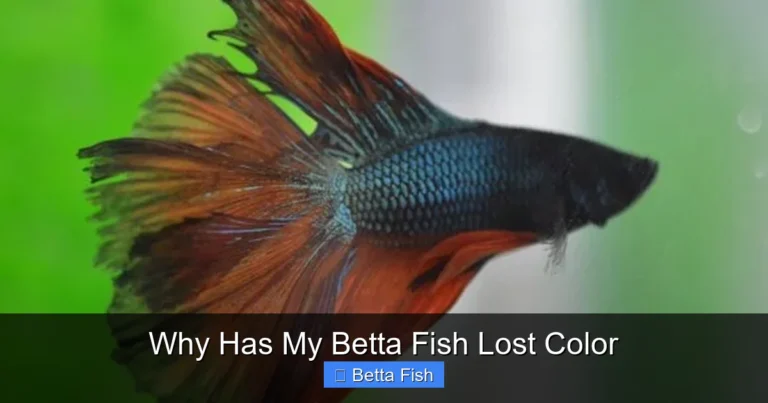
Can I Have Other Fish with My Betta Fry
Raising betta fry is exciting, but knowing when and how to introduce other fish requires careful timing. Baby bettas are extremely vulnerable, and adding tank mates too early can lead to stress, injury, or even death. This guide covers everything you need to know about safely housing other fish alongside your growing betta fry.
Key Takeaways
- Wait until fry are at least 6-8 weeks old before considering any tank mates, as younger fry are too small and vulnerable to coexist safely with other fish.
- Betta fry should be raised in species-only tanks during their first few months to ensure proper growth, feeding, and development without competition.
- Peaceful, small community fish like neon tetras, ember tetras, and corydoras can work as tank mates once bettas reach juvenile or adult size.
- Avoid fin-nipping or aggressive species such as tiger barbs, serpae tetras, and other bettas, which will stress or harm your growing fish.
- Provide a large enough tank (20+ gallons) to give each fish territory and reduce aggression when introducing companions.
- Monitor water quality closely since betta fry are sensitive to ammonia and nitrite spikes, and adding more fish increases the bioload significantly.
- Consider invertebrates like snails or shrimp as safer alternatives to fish tank mates, though even these should be introduced cautiously.
📑 Table of Contents
Can I Have Other Fish With My Betta Fry?
You’ve successfully bred your betta fish, and now you’ve got a tank full of adorable little fry swimming around. It’s an incredible experience watching them grow from tiny specks into the beautiful fish you know they’ll become. But now you’re wondering something that crosses every breeder’s mind eventually — can I have other fish with my betta fry?
The short answer is no, not right away. Betta fry need time to grow and develop before they can safely share a tank with other fish. But don’t worry, this doesn’t mean your fry will be lonely forever. In this guide, we’ll walk you through everything you need to know about when and how to introduce other fish to your betta fry’s tank. We’ll cover the right timing, the best tank mates, and the mistakes to avoid so your little ones thrive.
Why Betta Fry Should Be Raised Alone at First
The Vulnerability of Baby Bettas
When betta fry are first free-swimming, they’re incredibly tiny — barely visible to the naked eye. At this stage, they’re fragile, slow, and easy targets for other fish. Even peaceful community fish might see a baby betta as a snack. That’s the reality of the fish world, and it’s why keeping them in a species-only setup early on is so important.
Betta fry grow fast, but they need the first few weeks to build strength and develop their fins. During this time, they’re focused on eating, growing, and learning to navigate their environment. Adding other fish to the mix creates unnecessary stress and competition for food. Your fry need every bit of nutrition they can get to develop properly.
Competition for Food
One of the biggest reasons to keep betta fry alone is food competition. Baby bettas need to eat multiple times a day — sometimes four or five small feedings. They rely on foods like infusoria, baby brine shrimp, and microworms during their early weeks. If you add other fish to the tank, those fish will eat the food meant for your fry.
Other fish are typically faster and more aggressive eaters than betta fry. Your babies could go hungry while the tank mates gobble up everything. This leads to poor growth, weaker immune systems, and higher mortality rates among your fry. It’s simply not worth the risk during those critical early weeks.
Stress and Development
Stress is a silent killer in fish keeping, and betta fry are especially susceptible. When fry feel threatened by other fish, their bodies produce stress hormones that suppress growth and weaken their immune systems. A stressed fry is a fry that won’t reach its full potential.
Keeping your betta fry in a calm, species-only environment allows them to develop naturally. They can focus on eating and growing without constantly looking over their fins for threats. This sets them up for a healthy, vibrant life as they mature into adult bettas.
When Is It Safe to Add Other Fish?
The 6-8 Week Milestone
Most experienced breeders recommend waiting at least 6 to 8 weeks before introducing any other fish to your betta fry’s tank. By this point, your fry should be noticeably larger — usually around half an inch to an inch in size. They’ll be more confident swimmers and better able to compete for food.
At 6-8 weeks, betta fry start showing more of their personality and territorial behavior. This is actually a good sign — it means they’re developing normally. However, it also means you’ll need to be careful about which fish you choose as tank mates, since your growing bettas are starting to establish their own space.
Signs Your Fry Are Ready
How do you know your betta fry are truly ready for tank mates? Look for a few key signs. First, they should be actively eating larger foods like crushed flakes and small pellets. Second, they should be swimming confidently throughout the tank, not hiding in one corner. Third, they should show some color development — even if it’s just a hint of what’s to come.
If your fry are still very small, timid, or struggling to compete for food even in their own tank, give them more time. There’s no rush. Every week you wait gives them a better chance of thriving in a community setting later on.
The One-Inch Rule
A good rule of thumb is to wait until your betta fry are at least one inch long before introducing other fish. At this size, they’re large enough that most community fish won’t see them as food. They’re also strong enough to hold their own during feeding time.
Keep in mind that betta fry grow at different rates. Some may reach one inch by week 8, while others might take 10 or 12 weeks. Don’t base your decision on the largest fry in the group — wait until even the smallest ones are big enough to handle a community environment.
Best Tank Mature for Growing Bettas
Peaceful Community Fish
Once your betta fry have grown into juveniles or adults, you can start thinking about tank mates. The key is choosing peaceful, non-aggressive fish that won’t provoke your betta’s territorial instincts. What fish can I put with my betta is a question many keepers ask, and the answer depends on your betta’s individual temperament.
Some of the best options include neon tetras, ember tetras, harlequin rasboras, and corydoras catfish. These fish are peaceful, stay relatively small, and tend to occupy different areas of the tank than bettas. Neon tetras and ember tetras are mid-water swimmers, while corydoras stay at the bottom. This means they’re less likely to invade your betta’s preferred territory near the surface.
Small, Fast Swimmers
Fish that can swim quickly and avoid confrontation are ideal tank mates for bettas. Danios, for example, are fast enough to stay out of a betta’s way if things get tense. White cloud mountain minnows are another excellent choice — they’re peaceful, hardy, and prefer cooler water that overlaps with betta temperature ranges.
The idea is to choose fish that won’t trigger your betta’s aggression. Slow-moving fish with long, flowing fins are particularly risky because they resemble other bettas. Your betta may see them as rivals and attack. Stick with fish that look and behave differently from bettas.
Bottom Dwellers
Bottom-dwelling fish like corydoras, kuhli loaches, and otocinclus catfish make great companions for bettas. They occupy the lower levels of the tank, leaving the middle and upper areas for your betta. This natural separation of space reduces the chances of conflict.
Corydoras are especially popular because they’re social, peaceful, and helpful — they clean up leftover food from the substrate. Just make sure to keep them in groups of at least four to six, as they’re schooling fish that need companionship of their own kind.
Fish to Absolutely Avoid
Other Bettas
This might seem obvious, but it’s worth stating clearly — never house multiple bettas together unless you’re an experienced breeder with a properly divided tank. Can betta fish live with other betta fish is a common question, and the answer is almost always no for standard home aquariums. Male bettas will fight to the death, and even female bettas can be aggressive toward each other in small spaces.
Even if your betta fry are all from the same spawn, they’ll eventually develop territorial behavior. Male siblings will fight as they mature, and the stress can be devastating. It’s best to separate them into individual tanks or rehome the extras before aggression becomes a problem.
Fin-Nipping Fish
Some fish are notorious fin nippers, and they’re terrible matches for bettas. Tiger barbs, serpae tetras, and some types of danios are known for nipping at long, flowing fins. Since bettas have elaborate fins, they’re prime targets for these bullies.
Fin nipping isn’t just stressful — it can lead to infections and permanent damage. A betta with torn fins is vulnerable to fin rot and other diseases. Avoid any species known for this behavior, no matter how pretty they look in the store.
Aggressive or Territorial Species
Avoid any fish that are naturally aggressive or highly territorial. Cichlids, for example, are beautiful but completely incompatible with bettas. Gouramis are closely related to bettas and often trigger aggressive responses. Even some peaceful-looking fish can become bullies in the wrong tank setup.
When in doubt, research any fish thoroughly before adding them to your betta’s tank. Look for species described as “peaceful,” “community-safe,” and “compatible with bettas.” If a fish has any reputation for aggression, it’s not worth the risk.
Setting Up a Safe Community Tank
Tank Size Matters
If you plan to house your betta with other fish, you need a big tank. A minimum of 20 gallons is recommended for a betta community setup. Larger is always better because it gives each fish space to establish territory without constantly running into each other.
In a small tank, even peaceful fish can become stressed due to overcrowding. Stress leads to aggression, disease, and poor water quality. A 20-gallon long tank is ideal because it provides plenty of horizontal swimming space and allows for better territory distribution.
Plants and Hiding Spots
A well-planted tank is essential for any betta community. Live plants like java fern, anubias, and amazon sword provide hiding spots and break up sight lines. When fish can’t see each other constantly, they’re less likely to become aggressive.
Add decorations like driftwood, caves, and floating plants to create a natural environment with plenty of cover. Floating plants are especially beneficial for bettas because they provide shade and make the fish feel secure. A betta that feels safe is a betta that’s less likely to lash out at tank mates.
Water Parameters
Maintaining excellent water quality becomes even more important when you add fish to your betta’s tank. More fish means more waste, which means more ammonia and nitrite production. Betta fry and juveniles are particularly sensitive to poor water conditions, so regular water changes are a must.
Aim for weekly water changes of 25-30% in a community tank. Test your water regularly for ammonia, nitrite, and nitrate levels. Keep the temperature between 76-80°F, which is comfortable for bettas and most tropical community fish. Stable water parameters are the foundation of a healthy tank.
Invertebrates as Alternatives
Snails
If you’re looking for something to add to your betta fry’s tank without the risks of fish, consider snails. Can you have snails with betta fish is a question we get often, and the answer is generally yes. Snails like nerite snails and mystery snails are peaceful, low-maintenance, and excellent algae eaters.
Introduce snails only after your betta fry are large enough not to be bothered by them — usually around 4-6 weeks. Snails are slow and non-threatening, so they rarely provoke aggression from bettas. They also help keep the tank clean by eating algae and leftover food.
Shrimp
Shrimp are another popular option for betta tanks. Cherry shrimp and amano shrimp are colorful, active, and fun to watch. However, there’s a catch — some bettas will eat shrimp, especially smaller ones. It depends entirely on your betta’s individual personality.
If you want to try shrimp, start with a few inexpensive cherry shrimp and see how your betta reacts. Provide plenty of hiding spots with moss and plants so the shrimp can escape if needed. If your betta leaves them alone, you can gradually add more. If not, you’ll know shrimp aren’t a good fit for your setup.
Monitoring and Adjusting
Watch for Signs of Stress
After introducing any new fish or invertebrates to your betta’s tank, watch closely for signs of stress. Clamped fins, loss of color, hiding, and refusal to eat are all red flags. Your betta may also become more aggressive, flaring at tank mates or chasing them around the tank.
If you notice any of these signs, be prepared to separate the fish immediately. Have a backup tank or divider ready before you introduce new fish. It’s always better to be safe than sorry when it comes to your betta’s well-being.
Be Ready to Separate
Sometimes, despite your best efforts, a betta simply won’t tolerate tank mates. Every betta has a unique personality, and some are more aggressive than others. If your betta consistently attacks or stresses other fish, it’s kinder to keep them alone.
There’s nothing wrong with a betta-only tank. In fact, many betta keepers find that their fish are happiest and healthiest when they don’t have to share their space. A well-decorated, properly maintained single-species tank can be just as beautiful and rewarding as a community setup.
Conclusion
So, can you have other fish with your betta fry? The answer is yes — but not right away. Give your fry the time they need to grow and develop in a safe, stress-free environment. Wait until they’re at least 6-8 weeks old and about an inch long before considering any tank mates. When the time is right, choose peaceful, non-aggressive fish that occupy different areas of the tank. Avoid fin nippers, other bettas, and any species known for aggression.
Remember that every betta is different. What works for one fish might not work for another. Pay attention to your betta’s behavior, provide plenty of space and hiding spots, and always have a backup plan in case things don’t work out. With patience and careful planning, you can create a beautiful community tank that your betta and their tank mates will thrive in.
Raising betta fry is one of the most rewarding experiences in fish keeping. Take your time, do your research, and enjoy the journey. Your little fry will thank you for giving them the best possible start in life.
Frequently Asked Questions
Can I put other fish in with my betta fry right away?
No, you should not add other fish to your betta fry’s tank right away. Baby bettas are extremely vulnerable and can be eaten or injured by other fish. Wait until they are at least 6-8 weeks old and about one inch long before introducing any tank mates.
What is the best age to introduce tank mates to betta fry?
The best age to introduce tank mates is around 6-8 weeks, when your betta fry are large enough to compete for food and defend themselves. Some breeders wait even longer, up to 12 weeks, to ensure their fry are fully developed and strong enough for a community environment.
Can betta fry live with snails or shrimp?
Yes, snails and shrimp can be good alternatives to fish tank mates. Nerite snails and mystery snails are generally safe with bettas, and cherry shrimp can work if your betta isn’t aggressive toward them. Always provide hiding spots and monitor the situation closely after introducing invertebrates.
What size tank do I need for a betta with other fish?
You need a minimum of 20 gallons for a betta community tank. Larger tanks are always better because they provide more space for territory and reduce stress. A 20-gallon long tank is ideal as it offers plenty of horizontal swimming space for all inhabitants.
Will my betta fry be lonely if kept alone?
No, betta fish are solitary by nature and do not get lonely. In fact, they often prefer living alone and can become stressed when forced to share their space. A well-decorated tank with plenty of enrichment is all your betta needs to be happy and healthy.
What should I do if my betta attacks its tank mates?
If your betta attacks other fish, separate them immediately. Remove the aggressive betta or the tank mates to a different tank. Not all bettas are suited for community living, and it’s better to keep your betta alone than to risk injury or death to other fish.