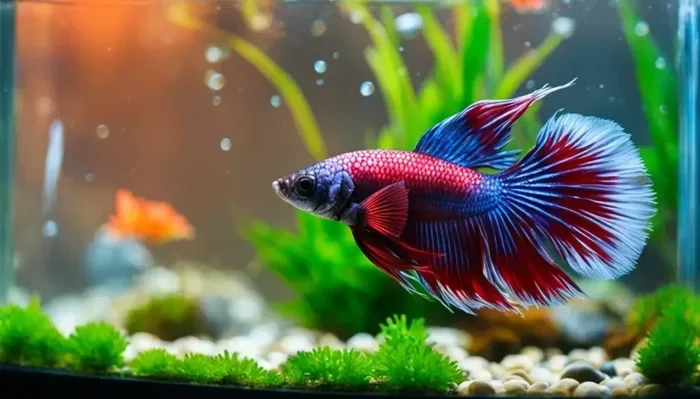
How Can I Change Betta Fish Water

Changing your betta fish water is one of the simplest yet most important tasks for keeping your fish healthy. This guide walks you through everything you need to know, from how often to change the water to the exact steps you should follow. You will learn the right water temperature, the best tools to use, and common mistakes to avoid.
Keeping your betta fish in clean water is the single best thing you can do for its health and happiness. But how do you actually go about changing the water in a betta tank or bowl? Whether you are a complete beginner or have had bettas for years, this guide will walk you through every step of the process. You will learn why water changes matter, how often to do them, and the exact method to follow. We also cover the most common mistakes people make so you can avoid them. Let us dive in and make your betta fish water change easy and stress-free.
A betta fish lives in water just like we live in air. Dirty water causes stress, illness, and even death. When you change betta fish water regularly, you remove built-up toxins like ammonia and nitrates. These substances come from fish waste, leftover food, and decaying plant matter. Even with a filter, these toxins build up over time. A proper water change keeps the environment safe and comfortable. Think of it like changing the air filters in your home. It is a simple routine that makes a huge difference.
Key Takeaways
- Regular water changes remove harmful toxins: Changing betta fish water keeps ammonia and nitrate levels safe for your fish.
- Frequency matters: Most betta tanks need a partial water change every 1 to 2 weeks.
- Use the right water: Always treat tap water with a dechlorinator before adding it to the tank.
- Temperature is critical: Match the new water temperature to the tank water to avoid stressing your betta.
- Avoid common mistakes: Never change 100% of the water at once, and always wash your hands and tools first.
- Observe your fish after each change: Watch for signs of stress or illness following a water change.
📑 Table of Contents
Why Changing Your Betta Fish Water Is So Important
Many new betta owners do not realize how quickly water quality can decline. Even in a small bowl, waste builds up fast. Without regular water changes, harmful chemicals accumulate. Here is why this matters so much.
Toxins Build Up Fast
Betta fish produce ammonia through their waste. In a small tank or bowl, ammonia levels can spike quickly. Even low levels of ammonia can damage your betta’s gills and fins. Nitrite and nitrate also build up over time. While nitrates are less toxic, high levels still cause stress. Regular water changes dilute these toxins and keep them at safe levels.
Healthy Water Supports Color and Energy
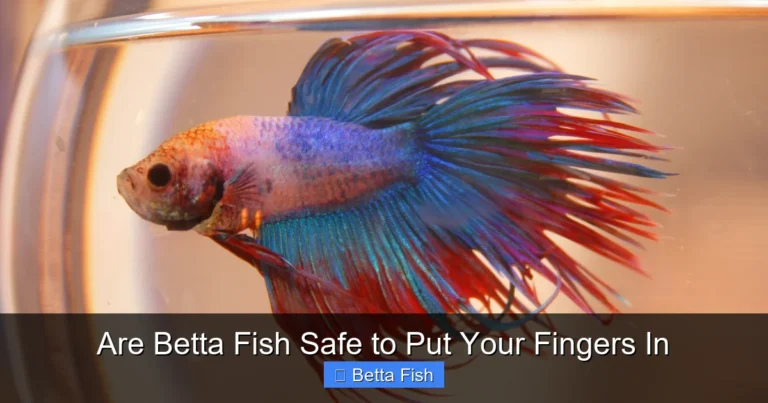
Clean water does more than prevent disease. It helps your betta stay vibrant and active. Bettas in clean water display brighter colors and more energy. They swim more, explore more, and interact more. Dirty water, on the other hand, can make your fish look dull and lethargic. A consistent water change routine keeps your betta looking and feeling its best.
It Reduces the Need for Medications
When water quality stays high, your betta stays healthy. Healthy fish rarely need medications or treatments. Many common betta illnesses stem from poor water conditions. By simply changing the water on schedule, you can prevent most of these problems. It is much easier to maintain clean water than to treat a sick fish.
How Often Should You Change Betta Fish Water
The frequency of water changes depends on the size of your tank and whether you have a filter. There is no one-size-fits-all answer, but here are the general guidelines.
For Tanks With a Filter
If your betta lives in a filtered tank of 5 gallons or more, you should do a partial water change every 1 to 2 weeks. A 25% to 30% change works well for most setups. The filter handles a lot of the mechanical and biological filtration, so you do not need to change as much water. However, nitrates still build up, and the water change keeps them in check.
For Bowls and Small Tanks Without a Filter
Bettas kept in bowls or small tanks without filters need more frequent changes. In these setups, you should change about 50% of the water every 3 to 5 days. Without a filter, there is no system to break down waste. The water quality drops much faster. Smaller volumes also mean toxins concentrate more quickly. If you notice the water looking cloudy or your betta acting sluggish, it is time for a change.
You can also check out how often to change water for betta fish for a more detailed schedule. And if you are wondering whether you can use tap water for this, check out can I add tap water to my betta fish tank before filling up.
Signs Your Betta Needs a Water Change Sooner
Sometimes the schedule is not enough. You need to watch for signs that your betta needs a water change sooner than planned. Look for these warning signals:
- The water looks cloudy or has a strong odor
- Your betta is staying near the surface and gasping
- The fins look clamped or torn
- There is visible debris or uneaten food on the bottom
- The water test shows high ammonia or nitrite levels
If you notice any of these signs, do a water change right away. You can also learn how to save a dying betta fish after a water change if your fish shows signs of distress.
Step-by-Step: How to Change Betta Fish Water
Now that you know why and how often to change the water, let us get into the actual process. Follow these steps carefully for a safe and effective water change.
Step 1: Gather Your Supplies
Before you start, make sure you have everything ready. Here is what you will need:
- A clean bucket or container dedicated to fish use only
- A gravel vacuum or siphon (for tank setups)
- Water conditioner or dechlorinator
- A thermometer to check water temperature
- A clean sponge or algae scraper
- Fresh, treated water
Using supplies that are only for your fish tank is important. Never use a bucket that has held soap or chemicals. Even small residues can be deadly to bettas.
Step 2: Prepare the New Water
Fill your bucket with fresh water. If you are using tap water, add a water conditioner to remove chlorine and chloramine. These chemicals are safe for humans but harmful to fish. Let the treated water sit for a few minutes to reach room temperature. You can also check out can I use tap water in my betta fish bowl for more tips on treating tap water safely.
Use your thermometer to check the temperature. Betta fish do best in water between 76 and 82 degrees Fahrenheit. The new water should match the tank water temperature as closely as possible. Even a few degrees of difference can shock your fish.
Step 3: Remove the Old Water
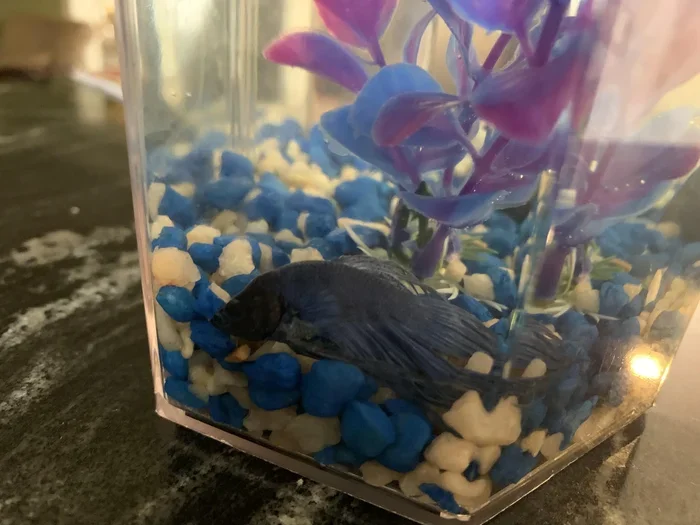
For tank setups, use a gravel vacuum to siphon out the old water. Start by removing about 25% to 30% of the total water volume. Go slowly and avoid stirring up too much debris. For bowls, simply scoop out the top portion of water with a clean cup or bowl. Discard the removed water.
While removing water, gently clean the gravel and any decorations. You will be surprised how much waste hides in the substrate. A gravel vacuum makes this job much easier and more effective.
Step 4: Add the New Water
Slowly pour the new water into the tank or bowl. Pouring directly onto the gravel can stir up debris, so aim for a flat surface or use a plate to diffuse the flow. Add the water gently to avoid stressing your betta.
If you are using a bowl, you can also check out can I put a betta fish in bottled water for an alternative water source. But for most setups, treated tap water works perfectly fine.
Step 5: Check and Observe
After adding the new water, use your thermometer one more time to confirm the temperature is correct. Then give your betta a few minutes to adjust. Watch for any signs of stress like rapid breathing or erratic swimming. Most bettas settle in within a few minutes. If your fish seems distressed, double-check the water temperature and parameters.
You can also read how do you change betta fish water for additional step-by-step methods that other betta owners use.
Common Mistakes People Make When Changing Water
Even experienced fish keepers make mistakes. Knowing what to avoid can save you a lot of trouble and keep your betta safe.
Changing Too Much Water at Once
This is the most common mistake. Never change more than 50% of the water at one time, unless absolutely necessary. Removing too much water at once disrupts the beneficial bacteria in your tank. These bacteria are essential for breaking down waste. A sudden shift in water parameters can also shock your betta. Stick to 25% to 30% changes for routine maintenance.
Using Untreated Water
Tap water contains chlorine and chloramine that are harmful to fish. Always use a water conditioner before adding new water to the tank. Skipping this step can damage your betta’s gills and cause serious health problems. It only takes a few minutes to treat the water, and it makes a huge difference.
Ignoring Water Temperature
Betta fish are tropical and sensitive to temperature changes. Adding cold or hot water can cause thermal shock. This stress weakens the immune system and can lead to illness. Always match the temperature of the new water to the existing tank water.
Forgetting to Clean the Tank
A water change is not just about swapping water. It is also a chance to clean the tank. Wipe down the glass, clean the filter media gently, and remove any debris. A clean tank keeps the water fresh longer and reduces the need for frequent changes.
Tips for a Stress-Free Water Change
Making the water change process smooth and calm helps your betta stay healthy. Here are some practical tips to follow.
Stick to a Schedule
Consistency is key. Pick a day that works for you and stick to it. Whether it is every Saturday morning or every other Wednesday, a regular schedule helps you stay on track. Set a reminder on your phone if you need to. Your betta will thrive on routine.
Keep the Process Quick
A water change should take about 15 to 20 minutes. The longer your betta is exposed to changing conditions, the more stressed it becomes. Have everything ready before you start. Work efficiently but carefully. The goal is to get the job done without unnecessary delays.
Watch Your Betta During the Process
Pay attention to how your betta behaves during the water change. Some fish seem unbothered, while others may swim erratically. If your betta shows signs of stress, try to speed up the process or check the water temperature. After the change, give your fish some quiet time to settle in.
Keep a Water Change Log
This tip works great for organized people. Keep a simple notebook or use your phone to track each water change. Note the date, how much water you changed, and any observations about your betta. Over time, this log helps you spot patterns and catch problems early. It also makes it easier to remember when the next change is due.
After a water change, you want to make sure your betta stays healthy. Learn more about keeping your betta safe after a water change.
What to Do After a Water Change
The work is not quite done once you finish the water change. A few follow-up steps help ensure everything goes smoothly.
Test the Water Parameters
If you have a water test kit, test the ammonia, nitrite, and nitrate levels after the change. You want ammonia and nitrite at zero, and nitrates below 20 ppm. This confirms that your water change was effective and the tank is in good condition.
Feed Your Betta Lightly
Some bettas eat less right after a water change. This is normal and nothing to worry about. Offer a small amount of food and see how your betta responds. If it eats normally, you are good to go. If it refuses food, wait a few hours and try again.
Monitor for the Next 24 Hours
Keep an eye on your betta for the rest of the day. Look for any signs of stress or illness. Most bettas adjust within a few hours, but some may need extra time. If you notice anything unusual, check the water temperature and parameters again.
If your betta does show signs of distress after a water change, check out how to save a dying betta fish after water change for helpful advice. Also, make sure you are changing the water often enough by reviewing how often to change water for betta fish.
Conclusion
Changing betta fish water does not have to be complicated or intimidating. With the right supplies, a simple schedule, and a little practice, it becomes second nature. The key is consistency. Regular partial water changes remove harmful toxins, keep your betta active and colorful, and prevent most common health problems. Avoid the common mistakes we covered, follow the step-by-step process, and always observe your fish afterward. Your betta will thank you with vibrant colors, energetic swimming, and a long, healthy life. Start your water change routine today and give your betta the clean, safe home it deserves.
Frequently Asked Questions
How long does it take to change betta fish water?
A typical water change takes about 15 to 20 minutes. This includes gathering supplies, removing old water, adding new water, and checking the temperature. Keeping the process quick helps reduce stress for your betta fish.
Can I use bottled water to change my betta fish water?
Yes, you can use bottled water, but make sure it is not distilled. Distilled water lacks essential minerals that bettas need. Spring water or purified drinking water works well. Always check the water parameters before adding it to the tank.
Do I need to remove my betta fish during a water change?
No, you do not need to remove your betta. In fact, keeping your fish in the tank during the change is safer. Removing them can cause unnecessary stress. Just make sure the new water matches the tank temperature before adding it.
What happens if I change betta fish water too often?
Changing the water too frequently can strip away beneficial bacteria that help break down waste. It can also cause fluctuations in water parameters. Stick to a regular schedule of partial changes every 1 to 2 weeks for the best results.
How do I know if the water change frequency is right for my betta?
Watch your betta’s behavior and the water clarity. If the water stays clear and your fish is active and eating well, your schedule is working. If the water gets cloudy quickly or your betta seems lethargic, you may need to change the water more often.
Can I change betta fish water without a gravel vacuum?
Yes, you can. For small bowls, simply scoop out the top portion of water with a clean cup. For larger tanks, you can use a siphon hose or even a turkey baster to remove debris and old water from the bottom. It is not as efficient as a gravel vacuum, but it works in a pinch.