How to Betta Fish Die

Understanding how betta fish die starts with knowing the most common causes, from poor water quality and temperature swings to disease and stress. This guide covers every major reason bettas pass away, the early warning signs you should never ignore, and simple steps you can take to protect your fish. Whether you are a new owner or a seasoned hobbyist, these tips will help your betta live a longer, healthier life.
Losing a betta fish is heartbreaking. These colorful little creatures bring so much joy to a room, and when they pass away suddenly, it can leave you feeling confused and sad. If you have ever wondered how betta fish die, you are not alone. Many fish owners face this painful question, especially when their betta seems healthy one day and gone the next.
The truth is, most betta fish do not just die without reason. There are almost always underlying causes. Poor water quality, wrong temperatures, disease, stress, and simple neglect all play a role. The good news? Most of these causes are completely preventable. When you understand what goes wrong, you can take steps to keep your betta safe and healthy for years to come.
This article breaks down every major reason betta fish die, the warning signs you need to watch for, and exactly what you can do to prevent it. We will cover everything from water conditions to common diseases to daily care mistakes. By the end, you will have a clear picture of how to give your betta the best life possible.
Key Takeaways
- Poor water quality is the #1 killer: ammonia and nitrite spikes cause most sudden betta deaths.
- Temperature matters enormously: cold water weakens the immune system and leads to illness.
- Disease is often preventable: ich, fin rot, and bacterial infections spread fast in dirty tanks.
- Stress shortens lifespan: aggressive tank mates, overcrowding, and poor handling take a toll.
- Early detection saves lives: knowing the warning signs gives you time to act and save your fish.
- Proper care adds years: a clean tank, balanced diet, and stable environment keep bettas thriving.
📑 Table of Contents
Common Causes of Betta Fish Death
Betta fish are tougher than people think, but they are not invincible. They have specific needs, and when those needs are not met, problems start fast. Let us look at the most common reasons bettas pass away.
Poor Water Quality
This is the number one cause of betta fish death. Betta fish live in small amounts of water, and that water can turn toxic very quickly. Ammonia and nitrite build up from fish waste, uneaten food, and decaying plants. Even tiny amounts of ammonia can burn a betta’s gills and organs.
Many new owners think a small bowl is fine because bettas come from shallow rice paddies. But those paddies have constant fresh water flowing through them. A static bowl with no filter and no water changes is a completely different story. Without proper water maintenance, your betta is living in poison.
- Ammonia poisoning causes red, inflamed gills and labored breathing.
- Nitrite buildup reduces the blood’s ability to carry oxygen.
- Nitrate levels above 40 ppm cause long-term stress and weakened immunity.
The fix is simple but requires consistency. Test your water regularly. Do partial water changes every week. Use a water conditioner to neutralize chlorine and chloramine. These small habits make a massive difference.
Wrong Water Temperature
Betta fish are tropical. They need warm water to stay healthy. When the temperature drops too low, their metabolism slows down, their immune system weakens, and they become vulnerable to every disease out there.
Cold water is one of the sneakiest killers. A betta in cold water might seem fine for a few days, then suddenly get sick and die. This is why keeping your betta fish bowl warm is so important. The ideal temperature range is between 78 and 80 degrees Fahrenheit.
Here is what happens when the temperature goes wrong:
- Below 72°F: The betta becomes sluggish, stops eating, and catches diseases easily.
- 72-76°F: The fish is stressed and its immune system is compromised.
- 78-80°F: This is the sweet spot. The betta is active, eating well, and fighting off illness.
- Above 82°F: Oxygen levels drop, and the fish becomes stressed from heat.
Using a small aquarium heater is the best way to maintain a stable temperature. If you do not use a heater, room temperature fluctuations can be deadly, especially in winter.
Diseases and Infections
Disease is another major reason how betta fish die. Bacteria, parasites, and fungi all attack bettas, especially when they are already stressed or living in poor conditions. The most common deadly diseases include:
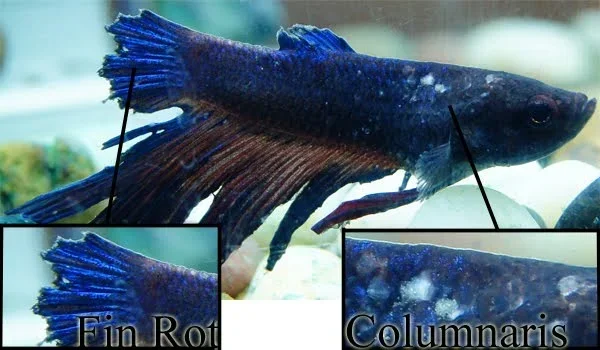
Fin Rot: This bacterial infection eats away at the fins and tail. It starts with ragged, discolored edges and spreads quickly if left untreated. In severe cases, fin rot reaches the body and becomes fatal.
ICH (White Spot Disease): ICH is a parasite that covers the fish in white dots. It causes intense itching, rapid breathing, and loss of appetite. If not treated fast, it can kill a betta within days. Learning how to treat ich on a betta fish early can save your fish’s life.
Swim Bladder Disease: This condition affects the fish’s ability to control buoyancy. The betta may float upside down, sink to the bottom, or struggle to stay upright. While not always fatal, severe cases can lead to starvation and death.
Bacterial Infections: Open wounds, frayed fins, and internal infections can all turn deadly. These often appear after physical injury or when the fish’s immune system is already weakened.
Stress and Its Hidden Damage
Stress is a silent killer. It does not just make your betta unhappy. It weakens the immune system, making the fish a target for every disease in the tank. Chronic stress shortens a betta’s lifespan significantly.
There are many sources of stress for betta fish:
- Living in a tank that is too small or crowded.
- Being housed with aggressive fish that nip at their long fins.
- Constant tapping on the glass or sudden loud noises.
- Being moved around too frequently.
- Bright lights shining directly on the fish 24 hours a day.
If you notice your betta hiding constantly, losing color, or refusing food, stress is likely the cause. Learning how to treat a stressed betta fish involves removing the stressor first, then supporting the fish’s recovery with clean water and a calm environment.
Overfeeding and Poor Diet
It is easy to love your betta with too much food. But overfeeding is one of the most common mistakes new owners make. Uneaten food rots in the water, spiking ammonia levels. A bloated belly from overeating can also lead to swim bladder problems and organ failure.
Betta fish have tiny stomachs, roughly the size of their eye. Feeding them two to three small pellets twice a day is plenty. You can also offer frozen or live foods like brine shrimp and bloodworms as treats. Variety in their diet supports better health and color.
Warning Signs That Your Betta Is Dying
One of the most important things you can learn is how to spot the early signs of a dying betta. Catching these signals early gives you the best chance to intervene and save your fish.
Physical Symptoms
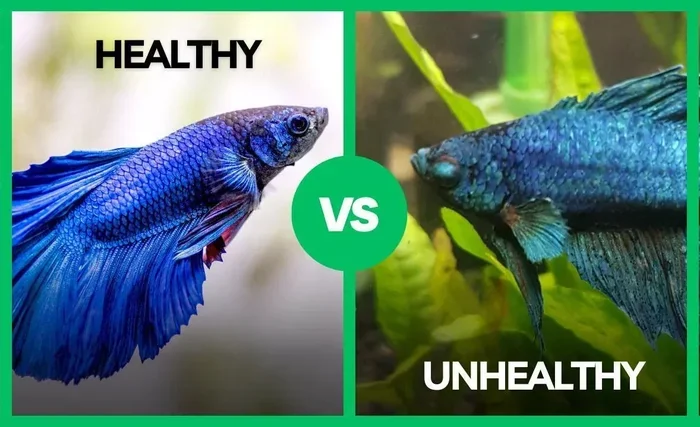
- Faded or pale color: A healthy betta should be vibrant. Dullness often signals illness or extreme stress.
- Clamped fins: When a betta holds its fins tight against its body, it is in pain or feeling unwell.
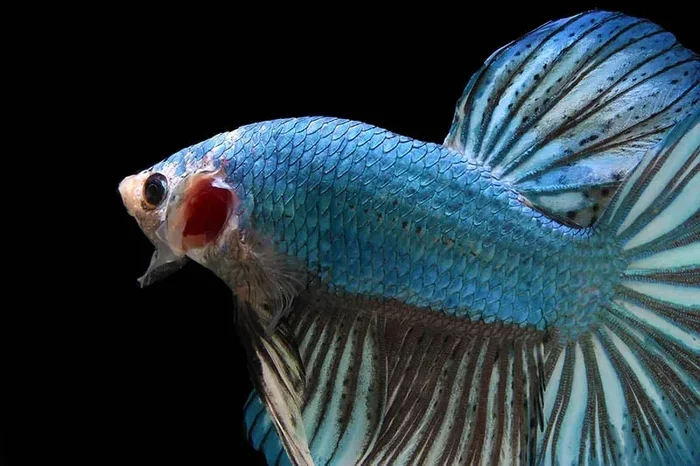
- Red spots or inflamed gills: These point to ammonia burns or bacterial infection.
- White patches or dots: These are classic signs of ICH or fungal infection.
- Labored breathing: Rapid gill movement or gasping at the surface means low oxygen or toxin exposure.
Behavioral Changes
- Lethargy: Sitting at the bottom of the tank and refusing to move.
- Loss of appetite: Ignoring food for more than two days is a red flag.
- Floating or sinking abnormally: Inability to control buoyancy suggests swim bladder issues.
- Hiding constantly: A normally curious betta that hides all the time is in trouble.
- Flashing or rubbing: Scratching against objects means the fish is irritated by parasites.
If you notice any combination of these signs, act fast. Test your water parameters first, then look for physical symptoms. The faster you respond, the better the outcome.
How to Prevent Betta Fish Death
The best way to deal with betta fish death is to prevent it from happening in the first place. Prevention comes down to a few core habits that every betta owner should follow.
Keep the Water Clean
Perform a 25 to 50 percent water change every week. Use a gravel vacuum to remove waste from the substrate. Always treat new water with a conditioner before adding it to the tank. Test ammonia, nitrite, and nitrate levels regularly with a liquid test kit. This is the single most impactful thing you can do for your betta’s health.
Maintain Stable Temperature
Invest in a reliable aquarium heater with a thermostat. Place the heater near the filter output for even heat distribution. Avoid putting the tank near windows, doors, or vents where temperature swings are common. A stable temperature keeps your betta’s immune system strong.
Provide Proper Nutrition
Feed a high-quality betta pellet as the staple diet. Supplement with frozen or live foods two to three times a week. Never feed more than your betta can eat in two minutes. Remove any uneaten food promptly to keep the water clean.
Create a Stress-Free Environment
Give your betta at least 5 gallons of space. Add gentle plants and hiding spots. Avoid housing bettas with fin-nipping or aggressive species. Keep the tank in a quiet area away from loud noises and constant vibration. A calm, enriched environment supports both physical and mental health.
Quarantine New Fish and Plants
Before adding anything new to your betta’s tank, quarantine it for at least two weeks. This prevents the spread of parasites and diseases. Many owners learn the hard way that a new fish introduced without quarantine brings ICH or bacterial infections that wipe out the entire tank.
What to Do When Your Betta Fish Dies
If your betta has passed away, it is important to handle the situation properly. First, remove the fish from the tank immediately to prevent water contamination. Do not flush a dead betta down the toilet. Instead, wrap the fish in a paper towel and dispose of it in the trash, or follow local regulations for pet disposal.
Next, test your water parameters thoroughly. If the death was caused by a water quality issue, you need to address it before adding another fish. Do a large water change and let the tank cycle properly. Adding a new betta too soon after a death can lead to the same tragic outcome.
Take time to reflect on what might have gone wrong. Was the water not tested often enough? Was the heater malfunctioning? Was the fish showing signs of illness that were missed? Every loss is a learning opportunity that makes you a better fish owner.
How Long Do Betta Fish Live?
With proper care, a betta fish can live between three and five years. Some well-cared-for bettas even reach six or seven years old. The key difference between a short-lived betta and a long-lived one comes down to the environment and daily care the fish receives.
Bettas kept in tiny bowls with no heater and infrequent water changes often die within six months to a year. Bettas kept in properly cycled five-gallon tanks with stable temperature and clean water regularly live three years or more. The investment in proper setup pays off in a much longer, healthier life for your fish.
If you want to give your betta the best chance at a long life, focus on the fundamentals. Clean water, warm temperature, good food, and a peaceful environment. These four pillars make all the difference. For more guidance on daily care routines, check out this guide on how to properly take care of betta fish to make sure you are covering every base.
When to Seek Help for a Sick Betta
Not every illness means your betta is dying. Many common betta diseases are treatable if you catch them early. The trick is knowing when to step in and what action to take.
If your betta shows signs of ICH, raising the temperature slowly to 82 degrees and adding aquarium salt can help. For fin rot, a water change and antibacterial treatment often work well. For more serious conditions, a broad-spectrum fish medication may be necessary. Always research the specific disease before medicating, as some treatments can harm bettas if used incorrectly.
Sometimes the best thing you can do is simply improve the water quality. Many bettas bounce back once they are living in clean, warm, stress-free water. Prevention through good husbandry is always better than treatment after the damage is done.
Key Takeaways
- Poor water quality is the #1 killer: ammonia and nitrite spikes cause most sudden betta deaths.
- Temperature matters enormously: cold water weakens the immune system and leads to illness.
- Disease is often preventable: ich, fin rot, and bacterial infections spread fast in dirty tanks.
- Stress shortens lifespan: aggressive tank mates, overcrowding, and poor handling take a toll.
- Early detection saves lives: knowing the warning signs gives you time to act and save your fish.
- Proper care adds years: a clean tank, balanced diet, and stable environment keep bettas thriving.
Frequently Asked Questions
Why did my betta fish die suddenly?
Sudden betta death is most often caused by ammonia or nitrite poisoning from poor water quality. Temperature shocks from cold water or heater malfunctions can also kill a fish within hours. If your betta seemed fine one day and was dead the next, water quality issues are the most likely culprit.
How can I tell if my betta fish is dying?
Look for faded color, clamped fins, labored breathing, loss of appetite, and abnormal floating or sinking. A betta that hides constantly and refuses food for more than two days needs immediate attention. Testing your water parameters will reveal if toxins are the cause.
Can a betta fish die from loneliness?
Betta fish do not get lonely in the way mammals do. However, they can become stressed from boredom or an unstimulating environment. Chronic stress weakens their immune system, which can lead to illness and death. Providing plants, hiding spots, and a calm environment helps keep them mentally healthy.
What is the most common cause of betta fish death?
Poor water quality is the most common cause. Ammonia and nitrite buildup from infrequent water changes and overfeeding poisons the fish gradually. This is why regular water testing and weekly water changes are absolutely essential for every betta owner.
Can a betta fish recover from being near death?
Yes, in many cases bettas can recover if the cause is caught early. Ammonia poisoning, mild infections, and temperature stress are all treatable when addressed quickly. Clean water, stable temperature, and proper medication can bring a struggling betta back to health.
How long can a betta fish live with proper care?
A well-cared-for betta fish typically lives between three and five years, with some individuals reaching six or seven. The difference comes down to consistent water maintenance, proper temperature, quality nutrition, and a stress-free environment. For more tips on extending your betta’s lifespan, learn how to properly care for betta fish with these expert guidelines.
Conclusion
Learning how betta fish die is not about dwelling on loss. It is about empowering yourself to prevent it. Every cause of betta death we discussed today is, in most cases, preventable. You have the knowledge now to keep your fish safe, healthy, and happy for years to come.
Start with the basics. Test your water. Keep it warm. Feed wisely. Watch for warning signs. These simple habits build a strong foundation for excellent betta care. Your fish depends on you for everything, and the effort you put in directly determines how long and how well your betta lives.
Remember that every experienced fish owner has lost a betta at some point. It is a painful part of the journey, but it teaches you to be better. Use what you have learned here, apply it consistently, and give your betta the best life possible. Your fish will thank you with vibrant color, playful behavior, and years of companionship.