How Many Betta Fish in a Bowl
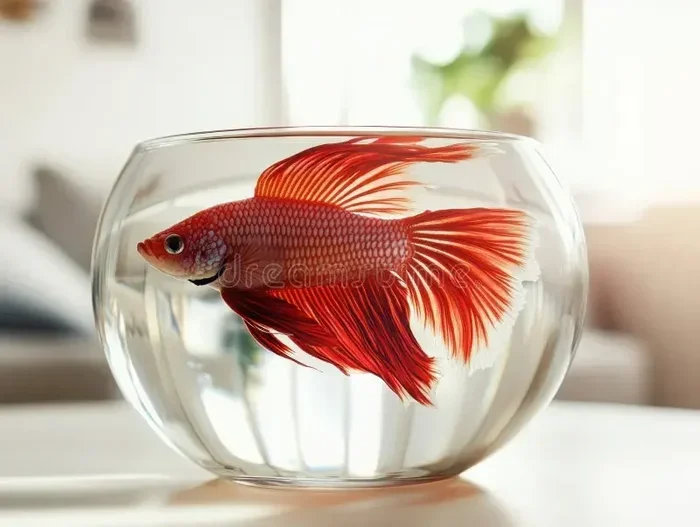
Most betta fish do best when kept alone in a bowl. A single betta needs at least a 5-gallon bowl to thrive, and overcrowding can cause serious health problems. Understanding the right betta fish bowl size and setup is the key to a long, happy life for your fish.
So you want to know how many betta fish in a bowl. It is a simple question, but the answer is not always straightforward. Many people think a tiny bowl is fine for a single betta. Others wonder if they can squeeze in a couple more fish to make it look lively. The truth is, the number of betta fish you can keep depends on several important factors. Bowl size, water quality, and your betta’s temperament all play a role.
In this guide, we will break down everything you need to know about betta fish bowl capacity. You will learn the ideal number of fish per bowl, what happens when you overcrowd, and how to set up a healthy habitat. Whether you are a beginner or a seasoned fish keeper, this article will help you make the best choice for your betta fish care routine.
Key Takeaways
- One betta per bowl: Betta fish are territorial and do best alone in their own space.
- Minimum 5 gallons: A small bowl limits growth and shortens lifespan. Aim for at least 5 gallons.
- Overcrowding is dangerous: Too many fish in a bowl leads to stress, poor water quality, and disease.
- Proper setup matters: Include plants, a filter, and a heater to mimic natural conditions.
- Regular maintenance is essential: Frequent water changes and cleaning keep your betta healthy.
- Know the signs of stress: Watch for color fading, lethargy, and fin clamping as warning signs.
📑 Table of Contents
How Many Betta Fish Can Live in a Bowl?
The short answer is one. A single betta fish should live alone in a bowl. Bettas are also known as Siamese fighting fish, and they are naturally territorial. Males especially will fight with other bettas if kept in the same space. Even female bettas can become aggressive when crowded.
Some people ask, can betta fish live in a bowl with other fish? The answer is usually no. Bettas do not enjoy sharing their space. They may chase or nip at other fish, causing stress and injury. Here is a quick breakdown:
- One male betta: Best kept alone in its own bowl.
- One female betta: Can sometimes live with other females in a large group setting called a sorority, but this is risky in a small bowl.
- Male and female together: Only for breeding, and only under careful supervision.
- Two male bettas: Never. They will fight, and one or both may die.
The bottom line is simple. Keep one betta per bowl. This gives your fish the best chance at a healthy, stress-free life.
Why Bettas Need Their Own Space
Bettas have long, flowing fins and vivid colors. They are beautiful to watch, but they need room to move. In the wild, bettas live in shallow rice paddies and slow-moving streams. They claim small territories and defend them fiercely. Even in a bowl, your betta will try to claim the entire space as its own.
When two bettas share a bowl, one will usually dominate. The weaker fish becomes stressed, stops eating, and may develop diseases. Stress is the number one killer of pet fish. By keeping your betta alone, you remove this risk entirely.
What Is the Right Bowl Size for a Betta Fish?
Size matters a lot when it comes to betta fish bowl setup. Many pet stores sell tiny bowls that hold just 1 or 2 cups of water. These are far too small for a betta. A betta needs room to swim, explore, and stay active.
So, what is the minimum bowl size? Most experts agree on at least 5 gallons. Some say 3 gallons is the absolute smallest, but 5 gallons gives your betta much more room to thrive. If you are wondering how many gallons for a betta fish, the answer is clear. Go bigger whenever possible.
Why Bigger Bowls Are Better
A larger bowl means more stable water conditions. In a small bowl, toxins like ammonia and nitrite build up quickly. These chemicals are harmful and can even kill your betta. A bigger bowl dilutes waste and gives your filter more time to work.
Here are the key benefits of a larger bowl:
- More stable water parameters: Temperature and pH stay more consistent.
- Better oxygen levels: More surface area allows gas exchange.
- Room for plants and decorations: Your betta will feel more at home.
- Less frequent water changes: You still need to change water, but a larger bowl is more forgiving.
If you have a tiny bowl right now, consider upgrading. Your betta will thank you with brighter colors and more energy. You can learn more about how to set up a betta fish bowl with a plant to create a natural and comfortable environment.
What Happens When You Overcrowd a Betta Bowl?
Overcrowding is one of the biggest mistakes new fish keepers make. Putting too many fish in a small betta fish bowl leads to a cascade of problems. Let us look at what can go wrong.
Poor Water Quality
Fish produce waste. In a small bowl, that waste builds up fast. Ammonia levels spike, and the water becomes toxic. Even a powerful filter may not keep up if there are too many fish. You will find yourself doing water changes every single day just to keep the water safe.
Increased Stress and Aggression
A crowded bowl makes your betta feel trapped. Stress weakens the immune system. Your fish becomes more vulnerable to infections, fin rot, and parasites. Aggression increases as your betta tries to defend its tiny territory. You may notice fin nipping, chasing, or hiding behavior.
Shortened Lifespan
Healthy bettas can live 3 to 5 years, and some even reach 7 years with excellent care. But a betta kept in an overcrowded bowl may only survive a few months. The stress, poor water quality, and lack of space all shorten the lifespan significantly.
To keep your betta healthy, always follow the one-fish-per-bowl rule. If you want more fish, consider a larger tank with compatible species. You can also explore how many fish in a 10 gallon tank with a betta to find the right community setup.
How to Set Up a Healthy Betta Bowl
Setting up a betta fish bowl the right way makes a huge difference. A well-planned bowl keeps your fish happy and reduces maintenance work. Here is a step-by-step guide to get you started.
Step 1: Choose the Right Bowl
Pick a bowl that holds at least 5 gallons. Glass bowls are better than plastic because they are easier to clean and do not scratch as easily. Make sure the bowl has a wide opening for good air exchange.
Step 2: Add a Filter and Heater
Many people skip the filter, but your betta needs clean water. A small sponge filter works great for bowls. Bettas also need warm water, ideally between 76 and 82 degrees Fahrenheit. A small heater keeps the temperature stable.
Step 3: Decorate Thoughtfully
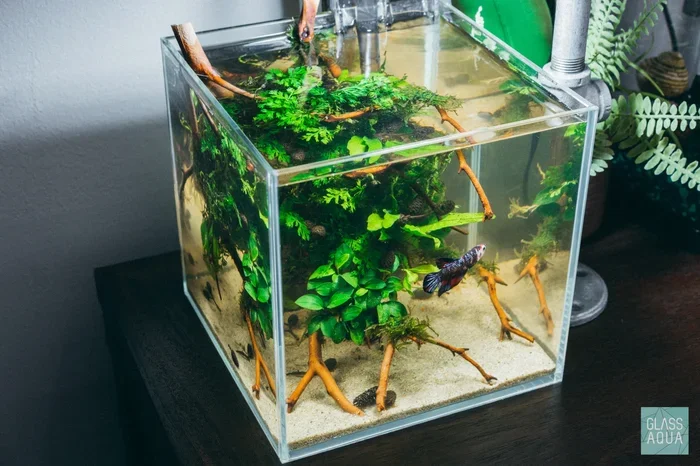
Add a few plants, smooth rocks, and hiding spots. Live plants are best because they help absorb nitrates and produce oxygen. Just make sure the decorations do not have sharp edges that could tear your betta’s fins.
For more ideas, check out our guide on how to decorate a betta fish bowl to create a beautiful and safe home.
Step 4: Cycle the Bowl Before Adding Your Betta
Never add your betta to a brand new bowl right away. The bowl needs to go through a nitrogen cycle first. This process grows beneficial bacteria that break down harmful waste. It usually takes 2 to 4 weeks. You can learn the full process in our article on how to do a fish in cycle with betta.
Step 5: Perform Regular Maintenance
Even with a filter, you need to do regular water changes. Aim for a 25 to 30 percent water change every week. Use a gravel vacuum to remove debris from the bottom. Always treat new water with a conditioner to remove chlorine and chloramine.
For a full maintenance schedule, read our guide on how to maintain a betta fish bowl.
Common Mistakes People Make With Betta Bowls
Even well-meaning fish keepers make mistakes. Here are the most common ones and how to avoid them.
Using Too Small a Bowl
A tiny bowl looks cute, but it is terrible for your betta. Small volumes of water change temperature and chemistry fast. Your betta will become stressed and sick. Always go with at least 5 gallons.
Skipping the Filter
Some people believe bettas do not need a filter because they live in slow-moving water in the wild. But even in the wild, water stays clean through natural processes. In a bowl, a filter is essential to remove waste and keep the water clear.
Overfeeding Your Betta
Overfeeding is a common problem. Uneaten food rots in the water and raises ammonia levels. Feed your betta 2 to 3 pellets twice a day. Remove any uneaten food after a few minutes. You can find more feeding tips in our guide on how many pellets to feed a betta fish.
Not Doing Enough Water Changes
Even with a filter, waste builds up over time. Skipping water changes leads to cloudy water and unhealthy fish. Set a schedule and stick to it. Your betta will live longer and stay more active.
Adding the Wrong Tank Mates
Not all fish get along with bettas. Avoid fish with bright colors or long fins, as your betta may see them as rivals. Also avoid fin nippers like tiger barbs. If you are unsure, it is safest to keep your betta alone.
Quick Tips for a Happy Betta in a Bowl
Here are some fast tips to keep your betta healthy and thriving:
- Keep the water temperature stable between 76 and 82 degrees Fahrenheit.
- Test water parameters weekly using a liquid test kit.
- Add live plants to improve oxygen and absorb waste.
- Avoid placing the bowl in direct sunlight, which can cause temperature swings and algae growth.
- Watch for signs of stress like clamped fins, loss of color, or hiding constantly.
- Use a gentle sponge filter to avoid strong currents that tire your betta out.
- Keep the bowl away from drafts and cold corners of the room.
Following these tips will help your betta live a long and healthy life. A happy betta is a colorful, active betta that shows off its beautiful fins every day.
Conclusion
The answer to how many betta fish in a bowl is clear. One betta per bowl is the golden rule. Bettas are solitary fish that need their own space to thrive. Overcrowding leads to stress, poor water quality, and a shortened lifespan. By giving your betta a properly sized bowl with a filter, heater, and plants, you create a home where your fish can truly flourish.
Remember to keep up with regular maintenance. Weekly water changes, proper feeding, and careful observation go a long way. Your betta depends on you for its well-being. Put in the effort, and you will be rewarded with a stunning, healthy fish that brings joy to your home for years to come.
Take what you have learned here and put it into action. Your betta fish will live a better life because of it.
Frequently Asked Questions
Can a betta fish live alone in a bowl?
Yes, betta fish are perfectly happy living alone. In fact, they prefer it. Bettas are territorial and do best when they have their own space. Keeping one betta in a bowl reduces stress and prevents aggression.
What is the smallest bowl size for a betta fish?
The smallest recommended bowl size is 3 gallons, but 5 gallons is ideal. A smaller bowl makes it harder to maintain stable water conditions. Always aim for at least 5 gallons for the best results.
Can two betta fish live in the same bowl?
No, two male bettas should never share a bowl. They will fight and may injure or kill each other. Even two female bettas can become aggressive in a small space. Always keep one betta per bowl.
How often should I clean a betta fish bowl?
Perform a 25 to 30 percent water change every week. Use a gravel vacuum to remove waste from the bottom. Also rinse the filter media in old tank water once a month to keep beneficial bacteria alive.
Do betta fish need a filter in their bowl?
Yes, a filter is essential. It removes harmful toxins and keeps the water clean. A small sponge filter works well for bowls and provides gentle flow that bettas are comfortable with.
Can betta fish live in a bowl without a heater?
It is not recommended. Bettas need warm water between 76 and 82 degrees Fahrenheit. Room temperature water is often too cold and can make your betta sluggish or sick. A small heater keeps the water at a safe and stable temperature.