What’s the Best Water for Betta Fish
Choosing the best water for your betta fish isn’t about a single “magic” type—it’s about creating and maintaining stable, clean, properly conditioned water that meets their specific tropical needs. Tap water is the most common and suitable source when properly treated with a dechlorinator and monitored for parameters. Avoid distilled or reverse osmosis water without remineralization, as it lacks essential minerals and can harm your fish. The key is consistency: a cycled tank with a heater, filter, and regular water changes using treated water will always outperform any single water source choice.
So, you’ve brought home that stunning, flowing-finned betta fish. You’ve picked out a beautiful tank, some vibrant plants, and maybe a cool decoration or two. You’re all set, right? Not quite. Beneath the surface of that tranquil setup lies the single most critical factor determining your betta’s health, vibrancy, and lifespan: the water itself. It’s the one thing they are completely surrounded by, 24 hours a day. They breathe it, absorb it through their skin, and live their entire lives within it. Asking “what’s the best water for betta fish?” is one of the most important questions a betta owner can ask. The answer, however, is more nuanced than simply “bottled” or “distilled.” It’s about understanding chemistry, stability, and the biological processes that make water a life-support system, not just a habitat. Let’s dive deep into everything you need to know to get your betta’s water absolutely right.
Key Takeaways
- Stable, conditioned tap water is the gold standard: For most hobbyists, properly treated tap water provides the ideal mineral balance and stability for bettas. Always use a water conditioner to neutralize chlorine, chloramines, and heavy metals.
- Water parameters are non-negotiable: Bettas require warm (76-82°F/24-28°C), slightly acidic to neutral (pH 6.5-7.5) water with low to moderate hardness. Consistent parameters are more critical than hitting an exact number.
- Never use untreated tap, distilled, or RO water: Chlorine in tap water is lethal. Distilled/RO water is too pure, causing osmotic shock and leaching minerals from the fish’s body.
- The nitrogen cycle is the foundation of water quality: A fully cycled tank with beneficial bacteria converts toxic fish waste into less harmful substances. This biological filtration is more important than the water source itself.
- Regular maintenance trumps water source perfection: Consistent partial water changes (25-50% weekly) with conditioned water are the single most important action you can take for long-term betta health, regardless of your water source.
- Acclimate slowly and carefully: Even with perfect water, a sudden change in temperature, pH, or chemistry during a water change can shock and kill your betta. Always drip-acclimate or use a slow mixing method.
📑 Table of Contents
- Why Water Quality is a Life-or-Death Matter for Bettas
- The Critical Water Parameters: What to Aim For and Why
- The Water Source Showdown: Tap, Bottled, Distilled, RO?
- Conditioning and Treatments: Your Water’s First Aid Kit
- The Nitrogen Cycle: Your Tank’s Invisible Purification System
- Practical Maintenance: Keeping the Best Water Best
- Common Mistakes and How to Avoid Them
- Conclusion: The Best Water is Consistent, Cycled, and Conditioned
Why Water Quality is a Life-or-Death Matter for Bettas
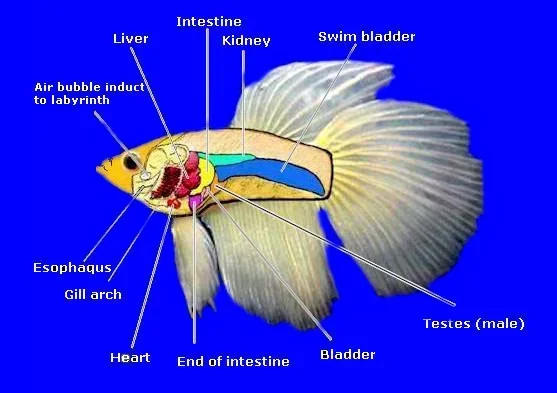
Before we talk about *which* water, we must understand *why* it matters so profoundly. Bettas, or Siamese fighting fish, are anabantoids. This means they possess a special breathing organ called a labyrinth, which allows them to gulp air from the surface. This adaptation lets them survive in stagnant, oxygen-poor water in the wild—a trait that unfortunately leads to the deadly myth that they can live in dirty, unmaintained bowls. While they *can* survive in poor conditions, they absolutely do not *thrive*. Their natural habitat is the slow-moving, warm, vegetated waters of Thailand’s rice paddies and shallow streams. These waters are warm, slightly acidic, and surprisingly clean due to the massive amount of plant life and biological activity that processes waste.
In captivity, the confined space of a tank means waste (ammonia from gills and urine, uneaten food, decaying plant matter) builds up rapidly. Ammonia is a silent, fast-acting killer that burns gills and damages organs. Without a proper nitrogen cycle, that ammonia just accumulates. Even at low levels, it causes stress, suppresses the immune system, and leads to diseases like fin rot. Poor water quality is the number one cause of betta illness and premature death. So, the “best” water is the water that most effectively and stably manages these toxins, maintains consistent temperature and chemistry, and supports the beneficial bacteria that do the dirty work for us. It’s not about being “pure”; it’s about being balanced and biologically active.
The Myth of the “Natural” Bowl
Let’s quickly debunk the biggest myth: the betta in a tiny, unheated, unfiltered bowl. This setup is the antithesis of their natural environment. A small volume of water experiences massive, rapid swings in temperature and chemistry. There’s no capacity for beneficial bacteria to establish a stable cycle. The surface tension is high, making it hard for them to gulp air. The “best” water for a betta is not found in a vase on a desk; it’s found in a properly set up aquarium of at least 5 gallons (19 liters), ideally 10 gallons (38 liters) or more, with a heater and a gentle filter.
The Critical Water Parameters: What to Aim For and Why
Now for the numbers. Think of these parameters as your betta’s vital signs. You don’t need to obsess over them daily once stable, but you must know what they are and how to achieve them. The goal is stability above all else. Sudden changes are more dangerous than being slightly outside the ideal range.
Visual guide about What’s the Best Water for Betta Fish
Image source: wallpapers.com
Temperature: The Non-Negotiable Tropical Requirement
This is the most common and critical failure point. Bettas are tropical fish. Their immune system, metabolism, and digestion are all optimized for warm water. The ideal temperature range is 76°F to 82°F (24°C to 28°C). The sweet spot for most is 78-80°F (25.5-26.5°C).
Why it’s vital: Below 76°F, their metabolism slows, digestion becomes inefficient (leading to constipation and swim bladder issues), and their immune system cripples, making them susceptible to diseases like velvet and ich. Above 82°F for extended periods, oxygen levels drop dangerously low, and the fish becomes stressed and overheated.
The Solution: You must use an adjustable aquarium heater with a built-in thermostat. Never rely on room temperature, especially in cooler climates or during winter/nighttime. A 25-50 watt heater is appropriate for a 5-10 gallon tank. Use a reliable thermometer (digital stick-on or glass) to verify the actual temperature, as heater dials can be inaccurate.
pH: The Acidity/Alkalinity Scale
pH measures how acidic or alkaline the water is, on a scale of 0-14, with 7 being neutral. Bettas prefer slightly acidic to neutral water: pH 6.5 to 7.5. Their natural tannin-stained habitats are on the acidic side.
Why it matters: A stable pH prevents stress. A rapidly fluctuating pH (common in small, uncycled volumes) is a major stressor. The danger isn’t necessarily a pH of 6.0 or 7.8 if it’s stable; the danger is when it swings wildly from, say, 6.5 to 7.8 in a day. Your tap water’s pH is what you should work with, not try to drastically force it. If your tap is consistently at 8.2, you have a harder challenge, but stability is still key—don’t try to acidify it daily.
Testing is key: Use a liquid test kit (like API Master Test Kit) or high-quality test strips to know your baseline. Do not use pH adjustment chemicals (“pH up/down”) as they cause violent swings. If you must gently lower pH for a stable, low-end reading, use natural methods like adding Indian almond (ketapang) leaves or driftwood, which release tannins slowly.
Hardness (GH & KH): The Often-Forgotten Parameter
General Hardness (GH) measures calcium and magnesium ions. Carbonate Hardness (KH) measures the water’s buffering capacity—its ability to resist pH swings. Bettas prefer soft to moderately hard water: GH of 3-10 dGH (50-170 ppm) and KH of 3-6 dKH (50-100 ppm).
Why it matters: GH affects osmoregulation (how the fish manages fluids and minerals). Very hard water can lead to mineral buildup on gills and organs over time. KH is the unsung hero of pH stability. A higher KH means a more stable pH that resists sudden drops (a “pH crash”), which is deadly. A KH below 3 dKH is risky for stability.
What to do: Most municipal tap water is in the acceptable range. If your GH is very high (common in well water or some regions), you can blend with a little distilled/RO water. If your KH is very low (common in soft water areas), you may need to add a commercial KH booster or use crushed coral in your filter to gently raise it and buffer pH.
The Water Source Showdown: Tap, Bottled, Distilled, RO?
Now we get to the core question: what actual water should you put in the tank? Let’s evaluate the common sources.
Visual guide about What’s the Best Water for Betta Fish
Image source: vocabularypoint.com
Municipal Tap Water: The Champion (When Treated)
For the vast majority of betta keepers, properly conditioned tap water is the best, easiest, and most consistent choice. It contains a beneficial balance of minerals (calcium, magnesium, potassium) that are essential for osmoregulation, nerve function, and overall fish health. It also typically has a decent KH for pH buffering.
The Crucial Step: You must treat it with a water conditioner/dechlorinator before it touches your fish or tank. This product instantly neutralizes chlorine (added to kill bacteria in the water supply) and chloramines (a more stable, longer-lasting disinfectant). It also often detoxifies heavy metals and ammonia. Seachem Prime is the industry gold standard for its high concentration and ammonia-binding capability. Always dose conditioner into the new water before adding it to the tank, or add it to the tank itself during a water change.
Bottled Spring Water: The Inconsistent Contender
This is a popular choice for people who distrust their tap. The problem is inconsistency. Brands vary wildly in mineral content (GH/KH), pH, and even the presence of additives. One bottle might be perfect, the next might be too hard or too soft. It’s also incredibly expensive over time and creates plastic waste. There’s no guarantee it’s betta-safe. Some brands add sodium for taste, which is terrible for freshwater fish. Generally not recommended due to cost, inconsistency, and unknown mineral profiles.
Distilled Water & Reverse Osmosis (RO) Water: The Danger Zone
Never, under any circumstances, use pure distilled or RO water directly in your betta tank. These processes strip water of all minerals—the good and the bad. It becomes “soft” in the extreme, with virtually 0 GH and 0 KH. When a fish is placed in this water, a dangerous process called osmotic shock occurs. Fluids and essential minerals are leached violently from the fish’s body into the pure water to try and balance the concentration gradient. This is incredibly stressful and can kill a fish quickly. It also has no buffering capacity, so the pH can plummet (crash) with any biological activity, like a piece of waste decomposing. RO/DI water is only suitable if you meticulously “remineralize” it with a commercial salt mix designed for freshwater (like Seachem Equilibrium for GH, and Alkaline Buffer for KH) to specific, stable parameters. This is a advanced technique for expert hobbyists with very poor source water, not a beginner solution.
Well Water: The Variable Wild Card
If you have a private well, you must test it. It may be free of chlorine/chloramines (a plus), but it could be extremely hard (high GH), have high iron content, or be contaminated with nitrates or other agricultural runoff. You must test for everything. A conditioner will still handle any chlorine. You may need a pre-filter for sediment or iron. The high hardness might require dilution with a small amount of RO water over time.
Conditioning and Treatments: Your Water’s First Aid Kit
Assuming you’re using tap water (the recommended path), here’s your essential toolkit.
Visual guide about What’s the Best Water for Betta Fish
Image source: buildyouraquarium.com
The Water Conditioner: Your #1 Essential Product
As stated, this is non-negotiable. It’s cheap, a few drops per gallon, and instantly makes tap water safe. Prime is the favorite because it also detoxifies ammonia and nitrite for 48 hours, which is a lifesaver during a cycling emergency or if you accidentally overstock. Always have a bottle on hand. Dose according to the instructions on the bottle for the volume of water you are adding.
Testing Your Water: Knowledge is Power
You cannot manage what you do not measure. You need to test your tank water regularly, especially during the initial cycle and after any water change.
- Liquid Test Kit (API Master Test Kit): The gold standard for accuracy. Tests ammonia, nitrite, nitrate, pH, and high-range pH. Lasts a long time and is worth every penny.
- Test Strips: Faster and easier but less accurate, especially for ammonia and nitrite. Can be a good quick-check tool if you also have a liquid kit for confirmation.
- What to test for: During cycling: Ammonia, Nitrite, Nitrate. Once cycled: Nitrate (to know when to change water), pH, and occasionally GH/KH if you have concerns.
When (and When NOT) to Use Additives
Do NOT use:
- pH Up/Down chemicals: They cause violent, dangerous swings. Fix the root cause (low KH) instead.
- “Salt” for freshwater fish: Do not add aquarium salt (sodium chloride) routinely to a freshwater betta tank. It’s used as a short-term treatment for some external parasites or to reduce swelling, but long-term use stresses freshwater fish by forcing them to constantly expel excess salt. Bettas do not need salt in their water.
Consider using:
- Indian Almond Leaves (IAL) or Blackwater Extract: These release tannins and humic acids, which have mild antibacterial/fungal properties, lower pH slightly, and mimic the betta’s natural stained water. Many bettas seem to love it, and it can reduce stress. It’s a natural conditioner, not a medication.
- Probiotics: Products like Microbe-Lift or Seachem Stability can help boost the beneficial bacteria population, especially during a new cycle or after a major water change/medication.
The Nitrogen Cycle: Your Tank’s Invisible Purification System
This is the biological process that makes a tank safe for fish. It is the single most important concept in fishkeeping. You cannot have “best water” without a cycled tank.
How the Cycle Works
1. Ammonia (NH3/NH4+) is produced from fish waste, uneaten food, and decaying matter. It is highly toxic.
2. A bacteria called Nitrosomonas converts ammonia into Nitrite (NO2-), which is also highly toxic.
3. A second bacteria, Nitrospira, converts nitrite into Nitrate (NO3-), which is much less toxic and can be removed by water changes or plants.
This process takes 4-6 weeks to establish fully. You must “cycle” the tank before adding your betta, using a source of ammonia (pure ammonia, fish food, or a “cycle starter” product) to grow these bacteria colonies, primarily on your filter media, substrate, and decorations.
Cycling Methods for a Betta Tank
The Fishless Cycle (Recommended): Add pure ammonia (like Janitor’s Strength Ammonia) to an empty tank with filter running, to 2-4 ppm. Test daily. When ammonia drops and nitrite appears, add more ammonia. Once nitrite drops and nitrate appears, and you can add ammonia and see it convert to nitrate within 24 hours, the cycle is complete. Do a massive water change to remove nitrate, then add your betta. Safest for the fish.
The Silent Cycle: Heavily plant the tank with fast-growing plants (elodea, hornwort, water wisteria). Plants consume ammonia directly. You can add the betta sooner, but you still need to monitor parameters closely. The filter bacteria still need to establish.
Never “cycle with fish” (especially a betta): Using your betta as the ammonia source is cruel and dangerous. The rising ammonia and nitrite will poison and potentially kill it. The stress from poor water during this process often leads to disease.
Practical Maintenance: Keeping the Best Water Best
Cycling gets you to “safe.” Maintenance keeps you there. This is the routine that makes the difference between a thriving betta and a struggling one.
The Weekly Water Change Ritual
This is the cornerstone. Even with a filter, you must remove old, nitrate-laden water and replace it with fresh, conditioned water.
- Frequency & Volume: 25-50% weekly for a filtered tank. For a small, unfiltered “bowl” (which we don’t recommend), you’d need 100% daily, which is stressful. A filter allows for less frequent, larger changes.
- The Process:
1. Prep new water: Fill a clean container (dedicated bucket) with tap water. Add the correct dose of water conditioner. Let it sit for 15-30 minutes to reach room temperature and for the conditioner to work.
2. Match temperature: The new water must be within 1-2°F (0.5-1°C) of the tank water. Use an aquarium thermometer to check. Never add cold water to a warm tank.
3. Turn off filter/heater (optional but safe): Some prefer to turn off the heater during the change to prevent it from being exposed to air and cracking. If you do, turn it back on before the tank is full.
4. Siphon out old water: Use a gravel vacuum to clean the substrate as you remove water. This pulls out debris and waste trapped in the gravel.
5. Gently add new water: Pour the new conditioned water slowly over a plate, a decoration, or your hand to avoid disturbing the substrate and stressing the fish. Do not pour directly onto the fish.
6. Restart equipment. - Never, ever change 100% of the water at once. This wipes out your beneficial bacteria (which live in the filter media and substrate) and causes a massive pH and chemistry shock.
- Rinse gently: Once a month (or when flow slows), take the filter media out and rinse it in the old tank water you just siphoned out during the water change. This water contains bacteria and won’t shock them. Never use tap water—the chlorine will kill the bacteria.
- Never replace all media at once: If you need to replace a filter cartridge, do it a few weeks apart, or cut the old one in half and keep the half with the most bacteria. Place the new media alongside the old for a few weeks.
Filter Maintenance: Don’t Wash Away Your Bacteria
Your filter media (sponges, bio-balls, ceramic rings) is where the beneficial bacteria live. When you clean it, you must preserve this colony.
Common Mistakes and How to Avoid Them
Let’s review the pitfalls that even well-meaning betta owners fall into.
Mistake 1: Using Untreated Tap Water
This is the #1 beginner error. Chlorine/chloramines are invisible killers. Always, always, always use a conditioner. No exceptions.
Mistake 2: Ignoring Temperature
Putting a betta in a room-temperature “vase” or bowl. Get a heater. Get a thermometer. Trust the thermometer, not the heater dial.
Mistake 3: Over-Cleaning and Over-Changing
The desire to have “pristine” water leads some to scrub every surface, wash all decorations in tap water, and change 75% of the water weekly. This destroys the biological filter and causes constant stress. Clean the glass, prune plants, vacuum gravel. But leave filter media alone except for a gentle rinse in old tank water. Stick to 25-50% changes.
Mistake 4: Using “Betta Water” or “Bottled for Fish” Products
These are often just overpriced, lightly mineralized water in plastic bottles. They are inconsistent and a waste of money. Conditioned tap water is superior.
Mistake 5: Adding Fish Immediately to a New Tank
The new tank syndrome. A brand-new tank has zero beneficial bacteria. Adding a betta puts it in a toxic soup of its own waste. Cycle the tank fully first. Use a water tester to confirm ammonia and nitrite are at 0 ppm and nitrate is present before adding the fish.
Mistake 6: Not Drip-Acclimating
Even if your tank water is perfect, the betta came from the store in a different bag of water with different parameters. Dumping him in causes shock. Float the bag for 15-30 minutes to equalize temperature. Then, open the bag and use a airline tubing drip to slowly add tank water to the bag over 45-60 minutes. Finally, net the betta out (don’t add store water to your tank) and place him in the tank. This eases him into your parameters.
Conclusion: The Best Water is Consistent, Cycled, and Conditioned
So, what’s the final answer? The best water for your betta fish is the water from your tap, treated with a high-quality water conditioner, maintained at a stable tropical temperature (78-80°F), with a stable pH between 6.5-7.5, and housed in a fully cycled, filtered aquarium where you perform regular, gentle water changes. It’s not a special brand. It’s not a mysterious elixir. It’s the product of understanding and respecting the basic principles of aquatic chemistry and biology.
Your betta doesn’t need “special” water. He needs stable, clean, warm water that is free of chlorine and maintained through a balanced ecosystem. Invest in a good heater, a reliable filter, a liquid test kit, and a bottle of Seachem Prime. Cycle your tank properly before introducing your fish. Then, stick to a simple maintenance routine. Do this, and you will provide the literal foundation for your betta to display its brilliant colors, build its bubble nest, and live a vibrant, healthy life for three, five, or even more years. The best water isn’t a product you buy; it’s a system you build and maintain.
Frequently Asked Questions
Can I use bottled water for my betta fish?
Generally, no. Bottled water varies wildly in mineral content and pH, making it inconsistent. Some brands have additives like sodium that are harmful. It’s also expensive and environmentally unfriendly. Conditioned tap water is a more reliable and cost-effective choice for most.
How often should I change my betta’s water?
In a filtered tank of 5 gallons or more, perform a 25-50% water change once a week. This removes nitrate buildup and cleans the substrate. Never change 100% of the water at once, as this destroys beneficial bacteria and shocks the fish. Always use conditioned water at the same temperature as the tank.
Is tap water safe for bettas if I don’t have a conditioner?
Absolutely not. Tap water contains chlorine and/or chloramines to make it safe for human consumption, but these chemicals are lethal to fish. A water conditioner is the single most important and inexpensive product you can buy for your betta. It must be used every time you add new water to the tank.
What temperature should my betta’s water be?
Bettas require tropical temperatures between 76°F and 82°F (24°C – 28°C), with 78-80°F (25.5-26.5°C) being ideal. You must use an adjustable aquarium heater with a thermostat to maintain this range reliably. Room temperature is almost always too cool and will severely compromise your betta’s immune system.
Can I use distilled water for my betta tank?
No. Distilled water has had all minerals removed. Putting a fish in it causes severe osmotic shock, where vital minerals leach from the fish’s body into the water. It also has no buffering capacity, causing dangerous pH crashes. It is only safe if you first remineralize it with specific freshwater salts, which is an advanced technique.
My tap water pH is 8.2. Is that too high for my betta?
A stable pH of 8.2 is at the upper limit but can be acceptable if it is consistent and your betta shows no signs of stress. The danger is in trying to force it down with chemical pH adjusters, which causes violent swings. Focus on maintaining excellent water quality and a stable temperature. If you want to gently lower it, add natural tannin sources like Indian almond leaves or driftwood, which lower pH slowly and naturally.