How to Be a Better Bank Fish for Bass
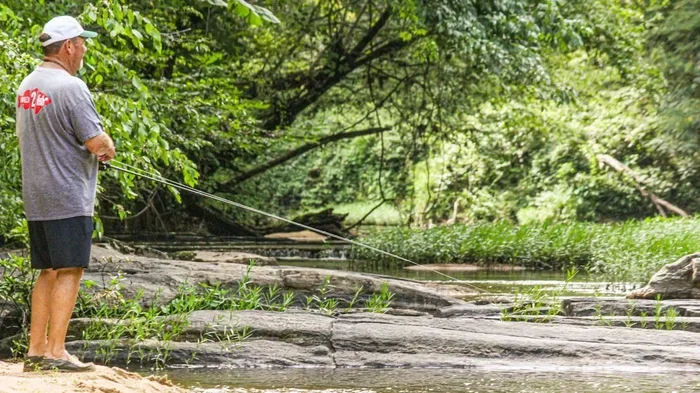
Bank fishing for bass is one of the most rewarding ways to catch big fish without a boat. This guide covers everything you need to know about becoming a better bank fish for bass, from choosing the right gear to mastering casting techniques. You will learn how to read water, pick the best spots, and avoid common mistakes that keep anglers from success. Whether you are new to shore fishing or looking to step up your game, these tips will help you catch more bass from the bank.
There is something special about bank fishing for bass. No boat. No motors. Just you, the water, and the thrill of feeling a big bass hit your line from the shore. Whether you fish local ponds, riverbanks, or lake edges, learning how to be a better bank fish for bass can transform your entire fishing experience.
Many anglers spend thousands on boats and fancy gear but never learn the basics of shore fishing. The truth is, some of the best bass fishermen in the world started on the bank. They learned to read water, understand bass behavior, and perfect their casting without the luxury of a boat. This guide will walk you through the same steps. You will build a strong foundation that helps you catch more bass from the shore, every single time.
Bank fishing gives you a unique advantage. You can access spots that boat anglers cannot reach easily. You move quietly and can adapt quickly to changing conditions. But to truly succeed, you need the right knowledge, the right gear, and the right mindset. That is exactly what this article delivers.
Key Takeaways
- Know Your Water: Understanding bass behavior and shoreline structure is the foundation of successful bank fishing.
- Gear Matters: The right rod, reel, line, and lure choices make a huge difference when fishing from the bank.
- Master Your Cast: Accuracy and technique outshine distance every time when targeting bass from shore.
- Water Knowledge Transfers: Skills from maintaining aquarium water quality can sharpen your understanding of natural water conditions.
- Patience Wins: The best bank fishermen stay calm, read the signs, and avoid rushing their approach.
- Timing Is Everything: Early morning, late evening, and seasonal shifts all affect bass activity from the bank.
📑 Table of Contents
Understanding Bass Behavior From the Bank
Before you ever cast a line, you need to understand what bass do and why they hold in certain areas. Bass are predatory fish that rely on structure, cover, and temperature to decide where they spend their time. When you fish from the bank, your ability to read these clues becomes even more important because you cannot cover as much water.
Reading the Water Like a Pro
Reading water is a skill that separates good bank fishermen from great ones. Look for areas where the water changes depth quickly. These drop-offs create natural highways that bass use to move around. Also watch for submerged rocks, fallen trees, and patches of aquatic vegetation. These structures give bass a place to hide and ambush prey.
Current also plays a big role. Bass love to sit in areas where the current slows down but food still flows by. Edges of current seams, behind rocks, and inside river bends are all prime bank fishing spots. Pay attention to the surface. If you see baitfish jumping or birds diving, there are likely bass feeding below.
Finding the Best Bank Fishing Spots
Not every spot along a shoreline is equal. The best bank fishing locations share a few key features. Look for places where the bank has a slight curve or bend. These areas tend to concentrate food and create natural holding spots for bass. Also look for areas with shade, especially during the hot summer months. Bass seek cooler water and shade during the heat of the day.
Another great spot is where a creek or stream enters a lake or pond. The incoming water brings food and oxygen, which draws bass in. Even small changes in the bank terrain can make a big difference. A single fallen log or a cluster of rocks can hold bass all season long.
Essential Bank Fishing Gear for Bass
Having the right gear makes bank fishing for bass much more enjoyable and productive. You do not need the most expensive equipment, but you do need gear that is well suited for shore casting and fighting bass.
Choosing the Right Rod and Reel
A medium to medium-heavy spinning rod between six and seven feet long is the sweet spot for bank fishing. This length gives you enough leverage for solid casts while still being easy to handle from the shore. Pair it with a quality spinning reel that has a smooth drag system. You want a reel that retrieves line steadily without tangles or slack.
For baitcasting setups, a medium-heavy rod with a fast action works well. Baitcasting reels give you more control when casting heavier lures. However, they do have a steeper learning curve. If you are just starting out, a spinning setup is the easier path to success.
Line and Lure Selection
Your choice of line matters more than many beginners realize. A braided line in the 20 to 30 pound range gives you excellent sensitivity and strength for fighting bass from the bank. You can also use fluorocarbon leader material to make your presentation less visible in clear water.
When it comes to lures, variety is key. Soft plastic worms, spinnerbaits, crankbaits, and topwater lures all work well from the bank. Match your lure to the water conditions and the time of year. In murky water, go with bright colors or noisy lures that bass can locate by vibration. In clear water, choose more natural colors and subtle presentations.
Casting Techniques That Catch More Bass
Casting from the bank is an art form. The best bank fishermen can place their lures exactly where they want them, even in tight spots. This level of precision comes from practice and understanding how your gear performs.
Accuracy Beats Distance Every Time
Many beginners focus on casting as far as possible. But distance means nothing if your lure lands in the wrong spot. When bank fishing for bass, accuracy is far more important than distance. Aim for specific targets like the edge of a dock, under a tree branch, or along a patch of grass at the water’s edge.
Practice casting at targets on land before you hit the water. Set up targets at different distances and work on hitting them consistently. This simple exercise will dramatically improve your casting accuracy and help you reach the spots where bass actually hide.
Working Different Types of Cover
Bass relate to cover in different ways depending on the type. When you fish around docks, let your lure sit near the pilings and work it slowly. Around fallen trees, make pitch casts into the gaps and let your lure fall naturally through the branches. In grassy areas, use a weedless rig and slow roll your lure over the top of the vegetation.
Each type of cover holds bass differently, and your presentation needs to match. Pay attention to how the bass react to your lure. If one approach is not working, switch it up. Try a different speed, a different depth, or a different angle of approach. Flexibility is what makes a bank fisherman truly effective.
Water Knowledge That Boosts Your Bank Fishing
Here is a secret that many shore fishermen overlook. The skills you develop from caring for fish in an aquarium directly translate to understanding bass behavior in natural water. When you learn about water quality, temperature, and cycling in a tank, you gain a deeper appreciation for what bass need in the wild.
For example, if you have ever set up a tank and learned how to set up a fish tank properly, you already understand the importance of stable water conditions. Bass in natural water are just as sensitive to temperature swings, oxygen levels, and water clarity. Your experience with maintaining a healthy aquarium gives you a real edge when reading natural water bodies.
Similarly, understanding how to prepare water for fish teaches you about chlorine, pH levels, and temperature balance. These same factors affect bass in rivers and lakes. When you know what clean, healthy water looks like, you can better identify the spots where bass will be most active.
Another valuable skill comes from understanding how to cycle a tank and maintain biological filtration. When you know how a fish tank cycle works, you understand how beneficial bacteria break down waste and keep water safe. In natural water, these same biological processes shape the health of the ecosystem. Bass follow the food, and the food follows the water quality.
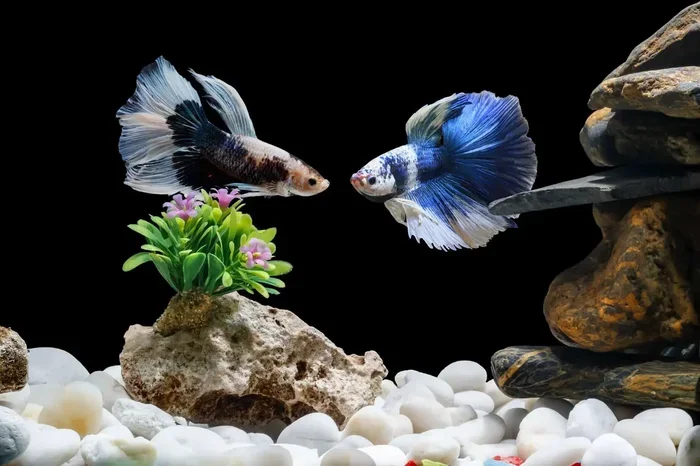
Finally, your general knowledge of how to care for a betta fish or other aquarium fish builds your overall understanding of fish behavior. You learn to observe how fish respond to their environment, what stresses them, and what makes them active and feeding. These observation skills are priceless when you stand on the bank watching the water for signs of bass activity.
Proven Strategies for Bank Fishing Success
Now that you understand the water and have the right gear, it is time to put it all together with proven strategies that consistently produce results.
Timing Your Fishing Sessions
The time of day has a massive impact on bass activity. Early morning, just before and after sunrise, is one of the best times to fish from the bank. Bass are actively feeding during low light conditions. Late afternoon and early evening offer another excellent window. During the middle of the day, especially in summer, bass often move deeper or retreat to heavy shade.
Seasonal patterns also matter. In spring, bass move shallow to spawn, making them easier to reach from the bank. In summer, they seek cooler, deeper water near structure. In fall, bass feed aggressively to build up fat reserves before winter. Winter bank fishing can be slow but productive during warm afternoons when bass move to shallower water to feed.
Reading Weather and Its Effect on Bass
Weather changes trigger bass activity in powerful ways. A falling barometer before a storm often triggers aggressive feeding. After a storm passes, bass may be less active for a day or two. Overcast days can be excellent for bank fishing because the reduced light makes bass feel safer moving into shallow water.
Wind also plays a role. A light breeze pushes plankton and baitfish toward the shore, which draws bass in behind them. Fishing the wind-blown bank on the side where the wind is blowing can be incredibly productive. But strong winds make casting difficult and keep you from making accurate presentations.
Patience and Observation
The best bank fishermen are patient observers. They watch the water, notice bird activity, and look for signs of baitfish before making a single cast. They also give each spot enough time. Too many anglers move every few minutes without giving a location a real chance. Pick a promising spot, work it thoroughly from different angles, and give the bass time to find your lure.
Common Mistakes Bank Fishermen Make
Avoiding common errors will save you hours of frustration and help you catch more bass from the shore.
Rushing the Process
Bank fishing requires patience. Many beginners show up, make a few casts, and leave if they do not get a bite right away. But bass in any body of water have patterns, and you need time to figure them out. Give each spot at least 15 to 20 minutes of focused effort before moving on. Keep track of what works and what does not so you can refine your approach throughout the day.
Ignoring the Details
Small details make a big difference. Your line can get nicked or tangled. Your hooks can dull over time. Your knots can weaken if they are not tied properly. Take the time to check your gear before every session. Replace worn line, sharpen hooks, and tie your knots correctly. These small habits add up to more fish landed and more success on the bank.
Fishing the Same Way Every Time
Bass behavior changes with water conditions, temperature, and time of year. What worked yesterday might not work today. The best bank fishermen are adaptable. They carry a variety of lures and are willing to experiment with different presentations. If topwater is not producing, switch to a soft plastic. If fast retrieval is not working, slow it down. Being flexible and willing to try new approaches is what separates consistent anglers from the ones who go home empty-handed.
Final Thoughts on Becoming a Better Bank Fisherman
Becoming a better bank fish for bass is a journey that combines knowledge, practice, and patience. You now understand how to read water, choose the right gear, cast with precision, and apply proven strategies that put more bass in your net. You also understand how your broader knowledge of fish care and water quality gives you a unique advantage on the bank.
The most important thing to remember is that every fishing trip is a learning experience. Each session on the bank teaches you something new about bass behavior, water conditions, and your own skills. Stay curious, stay patient, and keep refining your approach. The bass will come. Trust the process, enjoy your time on the water, and celebrate every catch along the way.
Now grab your rod, head to your favorite shoreline spot, and put these tips into action. You are ready to be a better bank fisherman for bass. The water is waiting, and the next big fish could be just one cast away.
Frequently Asked Questions
What is the best time of day for bank fishing for bass?
Early morning and late evening are the most productive times for bank fishing. Bass are most active during low light conditions when they feel safe moving into shallow water to feed. Overcast days can also be excellent for shore fishing throughout the day.
Do I need expensive gear to catch bass from the bank?
No, you do not need expensive gear. A medium-heavy spinning rod, a quality spinning reel, and a solid selection of lures are all you need to get started. Focus on learning your technique and reading the water before investing in high-end equipment.
Can I catch bass from the bank in winter?
Yes, you can catch bass from the bank in winter, but the bite is slower. Bass move deeper and less active in cold water. Target warm afternoon hours and fish near structure and deeper drop-offs close to the bank for the best results.
What type of lure works best for bank fishing?
Soft plastic worms, spinnerbaits, and topwater lures are all excellent choices for bank fishing. The best lure depends on water conditions, cover, and the time of year. Carry a variety and be willing to switch if one type is not producing.
How important is casting accuracy for bank fishing?
Casting accuracy is extremely important. From the bank, you cannot cover as much water as boat anglers, so every cast needs to count. Practicing accuracy at home and focusing on precise presentations will dramatically improve your catch rate.
What should I look for when choosing a bank fishing spot?
Look for structure, cover, and depth changes along the shoreline. Submerged rocks, fallen trees, weed edges, and current seams all attract bass. Shade, creek mouths, and points extending into the water are also excellent bank fishing locations.
=== CONCLUSION ===
Learning how to be a better bank fish for bass is one of the most fulfilling journeys in freshwater fishing. You have covered the essentials from understanding bass behavior to mastering your casting technique. You have learned how to read water, choose the right gear, and avoid the common mistakes that hold most bank fishermen back.
Remember that every great bank fisherman started exactly where you are now. The difference is they kept learning, kept practicing, and kept enjoying their time on the water. Apply the tips in this guide, stay patient, and trust your instincts. The shoreline holds bass waiting for someone skilled enough to find them. That someone can be you.
Get out there, cast your line, and enjoy the art of bank fishing for bass. Your next big catch is closer than you think.