Is an Outdoorsy Fishing Rod Better
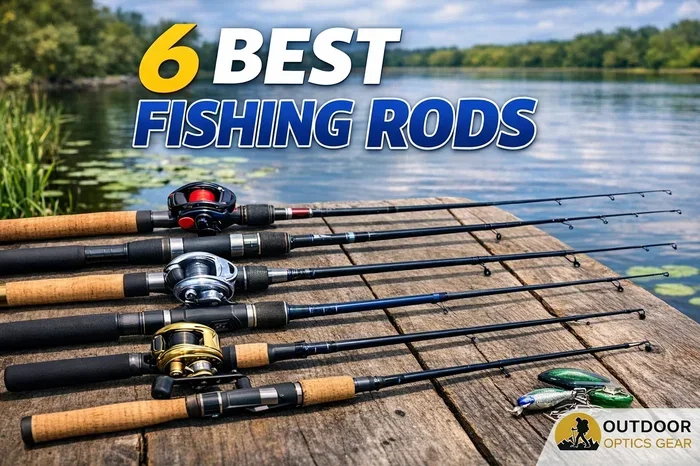
An outdoorsy fishing rod can be a game-changer for anglers who spend time in rugged conditions. These rods are built with durability, sensitivity, and versatility in mind. But are they truly better than standard rods? This guide breaks down everything you need to know about outdoor fishing gear and whether it’s worth the investment.
Fishing is one of the best ways to connect with nature. Whether you are casting from a quiet lake or battling a strong current in a river, the right gear makes all the difference. And at the center of that gear is your fishing rod.
But here is a question many anglers ask: is an outdoorsy fishing rod better than a regular one? The short answer is yes, in most cases. Outdoorsy rods are built with rugged conditions in mind. They are designed to handle wind, water, and rough terrain. But the full story is more nuanced than that.
In this guide, we will explore everything you need to know about outdoor fishing rods. We will look at what makes them different, when they shine, and when a standard rod might be the smarter choice. By the end, you will know exactly what to look for when shopping for your next fishing setup.
Key Takeaways
- Outdoorsy fishing rods are designed for durability: They handle rough conditions better than standard rods.
- Material matters a lot: Graphite, fiberglass, and composite rods each have unique strengths for outdoor use.
- Rod length and power affect performance: Longer rods cast farther, while heavier power handles bigger fish.
- Budget options exist: You don’t need to spend a fortune to get a solid outdoor fishing rod.
- Maintenance extends lifespan: Proper care keeps your rod performing well season after season.
- Match your rod to your fishing style: Different outdoor scenarios call for different rod setups.
📑 Table of Contents
- What Makes a Fishing Rod “Outdoorsy”?
- Types of Outdoorsy Fishing Rods
- How to Choose the Right Outdoorsy Fishing Rod
- Benefits of Using an Outdoorsy Fishing Rod
- Common Mistakes When Choosing an Outdoorsy Rod
- Expert Tips for Getting the Most from Your Outdoorsy Rod
- Quick Tips for Outdoor Fishing Success
- Conclusion
What Makes a Fishing Rod “Outdoorsy”?
Not all fishing rods are created equal. When we talk about an outdoorsy fishing rod, we mean a rod built for real-world conditions. These rods are not just for calm ponds or indoor tanks. They are meant for rivers, lakes, oceans, and everything in between.
So what sets them apart? Let us break it down.
Durability First
Outdoor fishing means unpredictable conditions. You might be casting in rain, fighting weeds, or dragging your rod across rocks. An outdoorsy rod is built to take a beating. The materials used are typically stronger and more resistant to wear and tear.
Fiberglass rods, for example, are incredibly tough. They can handle a lot of abuse without snapping. Composite rods blend materials for a balance of strength and sensitivity. If you fish outdoors regularly, durability should be your top priority.
Sensitivity and Power
Another key feature of an outdoorsy rod is sensitivity. You want to feel every bite, even in murky water. High-quality outdoor rods use sensitive materials that transmit vibrations clearly. This helps you detect fish faster and react quicker.
Power is equally important. Outdoor fishing often involves bigger fish. A rod with the right power rating lets you fight and land fish without breaking your line. The combination of sensitivity and power is what makes outdoor rods so effective.
Versatility Across Environments
One of the biggest advantages of an outdoorsy rod is versatility. You can use it in freshwater lakes, saltwater coasts, and everything in between. Some rods are specifically designed for surf fishing, while others work well for river fishing. This flexibility means you invest in one rod that does many jobs.
If you are curious about how rod length affects your fishing, check out our guide on Is A Longer Or Shorter Fishing Rod Better for more insights.
Types of Outdoorsy Fishing Rods
When you start shopping for outdoor fishing rods, you will see many options. Let us look at the most common types and what they are best for.
Spinning Rods
Spinning rods are the most popular choice for casual and experienced anglers alike. They are easy to use and work well with a wide range of lures. If you are new to outdoor fishing, a spinning rod is a great starting point.
These rods hang below the reel, which reduces tangles. They are perfect for lighter lines and smaller lures. Many anglers use spinning rods for bass fishing, trout fishing, and even saltwater applications.
Baitcasting Rods
Baitcasting rods offer more precision and control. They are favored by experienced anglers who want accuracy in their casts. These rods sit on top of the reel, which allows for heavier lines and lures.
Baitcasting rods excel at targeting larger fish species. They are ideal for bass fishing in lakes and rivers. However, they have a steeper learning curve. If you are just starting out, you might want to practice before investing in one.
Surf Rods
Surf rods are built for one purpose: casting from the shoreline into the ocean. They are long, powerful, and designed to handle strong currents and big fish. If you enjoy fishing from the beach, a surf rod is a must-have.
These rods can cast lures long distances, which is essential when fishing from the shore. They are also built to resist corrosion from saltwater. For anyone who loves ocean fishing, a surf rod is a top choice.
Telescopic Rods
Telescopic rods are compact and portable. They collapse down to a small size, making them perfect for hiking or travel. If you like to explore remote fishing spots, a telescopic rod saves space in your pack.
The trade-off is that they are often less sensitive than full-length rods. But for casual fishing or backup use, they work well. They are also a great option if you want a rod that fits in your car easily.
How to Choose the Right Outdoorsy Fishing Rod
Choosing the right rod can feel overwhelming. There are so many options, and each one serves a different purpose. Here is a simple guide to help you decide.
Consider Your Fishing Style
Think about where and how you fish most often. Do you cast from the shore or a boat? Do you target small panfish or large bass? Your fishing style determines the rod type, length, and power you need.
For example, if you fish from a kayak, you want a shorter, more manageable rod. If you fish from a pier, a longer rod gives you better casting distance. Matching your rod to your style is the first step in making a smart purchase.
Look at the Material
The material of your rod affects its weight, sensitivity, and durability. Here is a quick comparison:
| Material | Pros | Cons |
|---|---|---|
| Fiberglass | Very durable, affordable, flexible | Heavier, less sensitive |
| Graphite | Lightweight, highly sensitive | More expensive, can snap under pressure |
| Composite | Balances durability and sensitivity | Mid-range price point |
For most outdoor fishing situations, a composite or fiberglass rod offers the best balance. Graphite is great if you prioritize sensitivity and do not mind being gentle with your gear.
Check the Rod Length
Rod length affects casting distance and accuracy. Shorter rods (under 6 feet) are great for tight spaces and short casts. Longer rods (over 7 feet) cast farther and handle bigger fish better.
If you are unsure, a medium-length rod around 6.5 to 7 feet is a solid all-around choice. It gives you versatility without sacrificing performance in any one area.
When choosing between different rod designs, the number of guides matters too. You can read more about this in our article on Are More Guides On A Fishing Rod Better.
One-Piece vs Two-Piece Rods
This is another important decision. One-piece rods offer better sensitivity and strength because they have no joint. Two-piece rods are more portable and convenient for travel.
If you fish from a fixed spot, a one-piece rod is ideal. If you hike to fishing locations or travel often, a two-piece rod makes more sense. To dive deeper into this topic, check out our piece on Which Is Better 1 Piece Or 2 Piece Fishing Rod.
Benefits of Using an Outdoorsy Fishing Rod
So why should you invest in an outdoorsy fishing rod? Here are the biggest benefits that make them worth it.
- Built to last: Outdoor rods use tough materials that withstand rough handling and harsh conditions.
- Better casting distance: Longer and more powerful rods let you reach spots that are farther away.
- Improved fish detection: Sensitive rods help you feel bites sooner, which means more fish landed.
- All-around use: One good outdoor rod can handle multiple fishing scenarios, saving you money.
- Comfortable handling: Many outdoor rods feature ergonomic grips that reduce hand fatigue during long sessions.
- Corrosion resistance: Saltwater and freshwater both take a toll on gear. Outdoor rods are built to resist rust and damage.
These benefits add up quickly. Whether you are a weekend angler or a dedicated outdoor enthusiast, the right rod improves your entire experience.
Common Mistakes When Choosing an Outdoorsy Rod
Even experienced anglers sometimes make poor choices when buying fishing rods. Here are the most common mistakes to avoid.
Buying Based on Price Alone
A higher price does not always mean a better rod. Some expensive rods are overkill for casual fishing. On the other hand, budget rods can surprise you with their quality. Focus on features and materials rather than the price tag.
Ignoring Rod Power and Action
Rod power refers to how much pressure it takes to bend the rod. Action refers to where the rod bends. Choosing the wrong combination can make fishing frustrating. A rod that is too stiff might miss subtle bites, while one that is too soft might not fight big fish well.
Overlooking Maintenance
Even the best outdoorsy rod needs care. Rinse it with fresh water after saltwater trips. Store it properly to avoid warping. Clean the guides regularly to prevent line friction. A little maintenance goes a long way in extending your rod’s life.
Expert Tips for Getting the Most from Your Outdoorsy Rod
Want to level up your outdoor fishing game? Here are some expert tips that make a real difference.
- Match your line to your rod: Using the wrong line weight can damage your rod or reduce performance. Check the rod’s recommended line rating before spooling up.
- Practice your casting: Even the best rod performs poorly with poor technique. Spend time at a local park or pond to improve your casting accuracy.
- Keep your rod clean: Dirt and grime build up over time. A quick wipe-down after each trip keeps your rod in top shape.
- Store rods properly: Hang rods horizontally or use rod tubes. Avoid leaning them in tight spaces where they can bend or warp.
- Upgrade your guides: The guides on your rod affect line flow and casting distance. If your current guides are worn, replacing them can improve performance significantly.
For more tips on choosing the right rod for specific fish species, visit our guide on Which Rod Is Better In Fish.
Quick Tips for Outdoor Fishing Success
- Always check the weather before heading out. Fishing before or after rain can be very productive.
- Carry a backup rod. Outdoor conditions can be unpredictable, and having a spare saves the day.
- Use a rod holder when fishing from the shore. It keeps your rod steady and frees up your hands.
- Pack extra line and hooks. You never know when you will need a quick replacement.
- Learn to read the water. Understanding currents, depth, and structure helps you pick the perfect spot.
Conclusion
So, is an outdoorsy fishing rod better? The answer is a clear yes for most anglers. These rods are built to handle the demands of outdoor fishing. They are durable, sensitive, and versatile. Whether you fish lakes, rivers, or the ocean, the right outdoor rod makes a noticeable difference.
That said, the best rod is the one that fits your specific needs. Consider your fishing style, budget, and preferred environment before making a choice. Take your time, do your research, and invest in a rod that will serve you well for years to come.
With the right outdoorsy fishing rod in your hands, every trip becomes more enjoyable. You will cast farther, feel more bites, and land more fish. And that is what fishing is all about.
Frequently Asked Questions
What is an outdoorsy fishing rod?
An outdoorsy fishing rod is a rod designed for use in real-world outdoor conditions. It is built with durable materials like fiberglass or composite blanks, and it is meant to handle rain, rough terrain, saltwater, and heavy use. These rods are versatile enough for freshwater and saltwater fishing.
Are outdoorsy fishing rods more expensive?
Not necessarily. While some high-end outdoor rods can be pricey, there are plenty of affordable options that perform well. The key is to focus on materials and features rather than brand name. A mid-range composite rod often offers the best value for outdoor fishing.
Can I use an outdoorsy rod for ice fishing?
Yes, but it depends on the rod. Some outdoorsy rods are versatile enough for ice fishing, especially shorter models. However, dedicated ice fishing rods are designed for specific conditions. If you fish through the ice regularly, consider a rod built specifically for that purpose.
How often should I maintain my outdoorsy fishing rod?
You should rinse your rod with fresh water after every saltwater trip. A deeper cleaning and inspection every few weeks keeps the guides and reel seat in good shape. Regular maintenance prevents corrosion and extends the life of your rod significantly.
What length rod is best for outdoor fishing?
A medium-length rod between 6.5 and 7.5 feet works well for most outdoor fishing situations. It offers a good balance of casting distance, accuracy, and power. However, the ideal length depends on your fishing style and environment.
Is braided or monofilament line better for outdoorsy rods?
Braided line offers more strength and sensitivity, making it a popular choice for outdoor fishing. Monofilament is more forgiving and stretches, which can help absorb strikes. Many anglers use braided line on their outdoorsy rods for better performance in varied conditions.