How Soon Should I Feed My New Betta Fish
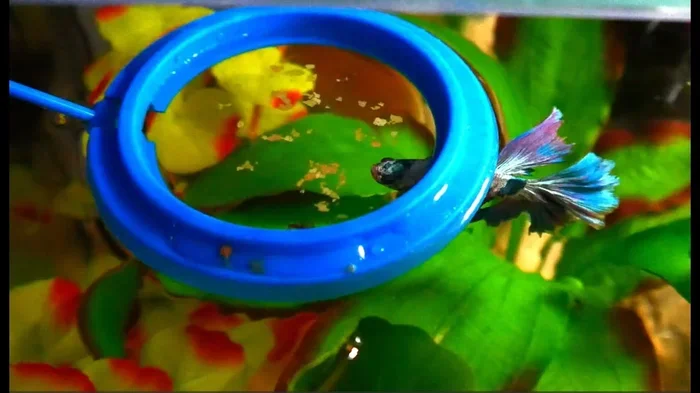
You should wait 24 to 48 hours before feeding your new betta fish. This resting period lets your fish recover from the stress of transport and adjust to a new environment. Feeding too early can cause digestive issues and water pollution, so patience is key to keeping your betta healthy and happy.
Bringing home a new betta fish is one of the most exciting moments for any fish keeper. Those brilliant colors, flowing fins, and curious personalities make bettas truly special pets. But one question almost every new betta owner asks is, “how soon should i feed my new betta fish?” The answer might surprise you.
Many beginners think they should feed their new fish right away. After all, a hungry fish seems like it needs food. But the reality is quite different. Giving your betta too much attention too soon can actually do more harm than good. Understanding the right feeding timeline is one of the most important steps in new betta fish care.
Your betta has just gone through a lot of stress. Whether it came from a pet store, a breeder, or a shipping box, the transition to a new home is tough. The water temperature, lighting, and tank setup are all completely different from what your fish is used to. During this adjustment period, your betta’s body is focused on coping with change, not digesting food.
## Why Waiting Matters Before You Feed
The first 24 to 48 hours after bringing your betta home are critical. During this time, your fish needs to acclimate to its new environment. The tank water, temperature, and surrounding conditions are all unfamiliar. Your betta is essentially figuring out where it is and how to stay safe.
Feeding too early can cause real problems. A stressed betta has a slower digestive system. Food sitting in the tank that goes uneaten will break down and pollute the water. This can spike ammonia levels, which is dangerous for your fish. A clean, stable tank environment is far more important than a full belly in the first day or two.
### The Stress of Transport
Think about what your betta has been through. If you picked it up from a store, it was likely in a small cup or bag for hours. If it was shipped, the journey could have been even longer. All of this adds up to a significant stress response. Fish handle stress differently than we do, and their appetite naturally decreases during these times.
This is why many experienced fish keepers recommend a fasting period. It gives your betta time to calm down and explore its new surroundings. Once your fish starts showing interest in its environment, that’s a good sign it’s ready for its first meal.
### What Happens If You Feed Too Soon
Feeding your betta immediately after bringing it home can lead to a few issues. First, a stressed fish may refuse to eat anyway. Uneaten food then rots in the water, creating harmful toxins. Second, even if your betta does eat, its digestive system may not be ready. This can result in bloating, constipation, or loss of appetite later on.
Another risk is water quality disruption. New tanks haven’t fully cycled yet. Adding food to the mix increases the biological load on the water. This makes it harder for beneficial bacteria to keep up. The result can be cloudy water or even a mini-cycle that puts your betta at risk.
## How Long Should You Wait Before Feeding
The general rule is simple: wait at least 24 hours. Most experts suggest waiting closer to 48 hours for the best results. This gives your betta enough time to settle in and start behaving normally. During this period, you’re focusing on observation, not feeding.
### Signs Your Betta Is Ready to Eat
Your betta will tell you when it’s hungry. Look for these clear betta fish hunger signs:
- Swimming near the surface: Bettas naturally patrol the upper levels of the tank. If yours is hovering near the top, it might be looking for food.
- Digging or exploring the gravel: A curious betta that investigates the bottom of the tank is starting to feel comfortable.
- Flaring or displaying: If your betta flares at its reflection or swims with its fins spread, it’s feeling confident.
- Begging behavior: Some bettas will swim toward the feeding area when they see you approach the tank.
- Rapid gill movement: This can indicate anticipation or excitement about feeding time.
Once you notice two or three of these signs, your betta is likely ready for its first meal. This usually happens within the 24 to 48 hour window, but every fish is different.
## What to Feed Your New Betta for the First Meal
When the time comes, choosing the right food matters a lot. You want something high-quality and easy to digest. Avoid flashy commercial foods with lots of fillers. Your goal is to give your betta a nutritious first meal that supports its health and appetite.
### Best First Foods for New Bettas
Not all fish foods are created equal. Here are the top choices for a new betta’s first feeding:
- High-quality betta pellets: These are specially formulated for bettas and provide balanced nutrition. Look for brands with fish meal as the first ingredient.
- Frozen bloodworms: A favorite treat for most bettas. They’re protein-rich and highly tempting for picky eaters.
- Frozen brine shrimp: Another excellent option that’s easy to portion and digest.
- Live baby brine shrimp: If you can source them, live foods encourage natural hunting behavior and are very appetizing.
### Foods to Avoid at First
Some foods are too rich or hard to digest for a newly settled betta. Stay away from these during the first week:
- Freeze-dried foods without soaking: These expand in the stomach and can cause bloating.
- Flake food designed for community fish: These lack the protein levels bettas need and often contain fillers.
- Human food: Bread, crackers, and other processed foods have no place in a betta’s diet.
- Large chunks of any food: Bettas have small mouths. Everything should be bite-sized.
### Portion Size for the First Feeding
Less is more when it comes to that first meal. A single pellet or a small pinch of frozen food is plenty. Your betta’s stomach is roughly the size of its eye, so keep portions tiny. If your betta finishes everything quickly, you can offer a tiny bit more. But always remove any uneaten food within five minutes.
## Setting Up a Feeding Schedule for Your New Betta
Once your betta has eaten its first meal, you’ll want to establish a routine. Consistency helps your fish feel secure and builds a predictable betta fish feeding schedule. Most experts recommend feeding adult bettas twice a day.
### Morning and Evening Feedings
A simple twice-daily routine works well for most bettas. Feed a small portion in the morning and another in the evening. This mimics natural eating patterns and keeps your betta active and healthy. Try to feed at the same times each day so your fish learns to expect food.
### How Much Food Per Feeding
The right amount depends on the type of food you’re using. As a general guideline:
- Pellets: Two to three small pellets per feeding.
- Frozen foods: A portion about the size of your betta’s eyeball.
- Live foods: A small handful, enough that your betta can finish within two minutes.
Overfeeding is one of the most common mistakes new betta owners make. Excess food decays quickly and fouls the water. A slightly hungry betta is a healthy betta. If you’re ever unsure, feed a little less rather than a little more.
## Common Mistakes New Betta Owners Make
Learning how to care for a new betta takes time, and mistakes happen. But some errors are more common than others. Knowing what to avoid can save you a lot of trouble.
### Overfeeding
This is the number one mistake. It’s tempting to give your betta lots of food because they seem so eager. But bettas will eat almost anything you offer, even when they’re full. Overfeeding leads to obesity, digestive problems, and poor water quality. Stick to small, measured portions.
### Feeding on an Inconsistent Schedule
Bettas thrive on routine. If you feed them at random times, they get stressed and confused. An inconsistent schedule can also disrupt their natural hunger cues. Pick two times each day and stick to them as closely as possible.
### Ignoring Hunger Cues
Some new owners wait too long to start feeding because they’re overly cautious. While a short fasting period is good, ignoring genuine hunger signals for too long isn’t helpful either. If your betta has been settled for 48 hours and is showing clear signs of hunger, it’s time to offer food.
### Not Removing Uneaten Food
Food that sits in the tank uneaten becomes a problem fast. It decomposes and releases ammonia into the water. Always use a small net or siphon to remove any leftover food after feeding. This keeps the water clean and your betta healthy.
## Expert Tips for a Smooth Transition
Getting your new betta settled in takes patience and attention. Here are some expert-backed tips that make a real difference.
### Let the Tank Cycle First
Ideally, your betta’s tank should be fully cycled before you bring your fish home. A cycled tank has established beneficial bacteria that process waste. If your tank isn’t cycled yet, consider using a betta fish tank starter kit and testing the water regularly. Clean water reduces stress and supports a healthy appetite.
### Dim the Lights
Bettas feel safer in low-light environments, especially during the first few days. Keep the tank lights dim or off for the first 24 hours. This helps your betta relax and explore without feeling exposed. Once your fish seems comfortable, you can return to a normal lighting schedule.
### Observe Before You Interact
Resist the urge to tap on the glass or hover over the tank. Bettas need quiet time to adjust. Spend a few minutes each day just watching your fish from a distance. You’ll learn its normal behavior, which makes it easier to spot any problems early.
### Quarantine if Needed
If you’re adding your new betta to an existing tank, quarantine is essential. A separate quarantine tank for two to four weeks helps prevent the spread of disease. During this time, you can also establish a feeding routine without competition from other fish.
## Understanding Your Betta’s Natural Eating Habits
Bettas are carnivorous by nature. In the wild, they eat insects, larvae, and small crustaceans. This diet is high in protein and low in carbohydrates. Understanding this helps you choose better foods and feed more appropriately.
### How Often Do Wild Bettas Eat?
In their natural habitat, bettas eat small meals throughout the day. They’re opportunistic feeders, meaning they eat whenever food is available. Replicating this pattern in a home tank means offering small portions multiple times a day. However, for most pet bettas, twice a day is sufficient and easier to manage.
### The Role of Fasting
Fasting is a natural part of a betta’s life. In the wild, food isn’t always available every day. A short fast once a week can actually benefit your betta by giving its digestive system a rest. This is especially helpful for preventing bloating and constipation. Many experienced keepers skip one feeding per week as a health practice.
## When to Worry About Your Betta Not Eating
Sometimes, even after the acclimation period, your betta may refuse food. This can be alarming, but it’s not always a cause for concern. Here’s how to tell the difference between normal adjustment and a potential health issue.
### Normal Adjustment Period
A betta that skips its first one or two meals after coming home is perfectly normal. Stress, unfamiliar surroundings, and water chemistry differences all play a role. As long as your fish is active and responsive, a skipped meal or two isn’t a problem.
### Signs of a Bigger Issue
If your betta refuses food for more than three days, it’s time to investigate. Look for other symptoms like clamped fins, lethargy, faded colors, or labored breathing. These could indicate illness or poor water conditions. In these cases, check your water parameters and consider consulting a vet or experienced fish keeper.
### What to Do If Your Betta Won’t Eat
Try offering a different type of food. Sometimes bettas are picky and simply don’t like what you’re serving. Frozen bloodworms are a great temptation for most finicky eaters. You can also try feeding in a different part of the tank or using a feeding ring to keep food in one place.
## Conclusion
Feeding your new betta fish at the right time sets the foundation for a long, healthy life. Waiting 24 to 48 hours before the first meal gives your fish the best chance to adjust and thrive. From there, a consistent feeding schedule with appropriate portions keeps your betta happy and your tank clean.
Remember that every betta is an individual. Some will eat eagerly from day one, while others need a little more time. Pay attention to your fish’s behavior and adjust accordingly. With patience, the right food, and a clean tank, your new betta will settle in quickly and become a vibrant, active member of your home. The question of “how soon should i feed my new betta fish” has a simple answer: be patient, start slow, and let your fish guide you.
Key Takeaways
- Wait 24–48 hours: Give your new betta time to settle in before offering food.
- Start small: Begin with tiny portions and increase gradually as your betta adjusts.
- Watch for hunger cues: Look for signs like swimming near the surface or digging in the gravel.
- Choose the right food: High-quality betta pellets or frozen foods are the best first meals.
- Avoid overfeeding: Excess food harms water quality and can make your betta sick.
- Stick to a consistent schedule: Regular feeding times help your betta feel secure and thrive.
Frequently Asked Questions
How long can a new betta fish go without eating?
A new betta fish can safely go without eating for 2 to 3 days. In fact, a short fasting period of 24 to 48 hours is recommended to help your fish acclimate to its new environment. Bettas are resilient and can handle brief periods without food without any negative effects.
What should I feed my new betta fish for its first meal?
The best first foods are high-quality betta pellets, frozen bloodworms, or frozen brine shrimp. These options are easy to digest and closely mimic a betta’s natural diet. Avoid flake food or freeze-dried foods that haven’t been soaked, as these can cause digestive issues.
How many times a day should I feed my new betta fish?
Once your betta has settled in, feed it twice a day with small portions. Each feeding should be small enough that your betta can finish it within two to three minutes. If you notice uneaten food, remove it immediately to protect water quality.
Why isn’t my new betta fish eating after bringing it home?
It’s very common for new bettas to skip their first meal or two. The stress of transport and a new environment naturally suppresses their appetite. As long as your fish is active and showing other normal behaviors, a brief fasting period is nothing to worry about.
Can I feed my new betta fish live food?
Yes, live foods like baby brine shrimp or daphnia are excellent for new bettas. They are highly nutritious and encourage natural hunting behavior. Just make sure the live food comes from a reliable source to avoid introducing parasites or bacteria into your tank.
How do I know if I’m feeding my betta too much?
Signs of overfeeding include uneaten food sinking to the bottom, cloudy water shortly after feeding, and a bloated or distended belly. If you notice any of these, reduce the portion size and remove any leftover food promptly. A healthy betta eats what it needs and leaves the rest.